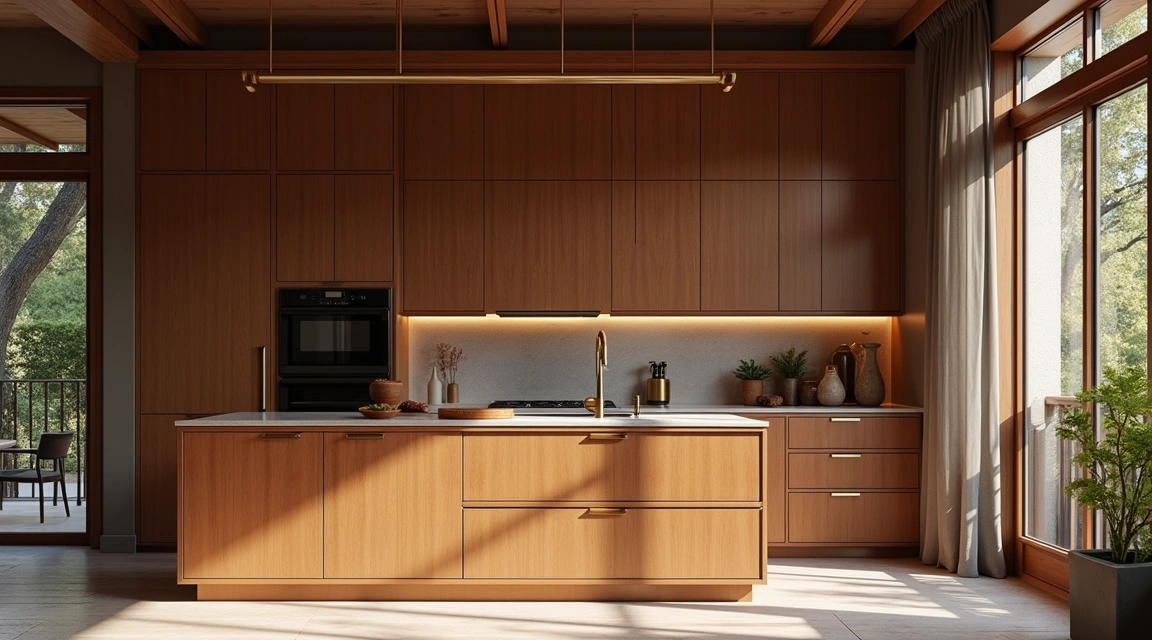
Understanding Brass Cabinet Hardware Basics
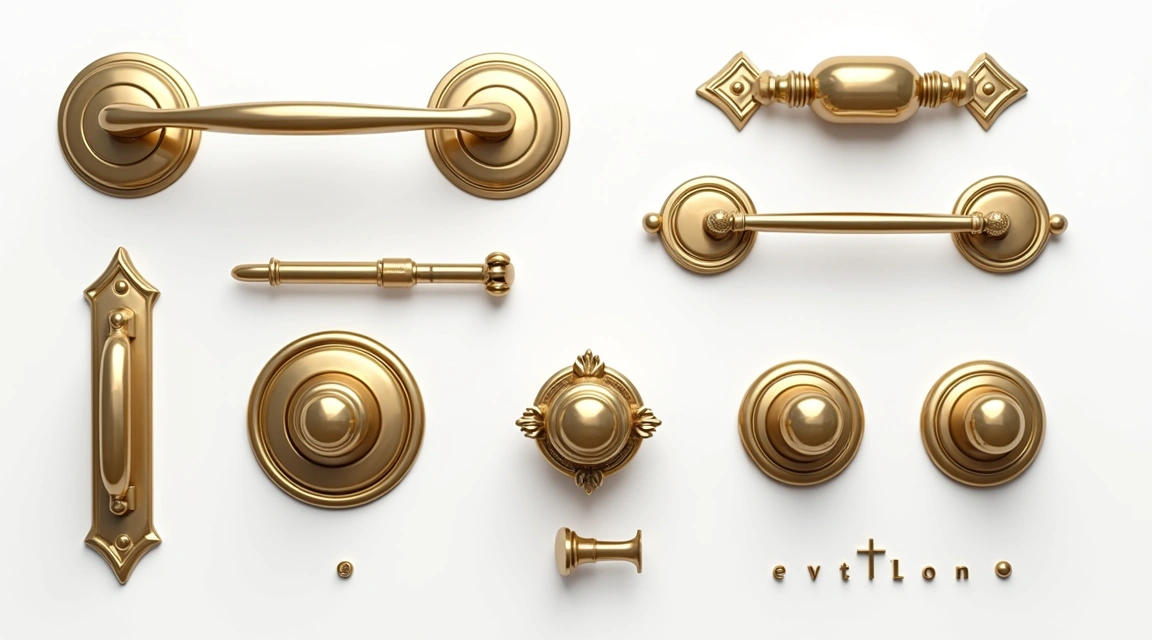
Brass cabinet hardware refers to the handles, knobs, pulls, and hinges made from brass alloy that you attach to cabinets, drawers, and cupboards. This metal has been a favorite in homes for centuries because it combines durability with a warm, golden appearance that adds instant character to any space.
Step 1: Learn what brass actually is and why it matters for your cabinets.
Brass is an alloy made primarily from copper and zinc. The ratio of these metals determines the color—more copper creates a richer, redder tone, while more zinc produces a lighter, yellower finish. When you choose brass hardware, you’re selecting a material that naturally resists corrosion and develops a beautiful patina over time.
Caution: Not all “brass” hardware is solid brass. Many budget options use brass plating over steel or zinc, which wears off quickly and exposes the base metal underneath.
Understanding brass composition helps you make informed purchasing decisions. Solid brass costs more initially but lasts decades. Brass-plated hardware works fine for rental properties or temporary updates, but expect to replace it within five to ten years depending on use.
Step 2: Identify the main finish categories available in brass hardware.
Brass hardware comes in several distinct finishes, each creating a different mood in your space. Polished brass shines brightly with a mirror-like golden surface, perfect for traditional or formal kitchens. Antique brass features darker, brownish tones with deliberate aging effects that suit vintage or rustic designs. Satin brass offers a soft, brushed appearance without high shine, working well in transitional spaces. Unlacquered brass starts shiny but naturally darkens and develops character marks over time as you touch it.
Caution: Unlacquered brass requires acceptance of change—it will develop fingerprints and patina. If you prefer consistent appearance, choose lacquered finishes instead.
Popular Brass Cabinet Hardware Styles for Modern Homes
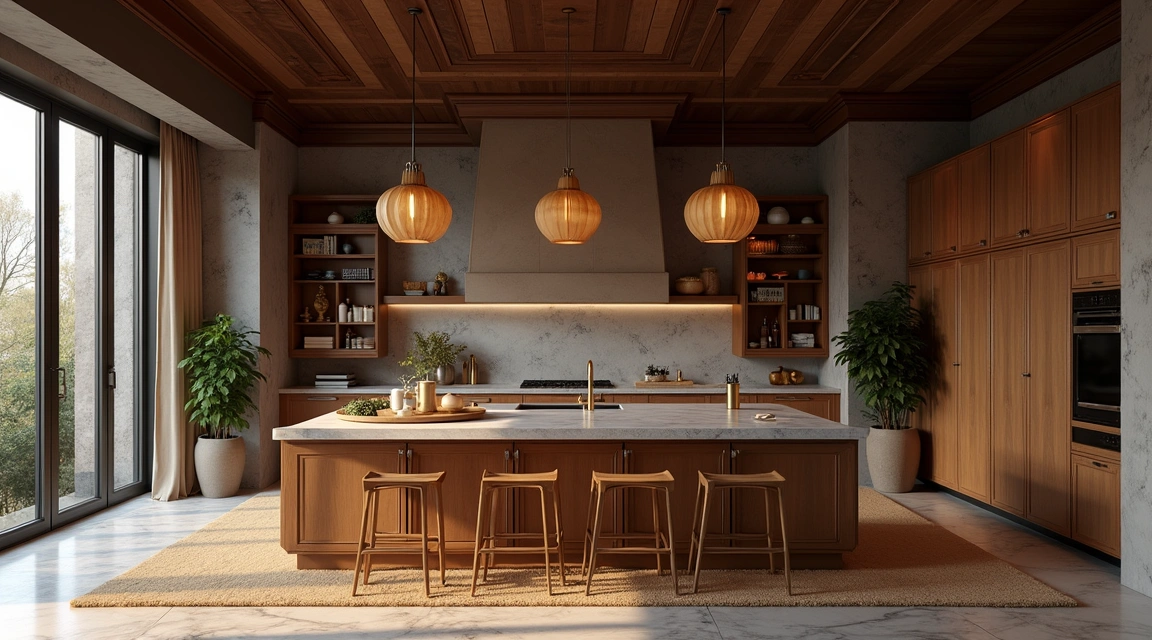
The style of your hardware shape matters as much as the finish. Different profiles work better with specific cabinet designs and room aesthetics.
Step 3: Explore traditional brass hardware styles that never go out of fashion.
Cup pulls remain timeless favorites, especially for drawers. These half-circle pulls let you grip comfortably from underneath, making them practical for kitchen drawers that you open frequently throughout the day. Victorian-inspired knobs feature ornate details, scrollwork, and decorative patterns that add elegance to bathroom vanities and bedroom furniture. Ring pulls consist of a circular handle hanging from a decorative backplate, creating movement and visual interest on cabinet doors.
Caution: Highly ornate hardware collects dust and cooking grease in kitchens. Consider simpler profiles for spaces near stoves or food preparation areas.
Traditional styles work beautifully in homes with architectural details like crown molding, wainscoting, or period-appropriate trim. Match the formality level of your hardware to your overall design scheme—elaborate hardware looks out of place in minimalist spaces.
Step 4: Discover contemporary brass styles that suit modern design preferences.
Bar pulls offer clean lines and modern simplicity. These straight horizontal or vertical handles come in various lengths, from small three-inch pulls for drawers to dramatic twelve-inch statements for pantry doors. T-bar pulls add a slight architectural element with perpendicular mounting points while maintaining minimalist appeal. Flat brass pulls lie nearly flush against cabinet fronts, creating subtle texture without protruding far into your space.
Caution: Very long bar pulls require precise installation—even slight misalignment becomes visually obvious. Measure carefully and use a level during installation.
Contemporary brass hardware often features geometric shapes, mixed materials like brass combined with leather or wood, or unusual proportions that make cabinets focal points rather than backgrounds.
Step 5: Consider transitional brass styles that bridge traditional and modern aesthetics.
Transitional hardware lets you enjoy brass warmth without committing to strictly traditional or contemporary design. Rounded edge pulls soften modern shapes with gentle curves. Tapered pulls start wider at one end and narrow at the other, adding subtle visual movement. Geometric knobs feature hexagons, squares, or faceted surfaces that feel fresh yet substantial.
Caution: Mixing hardware styles within one room requires careful planning. Stick to one finish and vary only the shapes, or keep shapes consistent and vary finishes minimally.
Transitional styles work exceptionally well in homes undergoing gradual updates or in open floor plans where multiple design influences coexist naturally.
Step 6: Match brass hardware scale to your cabinet proportions.
Hardware size dramatically affects how your cabinets look and function. Small knobs measuring one inch or less work for delicate furniture, jewelry boxes, or shallow drawers. Medium pulls spanning three to five inches suit standard kitchen drawers and bathroom vanities. Large pulls measuring eight inches or longer make statements on oversized pantry doors, wide drawers, or floor-to-ceiling cabinets.
Caution: Oversized hardware on small cabinets looks cartoonish and makes doors difficult to open smoothly. Always test hardware scale by printing paper templates at actual size before purchasing.
Professional designers typically select hardware where the pull length covers approximately one-third to one-half the drawer or door width. This proportion feels balanced and provides comfortable grip surface.
Common Mistakes When Selecting Brass Cabinet Hardware
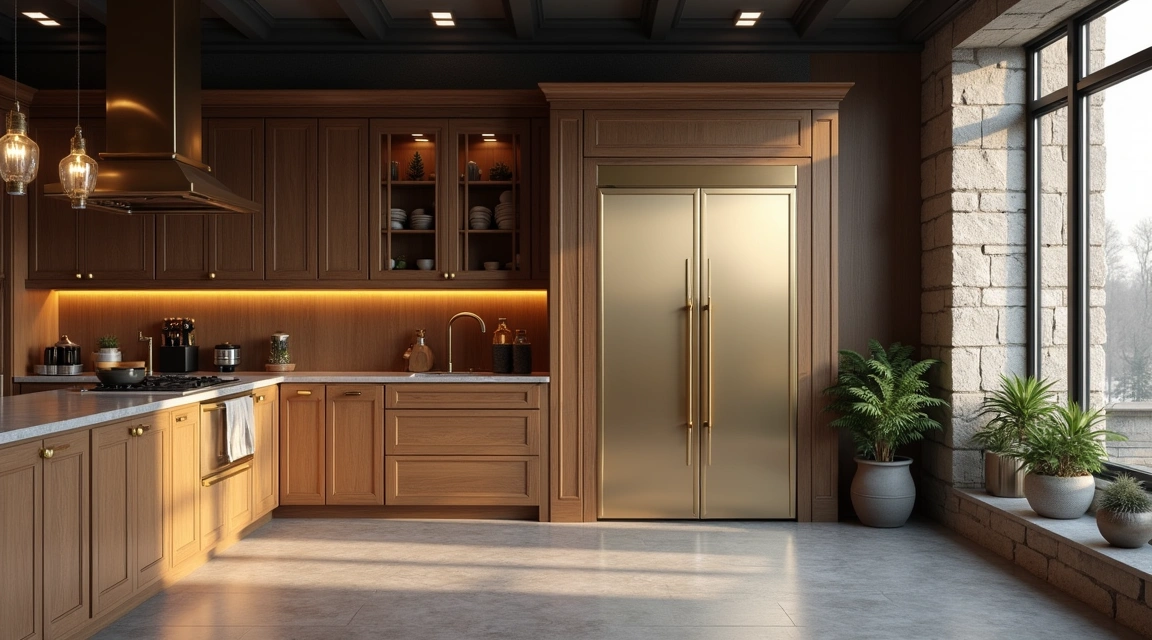
Many homeowners make predictable errors when choosing brass hardware. Avoiding these pitfalls saves money and frustration.
Mistake one: Ignoring the existing metal finishes in your space. Your cabinet hardware should coordinate with faucets, light fixtures, appliances, and other metal elements. Mixing warm brass with cool chrome or stainless steel creates unintentional visual conflict unless you deliberately plan an eclectic mixed-metal scheme.
Mistake two: Choosing hardware based solely on appearance without testing grip comfort. Beautiful hardware that feels awkward when you actually open drawers becomes a daily annoyance. Visit showrooms and physically handle different styles before purchasing, especially for frequently-used kitchen cabinets.
Mistake three: Buying insufficient quantities without accounting for mistakes or future needs. Order ten to fifteen percent extra hardware beyond your immediate requirement. Manufacturing batches vary slightly in color, and discontinued styles become impossible to match later when you need replacements.
Mistake four: Installing hardware without proper templates or measuring tools. Uneven hardware placement permanently mars cabinet appearance. Create drilling templates from cardboard or purchase commercial jigs to ensure consistent positioning across all cabinet fronts.
Mistake five: Selecting trendy finishes without considering long-term satisfaction. While fashion-forward choices feel exciting initially, you’ll live with cabinet hardware for years. Choose styles you genuinely love rather than what design magazines currently feature.
Practical Care and Maintenance for Brass Hardware Longevity
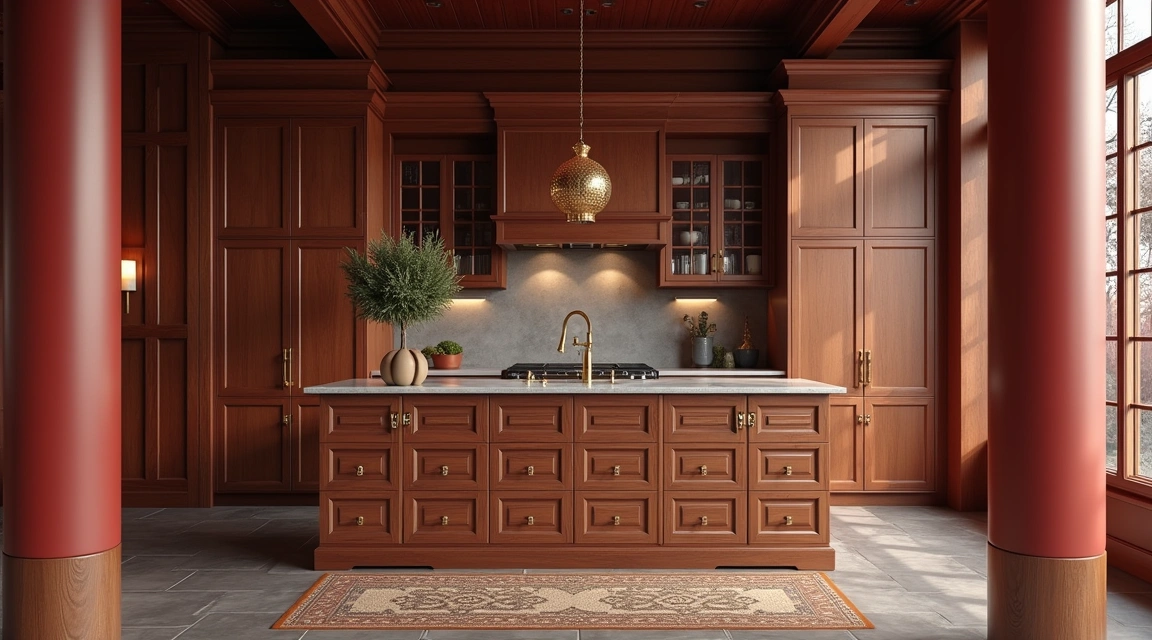
Brass hardware requires minimal maintenance but benefits from proper care. Wipe polished and lacquered brass weekly with soft, dry cloths to remove fingerprints and dust. Avoid ammonia-based cleaners that damage protective lacquer coatings. For unlacquered brass that you want to keep shiny, use brass polish paste every few months, following product directions carefully. If you prefer natural patina development, simply clean with mild soap and water, then dry thoroughly.
Remove hardware before painting cabinets to avoid paint buildup around edges. This extra step ensures professional results and prevents hardware from sticking or becoming difficult to operate after painting.
Summary: Your Path to Perfect Brass Cabinet Hardware
Selecting brass cabinet hardware involves understanding finishes, choosing appropriate styles for your design aesthetic, sizing hardware correctly for your cabinets, and avoiding common purchasing mistakes. Start by determining whether you prefer traditional, contemporary, or transitional looks, then narrow choices by finish preference—polished, antique, satin, or unlacquered brass. Measure your cabinets carefully, order samples when possible, and install with precision for results you’ll enjoy for decades. Brass hardware represents an investment in both beauty and durability that elevates ordinary cabinets into design features that define your home’s character.
—
Meta Description: Discover brass cabinet hardware styles from traditional to modern. Learn to choose the perfect finish, size, and design with this complete beginner’s guide featuring practical installation tips.
Category: Brass Hardware & Home Decor
Tags: brass hardware, cabinet knobs, drawer pulls, kitchen hardware, brass finishes, cabinet styles, home improvement, interior design, traditional hardware, modern hardware