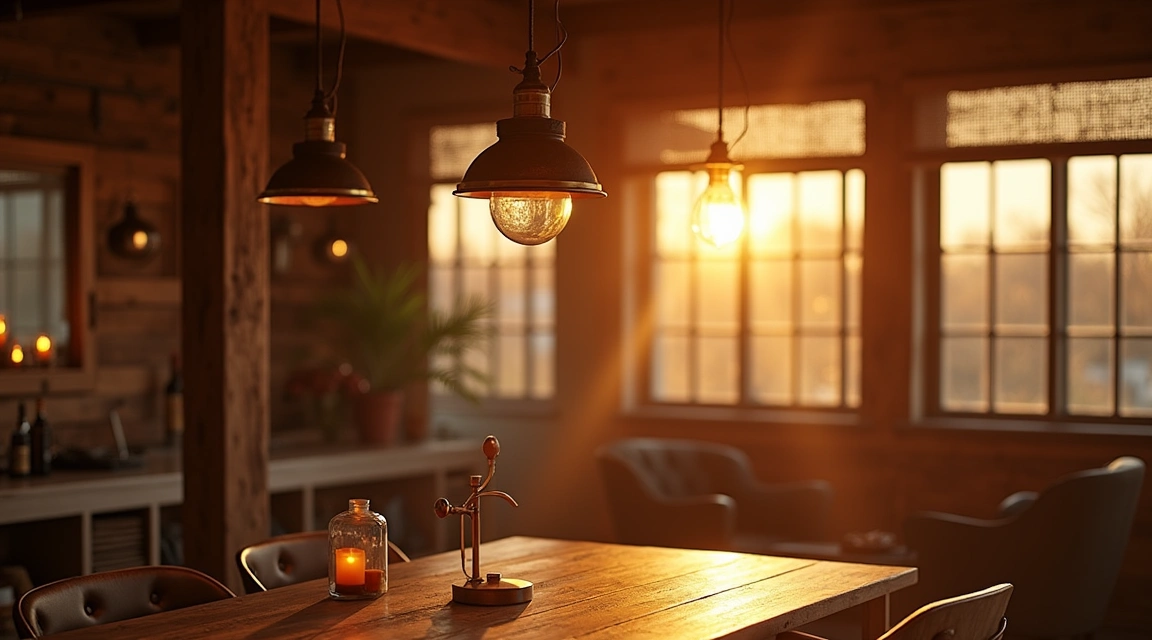
Interior designers are calling 2025 the year brass lighting reclaims its throne in modern home design, with searches for “brass lighting design tips” surging 47% as homeowners seek to escape the cold minimalism of chrome and brushed nickel. From Swedish-inspired hygge to transitional schemes blending vintage and contemporary elements, brass fixtures now anchor kitchen islands, bedrooms, and living spaces with a warmth that feels both timeless and strikingly current.
The shift represents more than aesthetic preference. As design studios from New York to Los Angeles phase out builder-grade “boob lights” and dated flush-mounts, brass has emerged as the versatile workhorse capable of elevating any room without overwhelming it. The metal’s natural patina develops character over time, making it particularly appealing to those seeking sustainable, buy-it-for-life fixtures rather than disposable décor.
Choosing the Right Brass Finish for Your Space
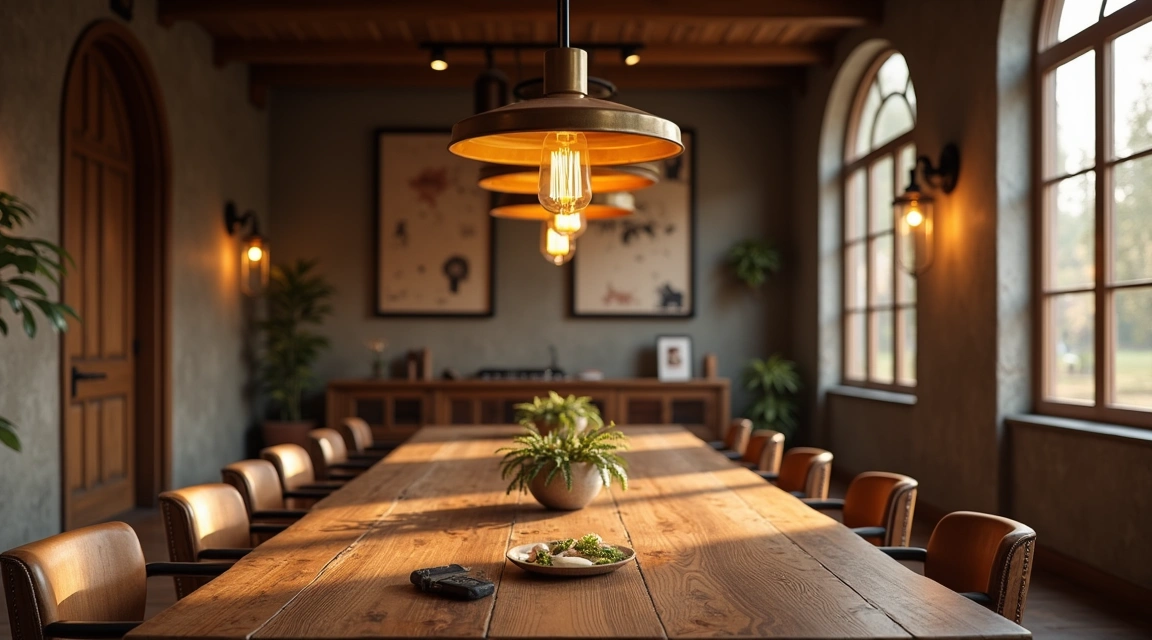
Not all brass is created equal, and understanding finish options prevents costly mismatches. Unlacquered brass develops a living patina that darkens and enriches with age, ideal for traditional or farmhouse aesthetics where authenticity matters. Lacquered brass maintains its polished, golden sheen indefinitely, suiting modern and glam interiors where consistency is paramount. Antique or aged brass arrives pre-darkened, offering vintage appeal without the wait.
Kitchen island lighting presents a prime case study. Designers consistently recommend pendant clusters in mixed finishes—pairing brushed brass with matte black or weathered bronze—to create visual interest without competing with cabinetry. The Coolist’s 2026 trend report highlights geometric cage pendants and oversized dome shades as top picks, both allowing brass to shine without dominating sightlines across open-plan spaces.
In bedrooms, softer brass tones work best. Wall sconces in satin brass flanking a bed provide task lighting for reading while maintaining the serene mood essential for rest. Architectural Digest’s recent bedroom lighting guide emphasizes dimmer compatibility, noting that brass fixtures paired with warm LED bulbs (2700K or lower) create the layered, hotel-like ambiance that makes a room feel finished.
Layering Brass Lighting Like a Professional Designer
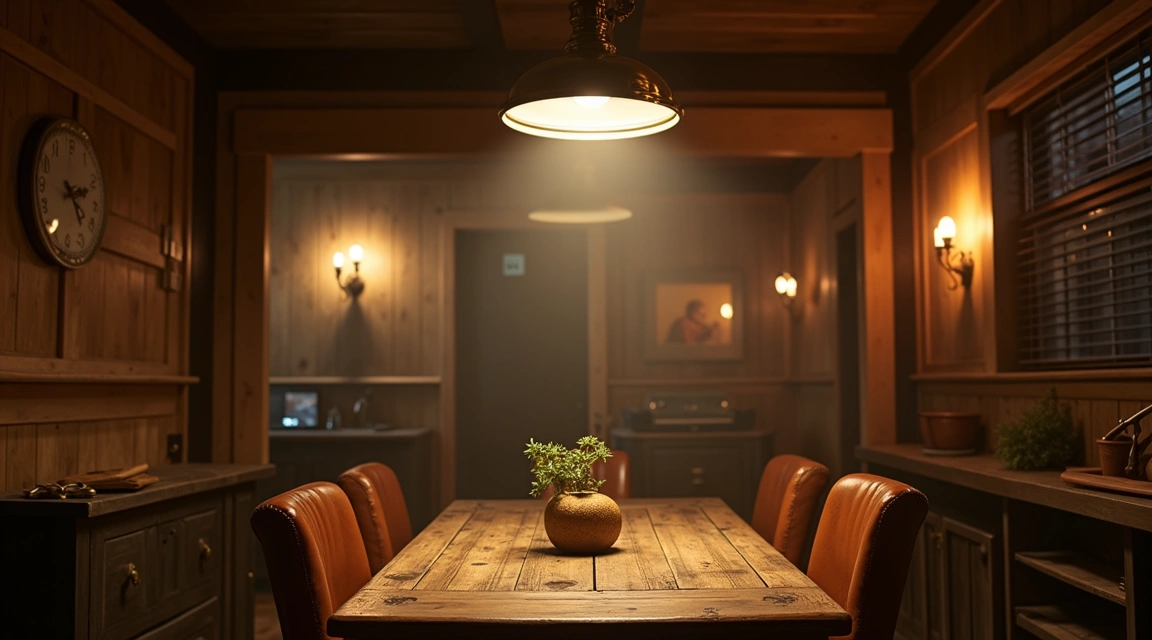
The cardinal rule of lighting design applies doubly to brass: never rely on a single source. Successful schemes layer ambient, task, and accent lighting across multiple fixture types. A living room might combine a brass chandelier for ambient light, brass pharmacy-style floor lamps for reading nooks, and picture lights in matching brass to highlight artwork.
“Brass is forgiving, but it still demands intention,” explains New York-based lighting designer Sarah Thornhill, whose portfolio includes renovations for The New York Times’ design coverage. “Swedish lighting philosophy teaches us to think about how light moves through a room at different times of day. Brass amplifies that warmth, so place fixtures where they’ll catch afternoon sun or create intimate pools of light in the evening.”
The Swedish approach, or “ljuskällor” (light sources), emphasizes multiple low-wattage fixtures over harsh overhead lighting. This translates beautifully to brass: rather than one 100-watt ceiling fixture, consider four or five 25-watt brass sconces, table lamps, and floor lamps distributed throughout the space. The cumulative effect feels inviting rather than clinical, with brass acting as the unifying thread.
Mixing vintage and modern brass pieces adds depth without creating chaos, provided you follow Homes and Gardens’ three core rules: maintain consistent undertones (warm yellow brass versus cooler champagne brass), vary the scale (pair oversized statement pieces with delicate accents), and limit yourself to three distinct eras or styles per room. A mid-century starburst chandelier can coexist with a contemporary linear brass pendant if both share warm undertones and are balanced by traditional brass hardware on furniture.
Common Brass Lighting Mistakes to Avoid
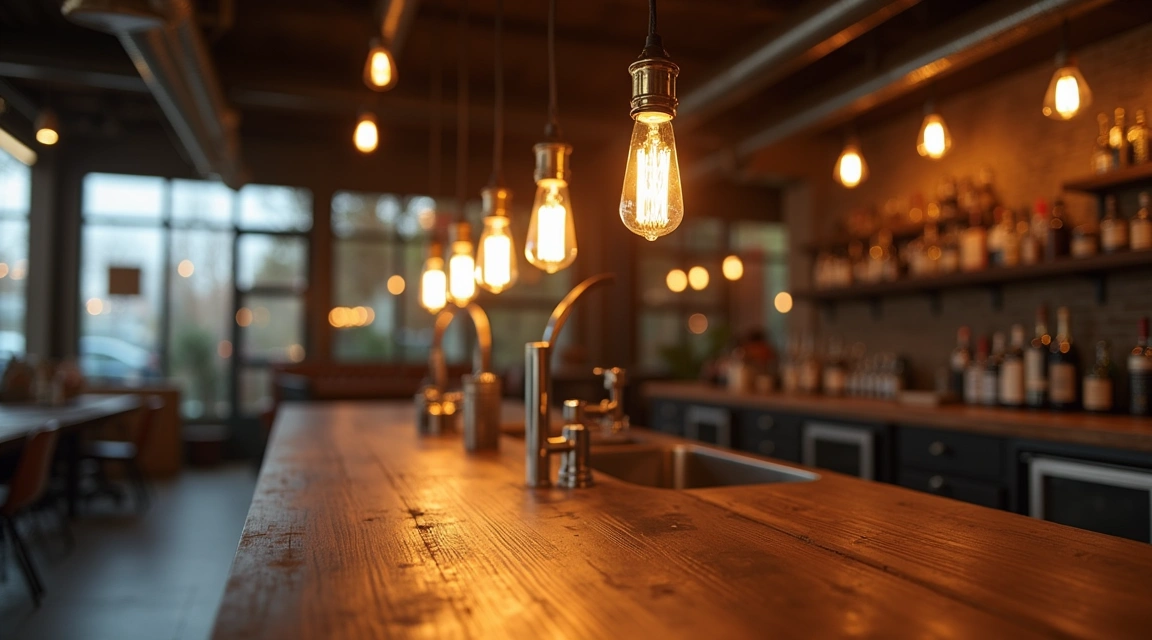
Over-matching kills the sophisticated vibe brass promises. When every fixture, cabinet pull, faucet, and picture frame shares identical brass finish, spaces read as showroom stiff rather than collected over time. Designers recommend the 70-30 rule: let brass dominate in 70% of metallic finishes, then introduce 30% contrasting metals like matte black, oil-rubbed bronze, or even polished nickel in supporting roles.
Ignoring scale proves equally problematic. An oversized brass chandelier appropriate for a two-story foyer will overwhelm a standard eight-foot bedroom ceiling. Real Simple’s lighting overhaul guide suggests measuring twice: room square footage should guide fixture diameter (a 150-square-foot room suits an 18-20 inch chandelier), while ceiling height dictates drop length. For rooms with standard ceilings, semi-flush or flush-mount brass fixtures prevent head-bumping and visual weight.
Neglecting bulb temperature undermines brass’s inherent warmth. Cool white LEDs (4000K or higher) create discord against brass’s golden tones, producing a sterile, mismatched effect. Always pair brass with warm white (2700-3000K) or even amber-tinted Edison bulbs for vintage fixtures. This simple specification ensures cohesion between metal and light quality.
The Future of Brass in Lighting Design
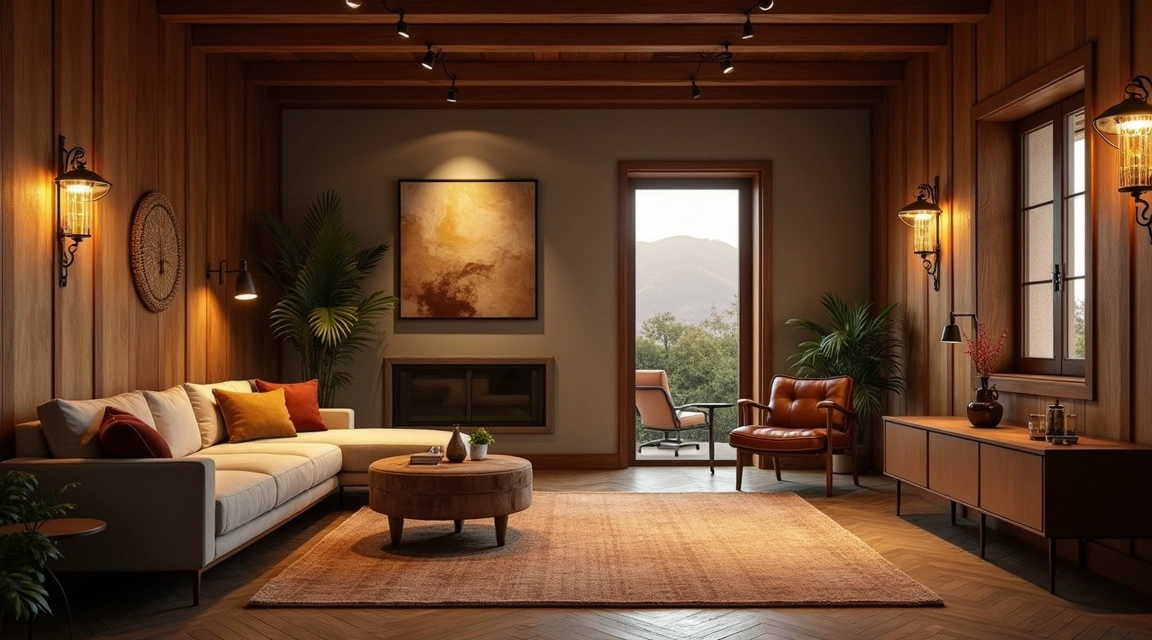
Industry forecasts suggest brass’s dominance will extend well into 2026, driven by demand for sustainable materials and rejection of disposable fast-furniture aesthetics. Younger homeowners particularly gravitate toward unlacquered brass that ages alongside them, valuing the patina as proof of longevity rather than wear.
Smart home integration is the next frontier. Several manufacturers now offer brass fixtures with concealed LED strips and wireless controls, allowing homeowners to preserve period aesthetics while accessing modern convenience. This hybrid approach resolves the longtime tension between vintage charm and contemporary function, making brass lighting genuinely future-proof rather than merely nostalgic.
As design moves away from sterile, all-white interiors toward warmer, more textured spaces, brass lighting provides the accessible luxury upgrade that transforms rooms without requiring full renovations. Whether you’re updating a single fixture or overhauling an entire home, the metal’s versatility and enduring appeal make it one of the safest investments in residential design today.