

Brass hardware adds timeless elegance and durability to any home, but navigating the purchasing process requires understanding multiple cost factors and quality indicators. Whether you’re renovating a historic property, upgrading kitchen cabinets, or selecting door hardware for a new construction project, knowing what influences brass hardware pricing helps you make informed decisions that balance budget constraints with long-term value. This comprehensive guide breaks down the essential cost factors, quality markers, and comparison criteria to help you select brass hardware that meets your aesthetic and functional requirements.
The brass hardware market offers products ranging from budget-friendly options under $5 per piece to premium artisan hardware exceeding $200 for a single knob or handle. Understanding what drives these price differences empowers you to identify genuine value rather than simply choosing the cheapest or most expensive option. Material composition, manufacturing methods, finish quality, and brand reputation all play significant roles in determining both initial cost and long-term performance.
Understanding Brass Composition and Material Grades
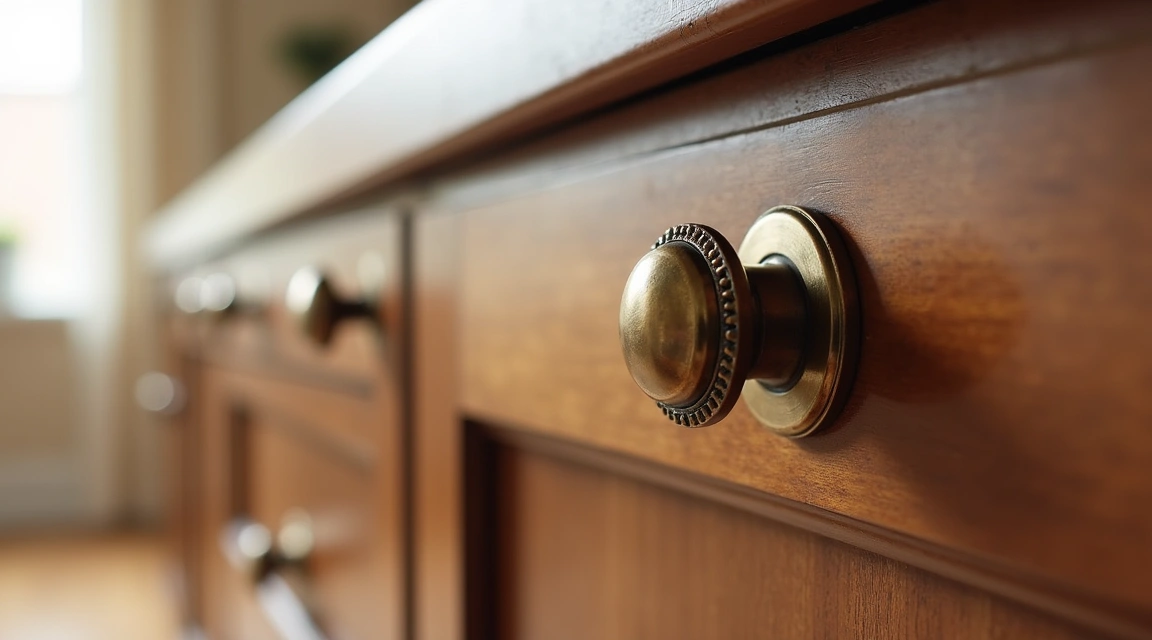
The composition of brass hardware significantly affects both cost and durability. Brass is an alloy primarily consisting of copper and zinc, with the ratio and additional elements determining the material grade. Solid brass hardware contains at least 60% copper and offers superior strength, corrosion resistance, and longevity compared to brass-plated alternatives. This fundamental material difference represents one of the largest cost factors in brass hardware purchasing decisions.
Solid brass hardware typically costs 40-70% more than brass-plated steel or zinc alloy alternatives. A solid brass cabinet knob might retail for $12-25, while a brass-plated version of similar design could cost $4-8. The premium pays for material that won’t chip, peel, or corrode when the surface finish wears through. For high-traffic applications like entry door hardware or frequently used cabinet pulls, solid brass construction provides better long-term value despite higher upfront costs.
Brass-plated hardware uses a base metal (typically steel, zinc alloy, or aluminum) coated with a thin layer of brass. This construction method reduces material costs substantially but creates durability concerns. The plating thickness varies widely among manufacturers, with quality products featuring electroplated layers 10-20 microns thick, while budget options may have coatings under 5 microns. Once the plating wears through—which can occur within months in high-use applications—the base metal becomes exposed to moisture and air, leading to corrosion and visual deterioration.
Bronze hardware presents another option worth considering during your search. While technically distinct from brass (bronze is a copper-tin alloy), bronze hardware occupies a similar market position and price range. Oil-rubbed bronze finishes have become particularly popular for their rich, dark appearance and ability to hide minor scratches and fingerprints. Bronze hardware generally costs 10-20% more than comparable brass pieces due to different manufacturing processes and material costs.
Manufacturing Methods and Their Cost Implications
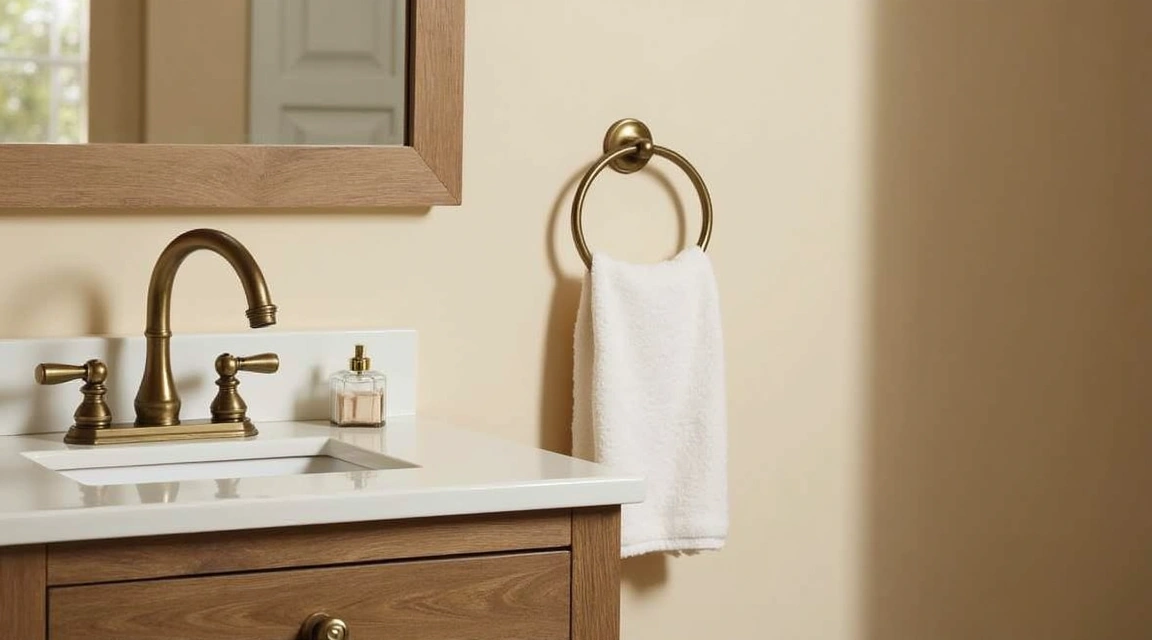
The production method used to create brass hardware directly impacts both price and quality characteristics. Cast brass hardware undergoes a process where molten brass is poured into molds, cooled, and then finished. This traditional method produces hardware with solid, consistent material throughout and allows for intricate decorative details. Cast brass represents the premium manufacturing category, with production costs reflected in retail prices typically 50-100% higher than machined alternatives.
Forged brass hardware involves shaping heated brass through mechanical force, creating pieces with enhanced strength and refined grain structure. This method suits applications requiring maximum durability, such as exterior door hardware or commercial installations. Forged brass pieces usually fall in the upper-middle price range, costing 30-60% more than basic cast or machined options but offering superior resistance to stress and impact.
Machined brass hardware starts with brass stock that is cut, drilled, and shaped using precision equipment. This modern manufacturing approach allows tighter tolerances and consistent dimensions, making it ideal for hardware requiring precise fit specifications. Machined brass typically costs 20-40% less than cast brass of similar size, making it an attractive middle-ground option for projects balancing quality and budget.
Die-cast and stamped brass hardware represents the most economical manufacturing category. These methods produce hardware quickly and inexpensively, suitable for rental properties, temporary installations, or projects with strict budget constraints. However, the reduced material thickness and simplified construction typically result in hardware that feels lighter, appears less substantial, and may wear more quickly than cast or forged alternatives.
Finish Quality and Treatment Options

The finish applied to brass hardware affects both appearance and price, with treatment complexity directly correlating to cost. Natural brass finishes showcase the warm golden color of the base material and develop a patina over time as oxidation occurs. These finishes require minimal processing, making them among the most affordable options while offering authentic brass character that many homeowners find appealing.
Lacquered brass receives a clear protective coating that prevents oxidation and maintains the bright, polished appearance indefinitely. The lacquer application adds 15-25% to manufacturing costs compared to unlacquered brass. Quality matters significantly with lacquered finishes—premium formulations resist yellowing and peeling for decades, while budget lacquers may fail within 2-3 years, requiring refinishing or replacement.
Living finishes are intentionally left unsealed, allowing the brass to develop natural patina over time. This approach has gained popularity in recent years, particularly for kitchen and bathroom hardware where users want character that evolves with the home. Living finish hardware typically costs 10-20% less than lacquered equivalents since it eliminates the protective coating process, though manufacturers may charge premium prices for the aesthetic designation.
Specialized finishes like antique brass, satin brass, brushed brass, or vintage brass require additional processing steps including chemical treatments, mechanical texturing, or hand-rubbing techniques. These finishes can add 30-60% to base hardware costs depending on complexity. Antique brass finishes that replicate aged patina through controlled oxidation or applied patinas involve skilled labor and quality control, justifying higher prices for authentic-looking results.
Powder-coated or painted finishes over brass allow manufacturers to offer diverse color options while protecting the base metal. Black, white, or colored finishes applied to brass hardware typically cost 20-35% more than natural finishes due to additional processing requirements. These options work well when you want brass’s structural benefits combined with a specific color palette that natural brass can’t provide.
Brand Reputation and Warranty Considerations
Established brass hardware manufacturers command premium prices based on reputation, consistency, and customer support. Companies with decades of experience in brass hardware production typically charge 40-80% more than unbranded imports or new market entrants. This premium reflects investment in quality control, reliable supply chains, and customer service infrastructure that supports warranty claims and product availability for future matching.
Warranty coverage varies dramatically across the brass hardware market. Premium manufacturers commonly offer lifetime warranties on finish and mechanical function, standing behind their products for the life of the original installation. Mid-range brands typically provide 5-10 year warranties, while budget options often include minimal or no warranty protection. When comparing prices, factor in the warranty value—a slightly more expensive product with comprehensive coverage may prove more economical than a cheaper option requiring replacement after a few years.
Artisan and small-batch brass hardware producers occupy a unique market segment, creating handcrafted pieces with exceptional detail and customization options. These specialized products typically cost 2-4 times more than mass-produced equivalents but offer distinctive designs unavailable elsewhere. For projects where hardware serves as a design focal point or when matching historic styles precisely, artisan hardware may justify its premium pricing.
Import considerations affect both cost and quality assurance. Brass hardware manufactured overseas and imported through discount retailers can cost 50-75% less than domestically produced equivalents. However, quality consistency, material composition verification, and warranty enforcement present challenges with low-cost imports. Building codes and safety standards also vary internationally, so verify that imported hardware meets local requirements for applications like fire doors or commercial installations.
Installation Requirements and Hidden Costs
The total cost of brass hardware extends beyond the purchase price to include installation considerations. Some brass hardware requires professional installation, particularly for complex door sets, handlesets with deadbolts, or custom applications. Installation labor for door hardware typically ranges from $50-150 per door depending on complexity and local rates. Cabinet hardware installation runs $2-5 per piece when hiring professionals, though this represents a manageable DIY project for most homeowners.
Backset requirements—the distance from the door edge to the center of the bore hole—determine compatibility with existing door preparations. Standard backsets of 2-3/8 inches or 2-3/4 inches accommodate most residential doors, but non-standard backsets may require door modification or custom hardware, adding $50-200 per door in additional costs. Always verify backset dimensions before purchasing replacement hardware to avoid unexpected expenses.
Mounting hardware and fasteners included with brass hardware vary in quality. Premium manufacturers include solid brass or stainless steel screws that match the hardware finish and provide corrosion resistance. Budget hardware often ships with basic steel screws that may rust or strip during installation. Purchasing appropriate mounting hardware separately adds $3-8 per piece but ensures secure, long-lasting installation.
Maintenance products represent ongoing costs that vary based on finish type. Natural and living brass finishes benefit from occasional polishing using brass cleaners costing $8-15 per bottle, with each bottle sufficient for multiple cleanings. Lacquered brass requires only gentle cleaning with mild soap, reducing maintenance costs. Specialized finishes may require specific cleaning products recommended by manufacturers to avoid damaging the finish treatment.
Comparison Checklist for Brass Hardware Purchasing
Creating a systematic comparison checklist ensures you evaluate brass hardware options consistently across vendors and product lines. Start by documenting your specific requirements: application type, quantity needed, design style, finish preference, and budget range. This foundation prevents impulse purchases based solely on appearance while ignoring functional requirements.
Material composition verification should top your checklist. Request confirmation that advertised “brass” hardware is indeed solid brass rather than brass-plated. Reputable manufacturers clearly label material composition, while vague descriptions like “brass finish” or “brass color” often indicate plated construction. For online purchases, contact customer service to confirm material specifications before ordering.
Compare dimensions carefully, particularly for replacement hardware. Measure existing hardware mounting holes, spacing between pulls, door thickness, and any space constraints that might affect hardware clearance. Door hardware dimensions vary more than many buyers expect, and mismatch can necessitate door modifications or return shipping costs that negate initial savings.
Review finish warranties and maintenance requirements for each option. Calculate the long-term cost of ownership by considering warranty coverage, expected lifespan, and maintenance needs. A $30 knob with a lifetime warranty may prove more economical than a $15 knob requiring replacement every few years.
Investigate return policies before purchasing, particularly for larger orders. Brass hardware appearance varies significantly between online photos and physical products due to lighting, photography techniques, and screen display differences. Flexible return policies allow you to verify color, finish, and quality match your expectations without financial risk.
Cost Comparison Framework
| Cost Factor | Budget Range | Mid-Range | Premium Range | Impact on Longevity |
|---|---|---|---|---|
| Material Type | Brass-plated ($4-8) | Solid brass ($12-25) | Forged brass ($30-50) | High |
| Manufacturing | Stamped ($5-12) | Machined ($15-30) | Cast/Forged ($35-80) | Moderate |
| Finish Quality | Basic ($0 premium) | Lacquered (+$3-6) | Hand-rubbed (+$10-20) | Moderate |
| Brand Premium | Unbranded (baseline) | Regional (+40%) | Premium (+80%) | Low to Moderate |
| Warranty Coverage | None/1 year | 5-10 years | Lifetime | Risk mitigation |
| Installation | DIY ($0) | Simple install ($50-100) | Professional ($100-200) | Affects function |
Making the Final Purchase Decision
Armed with knowledge of cost factors and comparison criteria, you can approach brass hardware purchasing strategically rather than emotionally. Prioritize applications where quality matters most—exterior doors, high-traffic areas, and visible locations benefit most from premium hardware investments. Secondary applications like closet doors, basement areas, or temporary installations can accommodate budget-friendly options without compromising overall project quality.
Consider purchasing samples before committing to large orders. Most manufacturers sell individual pieces, allowing you to evaluate finish quality, weight, and appearance in your actual space. The $15-30 invested in samples prevents costly mistakes when ordering dozens of pieces for a whole-house renovation.
Timing purchases around sales periods can yield significant savings without quality compromise. Hardware retailers typically offer seasonal promotions, with substantial discounts during spring renovation season and year-end clearances. Signing up for manufacturer newsletters often provides early access to sales and exclusive discount codes worth 10-20% off regular pricing.
Brass hardware represents a long-term investment in your home’s functionality and aesthetic appeal. By understanding the cost factors outlined in this guide, systematically comparing options, and aligning purchases with your specific needs and budget, you can select brass hardware that delivers satisfaction for years to come while avoiding overspending on unnecessary premium features or regretting cheap purchases that fail prematurely.