

Upgrading or equipping your home with the right hardware can transform everyday tasks into smooth, reliable experiences. Whether you’re moving into a new house, renovating a room, or simply replacing worn-out fixtures, understanding what to buy, how much to budget, and what to check before purchasing will save you time, money, and frustration. This guide walks you through the essential cost factors and planning steps to help you make informed decisions about home hardware.
Home hardware encompasses everything from door handles and hinges to cabinet pulls, locks, drawer slides, and window hardware. Each piece plays a functional role, but together they also contribute to your home’s aesthetic and long-term durability. Making thoughtful choices now means fewer repairs and replacements down the road.
Understanding What Drives Hardware Costs
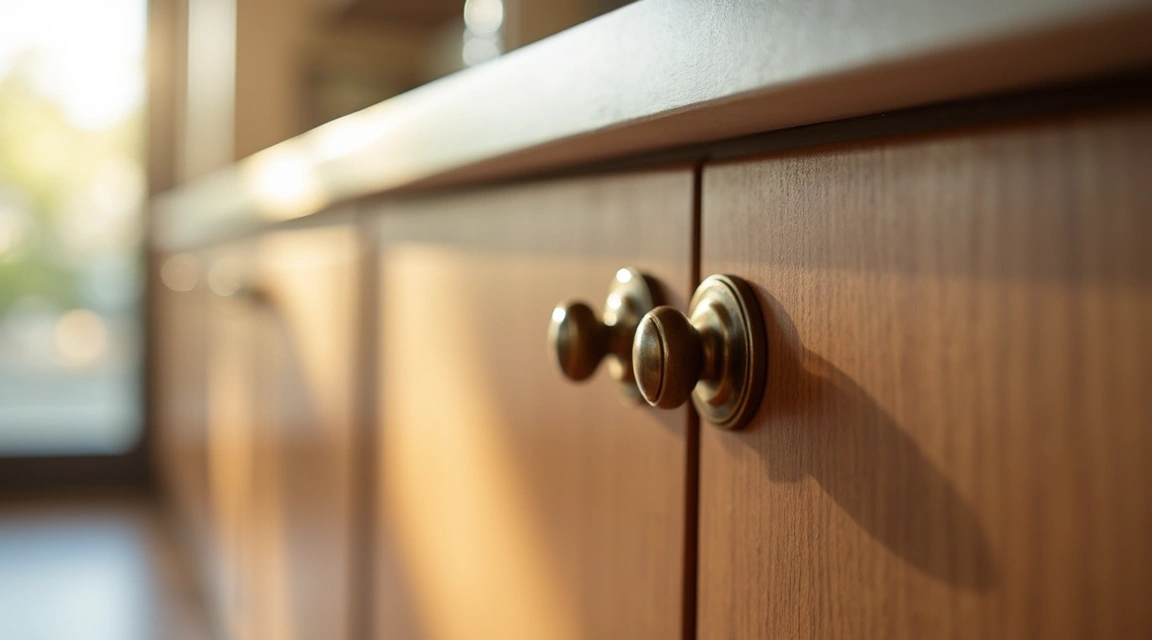
Before you start shopping, it helps to know why some hardware costs significantly more than others. Price differences aren’t arbitrary—they reflect material quality, manufacturing methods, finishes, and brand reputation.
Material is the biggest cost driver. Solid brass hardware typically costs more than zinc alloy or steel, but it resists corrosion better and lasts decades. Stainless steel offers excellent durability at a mid-range price point, while aluminum and plastic options sit at the budget end but may need replacement sooner. If you’re outfitting a bathroom or exterior door, investing in corrosion-resistant materials will pay off over time.
Finish also affects price. Basic finishes like polished chrome or brushed nickel are widely available and affordable. Specialty finishes such as oil-rubbed bronze, matte black, or antique brass often carry a premium because they require additional processing steps. Some finishes also need more maintenance to preserve their appearance, so factor in long-term care when comparing options.
Brand and origin matter, too. Established manufacturers with strong warranties and quality control charge more than generic imports. While you can find functional hardware at budget retailers, name-brand items often include better installation instructions, customer support, and replacement parts if something breaks. For high-traffic areas like front doors or kitchen cabinets, the reliability of a known brand can be worth the extra cost.
Caution: Avoid mixing finish types in the same room unless you’re confident in your design skills—mismatched metals can look unintentional rather than eclectic.
Step-by-Step Planning Checklist
Follow these numbered steps to organize your hardware purchase and avoid common pitfalls.
Step 1: Inventory What You Need
Walk through each room and list every piece of hardware you plan to replace or install. Include door handles, deadbolts, cabinet knobs, drawer pulls, hinges, window locks, and any specialty items like coat hooks or towel bars. Measure existing hardware if you’re replacing items—note the backset (distance from door edge to center of knob) for door locks and the hole spacing for cabinet pulls.
Caution: Don’t assume all doors or cabinets use the same measurements—check each one individually to avoid returns.
Step 2: Set a Realistic Budget
Determine how much you can comfortably spend, then allocate more of your budget to high-use or visible areas. Front door hardware, for example, deserves a higher investment than a closet door handle. Kitchen cabinet pulls see daily use and should prioritize durability over price. Guest bathroom fixtures can be stylish but don’t need the same corrosion resistance as a master bath.
Build in a buffer of at least 15 percent for unexpected needs—you might discover a broken hinge or decide to add an extra lock for security.
Caution: Buying the cheapest option for every item usually leads to uneven quality and a disjointed look.
Step 3: Choose a Consistent Style and Finish
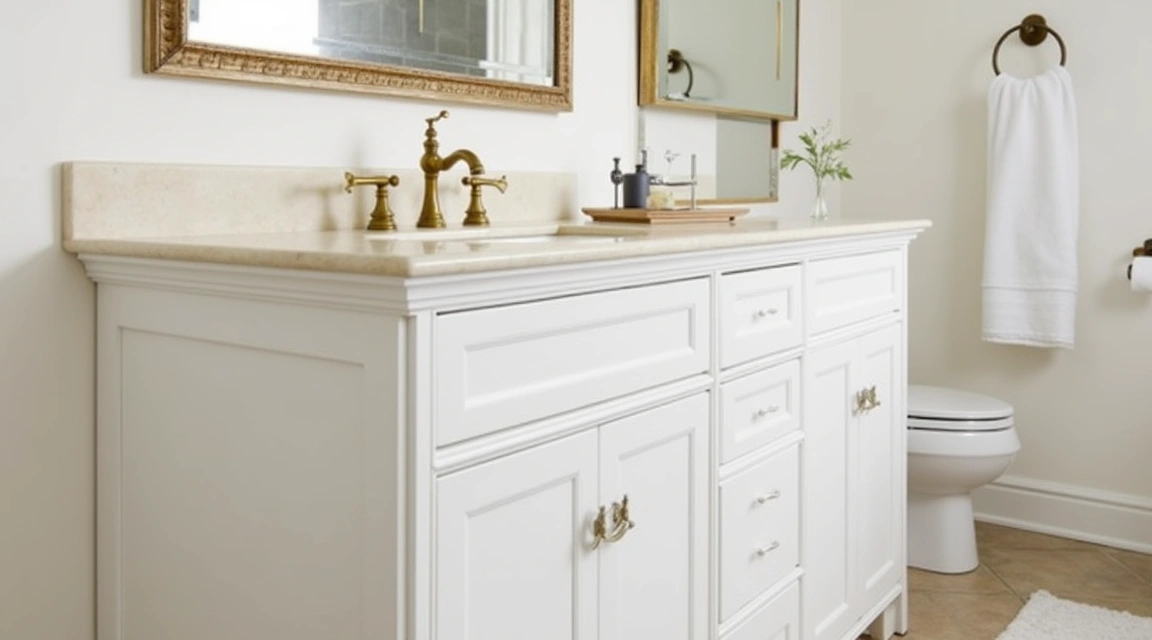
Decide on a design direction before you shop. Modern homes often pair well with matte black or brushed nickel in clean, minimal shapes. Traditional spaces suit oil-rubbed bronze or polished brass with decorative details. Transitional designs work with satin nickel or chrome in simple profiles.
Maintain finish consistency within connected spaces—kitchen, dining, and living areas that flow together should share the same metal tone. Bathrooms and bedrooms can have their own finish if doors separate them from main living areas.
Caution: Switching finishes mid-project because you found a sale can create a patchwork appearance that’s hard to correct later.
Step 4: Verify Compatibility and Installation Requirements
Check that new hardware fits existing holes and door thickness. Most interior doors are 1⅜ inches thick, while exterior doors are typically 1¾ inches. Cabinet hardware comes in standard hole spacings—common pulls are 3 inches or 3¾ inches center-to-center, but verify your cabinets before ordering.
If you’re installing hardware where none existed, you’ll need a drill, hole saw, and possibly a template. Some manufacturers include paper templates; others sell jigs separately. Review installation instructions before purchase to confirm you have the tools or budget to hire help.
Caution: Drilling mistakes in doors or cabinets are difficult to hide—practice on scrap wood if you’re new to installation.
Step 5: Research Retailers and Compare Options
Visit both local hardware stores and online retailers. Local shops let you handle hardware to check weight, finish texture, and mechanism smoothness—important for items like door handles that you’ll touch daily. Online stores often offer wider selection and lower prices, but shipping can add cost and delay, especially for heavy items.
Read reviews focusing on durability, installation ease, and finish longevity. Photos from other buyers help you see how finishes look in real homes rather than studio lighting. For our broader Home Hardware Buying Guide resources, you’ll find additional comparisons and tips for specific product categories.
Caution: Reviews mentioning “arrived damaged” repeatedly suggest poor packaging—consider whether you’re prepared to handle returns.
Step 6: Order Samples When Possible, Then Buy in Batches
For large projects, order one sample of your top choice. Install it temporarily to confirm the finish matches your vision and the quality meets expectations. Once satisfied, buy everything you need in a single order to ensure finish consistency—manufacturers sometimes tweak formulas between production runs.
Keep packaging and receipts until installation is complete. You may discover you need additional pieces or want to return items that don’t work as planned.
Caution: Ordering in multiple small batches can result in slight finish variations that become obvious when installed side by side.
Common Mistakes to Avoid

Even careful planners make predictable errors. Watching for these pitfalls will smooth your buying process.
One frequent mistake is underestimating quantity. Count knobs and pulls carefully—a kitchen with 20 cabinets and 10 drawers needs 30 pieces, not 20. Add a few extras for breakage or future additions.
Another error is ignoring functional differences. Not all door handles work the same way. Privacy locks for bathrooms have inside release buttons; passage handles for hallways have no locking mechanism; dummy handles for closets don’t turn at all. Ordering the wrong function means returns and delays.
Many buyers also overlook handing for certain hardware. Exterior handlesets often come in left-hand or right-hand configurations based on which side the hinges sit. Measure and note door swing direction before ordering.
Finally, neglecting maintenance requirements leads to disappointment. Living finishes like unlacquered brass develop patina over time—beautiful to some, unacceptable to others. Matte black finishes can show fingerprints. Oil-rubbed bronze may need occasional waxing. Understand care needs upfront so your hardware continues looking good.
Bringing It All Together
Successful home hardware purchases start with clear planning and realistic budgeting. By understanding material and finish cost drivers, measuring carefully, maintaining style consistency, and verifying compatibility before you buy, you’ll avoid the frustration of returns and mismatched pieces.
Take your time inventorying needs, choose quality where it matters most, and don’t rush to buy before you’ve confirmed measurements and installation requirements. Hardware might seem like a small detail, but the right choices create a cohesive, functional home that serves you well for years.
Remember that purchasing home hardware is an investment in daily comfort and long-term value. Thoughtful decisions now mean smoother doors, easier-opening drawers, and fixtures that continue working reliably. Use this guide as your roadmap, follow each step carefully, and you’ll build a home that feels both beautiful and dependable.