
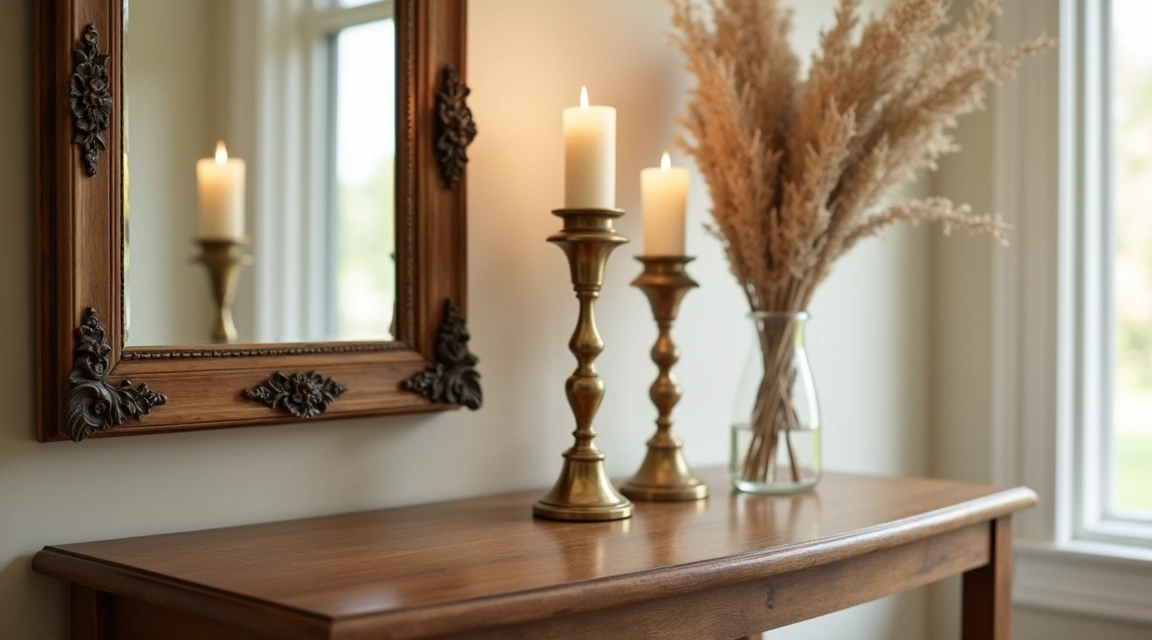
Brass cabinet hardware has enjoyed centuries of popularity in interior design, and today’s market offers an impressive range of styles that suit everything from traditional farmhouses to sleek contemporary kitchens. Whether you’re renovating a historic property or updating builder-grade cabinetry, understanding the distinct characteristics of brass hardware styles helps you make choices that enhance both function and aesthetics. This guide examines the major brass cabinet hardware styles, compares their defining features, and explains which approach best serves different design goals.
Understanding Brass Hardware Style Categories
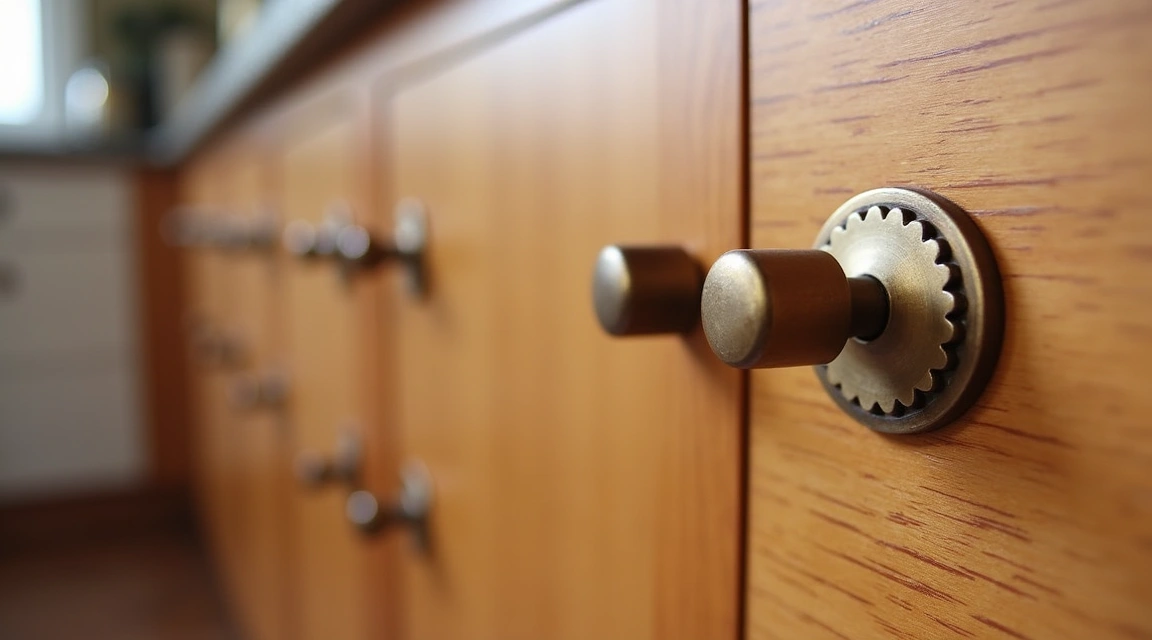
Brass cabinet hardware falls into several distinct style families, each with recognizable visual cues and historical origins. Traditional brass hardware typically features ornate detailing, curved profiles, and decorative flourishes such as beading, rope twists, or shell motifs. These pieces often draw inspiration from Georgian, Victorian, or French provincial design periods and work particularly well in formal dining rooms, classic kitchens, and spaces that celebrate historical architectural details.
Transitional brass hardware bridges the gap between traditional ornamentation and modern simplicity. These pieces maintain clean lines and understated profiles while incorporating warm brass tones and subtle detailing. Transitional styles often feature simple cup pulls, bar handles with minimal backplates, or knobs with geometric shapes rather than elaborate flourishes. This category has gained significant traction in recent years as homeowners seek hardware that complements both classic cabinetry and updated color palettes.
Contemporary brass hardware emphasizes geometric forms, linear profiles, and minimal embellishment. T-bar pulls, square knobs, and sleek edge pulls in brushed or matte brass finishes dominate this category. These modern interpretations of brass hardware pair exceptionally well with flat-panel cabinets, handleless kitchen designs with integrated pulls, and spaces where metal finishes serve as intentional accent elements rather than purely functional components.
Vintage and antique-inspired brass hardware recreates the patina and character of aged brass pieces. These styles often feature deliberately distressed finishes, reproduction apothecary labels, bin pulls reminiscent of old libraries or workshops, and ornate backplates that evoke turn-of-the-century craftsmanship. Collectors and restoration enthusiasts particularly value these pieces for period-appropriate renovations and spaces that celebrate salvaged or reclaimed materials.
Comparing Key Brass Hardware Styles
| Style | Defining Features | Best Suited For | Cabinet Types |
|---|---|---|---|
| Traditional Ornate | Curved backplates, decorative beading, rope twists, shell motifs | Formal spaces, historic homes, raised-panel cabinets | Inset cabinets, beaded face frames, furniture-style cabinetry |
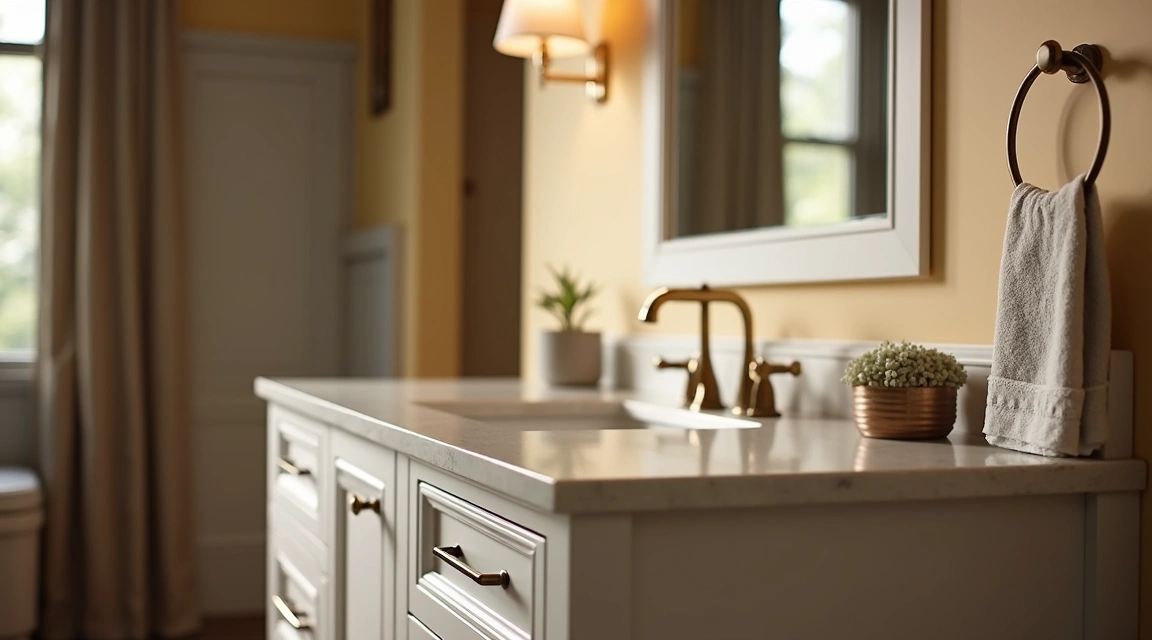
| Transitional | Clean lines, subtle detailing, simple cup pulls, minimal backplates | Updated traditional kitchens, versatile spaces, mixed-era interiors | Shaker cabinets, recessed-panel doors, partial overlay construction |
| Contemporary Geometric | T-bars, square knobs, linear profiles, brushed or matte finishes | Modern kitchens, minimalist spaces, flat-panel designs | Frameless cabinets, slab doors, integrated handle profiles |
| Vintage Apothecary | Bin pulls, distressed patina, label holders, reproduction detailing | Period renovations, eclectic interiors, library or workshop aesthetics | Drawers, vintage furniture, repurposed cabinetry |
Each style category serves distinct aesthetic and practical purposes. Traditional ornate brass hardware adds visual weight and formality, making it ideal for spaces where cabinetry functions as a focal point. The intricate detailing on these pieces catches light beautifully and provides generous grip surfaces, though the complexity can make cleaning more time-intensive in high-use areas.
Transitional brass hardware offers the most flexibility across design contexts. Because these pieces avoid strong stylistic commitments in either direction, they accommodate changing decor trends and work alongside both painted and stained cabinetry. Homeowners who anticipate evolving their interior style over time often find transitional hardware provides the longest useful life without appearing dated.
Contemporary geometric brass hardware makes a deliberate design statement. The bold lines and minimalist forms create striking contrast against light cabinetry and contribute to a cohesive modern aesthetic when paired with other linear elements such as subway tile, horizontal grain patterns, or angular light fixtures. However, these pieces may feel out of place in homes with traditional architectural detailing or period-specific design commitments.
Vintage apothecary-style brass hardware appeals to those seeking character and narrative in their space. The deliberately aged appearance adds instant history to new cabinetry and complements salvaged or reclaimed materials throughout a room. These pieces work particularly well on drawer fronts where the horizontal orientation of bin pulls aligns naturally with drawer operation.
Choosing Brass Hardware by Design Intent
Selecting the right brass hardware style begins with understanding your space’s existing architectural character and your functional requirements. For kitchens with raised-panel cabinets, crown molding, and traditional proportions, ornate brass hardware with backplates and decorative detailing reinforces the formal aesthetic. Consider pieces with substantial visual presence on tall pantry doors and upper cabinets where hardware becomes part of the vertical sightline.
In kitchens that blend old and new elements—perhaps combining vintage-inspired tile with modern appliances, or pairing Shaker cabinets with contemporary lighting—transitional brass hardware provides the necessary flexibility. Simple cup pulls on drawers and understated bar pulls on doors allow the brass finish to warm the space without competing with other design features. This approach works especially well when you want brass accents without committing to a single historical period.
Contemporary spaces with flat-panel cabinets, minimal trim, and open layouts benefit from geometric brass hardware that complements clean lines throughout the room. T-bar pulls in brushed brass create horizontal emphasis that visually widens cabinetry runs, while edge pulls integrated into cabinet doors maintain the sleek, uninterrupted surfaces that define modern design. For those interested in exploring additional cabinet hardware options beyond brass, consider how mixed metal finishes might complement your overall design strategy.
Period renovations and vintage-inspired spaces call for brass hardware that respects historical accuracy while meeting modern quality standards. Reproduction apothecary pulls, library-style label holders, and deliberately patinated finishes add authentic character to restoration projects. When working with antique cabinetry or furniture pieces repurposed as bathroom vanities or kitchen islands, matching the hardware style to the piece’s original era maintains design integrity.
Practical Considerations Beyond Style
While aesthetic appeal drives initial hardware selection, practical factors significantly impact long-term satisfaction. Brass naturally develops patina over time, and different finishes age at different rates. Unlacquered or living brass hardware develops a rich, varied patina that many homeowners prize for its organic character. However, this natural aging process may appear uneven in its early stages, particularly in kitchens where cabinet doors near the sink receive more frequent handling than those near the refrigerator.
Lacquered brass maintains its original brightness longer but may show wear at high-contact points where the protective coating gradually breaks down. Brushed, satin, or matte brass finishes camouflage fingerprints and minor surface variations better than polished brass, making them practical choices for busy households with children or for rentals where maintenance time matters.
Hardware scale must match cabinet proportions and door dimensions. Small knobs disappear on large pantry doors, while oversized pulls overwhelm delicate cabinet fronts on vintage furniture pieces. As a general guideline, pulls between three and five inches suit standard drawer fronts, while pulls between five and twelve inches work for cabinet doors depending on door width and visual weight. When in doubt, purchase a single piece to test at home before committing to quantities needed for an entire kitchen or bathroom.
Installation requirements vary by style. Traditional brass hardware with decorative backplates may require more precise placement to ensure the backplate sits flush against raised-panel detailing. Contemporary edge pulls often demand router work to create recessed mounting channels, making them less suitable for DIY installations. Simple knobs and basic pulls with standard mounting holes offer the most installation flexibility and the easiest replacement options if you change your mind later.
Mixing Brass Styles Within a Space
Combining multiple brass hardware styles within a single room requires intentional strategy rather than random selection. Many successful kitchen designs use one hardware style for upper cabinets and a different but complementary style for base cabinets or drawers. For example, simple brass knobs on upper cabinet doors paired with cup pulls or bar pulls on lower drawers creates visual hierarchy while maintaining finish consistency.
Another effective approach designates special-function cabinets for unique hardware treatments. A vintage apothecary pull might distinguish a spice drawer, while standard transitional pulls handle general cabinetry. This method works particularly well when the special piece has historical significance, exceptional craftsmanship, or serves as a small jewelry moment within the larger design.
When mixing brass hardware styles, maintain consistent finish across all pieces even as form varies. Brushed brass knobs and brushed brass pulls create visual cohesion despite shape differences, while mixing polished brass with unlacquered brass introduces finish variation that can appear unintentional rather than designed. The exception comes in curated vintage collections where slight patina variation adds to the collected-over-time aesthetic.
Making Your Final Selection
Brass cabinet hardware represents a meaningful investment in your space’s functionality and character. Traditional ornate styles suit formal interiors and period renovations where architectural detailing deserves hardware that matches its craftsmanship level. Transitional brass hardware serves spaces that value flexibility and timeless appeal over trend-driven statements. Contemporary geometric pieces belong in modern environments where clean lines and minimal embellishment define the aesthetic vision. Vintage apothecary styles add instant history and narrative to eclectic spaces, curated collections, and renovations that celebrate age and patina.
Before finalizing your hardware selection, request samples to evaluate finish quality, weight, and feel in your hand. Quality brass hardware has substantial heft, smooth edges, and finishes that appear even under close inspection. The best hardware choice balances your aesthetic preferences with practical considerations such as maintenance requirements, installation complexity, and how the brass finish will age in your specific environment. By understanding the distinct characteristics of each brass hardware style, you can select pieces that enhance your cabinetry’s beauty while serving your household’s daily needs for years to come.