
Cabinet hardware serves as the jewelry of kitchen and bath design, and traditional pull styles continue to hold remarkable relevance even as interior design trends evolve. While contemporary minimalism and sleek modern aesthetics dominate many conversations about 2026 design directions, classic cabinet pulls remain foundational elements that bridge timeless appeal with current sensibilities. Understanding where these traditional styles fit within today’s design landscape helps homeowners and designers make choices that honor heritage while staying fresh and relevant.
Traditional cabinet pulls encompass a range of styles developed over centuries of furniture craftsmanship, from ornate Victorian designs to refined Colonial simplicity. These pieces carry historical weight and craftsmanship details that modern interpretations often reference. The enduring appeal of traditional hardware stems from its ability to add character, warmth, and a sense of permanence to spaces that might otherwise feel transient or impersonal.
The Enduring Appeal of Classic Pull Designs
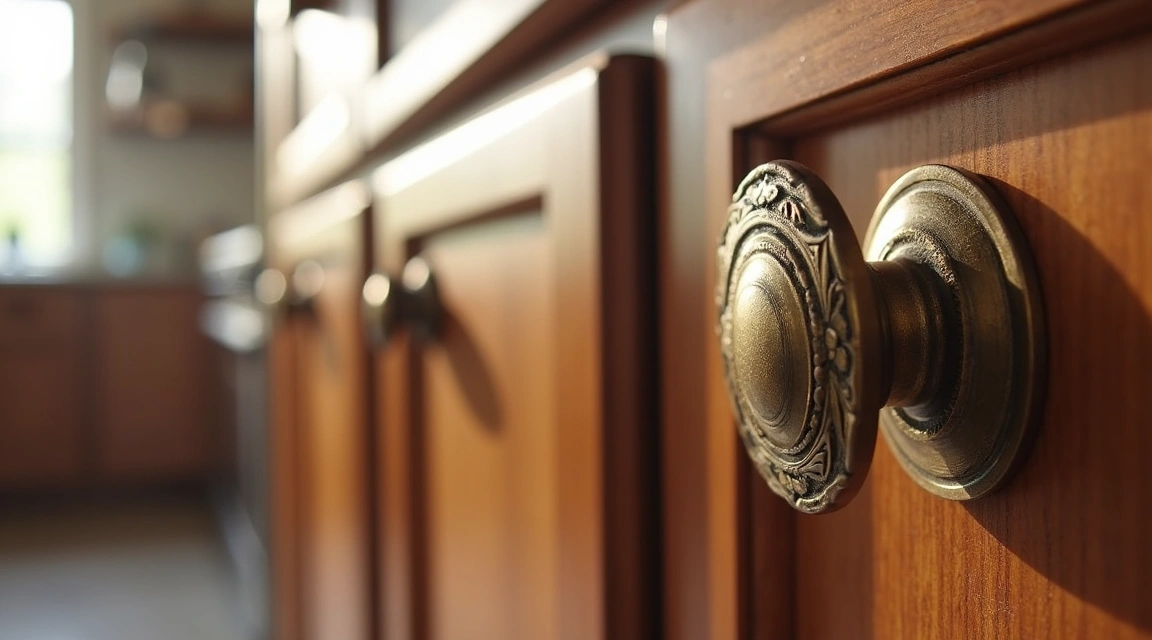
Traditional cabinet pulls typically feature characteristics that distinguish them from contemporary counterparts: substantial weight, detailed ornamentation, antique or brushed finishes, and materials like solid brass or bronze. Cup pulls, bin pulls, and bail pulls represent some of the most recognizable traditional styles, each with distinct origins and applications.
Cup pulls, also known as bin pulls, originated in apothecary and library furniture where drawers required frequent opening. Their recessed design protects clothing from snags and provides a comfortable grip. The semi-circular profile creates subtle shadows that add depth to flat cabinet surfaces, making them particularly effective in traditional kitchen designs where cabinetry may lack other decorative elements.
Bail pulls feature a curved handle suspended between two posts, creating an elegant arc that invites the hand. This style traces back to colonial American furniture and remains popular for its graceful profile and substantial feel. The space between the bail and backplate provides excellent ergonomics for drawer operation, especially on deeper or heavier drawers common in traditional kitchen layouts.
Ornate knobs and pulls with botanical motifs, rope detailing, or architectural elements reflect Victorian and Edwardian design sensibilities. While these highly decorative pieces can overwhelm minimalist spaces, they provide essential character in period-appropriate renovations and homes with traditional architectural details like crown molding, wainscoting, or coffered ceilings.
The current design climate shows renewed appreciation for these traditional forms, but often with subtle updates. Designers are selecting classic pull shapes in finishes that feel less overtly antique—brushed brass instead of heavily antiqued bronze, for instance—or pairing traditional hardware with unexpected cabinet colors and materials. This approach honors the past without replicating it wholesale.
Where Traditional Hardware Fits in Current Design Trends
Contemporary interior design increasingly embraces eclecticism and personal expression over rigid adherence to single style categories. This shift creates natural opportunities for traditional cabinet pulls to integrate into diverse settings. Several current trends specifically support the inclusion of classic hardware styles.
The movement toward warmth and character in kitchen design represents a significant departure from the stark minimalism that dominated the previous decade. Homeowners are seeking spaces that feel collected and lived-in rather than showroom-perfect. Traditional cabinet pulls contribute to this aesthetic by introducing handcrafted details and material richness that contrast beautifully with clean-lined cabinetry and modern appliances.
Mixed metal finishes have become standard practice rather than a design violation, allowing traditional brass or bronze pulls to coexist with stainless appliances and contemporary light fixtures. This flexibility means homeowners need not commit to a single finish throughout their space, opening doors for incorporating heritage-style hardware even in predominantly modern kitchens.
The return of color in cabinetry—particularly deep greens, navy blues, and warm earth tones—provides an ideal backdrop for traditional hardware. These rich hues echo the palette of historic interiors where brass and bronze hardware originally flourished. A simple bin pull in aged brass can elevate a painted cabinet from merely colorful to genuinely sophisticated.
Transitional design, which blends traditional and contemporary elements, relies heavily on strategic hardware selection. Traditional pulls often serve as the primary traditional element in otherwise modern spaces, providing just enough historical reference to create visual interest without overwhelming the clean lines that characterize transitional style. This approach works particularly well in open-concept homes where the kitchen must harmonize with adjacent living spaces that may lean more contemporary.
The artisan and handcrafted movement has elevated appreciation for hardware that shows marks of human craftsmanship rather than machine precision. Traditional cabinet pulls, especially those from manufacturers who maintain heritage casting and finishing techniques, align perfectly with this values-driven trend. Consumers increasingly seek products with provenance and story, and traditional hardware designs offer both in abundance.
For those exploring different cabinet hardware options, understanding how traditional styles interact with modern design principles helps narrow choices to pieces that will remain satisfying for years.
Practical Considerations for Selecting Traditional Pulls
Choosing traditional cabinet hardware requires balancing aesthetic preference with functional requirements and long-term satisfaction. Several practical factors deserve attention during the selection process.
Scale and proportion matter enormously. A delicate Victorian pull that looks perfect in a photo may disappear on substantial Shaker-style cabinet doors. Conversely, oversized bail pulls can overwhelm small drawer fronts or create awkward spacing issues. Most designers recommend pulls measuring 3 to 4 inches center-to-center for standard drawer and door widths, with larger pulls reserved for wide drawers and pantry doors.
Finish durability varies significantly among traditional hardware options. Living finishes—those designed to develop patina over time—suit homeowners who appreciate evolving character, while sealed finishes maintain consistent appearance with minimal maintenance. Understanding your tolerance for change and your cleaning habits helps guide finish selection. Brass and bronze naturally patina unless lacquered, while pewter and certain iron finishes require occasional conditioning to prevent corrosion.
Installation requirements deserve consideration, particularly in remodeling projects. Traditional pulls with larger backplates may not align with existing mounting holes, requiring drilling or filling and refinishing. Some homeowners embrace this as an opportunity to upgrade the entire hardware suite, while others prefer replacements that work with existing configurations.
Ergonomics and daily function should influence style selection. Ornate pulls with intricate detailing may look beautiful but can be uncomfortable for frequent use or difficult to clean. Families with young children or elderly members should prioritize pulls with smooth, easy-to-grasp profiles. Cup pulls and simple bail pulls generally offer superior ergonomics compared to highly decorative options.
Budget considerations extend beyond initial purchase price. Quality traditional hardware represents an investment that can last decades, while inexpensive reproductions may require replacement within a few years due to finish deterioration or structural failure. Authentic brass and bronze pulls cost more initially but often prove more economical over the life of the cabinetry. That said, several manufacturers now offer well-made traditional styles at accessible price points by using brass-plated zinc or stainless steel rather than solid brass.
Comparison of Traditional Pull Styles and Applications
| Pull Style | Best Applications | Design Period | Typical Finishes | Ergonomic Rating |
|---|---|---|---|---|
| Cup/Bin Pulls | Drawers, lower cabinets, kitchen islands | Colonial to Victorian | Brass, bronze, pewter | Excellent |
| Bail Pulls | Drawers, furniture-style cabinets | Colonial to Federal | Polished brass, antique brass, bronze | Excellent |
| Ring Pulls | Accent pieces, small drawers, bathroom vanities | Medieval to Victorian | Iron, bronze, antique brass | Good |
| Ornate Botanical | Traditional kitchens, period homes, statement pieces | Victorian to Edwardian | Antiqued bronze, oil-rubbed bronze | Fair to Good |
| Simple Bar Pulls | Transitional spaces, modern farmhouse | Arts & Crafts to Modern | Brushed brass, satin nickel, bronze | Excellent |
| Backplate Pulls | Doors, decorative applications, statement cabinets | Victorian to Art Deco | Polished nickel, brass, bronze | Good |
Strategic Integration With Modern Elements
Successfully incorporating traditional cabinet pulls into contemporary settings requires thoughtful composition rather than random placement. Several strategies help achieve cohesive results.
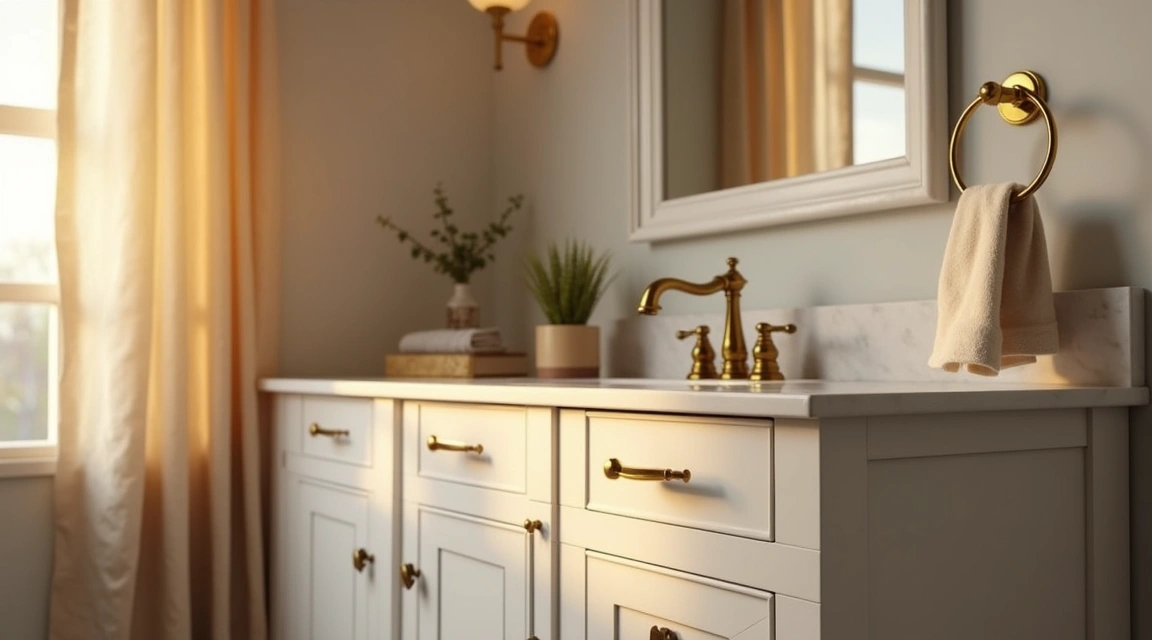
Repeating the metal finish in other fixtures creates visual connection. If you select aged brass cup pulls for kitchen cabinets, introducing brass accents in lighting fixtures, faucets, or even picture frames throughout adjacent spaces establishes intentionality. This doesn’t require matching every metal surface, but creating a rhythm of similar tones prevents the hardware from appearing isolated or arbitrary.
Balancing ornate and simple elements prevents visual overload. If your cabinet pulls feature detailed ornamentation, keep surrounding elements relatively clean-lined. Conversely, simple traditional pulls can anchor busier environments with patterned tile, textured walls, or decorative range hoods.
Considering the entire room composition helps determine appropriate hardware scale and style. In kitchens with substantial crown molding, thick countertops, and furniture-style islands, more elaborate traditional pulls feel proportionate and appropriate. In spaces with streamlined profiles and minimal architectural detail, simpler traditional forms like clean cup pulls or understated bail pulls integrate more naturally.
Limiting the number of hardware styles maintains coherence. Most designers recommend using no more than two or three different pull or knob styles throughout a single kitchen—perhaps one style for drawers, another for doors, and possibly a third for specialty cabinets. This restraint prevents the space from feeling chaotic while still allowing for variation and interest.
Testing hardware in situ before committing provides valuable perspective. Many suppliers offer samples or have lenient return policies. Temporarily installing sample pulls on your actual cabinetry under your specific lighting conditions reveals how the hardware interacts with paint color, wood grain, and surrounding finishes—details impossible to assess from catalog photos or showroom displays.
Conclusion
Traditional cabinet pull styles occupy a vital position in current design trends, serving as tangible links to craftsmanship traditions while adapting to contemporary aesthetic sensibilities. Rather than conflicting with modern design directions, classic hardware styles complement current movements toward warmth, eclecticism, and personal expression in interior spaces. The key to successful integration lies in thoughtful selection—considering scale, finish, ergonomics, and overall composition—rather than rigid adherence to period-correct choices.
As design continues evolving away from sterile minimalism toward spaces with character and soul, traditional cabinet pulls offer accessible ways to introduce handcrafted quality and historical resonance. Whether you’re renovating a period home, creating a transitional kitchen, or simply seeking hardware that transcends fleeting trends, classic pull styles provide enduring options that enhance daily function while contributing visual interest. The most successful applications honor the integrity of traditional designs while embracing the freedom to mix, adapt, and personalize that defines contemporary interior design.