
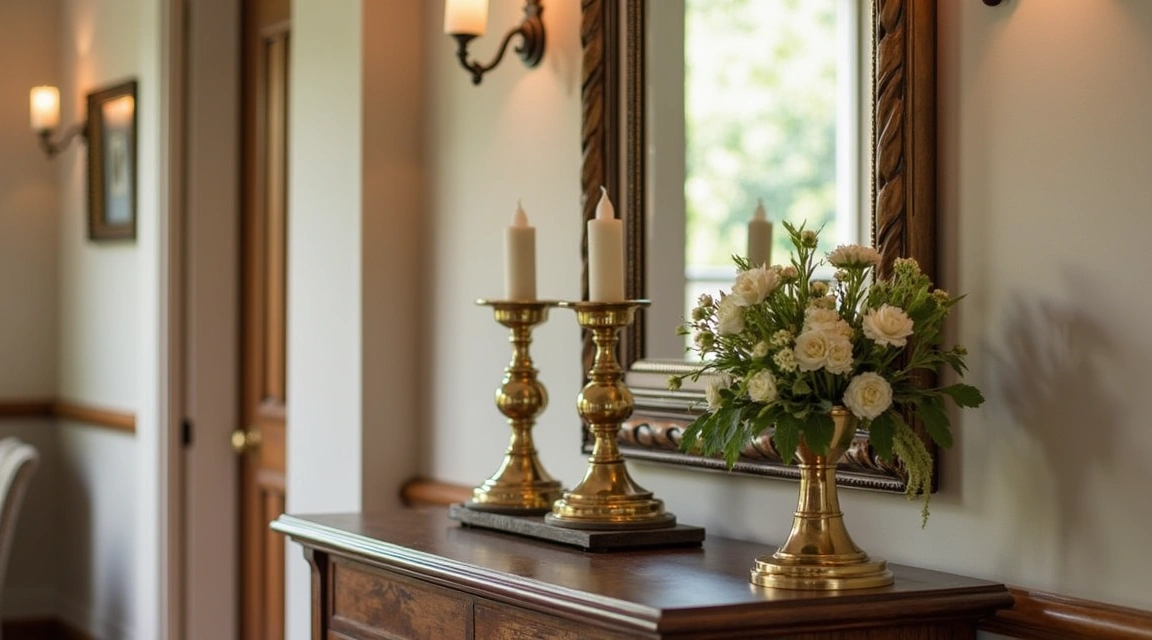
Brass hardware has experienced a remarkable resurgence in interior design, transforming ordinary rooms into spaces that exude timeless elegance and warmth. Yet despite its growing popularity, many homeowners make critical missteps when selecting brass fixtures for classic interiors. These errors can result in mismatched aesthetics, premature tarnishing, or installations that fail to complement the architectural character of period homes. Understanding the common pitfalls in brass hardware selection is essential for anyone seeking to honor traditional design principles while ensuring lasting beauty and functionality.
Whether you’re restoring a Victorian-era residence, updating a Colonial-style home, or simply incorporating classic design elements into a contemporary space, the devil truly lies in the details. Brass hardware serves as the jewelry of your interior architecture, and choosing poorly can undermine even the most carefully planned design scheme. This guide identifies the most frequent mistakes buyers make and provides practical solutions to help you navigate the brass hardware market with confidence.
Confusing Brass Finishes and Their Appropriate Applications
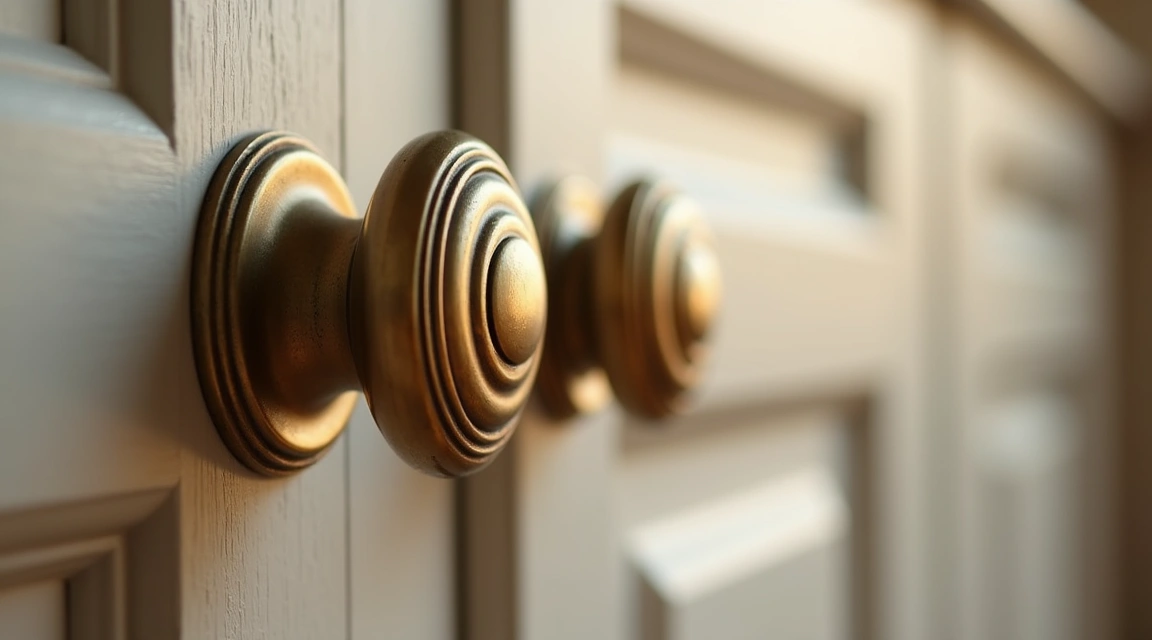
One of the most prevalent mistakes in brass hardware selection involves misunderstanding the distinctions between various brass finishes. Polished brass, satin brass, antique brass, unlacquered brass, and oil-rubbed bronze each possess unique characteristics that suit different design contexts and maintenance requirements. Many buyers choose based solely on initial appearance without considering how the finish will age or whether it aligns with their interior’s historical period.
Polished brass delivers a bright, reflective golden surface that works beautifully in formal settings and Georgian or Federal-style interiors. However, this finish requires regular maintenance to prevent tarnishing, and most polished brass hardware comes with a protective lacquer coating that will eventually wear through. When buyers fail to recognize this reality, they become frustrated when their gleaming fixtures begin to show dark spots and uneven patina within a year or two.
Unlacquered brass, conversely, is designed to develop a natural patina over time. This living finish evolves with exposure to air and touch, creating character that many designers prize in historic restoration projects. The critical error occurs when homeowners purchase unlacquered brass expecting it to remain bright and uniform. This finish demands a philosophical acceptance of change—it tells the story of your home’s daily life. For classic interiors seeking authenticity, particularly in Colonial, Arts and Crafts, or Tudor Revival settings, unlacquered brass often represents the most historically appropriate choice.
Antique brass and oil-rubbed bronze finishes present their own challenges. These darkened, aged-looking finishes are frequently applied through chemical or mechanical processes to new hardware. While they can beautifully complement traditional interiors, buyers sometimes select them without verifying whether the finish is applied or authentic. Applied finishes may wear unevenly, particularly on high-touch areas like door levers and cabinet pulls, revealing the bright brass beneath and creating an unintentionally patchy appearance.
The solution lies in asking detailed questions before purchasing. Request information about whether the finish is lacquered, the expected patina development, and the manufacturer’s recommendations for cleaning and maintenance. For guidance on selecting appropriate finishes for different classic interior styles, explore our comprehensive Brass Hardware Buying Guides section.
Ignoring Period-Appropriate Design Details
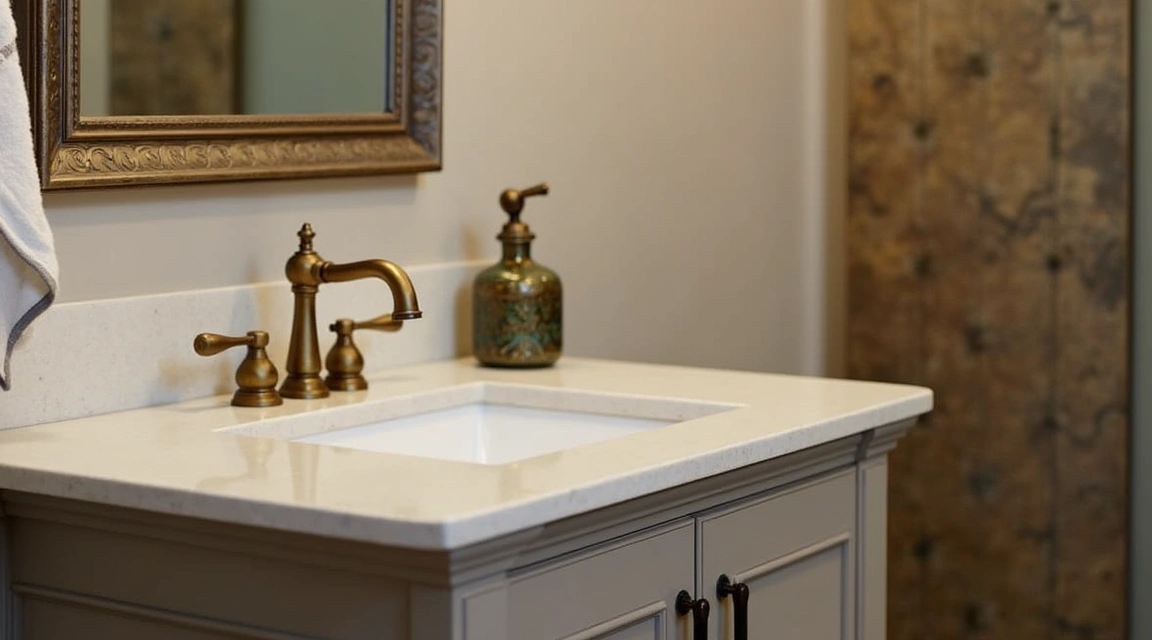
Another significant mistake involves selecting brass hardware that conflicts with the architectural period of the interior. Classic design encompasses multiple distinct eras—Georgian, Victorian, Arts and Crafts, Art Deco, Mid-Century Traditional—each with specific hardware characteristics regarding proportion, ornamentation, and mounting style. Mixing these elements indiscriminately creates visual discord that undermines the cohesive aesthetic classic interiors require.
Georgian and Federal-style homes, for instance, typically feature brass hardware with restrained ornamentation, classical motifs such as acanthus leaves or rosettes, and symmetrical designs. Door handles often include back plates with balanced proportions, and cabinet hardware tends toward simple round knobs or bail pulls with delicate detailing. A common error involves installing overly ornate Victorian-style hardware in these earlier period homes, creating an anachronistic effect that design professionals immediately recognize as inappropriate.
Victorian interiors, by contrast, embrace more elaborate decoration. Brass hardware from this era often displays intricate patterns, naturalistic motifs including flowers and vines, and asymmetrical designs influenced by the Gothic Revival and Aesthetic movements. Installing minimalist mid-century hardware in a Victorian context strips away the period character these homes were designed to express.
Arts and Crafts interiors present their own specific requirements. Hardware from this movement emphasizes handcrafted appearance, visible hammering or tooling marks, simple geometric forms, and a rejection of mass-produced uniformity. Highly polished, machine-perfect brass contradicts the philosophical foundations of Arts and Crafts design. Homeowners frequently make the mistake of selecting pristine brass hardware for Craftsman-style homes when they should be seeking pieces with intentional irregularities and hand-worked character.
Before purchasing brass hardware, research the specific period your classic interior represents. Examine historical examples through architectural preservation resources, period home museums, and specialized hardware suppliers who provide historically accurate reproductions. Consider consulting with a preservation architect or qualified interior designer familiar with period-appropriate materials when undertaking significant restoration projects.
Underestimating Quality Differences and Long-Term Value
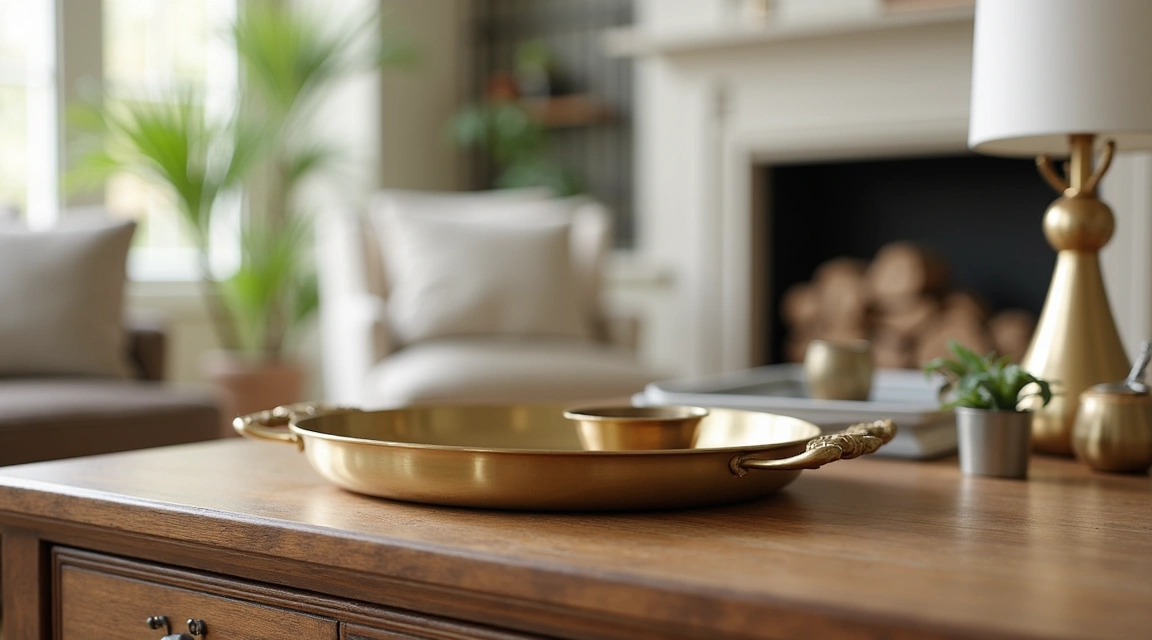
Perhaps the costliest mistake in brass hardware selection involves prioritizing initial price over long-term quality. The market offers brass hardware at dramatically different price points, and the temptation to save money by choosing economy-grade products often results in disappointing performance, premature failure, and eventual replacement costs that exceed the price of quality hardware purchased initially.
Genuine solid brass hardware differs fundamentally from brass-plated alternatives. Solid brass is forged or cast from brass alloy throughout the entire piece, providing weight, durability, and the ability to refinish if desired. Brass-plated hardware consists of a base metal—typically zinc alloy or steel—with a thin brass coating applied to the surface. This plating wears through with regular use, exposing the base metal and creating an irreversibly degraded appearance.
The weight test provides a simple quality indicator. Solid brass hardware possesses substantial heft that immediately distinguishes it from lightweight plated alternatives. When examining cabinet pulls, door handles, or hinges, compare the weight of similar-sized pieces from different manufacturers. The heavier option typically indicates superior brass content and construction quality.
Internal mechanisms represent another critical quality differentiator that buyers frequently overlook. Door locks, latches, and lever sets contain springs, pins, and moving parts that determine functionality and longevity. Economy hardware often incorporates plastic internal components that fail relatively quickly, while quality manufacturers use brass or stainless steel internals engineered for decades of smooth operation. Classic interiors deserve hardware that will function reliably for generations, not pieces requiring replacement every few years.
Manufacturing precision also varies significantly across price ranges. Well-made brass hardware features tight tolerances, smooth operation, secure fastening systems, and thoughtful design details such as reinforced mounting points and properly balanced levers. Inexpensive alternatives may look acceptable upon installation but develop problems—sticking latches, loose knobs, misaligned strikers—that become increasingly frustrating over time.
When budgeting for brass hardware, calculate the cost per year of expected use rather than simply the initial purchase price. Quality solid brass hardware from reputable manufacturers may cost three to five times more than economy alternatives, but if it lasts thirty years instead of five, the long-term value proposition clearly favors the higher-quality choice. For classic interiors where authenticity and longevity matter, investing in superior brass hardware represents wise stewardship.
Overlooking Finish Compatibility Across Different Hardware Types
A subtle but important mistake involves assuming that all brass finishes labeled identically will match when purchased from different manufacturers or product lines. Brass finish standards are not universally consistent across the hardware industry. What one company calls “antique brass” may appear noticeably different from another manufacturer’s interpretation of the same finish name. This inconsistency creates problematic visual mismatches when homeowners combine cabinet hardware, door hardware, and decorative accessories from various sources.
The brass alloy composition itself varies among manufacturers. Traditional brass contains copper and zinc in specific proportions, but the exact ratio affects the resulting color. Some brass alloys produce warmer, more golden tones, while others appear cooler with subtle greenish or reddish undertones. These color variations become apparent when different brass items are installed adjacent to one another in the same room.
Patina development on unlacquered brass also proceeds differently depending on alloy composition, exposure conditions, and handling patterns. Two unlacquered brass door handles installed side by side may develop distinctly different patinas if one receives more direct sunlight or more frequent touching. While some variation adds authentic character, dramatically different aging patterns can appear unintentional and distracting.
To avoid finish compatibility problems, purchase all brass hardware for a single room—or ideally, for your entire home—from the same manufacturer and product line whenever possible. Request physical samples before placing large orders, and examine them together under the lighting conditions where they will be installed. Natural daylight reveals color and finish subtleties that artificial lighting may obscure.
When exact matches prove impossible, strategic placement can minimize visual discord. Use the closest matching finishes on hardware within the same sight lines, and reserve slightly different finishes for locations that won’t be viewed simultaneously. This approach acknowledges practical realities while maintaining the cohesive appearance classic interiors require.
Comprehensive Planning Guide for Brass Hardware Selection
| Decision Factor | Common Mistake | Recommended Approach |
|---|---|---|
| Finish Selection | Choosing based solely on initial appearance without considering aging characteristics | Understand patina development, maintenance requirements, and period appropriateness before purchasing |
| Period Authenticity | Installing hardware that conflicts with the architectural era of the interior | Research specific design characteristics of your home’s period and select accordingly |
| Material Quality | Selecting brass-plated hardware to save money initially | Invest in solid brass for longevity and refinishing capability in classic interiors |
| Finish Consistency | Mixing manufacturers without verifying color compatibility | Purchase from a single product line and request physical samples before ordering |
| Mechanical Components | Ignoring internal mechanisms and focusing only on exterior appearance | Verify that latches, springs, and moving parts use durable materials engineered for longevity |
| Quantity Planning | Underestimating needs and making multiple small orders | Inventory all hardware requirements before purchasing to ensure availability and consistency |
Making Informed Brass Hardware Decisions
Successfully selecting brass hardware for classic interiors requires more than aesthetic preference—it demands understanding of historical design principles, finish characteristics, quality indicators, and long-term performance expectations. The mistakes outlined in this guide represent the most common pitfalls that undermine otherwise thoughtful restoration and design projects. By recognizing these errors before making purchases, you position yourself to create interiors with authentic character and enduring beauty.
The brass hardware market offers extraordinary diversity, from faithful historical reproductions to contemporary interpretations of classic styles. This abundance provides wonderful opportunities but also increases the potential for mismatched selections. Approach your brass hardware decisions with patience, thorough research, and willingness to invest in quality. Request samples, ask detailed questions about finish composition and aging characteristics, and prioritize period appropriateness over passing trends.
Remember that brass hardware serves both functional and decorative roles. Every door handle, cabinet pull, and window latch contributes to your daily interaction with your living spaces while simultaneously expressing design values and historical continuity. Choosing well means selecting pieces that will perform reliably for decades while growing more beautiful with age—the hallmark of truly classic design. Avoid the common mistakes discussed here, and your brass hardware will enhance your classic interior for generations to come.