
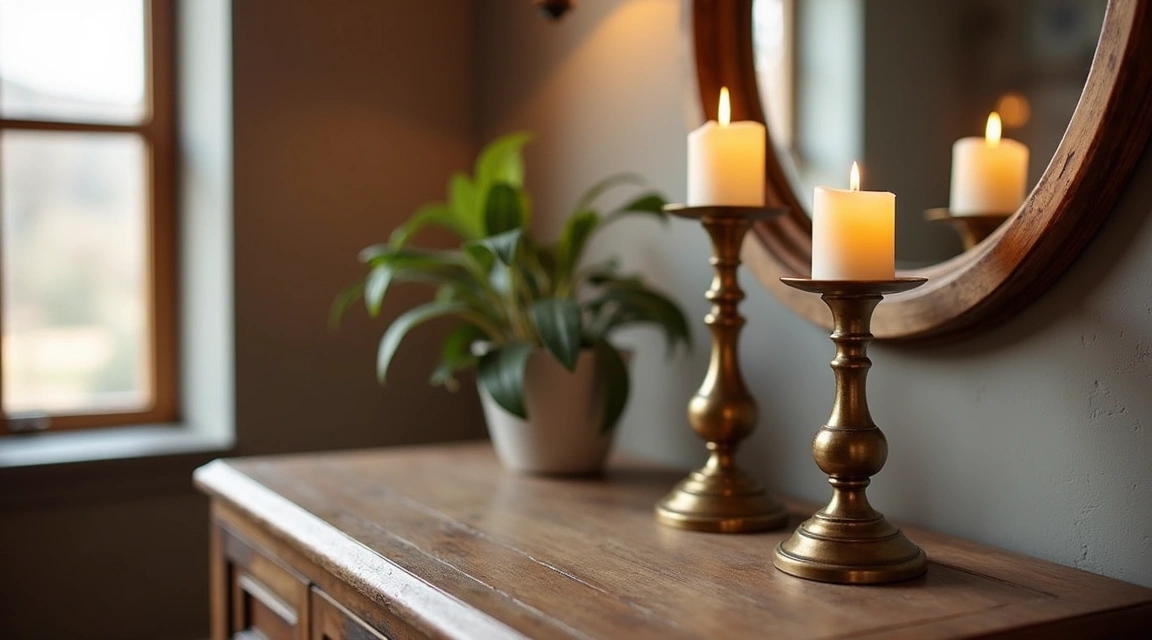
Antique hardware can transform a piece of furniture or a room, adding character and authenticity that new reproductions often cannot match. Whether you are restoring a vintage dresser, renovating a period home, or simply drawn to the craftsmanship of bygone eras, choosing the right antique hardware requires careful consideration. Before you commit to a purchase, asking the right questions will help you avoid costly mistakes and ensure you select pieces that meet your needs. This guide walks you through the essential questions to ask before you decide on antique hardware.
Understanding What You Need Before You Shop
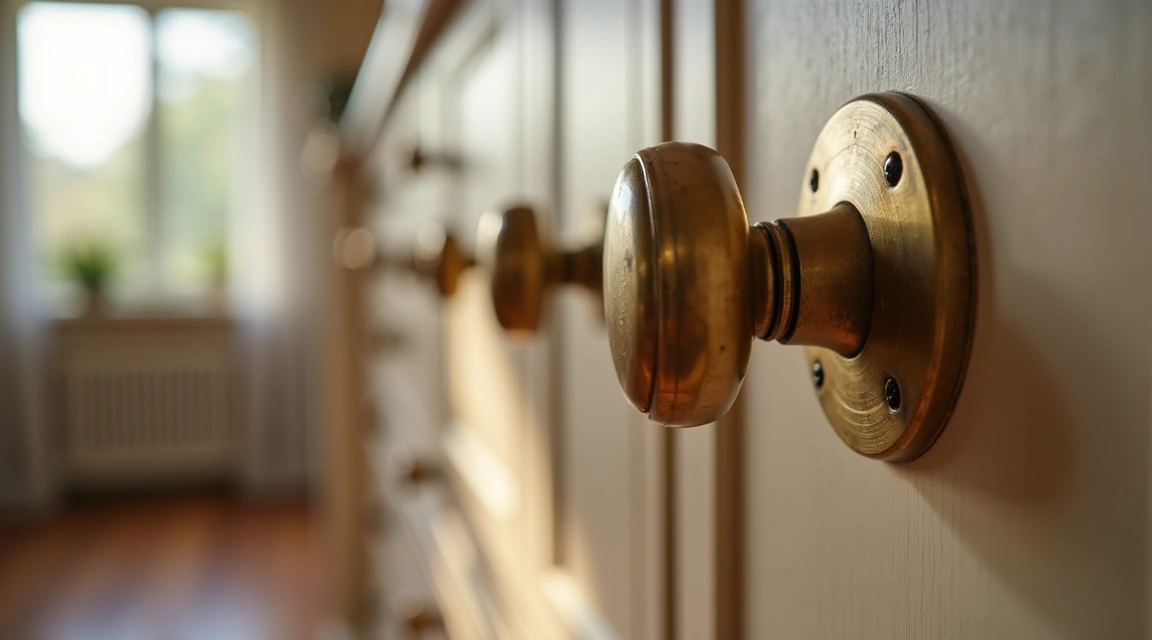
The first step in selecting antique hardware is clarifying your project requirements. Start by measuring the existing holes, mounting points, and dimensions of the furniture or door where the hardware will be installed. Write down the distance between screw holes, the diameter of knobs, and the projection depth of pulls. Antique pieces rarely follow modern standardized measurements, so precise documentation prevents disappointment when your beautiful find does not fit.
Consider the function of the hardware. A decorative knob on a jewelry box experiences different stress than a heavy door pull that will be used multiple times daily. Understanding the weight, frequency of use, and mechanical demands helps you evaluate whether a piece is structurally sound enough for your purpose. Delicate cast iron from the Victorian era may look stunning but could be too fragile for a frequently opened cabinet door.
Think about the finish and patina you want. Some buyers prize the aged look of original finishes, while others prefer polished or refinished pieces. Knowing your preference in advance helps you ask targeted questions about the condition and any restoration work already performed. Original finishes often add historical value but may show wear, tarnish, or corrosion that affects both appearance and function.
Caution: Never assume antique hardware will fit modern standard measurements. Always verify dimensions and hole spacing before purchasing, as modifications to furniture or doors can be difficult and may reduce the value of antique pieces.
Step 1: Verify Authenticity and Age
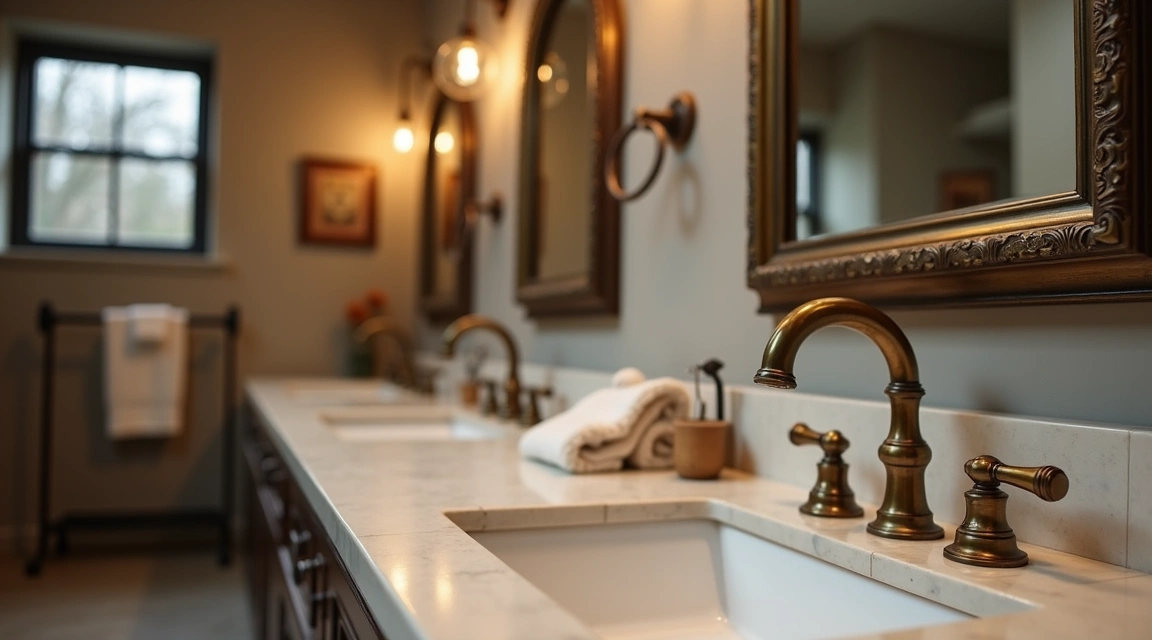
Ask the seller to provide information about the age and origin of the hardware. Genuine antique pieces typically show signs of hand craftsmanship, such as slight irregularities in casting, hand-filed edges, or tool marks that machine-made reproductions lack. Request details about how the seller determined the age, whether through maker’s marks, construction methods, or provenance documentation.
Examine any marks, stamps, or signatures on the hardware. Many manufacturers from the late nineteenth and early twentieth centuries marked their products with company names, patent dates, or country of origin. Research these marks before purchasing to confirm they match the claimed period and maker. Be aware that some marks were used for decades, so a patent date indicates when the design was registered, not necessarily when your specific piece was made.
Request close-up photographs if shopping online, or bring a magnifying glass if viewing in person. Look for wear patterns consistent with genuine age and use. Authentic antique hardware shows wear in logical places such as finger contact points on knobs or the underside of pulls where hands gripped them. Artificial aging techniques used on reproductions often create uniform distressing that does not match natural use patterns.
Caution: Reproductions and “antique-style” hardware flood the market and can be difficult to distinguish from genuine pieces. If authenticity matters for your project or collection, consider consulting with an expert or purchasing from reputable dealers who specialize in Antique Hardware and offer authenticity guarantees.
Step 2: Assess Physical Condition and Integrity

Inquire about any damage, repairs, or structural weaknesses. Ask specifically whether the hardware has cracks, breaks, missing pieces, or previous repair attempts. Metal fatigue, corrosion, and stress fractures are common in antique hardware, especially in pieces that were heavily used or improperly stored. A hairline crack in a decorative element may be acceptable for display purposes but could fail under functional stress.
Check the threading on screws and bolts if the hardware includes fasteners. Original screws may have worn threads or uncommon thread patterns that make replacement difficult. Ask whether original fasteners are included and functional, or whether you will need to source period-appropriate replacements. Modern screws can work functionally but may look out of place and reduce authenticity.
Evaluate the finish condition and ask what treatments or cleanings have been applied. Some aggressive cleaning methods or improper storage can damage original finishes or remove valuable patina. Find out whether the piece has been lacquered, waxed, or sealed, as these treatments affect future maintenance and restoration options. Original finishes with natural patina are often more valuable than refinished pieces, even when the newer finish looks cleaner.
Caution: Hidden damage under layers of paint, grime, or corrosion may not be visible until cleaning begins. If purchasing an uncleaned piece, understand that restoration may reveal problems that affect value or usability.
Step 3: Confirm Mounting Compatibility and Installation Requirements
Ask detailed questions about how the hardware mounts and what modifications might be needed. Determine whether the backplate, rosette, or mounting flange will cover existing holes in your furniture or door. Measure the footprint of the hardware and compare it to your installation surface. Antique pieces may require larger or differently positioned holes than what currently exists.
Find out whether all necessary mounting components are included. Some antique hardware consists of multiple pieces such as escutcheons, spindles, rosettes, and fasteners that must work together. Missing components can be difficult or impossible to replace with exact matches. Ask the seller to confirm that all original parts are present or to disclose what is missing.
Consider the projection depth of pulls and knobs, especially for drawers and cabinets in tight spaces. Antique hardware was often more ornate and projected further from the mounting surface than modern minimalist designs. Measure the clearance in your installation location to ensure doors and drawers can open fully without the hardware hitting adjacent surfaces or walls.
Caution: Drilling new holes or enlarging existing ones in antique furniture can significantly reduce its value. Plan your hardware selection carefully to minimize irreversible modifications, and consider consulting a furniture restoration professional before making permanent changes to valuable pieces.
Step 4: Understand Finish and Material Composition
Ask what materials the hardware is made from, as this affects durability, maintenance, and value. Common antique hardware materials include solid brass, bronze, iron, steel, glass, porcelain, and Bakelite. Each material has different properties regarding strength, corrosion resistance, and aging characteristics. Plated hardware consists of a base metal covered with a thin layer of brass, nickel, or chrome, and the plating may be worn through in high-use areas.
Inquire about the original finish and any alterations. Victorian-era hardware often featured ornate finishes including gilt, japanning (black lacquer), nickel plating, or painted details. Understanding the original finish helps you decide whether to preserve, restore, or change the appearance. Some finishes are historically significant and should be preserved even if worn, while others may benefit from professional restoration.
Find out whether the piece contains any materials that require special care or present concerns. Some antique finishes included toxic substances, and certain metals corrode or tarnish more readily than others. Brass and bronze develop natural patina over time, while iron can rust if exposed to moisture. Knowing the material helps you plan appropriate cleaning, maintenance, and storage.
Caution: Do not attempt to clean or polish antique hardware without researching proper methods for the specific material and finish. Abrasive cleaners, power tools, or harsh chemicals can permanently damage original finishes and reduce both aesthetic appeal and monetary value.
Step 5: Evaluate Price Against Market Value and Alternatives
Research comparable pieces to understand typical market prices for the type, age, condition, and rarity of the hardware you are considering. Prices vary widely based on manufacturer, historical significance, condition, and current collector demand. Ask the seller to justify their pricing based on specific attributes of the piece, especially if the cost seems unusually high or low compared to similar items.
Compare the cost of authentic antique hardware against high-quality reproductions. Modern reproduction hardware offers consistent quality, readily available matching pieces, and reliable dimensions at lower prices. For some projects, reproductions provide better value and practicality than genuine antiques. However, for restoration of historically significant buildings or furniture, authentic period hardware may be worth the premium.
Consider the total project cost including any necessary repairs, professional restoration, custom mounting solutions, or additional pieces needed to complete a set. A bargain-priced antique pull is not economical if it requires expensive custom machining to install or if you cannot find matching pieces for the rest of your drawers. Calculate the full installed cost before committing to a purchase.
Caution: Extremely low prices may indicate reproduction pieces being misrepresented as antiques, damaged goods not fully disclosed, or stolen property. Purchase from reputable sources and request documentation of authenticity and legal ownership, especially for high-value pieces.
Step 6: Clarify Return Policy and Authenticity Guarantees
Before finalizing any purchase, ask about the seller’s return policy and what recourse you have if the hardware does not meet your expectations or the described condition. Understand whether returns are accepted, what time limits apply, who pays return shipping, and whether restocking fees apply. Reputable dealers typically offer reasonable return windows and stand behind their descriptions.
Request written documentation of any authenticity claims, condition descriptions, or historical attributions. A receipt or invoice that includes specific details about age, maker, materials, and condition provides protection if disputes arise later. Verbal assurances are difficult to enforce, while written descriptions create accountability.
If purchasing expensive or rare pieces, consider asking for a professional appraisal or authentication certificate. Independent third-party verification provides additional confidence and documentation for insurance purposes. Some sellers offer certificates of authenticity, but these are only as reliable as the seller’s expertise and reputation.
Caution: Private sales, flea market purchases, and online marketplaces often provide little or no buyer protection. When investing in valuable antique hardware, the security of purchasing from established dealers with clear policies may be worth paying slightly higher prices.
Common Mistakes When Choosing Antique Hardware
One frequent error is purchasing hardware based solely on appearance without considering function and installation requirements. A beautiful set of ornate brass pulls means nothing if they cannot be mounted securely or do not fit your furniture dimensions. Always prioritize practical compatibility before aesthetic appeal.
Many buyers fail to purchase sufficient quantities for their project, assuming they can easily find matching pieces later. Antique hardware is by nature unique, and finding exact matches can be impossible. If you need multiple identical pieces, buy the complete set at once or verify that additional pieces are available before committing.
Another mistake is attempting inappropriate repairs or modifications without proper knowledge. Drilling out frozen screws with power tools, grinding away corrosion with abrasive wheels, or applying modern adhesives can cause irreversible damage. When in doubt, consult a professional restorer who specializes in antique hardware and metalwork.
Some buyers overlook the importance of period-appropriate selection for restoration projects. Mixing hardware from different eras or styles can create a jarring anachronistic appearance that reduces the overall quality and value of a restoration. Research the original hardware type appropriate for your specific piece and time period before selecting replacements.
Finally, many people underestimate the time and expertise required for proper restoration. Cleaning, repairing, refinishing, and installing antique hardware often requires specialized knowledge and tools. Budget time and resources for proper restoration work, or be prepared to use pieces in their current condition.
Making Your Final Decision
Choosing antique hardware is a balance between aesthetic vision, practical requirements, authenticity concerns, and budget constraints. Start by clearly defining your project goals and priorities. For historically accurate restoration work, authenticity and period correctness take precedence, even if that means higher costs and longer search times. For decorative applications where appearance matters more than provenance, broader options become acceptable.
Work with knowledgeable sellers who can answer detailed questions about their inventory. Dealers who specialize in architectural antiques, furniture hardware, or specific historical periods typically offer better expertise and more reliable products than general antique vendors. Building relationships with reputable dealers provides access to better pieces and valuable guidance for future projects.
Document your selection process with photographs, measurements, and notes about each piece you consider. This record helps you track options, compare alternatives, and make informed decisions. When you do purchase hardware, photograph it thoroughly before installation both for insurance purposes and to document its condition.
Remember that antique hardware represents both functional objects and historical artifacts. Each piece carries the marks of its makers, the patterns of its users, and the story of its survival through decades or centuries. Taking time to ask the right questions before you decide ensures you select hardware that serves your practical needs while respecting and preserving its historical character.
Whether you are installing a single vintage knob or outfitting an entire period home, thoughtful evaluation of authenticity, condition, compatibility, materials, value, and seller reliability leads to choices you will enjoy for years to come. The questions outlined in this guide provide a framework for making informed decisions that balance historical integrity with practical function.