
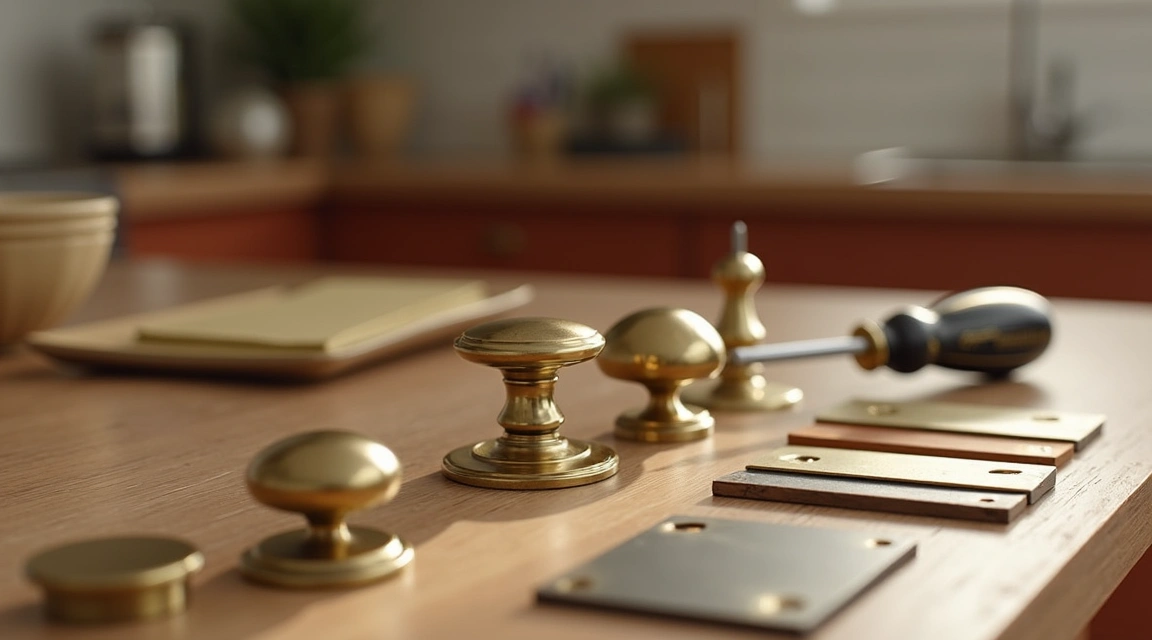
A single unlacquered brass drawer pull sits on a countertop next to paint swatches and fabric samples, all chosen because the room budget leaves little margin for error. First-time decorators often believe that good interior design requires expensive furniture or a designer’s fee, but many thoughtful spaces begin with careful choices about hardware, color, and arrangement rather than large expenditures. This checklist walks through practical steps that keep a project on track without requiring guesswork about cost or rigid formulas that don’t fit real homes.
Budget decorating is not about buying the cheapest item in every category. It is about deciding which elements create the most visible impact, which purchases can wait, and where a modest upgrade—such as switching plastic knobs for solid brass pulls—transforms the entire room’s character. The goal is to build a cohesive space that feels intentional, comfortable, and true to the people who live there, all while respecting financial limits that vary from household to household.
Start with a Clear Scope and Anchor Piece
Before visiting a store or opening a browser tab, write down the room’s non-negotiable needs. A living room may require seating for four people and storage for books; a bedroom may need blackout capability and a reading light. Listing these requirements prevents impulse purchases that look appealing but serve no practical function in the space.
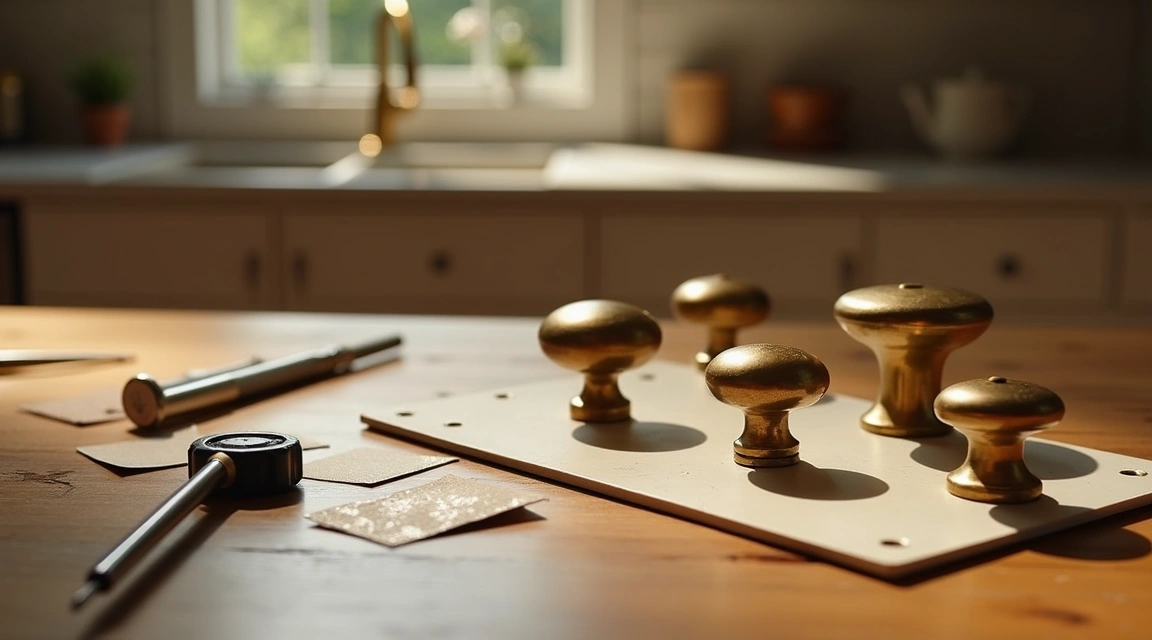
Choose one anchor piece that sets the room’s tone. In a living room, this might be a sofa or a large rug. In a kitchen, it could be the cabinet hardware or a single statement light fixture. An anchor piece does not have to be expensive; it simply needs enough visual weight or character to guide other decisions. For example, selecting antique brass cabinet pulls early helps narrow paint colors, curtain fabrics, and even lighting finishes because the warm metal tone provides a reference point. Once the anchor is in place, secondary items—throw pillows, small tables, artwork—become easier to evaluate.
Avoid the temptation to buy everything at once. Spreading purchases over weeks or months allows time to compare prices, wait for sales, and notice whether an item truly fits the room or was an emotional decision. A phased approach also reduces the risk of mismatched styles that result from hurried shopping.
Prioritize High-Impact, Low-Cost Changes
Certain upgrades produce visible results without large expense. Paint is one of the most powerful tools in budget decorating; a gallon of quality interior paint can change the entire mood of a room for a modest cost. Neutral tones provide flexibility, but a single accent wall in a deeper shade can add depth without overwhelming the space. Always test paint samples on the actual wall and observe them in morning and evening light before committing to a full application.
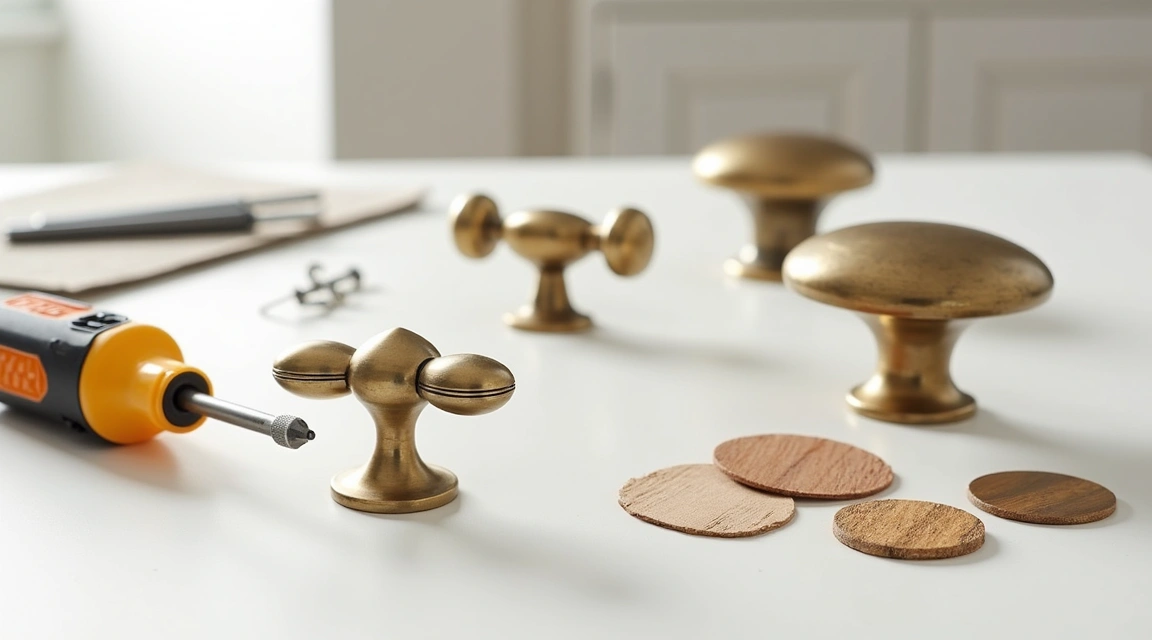
Hardware replacement is another high-impact change. Swapping builder-grade plastic knobs for metal pulls—whether brass, brushed nickel, or matte black—immediately elevates cabinetry and furniture. The difference in material quality is visible and tactile; every time someone opens a drawer, they experience the upgrade. Brass hardware, especially unlacquered brass that develops patina over time, adds warmth and authenticity that plastic cannot replicate. The total cost depends on the number of cabinets and the chosen finish, but the visual return is often greater than purchasing a new piece of furniture.
Lighting adjustments also deliver strong results. Replacing a single ceiling fixture with a pendant or chandelier changes the room’s focal point. Adding a floor lamp or table lamp improves functionality and creates layered lighting that feels more sophisticated than overhead illumination alone. Dimmer switches, where compatible, offer control over ambiance without requiring new fixtures.
Textile updates—curtains, throw pillows, area rugs—introduce color, texture, and softness. A large area rug can define a seating area and make a room feel finished even when other furnishings are minimal. Curtains that reach the floor and hang slightly wider than the window frame create the illusion of larger windows and taller ceilings. These elements are easier to change than furniture, so they provide an opportunity to experiment with color and pattern without long-term commitment.
Shop Secondhand and Repurpose Thoughtfully
Secondhand furniture and decor offer quality and character that new mass-market items sometimes lack. Thrift stores, estate sales, online marketplaces, and consignment shops provide access to solid wood furniture, vintage lighting, and unique accessories at reduced prices. The trade-off is time; finding the right piece requires patience and regular browsing. Inspect items carefully for structural soundness, checking joints, drawer slides, and upholstery condition before purchasing.
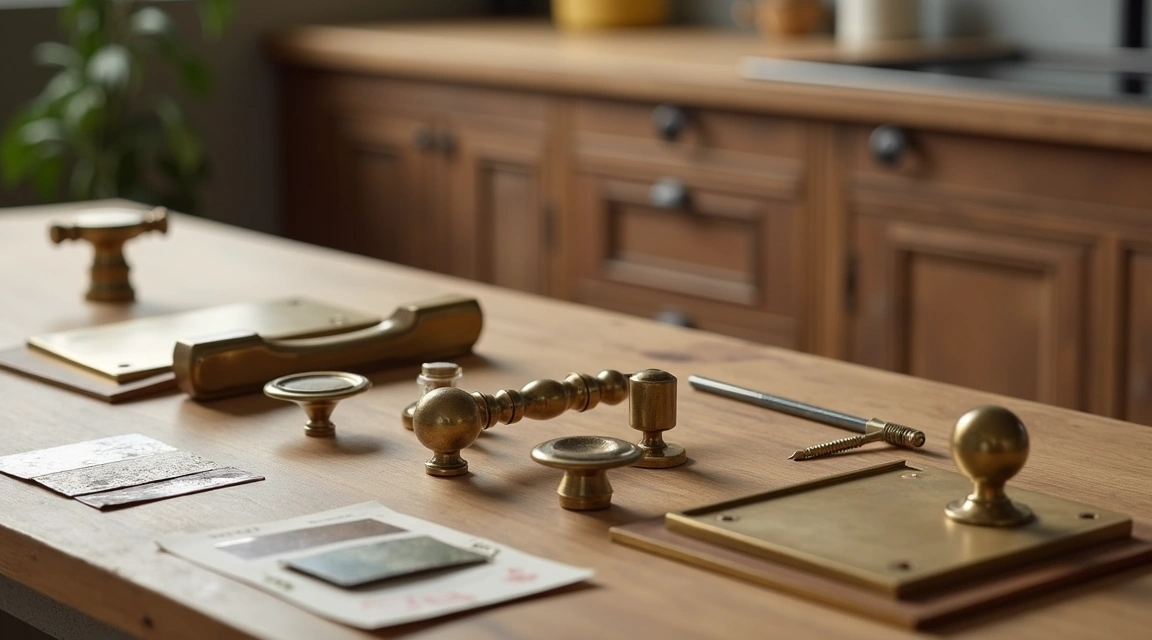
Repurposing existing furniture extends a budget further. A dated wooden dresser can be refreshed with new hardware and a coat of paint. A plain bookshelf becomes more interesting with wallpaper or fabric backing on the interior panels. An old ladder can serve as a blanket rack or towel holder. These projects require modest supplies—sandpaper, primer, paint, brushes—and basic tools, but they allow customization that new store-bought items rarely offer.
When considering secondhand upholstered furniture, evaluate reupholstery costs honestly. A sofa with a solid frame but worn fabric may seem like a bargain, but professional reupholstery can be expensive. In some cases, slipcovers or decorative throws provide a simpler solution. For dining chairs or accent chairs, DIY reupholstery is more manageable; online tutorials and basic sewing skills make it possible to replace seat cushions or chair backs without professional help.
Mixing new and secondhand pieces creates a layered, collected look that feels more personal than a room furnished entirely from a single retailer. A vintage brass lamp on a new side table, or a secondhand wooden bench paired with contemporary pillows, demonstrates intentionality rather than constraint.
Avoid Common Budget Decorating Pitfalls
One frequent mistake is prioritizing quantity over quality. Filling a room with inexpensive items that lack durability or visual appeal often costs more in the long run, both financially and aesthetically. A single well-made chair that will last years outperforms several flimsy chairs that need replacement. When budget is limited, buy fewer pieces and choose items that serve multiple functions or have timeless design.
Another pitfall is ignoring scale and proportion. A small sofa in a large living room looks lost, while an oversized sectional in a compact space feels cramped. Before purchasing furniture, measure the room and sketch a simple floor plan. Leave adequate clearance for traffic flow—typically enough space for people to walk comfortably between furniture groupings. Online room planning tools and graph paper help visualize arrangements before committing to specific pieces.
Skipping foundational elements in favor of decorative accessories is a third common error. Accessories such as vases, picture frames, and decorative objects add personality, but they cannot compensate for missing essentials like adequate seating, functional lighting, or window treatments. Establish the room’s functional framework first, then layer in decorative items over time. This approach ensures the space remains livable even if the decorating process is incomplete.
Finally, avoid the trap of trendy items that will feel dated quickly. Trends can be incorporated through low-commitment elements like throw pillows or small accessories, but larger investments—sofas, rugs, cabinetry—benefit from classic design that remains appealing across years. Brass hardware, for example, has been used in homes for generations and continues to feel appropriate in both traditional and contemporary settings, making it a safer choice than finishes that surge and fade in popularity.
Practical Checklist for Budget Interior Design
| Task | Action | Notes |
|---|---|---|
| Define room function | List required activities and furniture | Prevents impulse purchases; focuses spending on essentials |
| Choose anchor piece | Select one item to guide other decisions | Can be hardware, rug, sofa, or lighting; establishes tone |
| Measure space | Record room dimensions, doorways, windows | Ensures furniture fits and allows proper traffic flow |
| Set spending priorities | Allocate more to high-impact areas, less to accessories | Focus on paint, hardware, lighting, key furniture first |
| Test paint samples | Apply samples to wall, observe in different light | Prevents costly repainting; confirms color choice |
| Upgrade hardware | Replace plastic knobs/pulls with metal alternatives | Brass, brushed nickel, matte black elevate cabinetry immediately |
| Shop secondhand | Visit thrift stores, estate sales, online marketplaces | Requires time but offers quality and character at lower cost |
| Evaluate repurposing | Assess existing furniture for refresh potential | Paint, new hardware, fabric can transform dated pieces |
| Plan lighting layers | Combine overhead, task, and accent lighting | Improves functionality and ambiance; dimmer switches add control |
| Add textiles gradually | Introduce curtains, rugs, pillows over time | Allows color and pattern experimentation without full commitment |
| Check scale and proportion | Ensure furniture size suits room dimensions | Prevents cramped or empty-feeling spaces |
| Avoid trend reliance | Choose classic designs for major purchases | Trends work better in accessories; timeless pieces last longer |
Building a Room Over Time
Budget decorating is rarely a one-weekend project. Rooms develop character gradually as pieces are added, tested, and sometimes replaced. Living with a space before finalizing every decision reveals how the room is actually used, which colors feel right over weeks rather than minutes, and where additional storage or seating is truly needed. This iterative process reduces regret and leads to a more personal result.
Photographs taken at intervals help track progress and identify gaps. A room that feels unfinished in person may appear more cohesive in a photo, or the opposite may be true—an image can reveal clutter, poor color balance, or awkward furniture placement that goes unnoticed in daily life. Reviewing photos also clarifies which areas require attention and which elements are already working well.
Friends and family may offer opinions, but the most important measure is whether the room serves its intended function and feels comfortable to the people who use it. A budget-friendly interior that meets practical needs and reflects the household’s preferences succeeds, even if it lacks expensive materials or designer labels. For more ideas on thoughtful home updates, visit the Interior Design on a Budget section.
Decorating within financial limits does not mean accepting a compromised result. It means making deliberate choices, learning to recognize quality in unexpected places, and understanding that a cohesive, well-planned room can emerge from modest investments. Brass drawer pulls replacing plastic, a fresh coat of paint, and a secondhand rug that ties the colors together can transform a space more effectively than scattered expensive purchases without a guiding plan. The checklist above provides a framework, but each room will require adjustments based on its unique challenges, existing furnishings, and the specific goals of the people who live there.