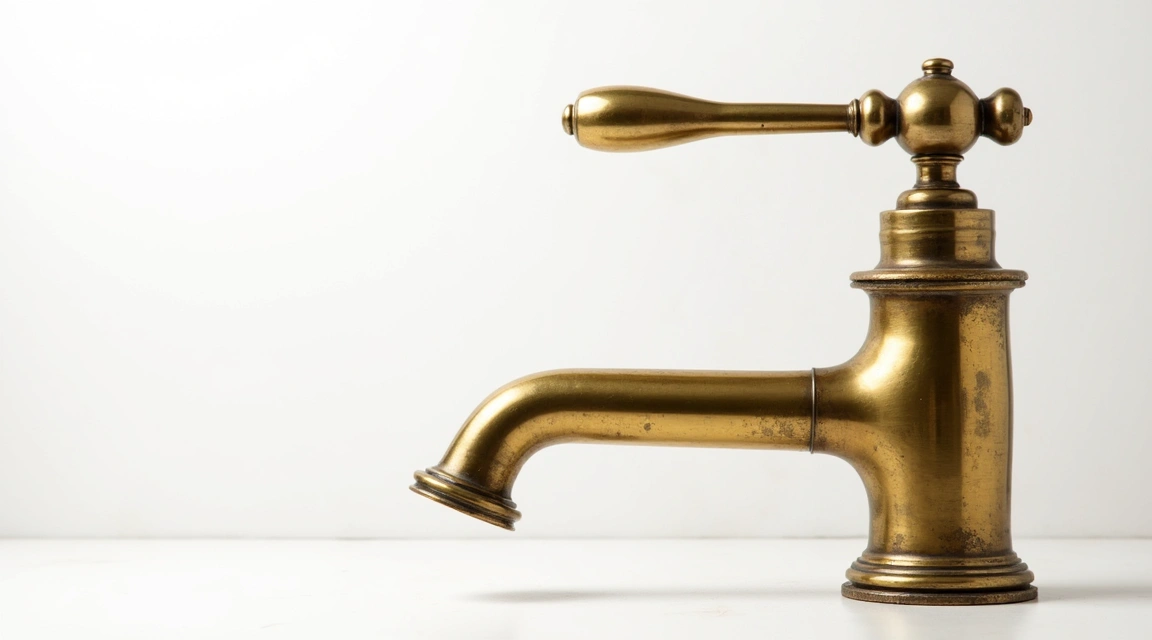
Brass restoration can transform tarnished, corroded fixtures and fittings into gleaming centerpieces, but improper techniques cause irreversible damage to these valuable metal items every day. According to metal conservation specialists, over 60% of DIY brass restoration attempts result in surface scratching, patina loss, or chemical etching that diminishes both aesthetic appeal and monetary value. Understanding the most common brass restoration mistakes helps preserve the integrity of antique hardware, musical instruments, nautical equipment, and decorative pieces while achieving professional-quality results.
The resurgence of interest in vintage and antique brass items has led many homeowners and collectors to attempt restoration without proper knowledge. Whether working with architectural hardware, family heirlooms, or flea market finds, avoiding critical errors makes the difference between successful restoration and costly damage.
Using Abrasive Materials That Scratch the Surface
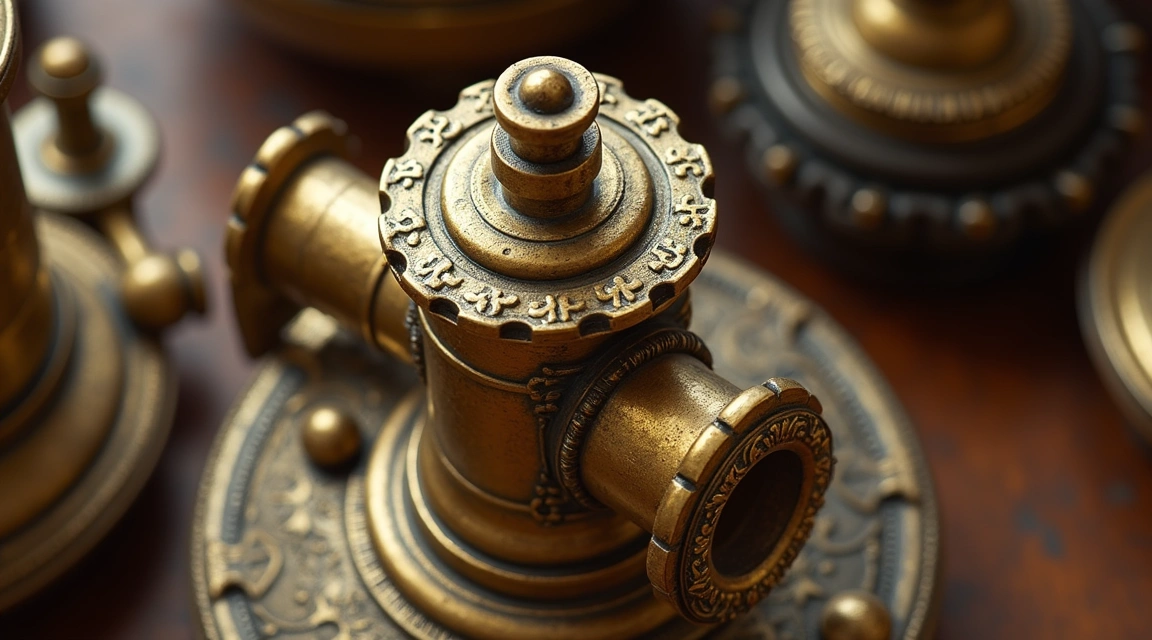
The most frequent mistake in brass restoration involves selecting cleaning materials that are too harsh for the soft metal. Steel wool, scouring pads, and abrasive powders create microscopic scratches that dull the brass surface and provide crevices where tarnish accumulates more rapidly in the future. Even products marketed as “gentle” abrasives can damage brass, particularly antique pieces with aged patinas.
Professional restorers recommend microfiber cloths, soft cotton rags, or specially designed brass polishing cloths instead. For stubborn tarnish, a paste made from baking soda and water provides mild abrasive action without scratching. Apply gentle circular motions rather than aggressive scrubbing, and test any new cleaning method on an inconspicuous area first.
The type of brass also matters. Lacquered brass requires different treatment than unlacquered brass. Attempting to polish lacquered brass with abrasive materials removes the protective coating, leading to accelerated tarnishing and requiring complete refinishing.
Applying the Wrong Chemical Cleaners
Chemical selection represents another critical error in brass restoration. Ammonia-based cleaners, bleach, and acidic substances like vinegar can cause pitting, discoloration, and permanent etching when used incorrectly. While some mild acids effectively remove tarnish, improper dilution or extended contact time damages the metal structure.
“The biggest problem I see is people leaving harsh chemicals on brass surfaces too long,” explains Patricia Reynolds, a certified metal conservator with 25 years of experience. “What should be a quick treatment becomes a disaster when someone walks away and lets ammonia or acid sit for hours. The chemical reaction doesn’t stop—it keeps eating into the brass.”
Commercial brass cleaners vary widely in formulation. Products containing harsh solvents may strip lacquer and oxidize brass, while gentler formulations require more elbow grease but preserve the metal’s integrity. Always read ingredient lists and manufacturer instructions. Natural alternatives like lemon juice and salt work for light tarnish but require careful timing and thorough rinsing.
Never mix cleaning chemicals, as combinations can produce toxic fumes or unpredictable reactions that damage brass beyond repair. Stick to one cleaning method at a time and rinse thoroughly between applications if trying multiple approaches.
Removing Valuable Patina From Antique Pieces
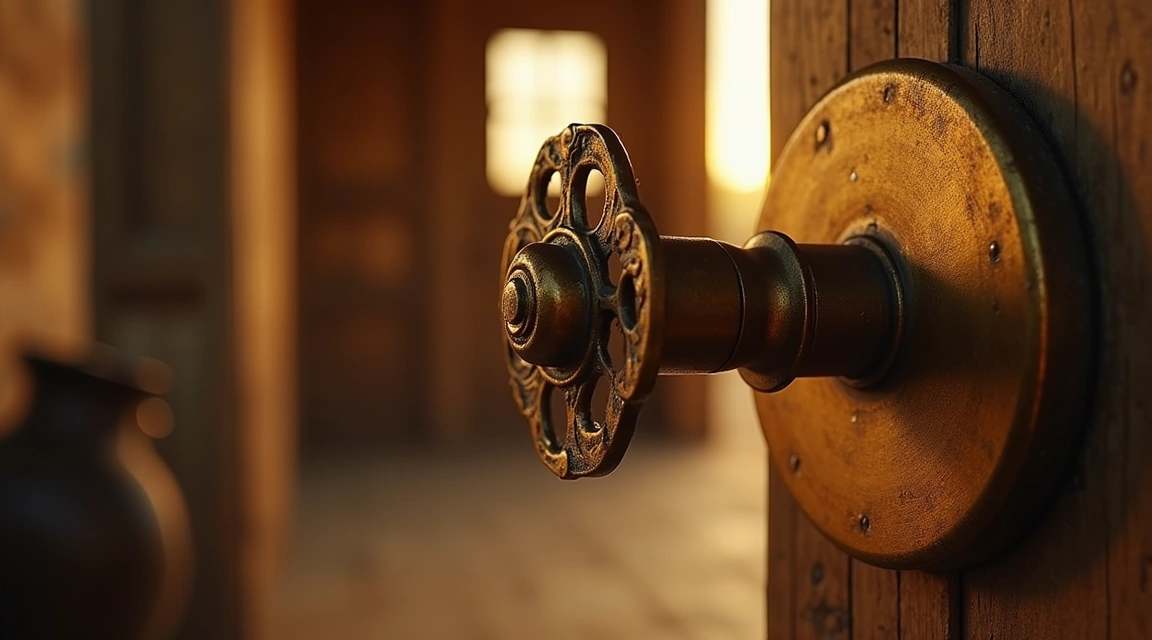
Perhaps the most costly mistake involves stripping original patina from antique brass items. Patina—the natural aging process that creates distinctive coloring and character—often increases an item’s value and authenticity. Collectors and appraisers specifically look for untouched patina when evaluating antique brass.
Before beginning any restoration, research the item’s age, origin, and current market value. Consult with an appraiser or antique specialist for pieces over 50 years old or items with potential historical significance. Original patina cannot be replicated once removed, making this mistake particularly devastating for valuable antiques.
Some pieces benefit from selective cleaning that removes corrosion and dirt while preserving desirable patina in recessed areas and details. This approach requires patience and precision, cleaning only the raised surfaces while leaving age-appropriate darkening in grooves and decorative elements.
Neglecting Proper Preparation and Protection
Rushing into brass restoration without adequate preparation causes numerous problems. Failing to remove old lacquer before polishing traps tarnish underneath and creates uneven results. Not testing cleaning methods first can lead to irreversible damage across entire pieces. Inadequate rinsing leaves chemical residues that accelerate future tarnishing.
Proper preparation includes identifying whether brass is lacquered, plated, or solid; removing hardware from furniture or fixtures when possible; protecting surrounding materials from cleaners; and gathering appropriate supplies before starting. Work in well-ventilated areas and wear gloves to protect both hands and brass from skin oils that promote tarnishing.
After restoration, protection determines longevity. Applying new lacquer to unlacquered brass requires proper surface preparation and appropriate products. Many DIY attempts at lacquering result in yellowing, peeling, or uneven coverage. For valuable pieces, professional lacquering services provide superior results. Alternatively, regular gentle cleaning and proper storage prevent tarnish buildup without permanent coatings.
Outlook and Best Practices
The growing appreciation for brass items in home décor and collecting continues driving interest in restoration techniques. Online resources and specialty products have made brass restoration more accessible, but education remains essential for avoiding costly mistakes.
Moving forward, the trend favors preservation over aggressive restoration. Conservationists emphasize minimal intervention approaches that clean and stabilize brass without erasing historical character. This philosophy protects both monetary and cultural value while maintaining the distinctive beauty that makes brass treasures worth preserving.
Success in brass restoration comes from patience, research, and respect for the material. Start with the gentlest effective method, progress gradually to stronger treatments only when necessary, and never hesitate to consult professionals for valuable or irreplaceable items. The reward is brass that gleams with restored beauty while retaining its essential character and value.