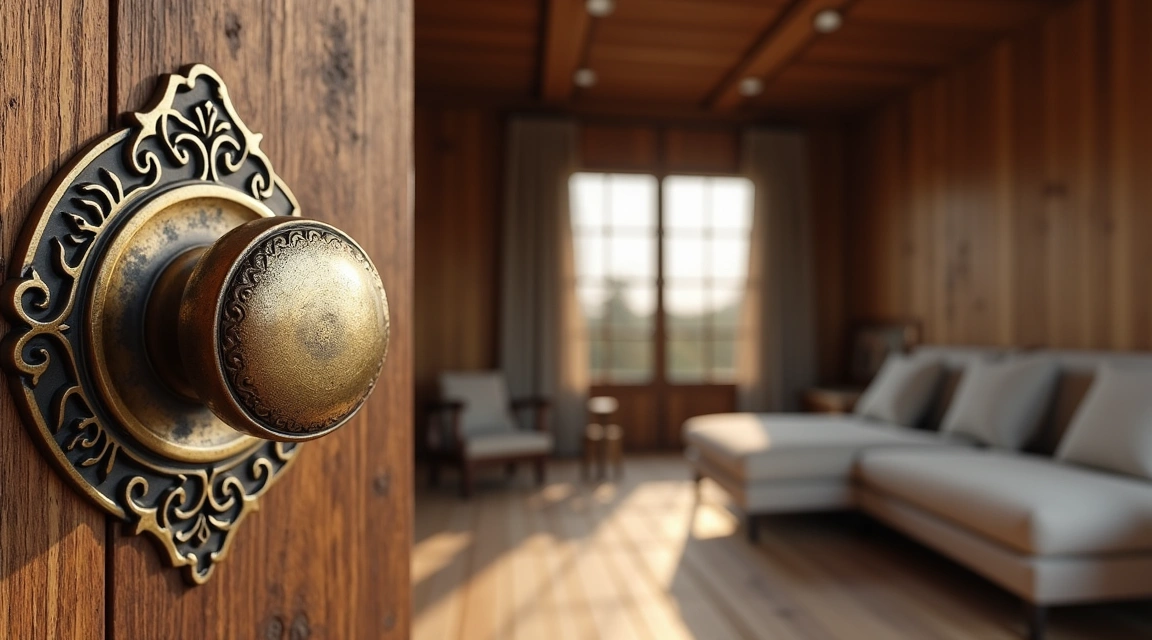
Antique brass hardware brings timeless elegance and authentic character to any home restoration or design project. Whether you’re renovating a Victorian home, updating cabinet fixtures, or searching for period-correct door hardware, understanding how to evaluate and purchase antique brass pieces will help you make confident, informed decisions. This comprehensive guide walks you through everything you need to know before investing in these beautiful architectural elements.
Authentic antique brass hardware combines functional durability with decorative appeal, but the marketplace presents both genuine treasures and convincing reproductions. Learning to distinguish quality pieces, verify authenticity, and assess condition protects your investment while ensuring you select hardware that will serve your needs for decades to come.
Understanding Antique Brass Hardware Types and Periods
Before you begin shopping, familiarize yourself with the main categories of antique brass hardware and their historical periods. This foundational knowledge helps you identify what you’re looking at and communicate effectively with dealers.
Step 1: Learn the basic hardware categories. Antique brass hardware includes door knobs, hinges, cabinet pulls, keyhole escutcheons, push plates, door knockers, window latches, and decorative backplates. Each category has distinct style variations depending on the manufacturing period.
Caution: Don’t assume all brass-colored hardware is genuine brass. Many pieces from the early 1900s onward used brass-plated steel or zinc alloy, which looks similar but lacks the weight and patina development of solid brass.
Step 2: Identify the architectural period you’re matching. Victorian hardware (1840-1900) typically features ornate designs with floral motifs and intricate casting. Edwardian pieces (1900-1910) show lighter, more delicate patterns. Arts and Crafts hardware (1900-1920) displays geometric simplicity and hammered finishes. Art Deco hardware (1920-1940) features streamlined, angular designs with dramatic contrast.
Caution: Period styles overlapped considerably, and regional manufacturers often continued producing older styles well into newer eras. Use period identification as a starting point, not an absolute dating method.
Step 3: Examine construction methods to estimate age. Hardware made before 1850 shows hand-filing marks and irregular casting. Mid-1800s pieces display early machine tooling with some hand-finishing. Post-1880 hardware reveals consistent machine production with standardized screw threads. Modern reproductions often show perfectly uniform surfaces that lack the subtle irregularities of period manufacturing.
Caution: Skilled reproduction manufacturers deliberately add artificial aging marks. Compare multiple similar pieces to spot patterns that appear too uniform or mechanically applied.
Evaluating Condition and Authenticity
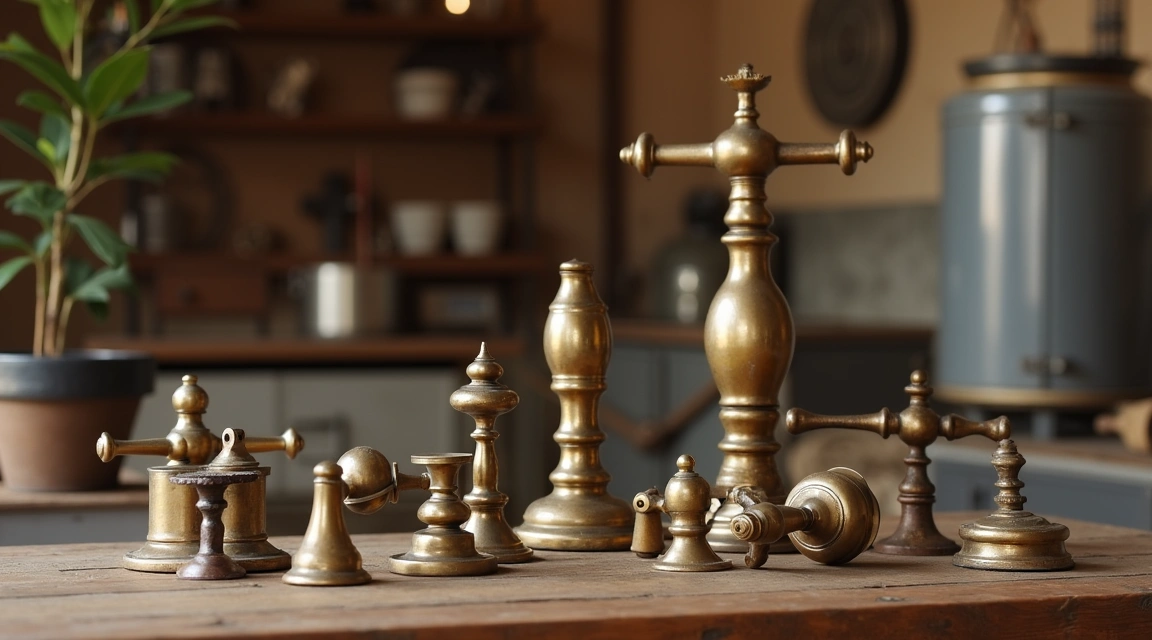
Assessing the condition and authenticity of antique brass hardware requires careful hands-on inspection. These skills develop with practice but following systematic evaluation steps helps even beginners make sound judgments.
Step 4: Check for solid brass construction versus plating. Solid brass has substantial weight relative to its size and shows consistent color throughout any worn or scratched areas. Look for small scratches or edge wear that reveal the base metal. If you see silver-gray metal beneath the brass surface, the piece is plated. Use a small magnet—solid brass is non-magnetic, while plated steel will attract the magnet.
Caution: Some legitimate antique hardware combines brass elements with steel springs or internal mechanisms. A magnetic response doesn’t automatically disqualify a piece, but the visible decorative components should be solid brass.
Step 5: Assess the patina quality. Authentic aged brass develops a natural patina ranging from warm honey tones to deep chocolate brown with occasional green oxidation in recessed areas. This patina accumulates unevenly, with high-touch surfaces remaining brighter than protected details. Artificial patina often appears too uniform, with chemical staining that looks muddy rather than luminous. Genuine patina feels smooth; artificial aging may feel slightly rough or sticky.
Caution: Some sellers remove original patina through aggressive polishing, which diminishes both authenticity and value. Light tarnish actually verifies age and protects the brass beneath.
Step 6: Inspect functionality and wear patterns. Turn knobs to test the internal mechanism—it should operate smoothly despite its age. Examine screw threads for wear consistent with repeated installation. Check that wear patterns make logical sense: door knobs should show wear where hands naturally grip, push plates should have wear in the center, hinges should show wear at pivot points. Inconsistent or missing wear patterns suggest reproduction pieces or hardware that was never actually used.
Caution: Seized mechanisms or stripped threads significantly reduce value and usability. Factor repair costs into your purchase decision, and recognize that some damage cannot be reversed without destroying originality.
Where to Buy and What to Pay

Finding quality antique brass hardware requires knowing where to look and understanding fair market pricing. Different venues offer distinct advantages and present specific challenges for buyers.
Architectural salvage companies offer extensive inventory with varying condition levels. These businesses typically remove hardware from demolished buildings, providing authentic period pieces at mid-range prices. Expect to pay $15-50 for basic knobs, $30-100 for decorative door sets, and $50-200 for rare or ornate pieces. Salvage dealers usually allow hands-on inspection and may negotiate prices on multiple-piece purchases.
Antique shops and specialized hardware dealers curate higher-quality selections with restored pieces commanding premium prices. These venues provide expertise and often guarantee authenticity, making them ideal for significant purchases. Prices run 30-50% higher than salvage sources, but cleaned, restored, and matched sets justify the investment for formal installations.
Estate sales and auctions present opportunities for bargain finds but require more expertise to avoid overpaying for common items or purchasing damaged goods. Research comparable sold prices before bidding. Arrive early to physically inspect lots, and remember that auction fever often pushes prices above retail value.
Online marketplaces expand your options but eliminate hands-on inspection. Request detailed photos showing all sides, close-ups of wear patterns, measurements, and any flaws. Ask sellers about return policies before purchasing. Reputable online architectural salvage dealers often provide better selection than local sources, especially for matching multiple pieces.
When evaluating prices, consider the hardware’s rarity, condition, completeness, and your intended use. Complete door sets with matching knobs, backplates, and escutcheons command higher prices than individual components. Unusual finishes, documented maker’s marks, or hardware from notable buildings increases value significantly. However, don’t overpay for pristine condition if you plan to install and use the hardware—light wear indicates authenticity and won’t impact function.
Common Mistakes to Avoid
Even experienced buyers occasionally make purchasing errors. Learning from common mistakes helps you avoid costly missteps in your antique brass hardware acquisition.
The most frequent mistake is buying hardware without verifying measurements and compatibility. Antique hardware varies considerably in dimensions, backset (distance from door edge to knob center), and mounting hole patterns. Always measure your existing hardware or door preparation before purchasing replacements. Mismatched measurements create installation headaches and may require door modification that damages period woodwork.
Another common error is purchasing incomplete sets. A door knob without its matching rosette, spindle, and screws requires sourcing additional components that may not match perfectly. Before buying, verify that sets include all necessary installation hardware or factor in the cost and difficulty of finding compatible pieces.
Many buyers overlook the importance of consistency across multiple rooms or throughout a home. Purchasing hardware piecemeal from different sources often results in pieces that almost match but show noticeable variations in size, finish, or style. For whole-house projects, buy all needed hardware from the same source or period to ensure visual harmony.
Failing to test functionality before purchase creates frustration later. Seized mechanisms, broken springs, or stripped mounting threads significantly complicate installation. While some repairs are straightforward, others require specialized skills or make the hardware unusable. Always operate moving parts and inspect mechanical components before buying.
Finally, many beginners confuse age with quality. Not all old hardware is well-made, and not all reproduction hardware is inferior. Some modern craftspeople produce exceptional quality reproductions that function better than worn antiques. Evaluate each piece on its own merits rather than assuming age alone determines value.
Making Your Purchase Decision
Armed with knowledge about periods, condition assessment, pricing, and common pitfalls, you’re prepared to make confident antique brass hardware purchases. Start with small, less critical projects to develop your eye and expertise before investing in expensive statement pieces.
Create a prioritized list identifying which rooms or features need hardware first. Photograph your existing hardware or door preparations, and carry a small tape measure during shopping trips. Don’t rush—finding the perfect period-appropriate pieces often requires patience and multiple shopping excursions.
Consider hiring a professional for installation, especially for exterior doors or hardware with complex mechanisms. Proper installation preserves both the hardware and your period woodwork while ensuring security and smooth operation. The investment in professional installation protects your antique brass hardware investment for generations to come.
Antique brass hardware represents more than functional door and cabinet fixtures—these pieces connect your home to architectural history while providing daily tactile pleasure. By following this systematic buying guide, you’ll select authentic, high-quality hardware that enhances your home’s character and stands the test of time.