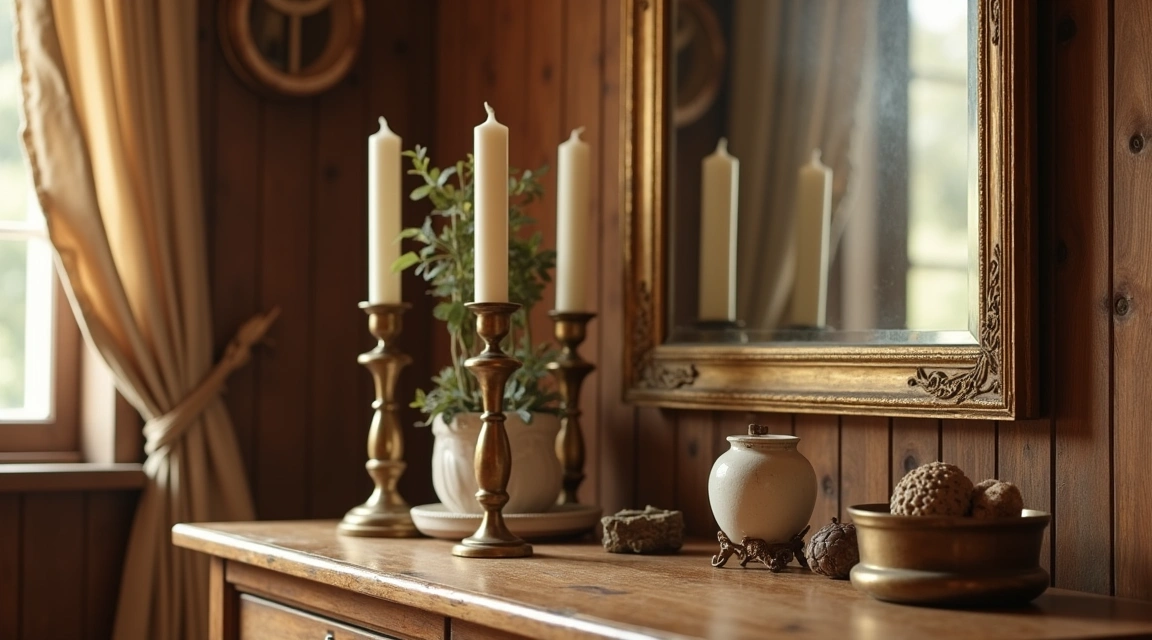
I’ve spent years experimenting with different materials and finishes in my own home, and brass has consistently proven itself as one of the most versatile and elegant choices for traditional interiors. There’s something timeless about the warm glow of brass that instantly elevates a space, bridging the gap between classic sophistication and lived-in comfort. Whether you’re furnishing a colonial revival, an English country cottage, or a Georgian-inspired townhouse, brass home accents bring a layer of authenticity and warmth that few other materials can match.
The beauty of brass lies in its ability to patina over time, developing a rich character that actually improves with age. Unlike trendy finishes that date quickly, brass accents have graced homes for centuries and continue to feel relevant today. I’ve found that strategically placed brass pieces can transform a room from feeling flat and modern to warmth and depth that speaks to traditional design sensibilities.
Why Brass Home Accents Enhance Traditional Interiors
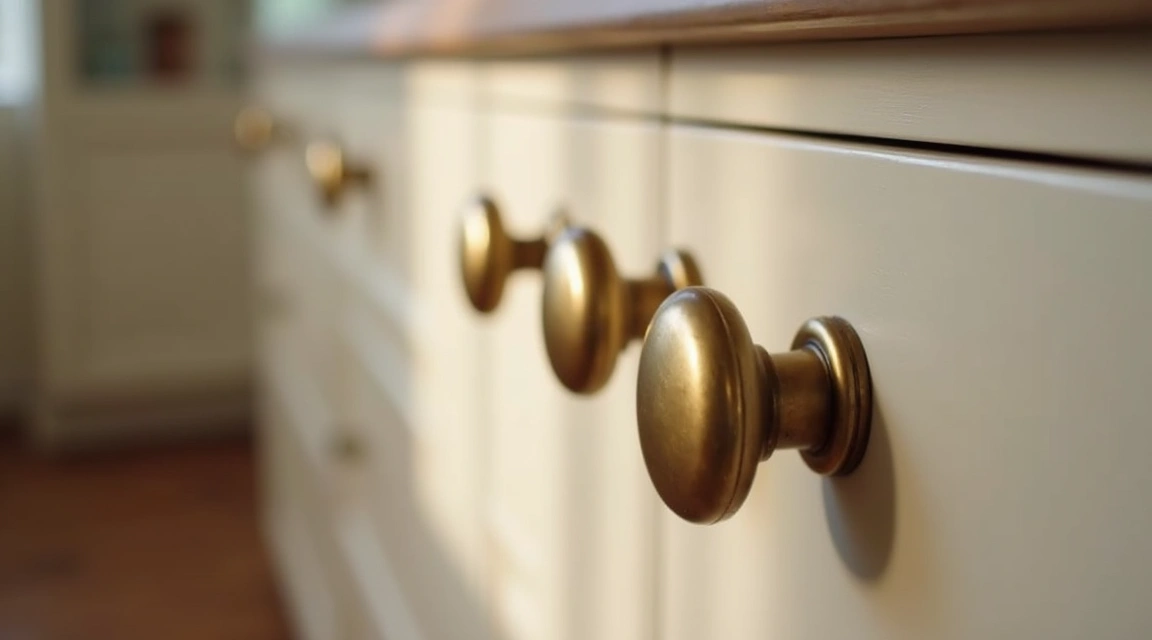
Brass offers several compelling advantages that make it particularly well-suited for traditional decorating schemes. The material’s natural warmth complements the rich wood tones, deep paint colors, and layered textiles typical of traditional design. In my dining room, I replaced chrome cabinet pulls with unlacquered brass hardware, and the difference was immediately noticeable—the entire space felt more cohesive and intentional.
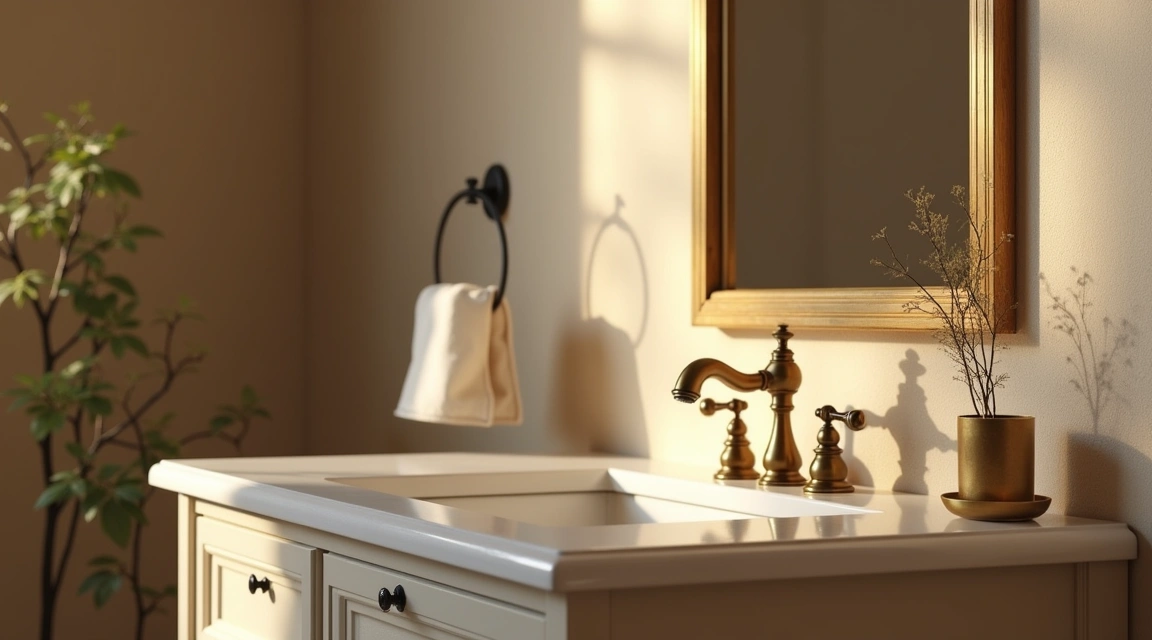
One of brass’s strongest qualities is its versatility in application. You can incorporate it through lighting fixtures, door hardware, picture frames, fireplace tools, curtain rods, bathroom accessories, or decorative objects. I’ve found that even small touches, like brass candlesticks on a mantel or a brass letter holder on a desk, create visual anchors that draw the eye and add polish.
The patina development is another significant benefit. While some people prefer the bright, polished look of new brass, I’ve grown to love the living finish that develops naturally. The subtle darkening and variation in tone tells a story and adds authenticity that you simply cannot fake. This aging process actually enhances traditional interiors by creating the layered, collected-over-time aesthetic that defines the style.
Brass also pairs beautifully with other traditional materials. It complements marble, crystal, wood, leather, and ceramic in ways that feel harmonious rather than competitive. In my library, brass sconces flanking built-in bookshelves create warmth against the mahogany shelving without overwhelming the space.
Potential Drawbacks to Consider
Despite my enthusiasm for brass, I’ve encountered some challenges that are worth acknowledging. The most obvious is maintenance. If you prefer the bright, shiny appearance, you’ll need to polish brass regularly—a task I initially underestimated. Tarnish develops naturally, and while I personally embrace it, guests have occasionally asked if I’m aware my fixtures need cleaning. This social expectation can create pressure to maintain that just-polished look.
Cost is another consideration. Quality brass pieces command premium prices compared to brass-plated or cheaper alternatives. I learned this lesson the hard way when I purchased what I thought were solid brass drawer pulls, only to discover the plating wore through within a year. Authentic solid brass is an investment, and for larger projects like rewiring a chandelier or replacing all your door hardware, the budget can escalate quickly.
The weight of brass can also present practical challenges. Solid brass curtain rods, for instance, require more robust wall anchors than lighter alternatives. I’ve had to reinforce mounting points in plaster walls to properly support heavy brass fixtures, adding both complexity and expense to what seemed like straightforward installations.
There’s also a learning curve in distinguishing between finishes. Lacquered brass won’t patina but can look plasticky over time as the lacquer degrades. Unlacquered brass patinas beautifully but requires acceptance of changing appearance. Brass-plated items offer cost savings but lack longevity. Navigating these options requires research and sometimes trial and error.
Who Should Choose Brass Home Accents
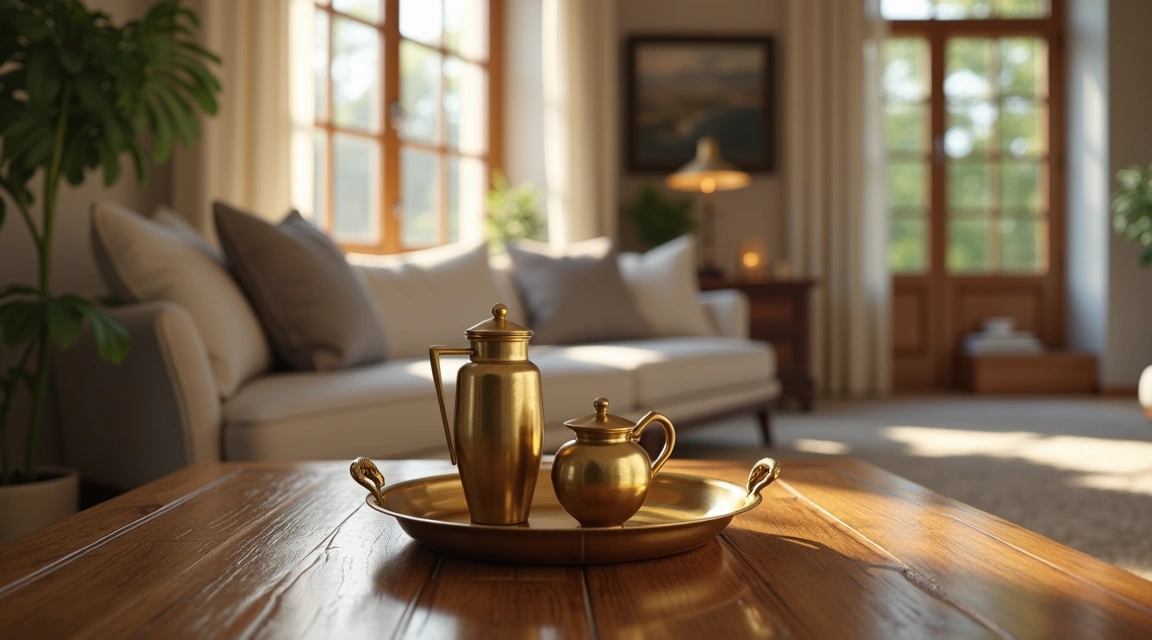
Brass accents work best for homeowners who genuinely appreciate traditional design and are committed to the aesthetic long-term. If you’re someone who redecorates every few years following current trends, the investment in quality brass pieces may not make sense. However, if you’re furnishing a period home or creating a traditional interior that you intend to enjoy for decades, brass is worth serious consideration.
This approach particularly suits those who value authenticity and craftsmanship. If you’re the type of person who appreciates the story behind objects and enjoys the patina of age, brass will reward you. I’ve found that people who love antiques, collect vintage items, or appreciate the philosophy of buying quality pieces that last tend to be most satisfied with brass accents.
Brass also appeals to homeowners in specific architectural styles. Georgian, Federal, Colonial Revival, English Country, and Traditional American interiors all historically featured brass elements, making these accents not just decorative choices but architecturally appropriate ones. If you own a historic home or are creating a period-sensitive interior, brass helps maintain authenticity.
That said, you don’t need a mansion or museum-quality antiques to benefit from brass. Even in modest traditional spaces, a few well-chosen brass pieces—perhaps a table lamp, a mirror frame, or bathroom fixtures—can elevate the overall design without requiring a complete commitment or massive budget.
Frequently Asked Questions
How do I keep brass from tarnishing if I prefer the polished look?
The most effective approach is choosing lacquered brass, which has a protective coating that prevents oxidation. If you have unlacquered brass, regular polishing with a quality brass cleaner maintains shine, though this requires ongoing effort. I polish my unlacquered pieces about once every six weeks, but this frequency depends on humidity and handling. Some people apply a thin coat of Renaissance Wax after polishing to extend time between cleanings.
Can I mix brass with other metal finishes in traditional interiors?
Absolutely, and in fact, this creates more visual interest than using a single finish throughout. Traditional interiors historically featured multiple metals—brass lighting alongside iron fireplace tools, for example. I mix brass with oil-rubbed bronze, pewter, and even brushed nickel in my home. The key is maintaining a sense of balance and ensuring one finish dominates while others play supporting roles. In my experience, having brass as your primary metal with one or two accent metals works best.
Is it worth investing in solid brass versus brass-plated alternatives?
For items you handle frequently or that serve structural purposes—door hardware, cabinet pulls, faucets—solid brass justifies the investment through longevity and performance. The plating on brass-plated items eventually wears through, especially at contact points, revealing base metal underneath. For purely decorative objects that receive minimal handling, quality brass-plated pieces can be acceptable. I prioritize solid brass for anything functional and consider plated alternatives only for decorative accessories where budget is a constraint.