
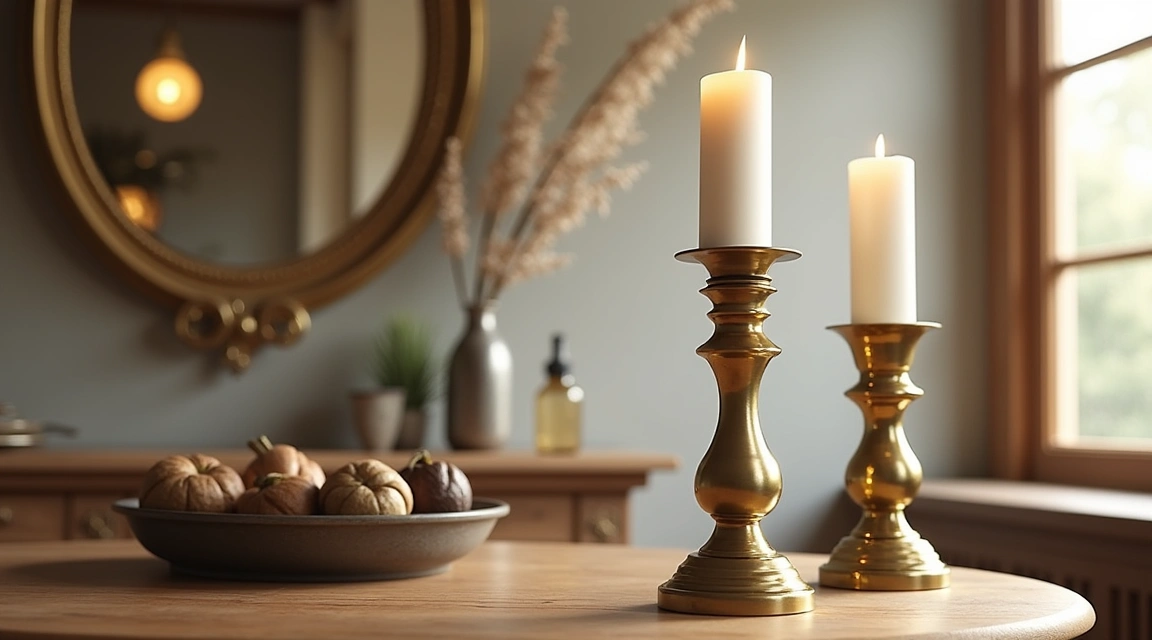
Purchasing brass hardware for the first time can feel overwhelming, with dozens of finishes, mounting styles, and quality tiers competing for attention. A well-organized planning checklist streamlines decisions, prevents costly mistakes, and ensures every cabinet pull, door handle, and hinge complements your home’s aesthetic while standing the test of time.
Recent industry trends show first-time buyers increasingly skip starter-quality hardware in favor of durable, statement pieces that justify long-term investment. Understanding core selection criteria—finish longevity, installation compatibility, and room-specific requirements—transforms what seems like guesswork into a confident, methodical process.
Understanding Brass Finishes and Patina Behavior
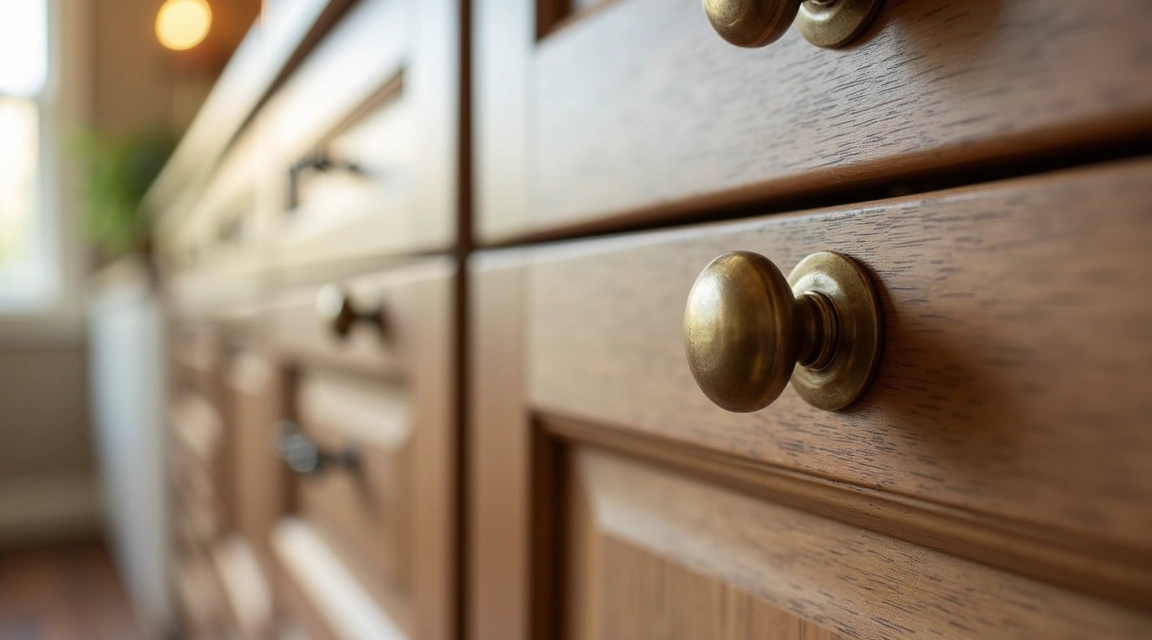
Brass hardware arrives in multiple finish categories, each aging differently under daily use. Unlacquered brass develops a natural patina over months or years, darkening from bright gold to warm bronze tones. This living finish appeals to homeowners who appreciate evolving character, but it requires acceptance of gradual color shifts and occasional fingerprint visibility.
Lacquered brass maintains its factory shine through a protective clear coat, resisting tarnish and oxidation. The coating eventually wears at high-contact points—cabinet handles touched dozens of times daily—so buyers should plan for periodic refinishing or view minor wear as acceptable evidence of use.
Oil-rubbed and antique brass finishes offer pre-aged aesthetics, combining darker tones with subtle highlights. These treatments hide fingerprints effectively and suit traditional or transitional interiors. Brushed brass splits the difference, providing texture that minimizes smudging while retaining a contemporary profile suitable for modern farmhouse or industrial designs.
First-time buyers often underestimate how lighting conditions influence perceived finish color. Natural daylight renders unlacquered brass brighter and more golden, while warm artificial light deepens amber undertones. Purchase samples and observe them in your actual installation locations throughout different times of day before committing to full sets.
Measuring and Compatibility Essentials
Hardware installation failures frequently stem from incorrect measurements rather than quality issues. Cabinet pulls require center-to-center bore spacing verification—the distance between existing screw holes drilled into drawer or door fronts. Standard spacings include 3 inches (76 mm), 3.75 inches (96 mm), and 5 inches (128 mm), but custom cabinetry may use non-standard measurements.
Door hardware demands thickness compatibility checks. Interior passage doors typically measure 1.375 inches thick, while exterior doors range from 1.75 to 2 inches. Lever sets and knob mechanisms designed for one thickness may not seat properly on another, leaving visible gaps or preventing secure fastening.
Backset distance—the measurement from the door edge to the center of the bore hole—affects latch alignment. Standard residential backsets measure 2.375 inches or 2.75 inches. Replacing existing locksets requires matching the original backset unless you’re willing to drill new holes and patch old ones, a step that adds labor and potential finish mismatches.
Hinge leaf dimensions matter when upgrading from steel to brass. The new hinge must cover the existing mortise (the recess cut into the door edge and jamb) completely, or gaps will show. Measure both the height and width of current hinges, and verify that replacement brass hinges provide equal or slightly larger coverage.
Budgeting by Room and Quality Tier
Strategic budget allocation focuses spending on high-traffic, high-visibility areas. Entry door hardware endures weather exposure, frequent use, and serves as an immediate design statement—justifying premium solid brass construction with robust internal mechanisms. Kitchen cabinet pulls experience hundreds of daily interactions, making durability and finish resilience worth the investment.
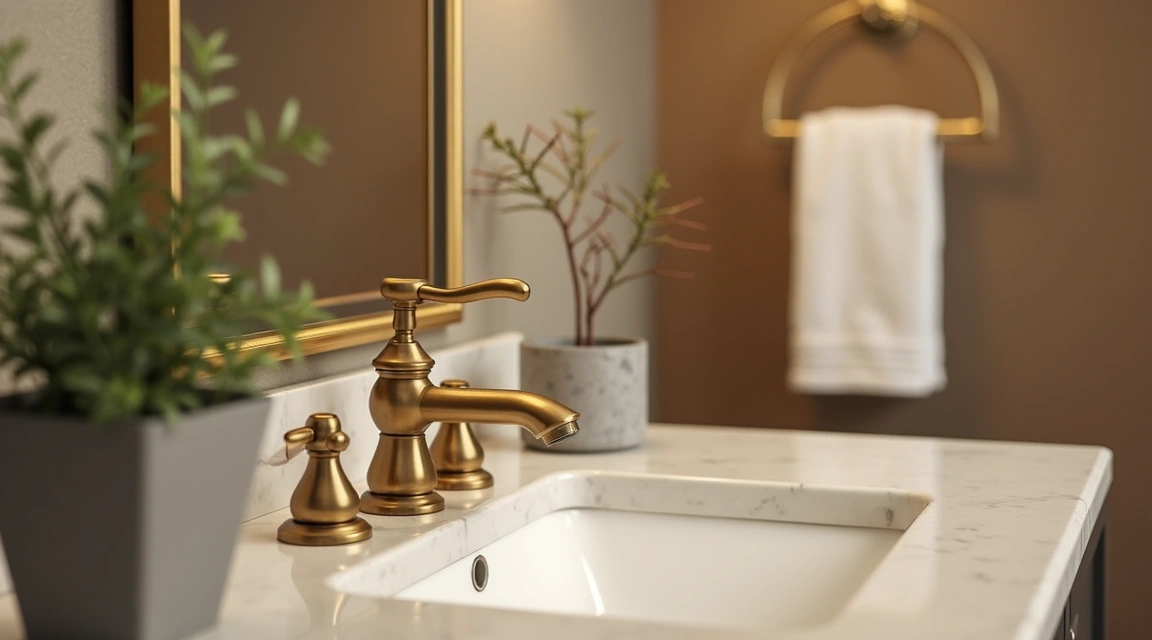
Guest bathrooms and secondary bedrooms receive less wear, allowing buyers to balance aesthetics with moderate pricing. Powder room fixtures benefit from decorative emphasis since guests notice details, but lower usage rates permit choosing styles over heavy-duty engineering.
Quality tiers within brass hardware break down into solid brass, brass-plated steel, and brass-plated zinc. Solid brass offers superior corrosion resistance, weight, and longevity, typically commanding premium prices. Brass-plated steel provides good durability at mid-range costs, suitable for interior applications without moisture exposure. Brass-plated zinc delivers budget-friendly aesthetics but may corrode or wear faster in humid environments like bathrooms.
First-time buyers should request material composition disclosure from retailers. Vague terms like “brass finish” often indicate plated base metals rather than solid construction. Reputable suppliers clearly specify whether products are solid brass, plated, or brass alloy, along with plating thickness when applicable.
Installation Planning and Professional Assistance
DIY installation succeeds when buyers honestly assess their skill level and tool availability. Cabinet pull replacement requires only a screwdriver and possibly a drill for new holes, making it accessible to most homeowners. Door lockset installation involves mortising, drilling precise bore holes, and aligning latches—tasks that benefit from experience or professional help to avoid damaging doors.
Hinge replacement demands careful mortise matching and door realignment. Swapping existing hinges for brass equivalents of identical dimensions minimizes difficulty, but upgrading from two to three hinges per door, or changing from standard to ball-bearing hinges, introduces complexity that may warrant hiring a carpenter.
Some municipalities require permits for exterior door hardware replacement that includes lock cylinder changes, particularly in multi-family buildings or historic districts. Verify local requirements before purchasing high-security deadbolts or locksets, as installed but non-compliant hardware may need removal during inspections.
For comprehensive projects spanning multiple rooms, consider hiring professional installers after purchasing hardware independently. Labor costs typically range from moderate to substantial depending on regional rates and project scope, but professional installation ensures proper alignment, function, and finish protection during mounting.
Coordinating Styles Across Your Home
Visual cohesion doesn’t require identical hardware throughout every room. Successful coordination uses consistent finish families—warm tones like unlacquered brass and oil-rubbed bronze pair naturally—while allowing style variation by room function. Kitchens might feature sleek bar pulls, while bathrooms use knurled knobs, unified by matching brass finishes.
Open-concept spaces benefit from tighter coordination. When kitchen cabinetry, pantry doors, and adjacent dining built-ins share sight lines, using the same hardware series creates intentional flow. Closed-door rooms like bedrooms permit more stylistic independence, as hardware isn’t viewed simultaneously with other areas.
Architectural style establishes guardrails for appropriate hardware choices. Traditional homes pair naturally with classic brass knobs, backplates, and ornate lever designs. Contemporary interiors favor minimalist pulls, geometric knobs, and clean-lined levers in brushed or unlacquered finishes. Transitional spaces allow mixing—modern cabinet pulls alongside traditional door hardware—provided the finish unifies the look.
Period-specific restoration projects demand careful research to match original hardware profiles. Victorian, Craftsman, and Mid-Century Modern homes each featured distinct brass hardware characteristics. Reproduction specialists offer historically accurate pieces, though first-time buyers should verify authenticity claims through architectural preservation resources when accuracy matters for resale value or neighborhood standards.
For more guidance on selecting quality brass components across different applications, explore our Brass Hardware Buying Guides section for detailed comparisons and project-specific recommendations.
Maintenance and Long-Term Care Considerations
Understanding maintenance requirements before purchase prevents buyer’s remorse. Unlacquered brass demands periodic polishing to remove tarnish if you prefer consistent brightness, or acceptance of natural patina development if you embrace aged aesthetics. Lacquered finishes need only gentle cleaning with damp cloths, avoiding abrasive cleaners that scratch protective coatings.
Coastal environments accelerate brass corrosion through salt air exposure. Exterior brass hardware in seaside locations benefits from marine-grade lacquer or frequent waxing to create moisture barriers. Interior hardware in these climates generally performs well, though bathroom pieces near showers may show faster patina development than in arid regions.
Cleaning product compatibility matters more than many first-time buyers anticipate. Ammonia-based glass cleaners, bleach solutions, and acidic bathroom sprays can damage brass finishes, stripping lacquer or accelerating unlacquered brass darkening beyond natural patina rates. Neutral pH cleaners and immediate drying after moisture exposure extend finish life significantly.
Replacement part availability deserves consideration for complex pieces like multi-point door locks or specialized cabinet latches. Established manufacturers typically support their product lines with spare parts for years, while boutique or imported hardware may leave buyers stranded if mechanisms fail. Verify parts availability and warranty terms before purchasing statement pieces with intricate moving components.
First-time brass hardware buyers who approach selection methodically—understanding finishes, confirming measurements, budgeting strategically, and planning maintenance—transform renovation stress into confident decision-making, resulting in beautiful, functional hardware that serves reliably for decades.