
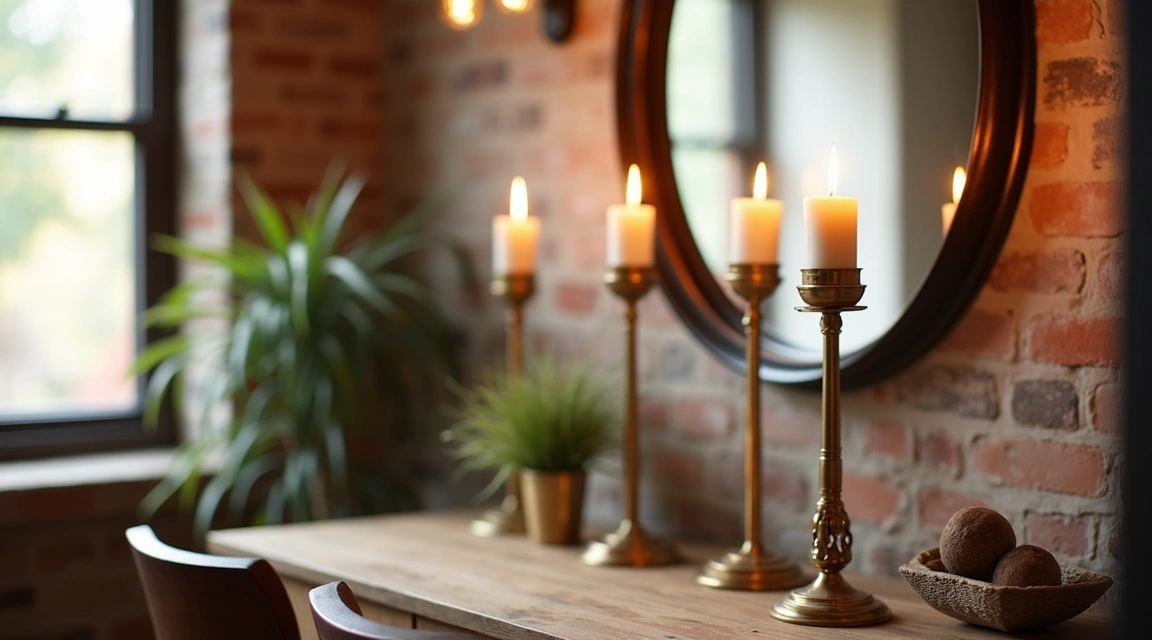
When I first decided to refresh my living space, I quickly realized that beautiful interiors don’t always require a designer’s budget. After years of trial, error, and plenty of thrift-store finds, I’ve learned that asking the right questions before diving into any design decision saves both money and heartache. Whether you’re comparing paint colors, furniture pieces, or entire room makeogens, a few strategic questions can keep your project on track without draining your wallet.
Interior design on a budget isn’t about sacrificing style—it’s about being smart with your choices. Before you compare options for that new sofa, wall treatment, or lighting fixture, pause and ask yourself the questions that will guide you toward solutions that look expensive but aren’t. Let me walk you through the framework I wish I’d had when I started.
What Problem Am I Actually Solving?
This might sound obvious, but I’ve wasted money on beautiful things that didn’t address my actual needs. Before comparing any design options, get crystal clear on the problem you’re solving. Is your space too dark? Do you need more storage? Are you trying to define separate zones in an open floor plan?
When my living room felt cramped, I initially compared expensive sectionals, thinking I needed bigger furniture. The real problem was poor furniture arrangement and dark walls making the space feel smaller. A can of light paint and rearranging what I already owned cost me about forty dollars instead of thousands. Define your core issue first, and you’ll compare the right solutions instead of expensive distractions.
Write down the specific problem in one sentence. If you can’t, you’re not ready to start shopping or comparing options yet. This single step has saved me from countless impulse purchases that would have gathered dust.
Pros of Budget-Conscious Interior Design
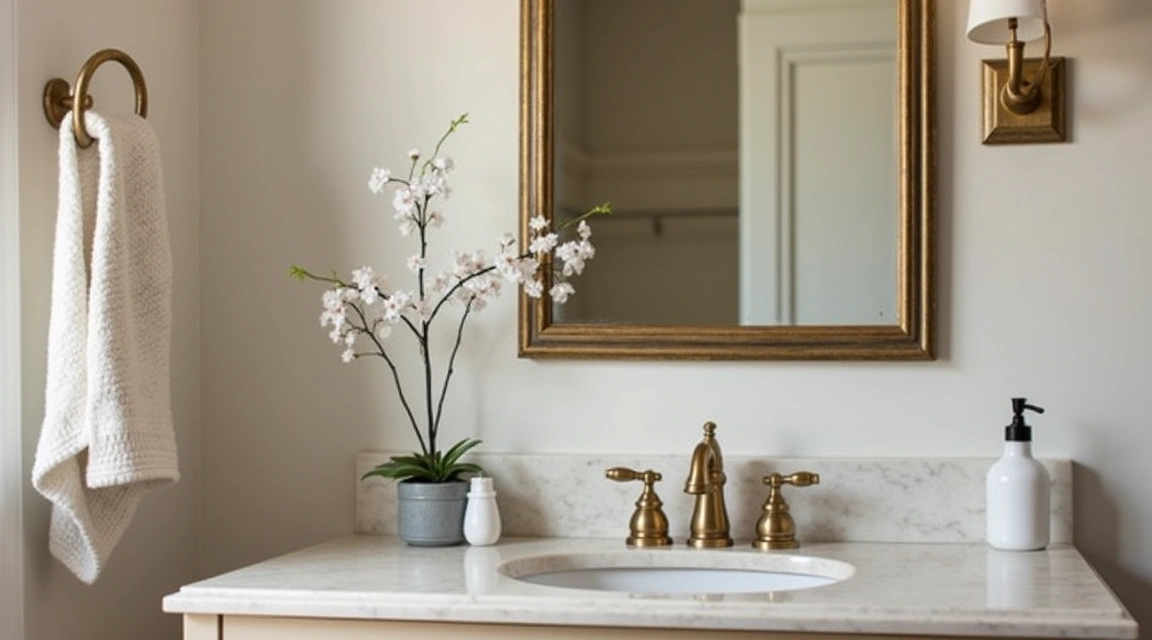
Working within budget constraints has taught me lessons that wealthy decorators never learn. The advantages go beyond just saving money, though that’s certainly nice.
Creativity flourishes under constraints. When you can’t just buy the first thing you see, you start noticing creative solutions everywhere. I’ve transformed vintage crates into shelving, used painters tape to create accent walls that mimic expensive wallpaper, and mixed high-street finds with thrift-store treasures in ways that look intentionally eclectic rather than budget-driven.
You learn what you actually love. When every purchase requires careful consideration, you develop a genuine sense of your style rather than following trends. I know exactly which colors make me happy, which textures I reach for, and which “must-have” items I can completely skip because I’ve had to think deeply about each choice.
Lower stakes mean more experimentation. A five-dollar throw pillow from a clearance rack is easy to replace if the color doesn’t work. A five-hundred-dollar designer pillow? That’s staying even if you hate it. Budget design lets you try bold ideas without fear, and some of my favorite rooms came from experiments I could afford to fail at.
Your space evolves naturally. Rather than doing one expensive overhaul, budget design happens in stages. This actually creates more livable, personal spaces because you’re constantly refining based on how you actually use each room. For more ideas on creating beautiful spaces affordably, explore our Interior Design on a Budget section.
Cons and Challenges to Consider
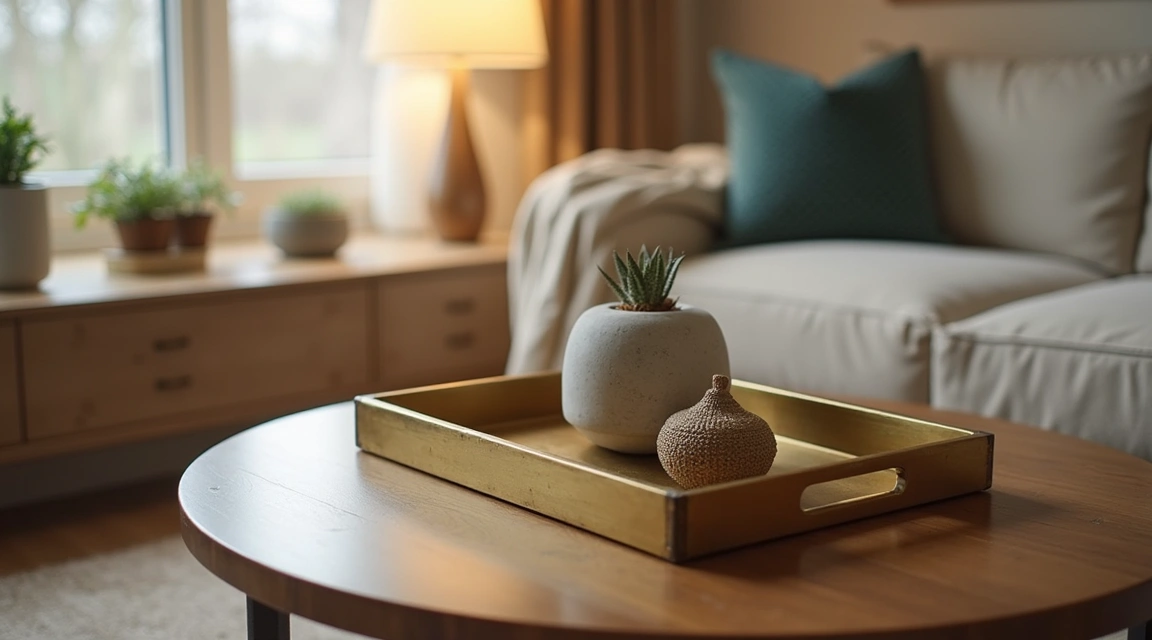
Budget interior design isn’t all clever hacks and thrift-store victories. There are real trade-offs I’ve learned to navigate, and pretending otherwise sets you up for frustration.
Time investment increases significantly. Finding that perfect affordable piece might mean visiting six stores, scrolling through dozens of online listings, or waiting weeks for a sale. I’ve spent entire Saturdays hunting for the right rug at the right price when I could have ordered something expensive in five minutes. Your time has value—calculate whether the hunt is worth the savings.
Quality can be genuinely lower. Not everything cheap is a good value. I’ve bought budget furniture that fell apart within a year, costing more in the long run than buying something better initially. Learning which items deserve investment and which can be budget-friendly is a skill that takes painful experience to develop.
Your vision takes longer to realize. When you’re waiting for sales, hunting for secondhand finds, or saving up for the next phase, your dream room might take months or years to complete. Living in half-finished spaces requires patience I didn’t know I needed.
Decision fatigue is real. Comparing dozens of options to find the best value is exhausting. Sometimes I’ve been so overwhelmed by choices that I’ve made worse decisions than if I’d had fewer options. The paradox of budget shopping is that more affordable choices can actually make choosing harder.
Who Is Budget Interior Design Best For?
This approach thrives for certain types of people and situations. I’ve found it works beautifully if you’re someone who enjoys the process as much as the result. If you like treasure hunting, researching alternatives, and thinking creatively about problems, budget design becomes a hobby rather than a chore.
First-time homeowners and renters benefit enormously because you’re learning what you like without expensive commitments. I decorated three apartments on a budget before buying a house, and that experience meant I made far better choices when I finally had walls I could paint and floors I could modify permanently.
People with evolving lifestyles—young families, students, career changers—benefit from the flexibility budget design offers. When your life might look completely different in three years, expensive permanent solutions can become expensive mistakes.
It’s also perfect for anyone who values sustainability. Budget design often means buying secondhand, repurposing existing items, and avoiding fast furniture that ends up in landfills. My most budget-conscious friends often have the most environmentally responsible homes.
However, if you genuinely hate shopping, research exhausts you, or you’d rather work extra hours than spend weekends hunting for deals, budget design might create more stress than it’s worth. There’s no shame in deciding that paying more for convenience aligns better with your values and lifestyle.
Essential Questions Before You Compare Any Options
Beyond identifying your core problem, these questions have saved me from expensive mistakes repeatedly:
What’s my absolute maximum budget? Set a firm number before you start comparing. I add a 15% buffer for unexpected costs because projects always reveal surprises. Once you have that number, stick to it. The budget itself eliminates options and makes comparison manageable.
How long do I need this to last? A guest bedroom chair that gets used twice a year can be budget-friendly in both price and quality. Your everyday dining table deserves more investment. I create a mental timeline for every piece, which helps me decide where to splurge and where to save.
Can I DIY, modify, or upgrade this later? Some budget options are perfect starting points for customization. I’ve bought plain curtains and added trim, purchased basic furniture and upgraded hardware, and started with builder-grade fixtures I replaced gradually. Other items can’t be easily modified, so they need to be right from the start.
What’s the cost per use? A seventy-dollar throw blanket you use daily for five years costs about four cents per day. A fifteen-dollar decorative item you never use costs infinity per use. This calculation has completely changed how I evaluate “expensive” versus “cheap.”
Will this work with what I already own? The cheapest option that clashes with everything else in your room isn’t really cheap—it forces you to replace other items. I always compare new options against photos of my existing space to ensure compatibility.
Frequently Asked Questions
How do I know when to splurge versus save on interior design items? Invest in items that touch your body daily or anchor a room: mattresses, sofas, dining chairs, and large rugs. Save on decorative accessories, trendy pieces you might tire of, and items in rooms you rarely use. I also splurge on anything I know I’ll keep for more than a decade, even if it means saving up for months.
What’s the biggest mistake people make when comparing budget design options? Choosing the absolute cheapest option without considering total cost of ownership. I’ve learned that the second-cheapest option is often the sweet spot—slightly better quality for only a modest price increase. Also, people forget to factor in assembly time, maintenance needs, and replacement costs when something fails early.
How can I make budget pieces look more expensive? Focus on details that signal quality: upgrade hardware on budget furniture, ensure everything is properly scaled for your room, maintain a consistent color palette, and keep spaces uncluttered. One well-placed quality item elevates everything around it, so I often buy one beautiful piece and surround it with budget finds. Proper lighting makes everything look better regardless of price, so that’s where I invest early in any room design.