

Choosing the right hardware for your home can feel overwhelming when you walk into a store or browse online catalogs filled with thousands of products. Whether you’re replacing a doorknob, upgrading your cabinet handles, or installing new locks, understanding what to review before you buy will save you time, money, and frustration. This guide walks you through every essential consideration, helping you make confident decisions that match your needs, style, and budget.
Home hardware includes everything from hinges and locks to drawer pulls and door handles. Each piece plays a functional role while also contributing to your home’s overall appearance. Making the wrong choice can mean repeated trips to the store, compatibility issues, or hardware that wears out too quickly. By following a systematic review process, you’ll avoid these common pitfalls and choose hardware that performs well for years to come.
Step 1: Measure Your Existing Hardware and Spaces
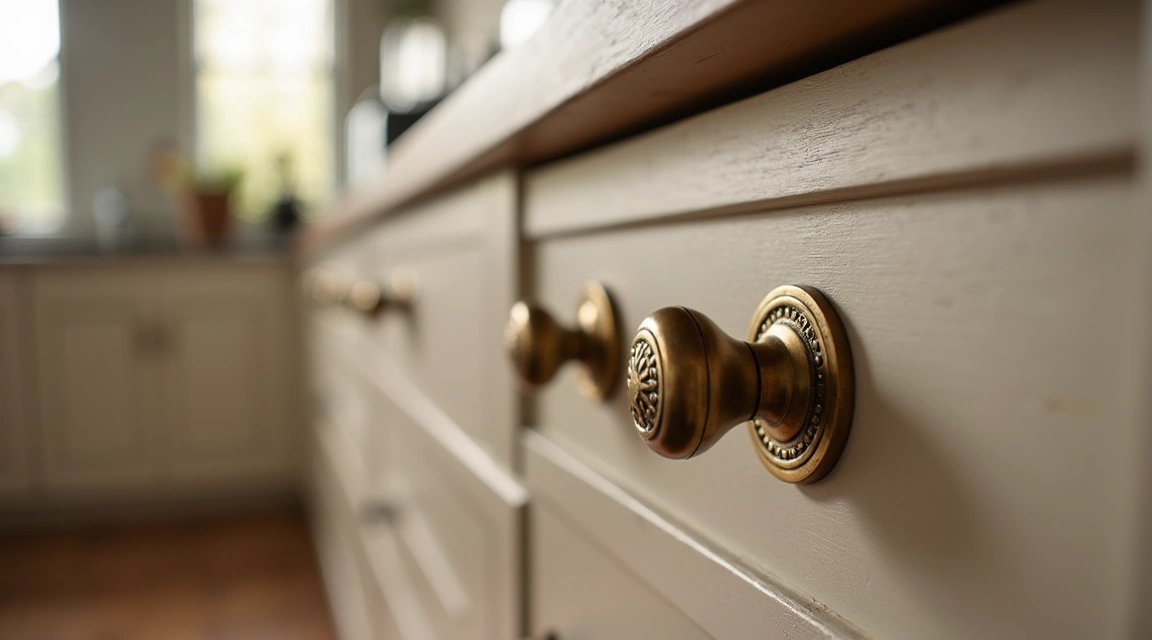
Start by measuring the existing hardware you plan to replace. Use a tape measure to record the distance between screw holes, known as the center-to-center measurement. This measurement is critical for cabinet pulls and handles because new hardware must align with existing holes to avoid drilling new ones.
For door hardware, measure the backset—the distance from the edge of the door to the center of the door knob hole. Standard backsets are typically 2⅜ inches or 2¾ inches. Also measure the door thickness, as some locksets only fit specific thicknesses. Write down all measurements before shopping.
Caution: Measuring in millimeters when your existing hardware uses inches, or vice versa, can lead to purchasing incompatible pieces. Always double-check which unit system your hardware uses and convert accurately if needed.
Step 2: Identify the Correct Finish and Material
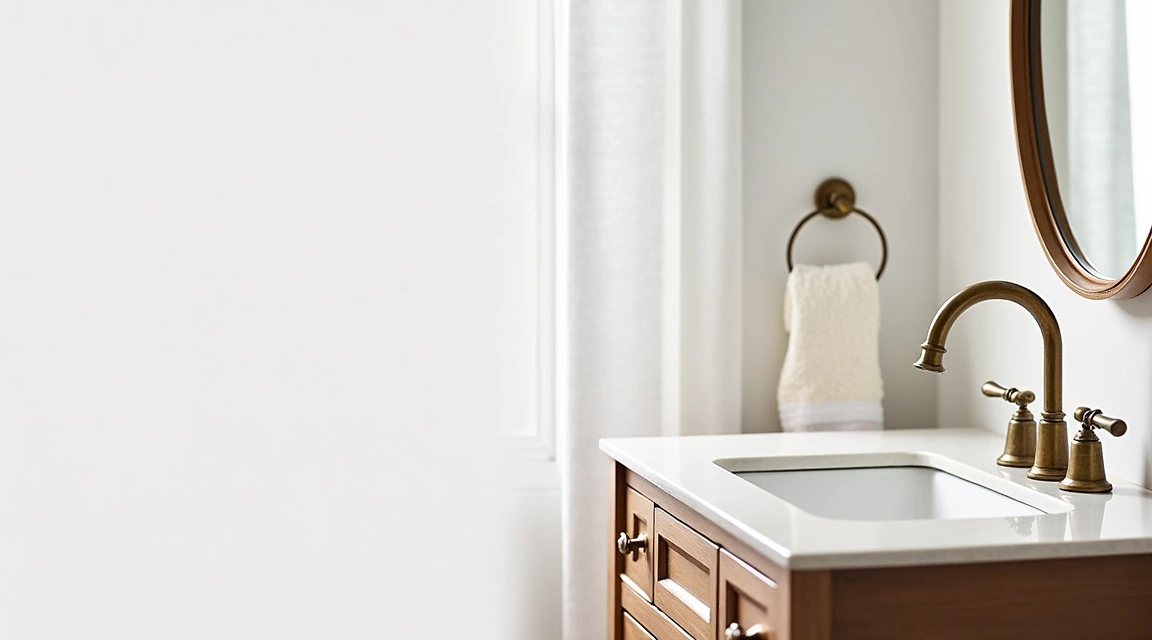
Hardware finishes must match or complement other fixtures in the room. Common finishes include polished brass, satin nickel, oil-rubbed bronze, chrome, and matte black. Walk through your home and note the finishes on existing light fixtures, faucets, and other hardware to maintain visual consistency.
Material quality varies significantly. Solid brass hardware lasts longer than brass-plated zinc alloy, though it costs more. Stainless steel resists corrosion well in humid environments like bathrooms and coastal homes. Check product descriptions carefully—terms like “brass finish” often mean a coating over cheaper metal, not solid brass construction.
Caution: Mixing too many finishes in one room creates visual chaos. Limit yourself to two complementary finishes maximum per space, and use them consistently across all hardware elements.
Step 3: Understand Functionality and Security Requirements

Different hardware serves different purposes. Cabinet knobs work well for small drawers, while pulls provide better leverage for larger drawers and heavy cabinet doors. Door locks come in privacy, passage, and keyed entry types—each designed for specific locations and security needs.
For exterior doors, review the lock’s security grade. The American National Standards Institute rates locks from Grade 1 (highest security) to Grade 3 (basic residential). Grade 1 locks withstand more forced entry attempts and last longer, making them worth the investment for entry doors. Privacy locks for bathrooms need simple push-button mechanisms, while passage hardware for hallways requires no locking function at all.
If you’re installing smart locks or electronic hardware, verify compatibility with your existing door structure and your smartphone operating system. Check whether batteries are included and how often they need replacement.
Caution: Installing a high-security lock on a weak door or frame provides false security. The overall strength of your entry system depends on every component working together, not just the lock quality.
Step 4: Check Installation Requirements and Tools Needed
Read installation instructions before purchasing. Some hardware requires only a screwdriver, while other pieces need drilling, chiseling, or specialized tools. Door locksets often require a hole saw drill bit in a specific diameter, and if you don’t own one, factor that cost into your budget.
Review whether the hardware comes with mounting screws and templates. Quality manufacturers include paper templates that help you mark drilling locations accurately. Missing templates mean you’ll need to measure and mark positions yourself, increasing the chance of errors.
Consider your skill level honestly. Complex multi-point lock systems or mortise locks require woodworking experience and precision. If installation instructions mention terms you don’t understand or show steps that seem complicated, you may need to hire a professional installer.
Caution: Forcing hardware that doesn’t fit properly can strip screw holes, crack doors, or damage cabinet faces. If installation feels difficult, stop and review the instructions rather than continuing with excessive force.
Step 5: Calculate the Total Quantity You Need
Count every location where you need hardware. For a full kitchen cabinet update, open every door and drawer to create an accurate count. Separate the count by type—how many knobs, how many pulls, how many hinges.
Add 10% extra pieces to your order to account for manufacturing defects, installation mistakes, or future repairs. Hardware from the same production batch matches perfectly, but purchasing additional pieces months or years later may result in slight color or finish variations even within the same product line.
For projects with many identical pieces, order samples first if possible. A single knob or pull lets you test the finish quality, weight, and feel before committing to fifty pieces. Some retailers offer sample programs or easy returns specifically for this purpose.
Caution: Ordering insufficient hardware stops your project halfway through completion and may force you to wait days or weeks for additional pieces, especially if you’re ordering online or using special-order finishes.
Step 6: Review Return Policies and Warranty Terms
Before completing your purchase, read the return policy completely. Many retailers accept returns only on unopened hardware, while others allow returns of opened items within a specific timeframe. Keep all packaging materials until installation is complete and you’re satisfied with the appearance and function.
Check warranty coverage carefully. Quality hardware typically includes lifetime warranties against manufacturing defects, but finishes may only be warranted for one to five years. Electronic locks usually have shorter warranties, often one to two years. Understand what the warranty covers—some exclude finish deterioration from normal wear, while others replace entire units.
Save your receipts and product documentation. If you discover a defect during installation or shortly after, you’ll need proof of purchase to claim warranty service. Photograph the hardware in packaging before installation as additional documentation.
Caution: Installing hardware voids some warranties, particularly for complex locksets. Read warranty terms before opening packages to understand whether professional installation is required to maintain coverage.
Common Mistakes to Avoid When Buying Home Hardware
One frequent error is choosing hardware based solely on appearance without testing how it feels. A beautiful knob that’s too small or too slippery becomes frustrating in daily use. Always handle display models or samples to assess grip comfort, weight, and ease of operation.
Another mistake is ignoring the projection measurement—how far hardware extends from the surface. Deep cabinet pulls may hit nearby walls or appliances when drawers open fully. Door handles on narrow hallways might bump into opposite walls. Measure available clearance before selecting extended designs.
Many buyers underestimate the importance of consistent screw lengths. Screws that are too long penetrate through thin cabinet doors, while screws that are too short don’t secure hardware properly. Measure material thickness and verify included screw lengths match your needs, or purchase appropriate screws separately.
Failing to consider cleaning and maintenance is another oversight. Intricate designs with crevices collect dust and grime, requiring frequent detailed cleaning. High-touch hardware in kitchens and bathrooms needs finishes that resist fingerprints, water spots, and cleaning chemical damage. Oil-rubbed bronze and matte finishes typically hide smudges better than polished chrome or brass.
Some people buy hardware without checking the manufacturer’s reputation. Unknown brands may offer attractive prices, but replacement parts become impossible to find when something breaks. Established manufacturers maintain product lines for years and stock replacement parts, providing long-term value even at higher initial cost. For more guidance on selecting quality fixtures throughout your home, visit our Home Hardware Buying Guide section.
Making Your Final Decision
After reviewing all these factors, create a simple checklist before purchasing. Confirm measurements match, finishes coordinate with existing fixtures, functionality suits each location, you have necessary tools or installation help arranged, quantity calculations are complete with extras included, and return policies are acceptable.
Compare prices across multiple retailers, but remember that the lowest price isn’t always the best value. Factor in shipping costs, return shipping fees if items don’t work out, and the potential cost of hiring help if installation proves too difficult. A slightly higher price from a local store that offers free returns and installation advice may save money overall.
Quality home hardware represents an investment in your daily comfort and your home’s value. Well-chosen pieces function smoothly for decades and maintain their appearance through thousands of uses. By taking time to review these essential considerations before buying, you’ll select hardware that meets your practical needs, matches your aesthetic preferences, and provides reliable performance for years to come. Start with careful measurement, understand your functional requirements, verify quality and compatibility, and keep documentation safe for future reference.