
When planning a kitchen or bathroom remodel, cabinet hardware often represents a smaller line item in the overall budget, yet the final quote can vary dramatically from initial expectations. Understanding what drives cabinet hardware pricing helps homeowners, contractors, and designers make informed decisions and avoid budget overruns. This guide explores the factors that influence cabinet hardware costs and provides practical operating tips to secure accurate quotes and manage expenses effectively.
Cabinet hardware encompasses pulls, knobs, hinges, drawer slides, and decorative accessories. While a single knob might cost anywhere from two dollars to over fifty, the cumulative effect across an entire kitchen or set of cabinets can shift your total project cost by hundreds or even thousands of dollars. The difference between a preliminary estimate and the final invoice often surprises buyers who haven’t accounted for the full range of cost variables.
Core Factors That Determine Cabinet Hardware Pricing
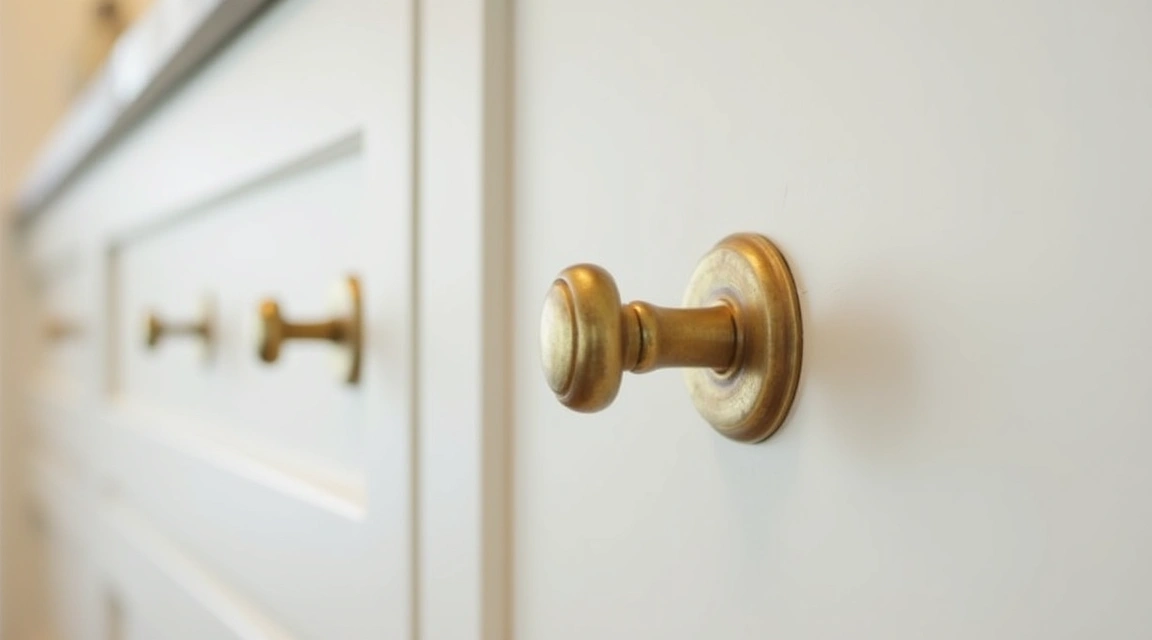
Material composition stands as the primary cost driver. Solid brass hardware commands premium pricing due to material density, weight, and durability. Zinc alloy pieces coated with finishes cost less but still deliver quality performance in most residential applications. Stainless steel offers excellent corrosion resistance, making it ideal for coastal or high-humidity environments, though pricing sits in the mid-to-upper range. Plastic and composite materials occupy the budget tier, suitable for rental properties or temporary installations but lacking the longevity of metal alternatives.
Finish complexity significantly impacts the final quote. A simple satin nickel or brushed chrome finish involves fewer manufacturing steps than antiqued bronze, hand-rubbed oil finishes, or multi-tone treatments. Specialty finishes such as Venetian bronze, champagne gold, or matte black with distressing require additional labor and protective coatings, adding cost at every production stage. Custom color matching or proprietary finish formulations can double or triple the base hardware price.
Brand positioning and country of origin create substantial price differentials. Domestic manufacturers who maintain US or European production facilities typically charge more than imported alternatives due to higher labor costs and stricter quality control standards. Designer brands and architectural hardware lines marketed through showrooms carry brand premiums that reflect marketing expenses, warranty support, and exclusivity rather than purely material costs. Generic import hardware may offer similar aesthetics at a fraction of the price, though consistency and long-term availability can prove challenging.
Design complexity and engineering requirements affect pricing across all categories. Simple round knobs with single mounting screws cost less to manufacture and install than elongated pulls requiring precise hole spacing or integrated backplates. Hidden European-style hinges with soft-close mechanisms cost more than exposed butt hinges. Full-extension undermount drawer slides with weight ratings exceeding 100 pounds command premium pricing compared to basic side-mount options. When hardware serves both functional and decorative roles—such as finger pulls milled into cabinet faces—labor costs can exceed material expenses.
Quantity Calculations and Installation Realities
Accurate quantity estimation prevents costly reorders and delays. Count every cabinet door, drawer, and specialty piece separately. Standard protocol assigns one pull or knob per drawer and door under 24 inches wide, while wider doors and drawers often benefit from two pulls for balanced operation. Don’t overlook specialty items: lazy Susan hardware, lift mechanisms for appliance garages, open shelving brackets, and toe-kick ventilation covers all contribute to the final hardware total.
Installation labor varies by hardware type and cabinet construction. Drilling new holes in solid wood cabinet faces requires precision jigs and careful measurement to avoid splitting or misalignment. Replacing existing hardware with different hole spacing demands filling old holes and refinishing, adding time and cost. Heavy pulls on large drawers may require reinforcement behind thin cabinet fronts. Professional installers typically charge by the piece or hour, with complex installations commanding higher rates than straightforward replacements.
Template accuracy becomes critical when installing multiple pieces with uniform spacing. Professional cabinet makers use drilling jigs calibrated to specific hardware dimensions. Inconsistent hole placement creates a visibly amateur result that diminishes the overall project quality. For homeowners attempting self-installation, invest in a proper hardware jig rather than relying on tape measures and pencil marks—the tool cost offsets potential mistakes on even a modest-sized kitchen.
Operating Tips for Managing Hardware Costs

Request itemized quotes that separate hardware costs from installation labor. This transparency allows comparison shopping and helps identify where pricing seems disproportionate. Ask suppliers whether volume discounts apply—many manufacturers and distributors offer tiered pricing when ordering complete sets rather than individual pieces.
Sample before committing to full quantities. Most reputable hardware suppliers offer sample programs where you can purchase one or two pieces to evaluate in your actual space under your lighting conditions. Finishes photograph differently than they appear in person, and scale can deceive in online listings. A pull that looks substantial in a product photo may feel undersized when mounted on a 36-inch cabinet door.
Consider mixing price points strategically. High-visibility hardware on island cabinets and primary work zones can feature premium pieces, while less-prominent locations accept quality mid-range options in matching finishes. This approach delivers visual impact where it matters most while controlling overall expenditure. Ensure finish consistency across price tiers by ordering from the same manufacturer’s product line.
Account for replacement and spare pieces. Order five to ten percent beyond your exact count to cover manufacturing defects, installation mistakes, or future replacements. Cabinet hardware experiences regular use, and finish wear or mechanical failure may require replacements years after installation. Discontinued patterns force complete hardware replacement if spares aren’t available, turning a simple fix into a significant expense.
Timing purchases around sales cycles and market conditions can yield substantial savings. Many hardware retailers offer seasonal promotions, contractor discounts, or closeout pricing on discontinued finishes. However, ensure discontinued items won’t pose long-term matching problems if future additions or replacements become necessary. For cabinet hardware prices, market fluctuations in base metal costs occasionally trigger industry-wide price adjustments, making timing a legitimate consideration for large projects.
Hidden Costs and Quote Accuracy
Shipping expenses on hardware orders can surprise unprepared buyers. Heavy brass pulls and large quantities add substantial weight, triggering dimensional weight charges or freight shipping requirements. Small suppliers may lack free shipping thresholds that larger retailers offer. International orders face customs duties, extended delivery times, and complicated return processes if pieces arrive damaged or incorrect.
Return policies and restocking fees deserve careful review before ordering. Many hardware suppliers classify cabinet hardware as a custom or non-returnable item once packages are opened, particularly for finish-matched sets. Restocking fees of 15 to 30 percent apply even when returning unopened merchandise. Verify policies before purchasing, especially when ordering unfamiliar brands or finishes without prior sampling.
Installation supplies beyond the hardware itself add incremental costs often omitted from initial quotes. Mounting screws of appropriate length for your cabinet thickness, wood filler for old holes, touch-up paint or stain, drill bits, and installation templates all contribute to the true project cost. Professional installers include these consumables in labor rates, but DIY projects require separate purchases.
Long-term maintenance costs vary by finish and material. Lacquered finishes may require periodic reapplication in high-use areas. Unlacquered brass develops natural patina that some owners find desirable and others see as tarnish requiring regular polishing. Painted finishes show wear at contact points, eventually demanding touch-up or replacement. Factor these lifecycle considerations into total cost of ownership, not just initial purchase price.
Price Comparison and Value Assessment
| Cost Factor | Budget Range Impact | Mid-Range Impact | Premium Impact |
|---|---|---|---|
| Material (per piece) | Zinc alloy, composite | Stainless steel, brass-plated | Solid brass, bronze |
| Finish complexity | Basic chrome, nickel | Brushed, satin treatments | Antiqued, hand-rubbed, custom |
| Brand positioning | Generic import | Recognized domestic brand | Designer, architectural line |
| Installation difficulty | Standard knobs, exposed hinges | Pulls with backplates, soft-close | Custom drilling, specialized mechanisms |
| Typical price per piece | $2–$8 | $8–$25 | $25–$100+ |
| Kitchen quantity example (30 pieces) | $60–$240 | $240–$750 | $750–$3,000+ |
Conclusion and Strategic Recommendations
Cabinet hardware pricing reflects a complex interplay of material quality, manufacturing processes, design sophistication, and brand positioning. The final quote depends not only on per-piece costs but also on accurate quantity calculations, installation requirements, and often-overlooked expenses such as shipping, samples, and spare inventory. Budget-conscious buyers can achieve quality results by prioritizing spending on high-visibility locations, sampling before committing to full orders, and timing purchases strategically.
Professional contractors and designers should educate clients about the full cost spectrum early in the planning process. Presenting hardware options across multiple price tiers with clear quality and longevity trade-offs helps clients make informed decisions aligned with their priorities. Transparent itemization of hardware costs separate from installation labor builds trust and simplifies change orders when clients adjust selections mid-project.
For homeowners managing their own renovations, the most reliable path to accurate quotes involves requesting detailed written estimates that specify exact quantities, model numbers, finishes, and installation scope. Verify that quotes include all necessary components—mounting hardware, specialty pieces, and installation supplies—rather than just the visible pulls and knobs. With thorough planning and attention to the factors outlined in this guide, you can secure competitive hardware pricing without sacrificing the quality and aesthetic impact that excellent hardware brings to your cabinetry investment.