
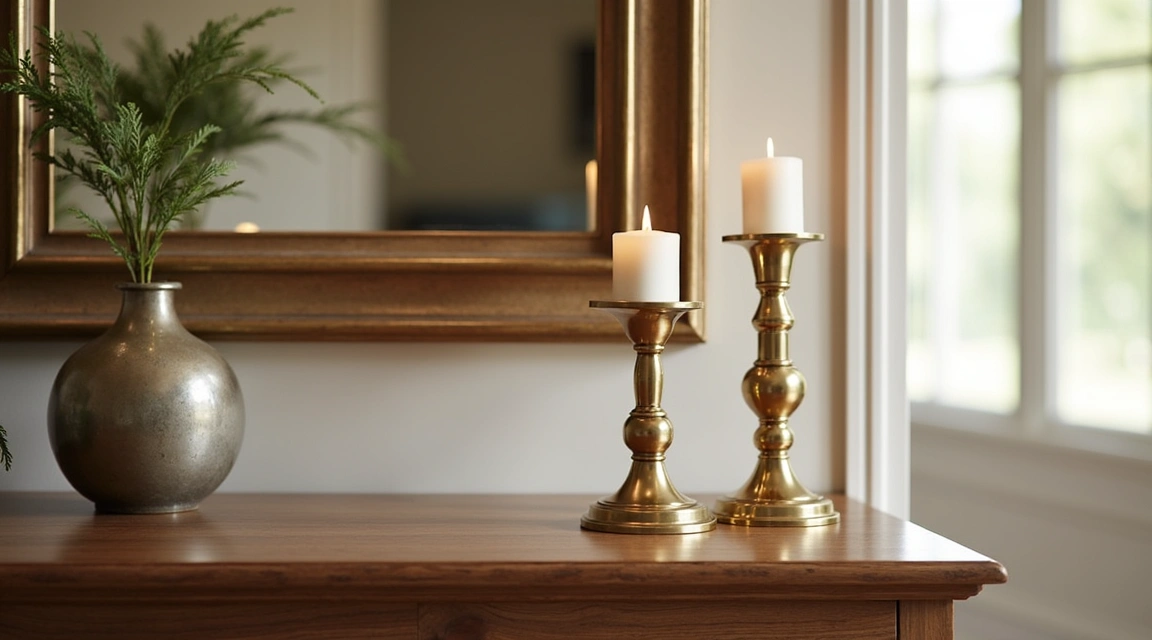
When I first set out to restore the hardware in my 1920s Colonial Revival home, I felt completely overwhelmed. The world of brass hardware seemed filled with confusing terms, wildly varying prices, and countless finish options. After replacing knobs, hinges, and fixtures throughout three floors, I learned that choosing the right brass hardware for classic interiors doesn’t have to be intimidating. This guide walks you through everything I wish someone had told me before I started, so you can make confident decisions that enhance your home’s character without breaking the bank or making costly mistakes.
Brass hardware serves as the jewelry of classic interiors, and getting it right makes an enormous difference in how authentic and polished your space feels. Whether you’re restoring a period home, refreshing a traditional space, or adding vintage charm to a newer build, understanding the basics will help you navigate showrooms and online catalogs with confidence.
What Makes Brass Hardware Right for Classic Interiors
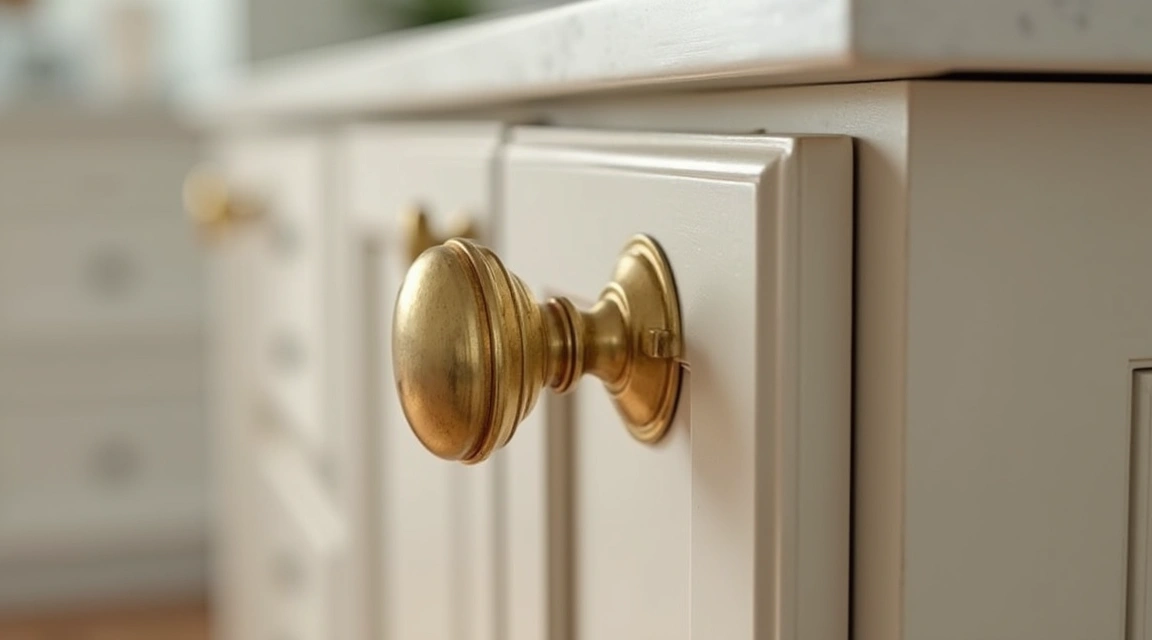
Brass has been the hardware material of choice in fine homes for centuries, and there are solid reasons why it remains popular today. The warm golden tone complements wood tones beautifully, from rich mahoganies to lighter oaks. Unlike chrome or nickel, brass develops a living patina over time that adds depth and character rather than looking worn out.
From my experience, solid brass pieces feel substantially different in your hand compared to brass-plated alternatives. When you turn a solid brass doorknob, there’s a reassuring weight and smooth action that cheaper options simply can’t replicate. This quality becomes especially noticeable on frequently used items like entry door handles and cabinet pulls.
Another advantage I discovered is brass’s natural antimicrobial properties. While this shouldn’t replace regular cleaning, brass surfaces naturally inhibit bacterial growth more than many other metals, which is a practical benefit in high-touch areas like bathrooms and kitchens.
Brass hardware also offers remarkable versatility in finish options. You can choose from polished brass for maximum shine, antique brass for an aged look, satin brass for subtle elegance, or unlacquered brass that develops its own unique patina over time. For those exploring different styles and periods, our Brass Hardware Buying Guides section covers various approaches to matching hardware with architectural styles.
The durability factor cannot be overstated. Quality brass hardware can literally last for generations. Many of the original pieces I found in my home were still functional after nearly a century of use, requiring only cleaning and minor adjustment rather than replacement.
Challenges and Considerations When Buying Brass Hardware
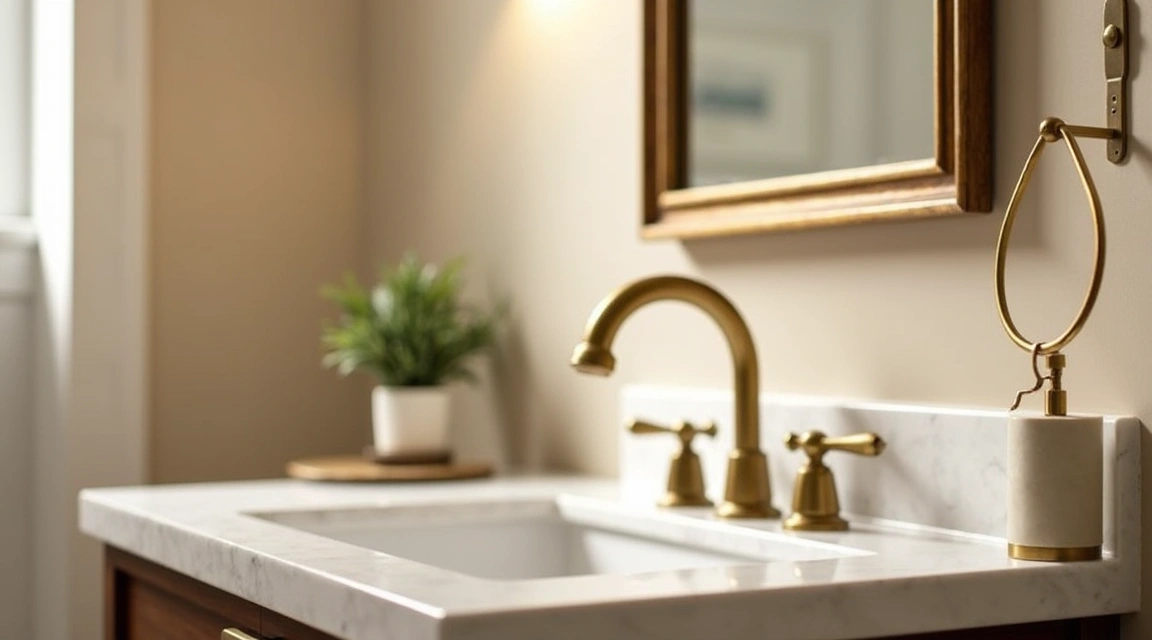
Despite its many advantages, brass hardware comes with challenges you should understand before purchasing. The most immediate concern for many buyers is cost. Solid brass pieces typically cost significantly more than brass-plated or alternative metal options. A single solid brass doorknob can range from moderate to premium prices depending on design complexity and manufacturer, while an entire home’s worth of hardware represents a substantial investment.
Maintenance requirements vary dramatically depending on the finish you choose. Polished brass requires regular polishing to maintain its shine, which I found tedious on pieces that weren’t immediately visible. Lacquered brass eliminates polishing but can eventually show wear in the lacquer finish itself, creating an uneven appearance that’s actually harder to fix than natural tarnish. Unlacquered brass develops patina beautifully but requires you to embrace the changing appearance rather than maintaining one consistent look.
Another challenge I encountered was matching existing hardware. Brass tones vary between manufacturers and even between production runs from the same maker. If you’re replacing just a few pieces in a home with existing brass, getting an exact match can be nearly impossible. I learned to either commit to replacing entire sets in each room or deliberately choose complementary rather than identical pieces.
The weight of solid brass, while generally an advantage, can cause problems with older or hollow-core doors. I had to reinforce several door frames and replace worn strike plates because the original installations couldn’t handle the heft of quality brass hardware. This added unexpected costs and time to my project.
Availability and lead times present another practical hurdle. Many high-quality brass hardware manufacturers operate on made-to-order or limited production schedules. When I needed pieces quickly for a renovation deadline, I discovered that premium options often required weeks or even months for delivery. Planning ahead becomes essential, which doesn’t always align with renovation timelines.
Finally, there’s a learning curve in understanding quality indicators. Terms like “solid brass,” “brass-plated,” “brass finish,” and “brass tone” sound similar but represent vastly different products at vastly different price points. Early in my search, I nearly purchased brass-finished zinc pieces thinking I was getting a deal on solid brass, which would have been a disappointing mistake.
Who Should Invest in Quality Brass Hardware
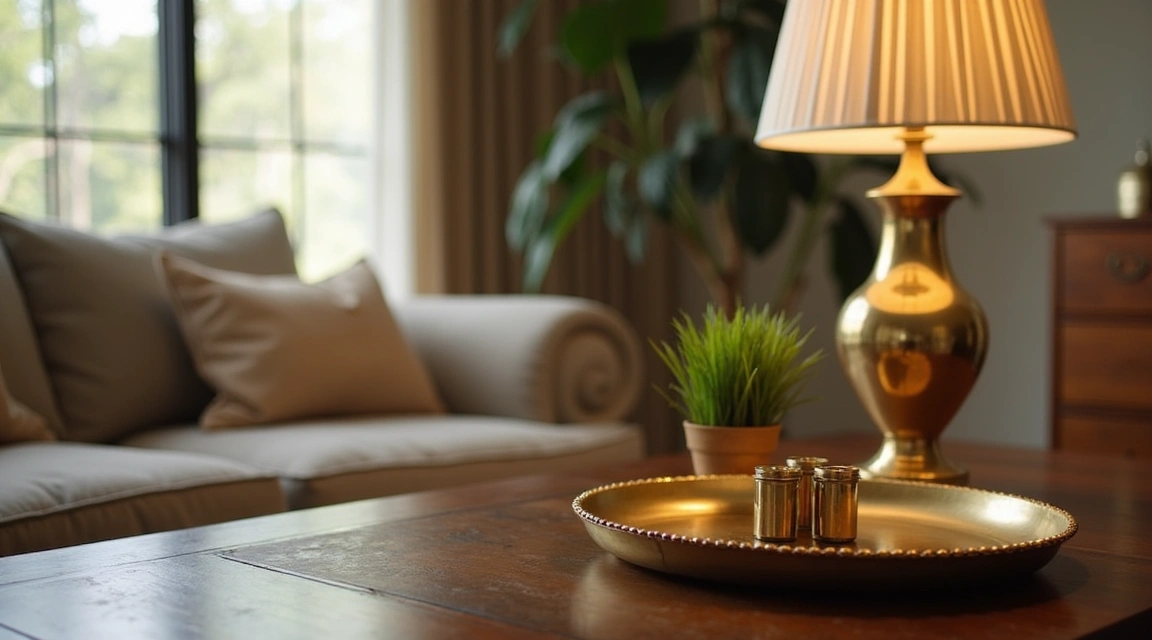
Quality brass hardware makes the most sense for homeowners committed to authenticity in period homes. If you own a Victorian, Colonial, Craftsman, or other traditional-style home and care about historical accuracy, brass hardware is often the correct choice both aesthetically and historically. The investment pays dividends in maintaining or increasing your home’s value and character.
This approach also works well for anyone planning to stay in their home long-term. When you’re building a forever home or conducting a once-in-a-lifetime renovation, the durability of solid brass means you’ll likely never need to replace these pieces again. The higher upfront cost becomes reasonable when spread across decades of use.
Homeowners with a strong design vision who want their hardware to make a statement should consider quality brass. If you view hardware as an integral design element rather than purely functional items, the visual and tactile qualities of solid brass deliver satisfaction that cheaper alternatives cannot match.
On the other hand, if you’re working with a tight budget or planning to sell soon, brass-plated or alternative materials might serve better. There’s no shame in prioritizing other renovation elements over premium hardware when resources are limited. Similarly, if you prefer modern or industrial aesthetics, materials like brushed nickel, matte black, or stainless steel might suit your vision better than brass.
Renters and those in temporary housing should generally avoid the investment unless they can take the hardware with them. While technically possible, removing and reinstalling quality hardware across multiple moves rarely makes practical sense.
Frequently Asked Questions
How can I tell if hardware is solid brass or just brass-plated?
Solid brass has substantial weight for its size and should be marked somewhere with the manufacturer’s indication, though sometimes this requires removing the piece to check. A magnet test helps: brass is not magnetic, so if a magnet sticks, you’re dealing with plated steel or iron. Be aware that some plated pieces over non-magnetic zinc won’t attract magnets either, so weight and reputable sourcing remain your best indicators. When purchasing in person, the heft difference between solid brass and plated alternatives is immediately obvious once you know what to feel for.
Should I choose lacquered or unlacquered brass for my classic interior?
This depends on your maintenance preferences and desired aesthetic. Lacquered brass maintains its initial appearance longer with minimal care, making it practical for busy households or less-accessible fixtures. However, when the lacquer eventually degrades, the piece can look shabby and requires professional relacquering or complete stripping. Unlacquered brass develops a natural patina that many find beautiful and authentic to classic interiors, but you must accept that its appearance will change over time. I personally prefer unlacquered for visible pieces where the patina adds character, and save lacquered options for areas where I want consistent shine without frequent polishing.
Can I mix brass hardware with other metal finishes in the same room?
While traditional design rules suggested matching all metals in a space, contemporary approaches to classic interiors allow for more flexibility. Mixing metals successfully requires intention rather than accident—choose a dominant metal (perhaps brass for most hardware) and use accent metals (like oil-rubbed bronze or polished nickel) sparingly on specific elements. In my home, I use brass for door hardware and light switches, but incorporated bronze cabinet pulls in the kitchen for visual interest. The key is ensuring there’s enough of each finish to look deliberate rather than mismatched, and maintaining consistent finishes on related items throughout each room.