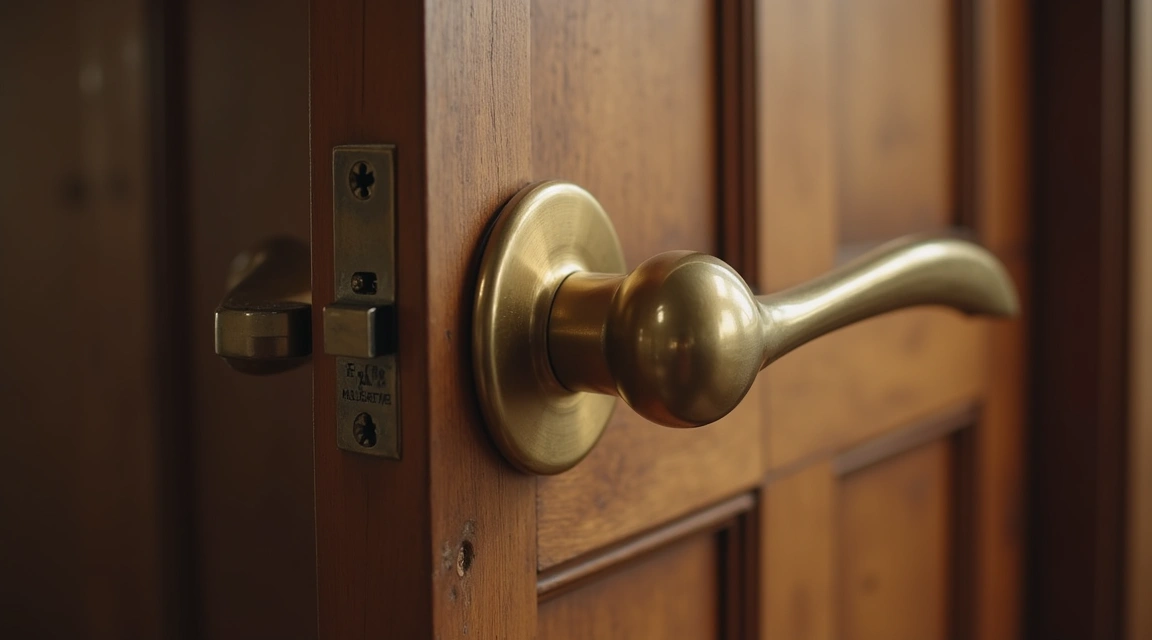
Brass door handles add a timeless elegance to any home, but they require regular care to maintain their warm, golden shine. Without proper maintenance, brass can tarnish, develop green patina, or lose its luster. This complete guide walks you through everything you need to know about keeping your brass door handles looking beautiful for years to come.
Whether you have unlacquered brass that develops a natural patina or lacquered brass designed to resist tarnishing, understanding the right cleaning techniques will help you preserve these classic fixtures. The good news is that with simple household items and a few minutes of your time, you can restore and maintain the rich appearance of brass hardware throughout your home.
Understanding Your Brass Door Handle Type
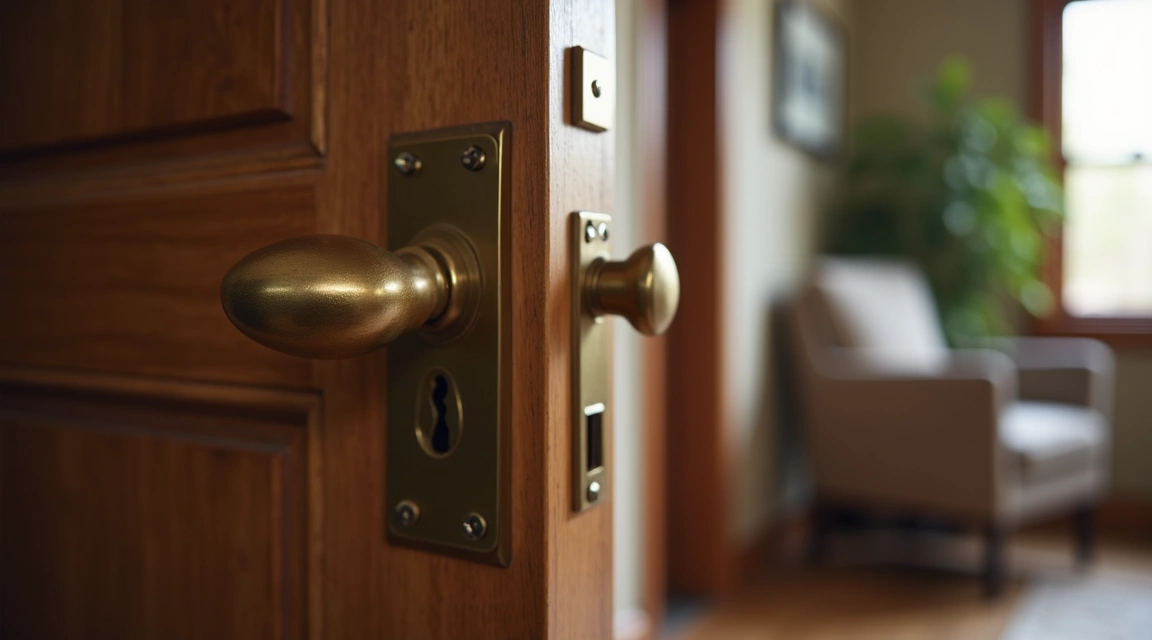
Before you begin any maintenance routine, you need to identify what type of brass finish you’re working with. This critical first step determines which cleaning methods are safe to use.
Step 1: Test whether your brass is lacquered or unlacquered. Place a magnet against the handle—if it doesn’t stick, you likely have solid brass. Next, apply a small amount of white vinegar to an inconspicuous spot with a cotton swab. If the brass immediately begins to shine, it’s unlacquered. If nothing happens, a protective lacquer coating is present.
Caution: Never use acidic cleaners on lacquered brass, as they can damage the protective coating and create uneven discoloration that’s difficult to repair.
Lacquered brass has a clear protective coating applied during manufacturing that prevents oxidation and tarnishing. This finish requires gentler cleaning methods. Unlacquered brass, also called living brass, will naturally develop a patina over time, which some homeowners prefer for its antique appearance. Others prefer to keep unlacquered brass polished to a bright shine.
Solid brass differs from brass-plated hardware, which has only a thin layer of brass over another metal (usually zinc). Brass-plated handles require even gentler treatment since aggressive cleaning can wear through the brass layer entirely.
Basic Weekly Cleaning Routine
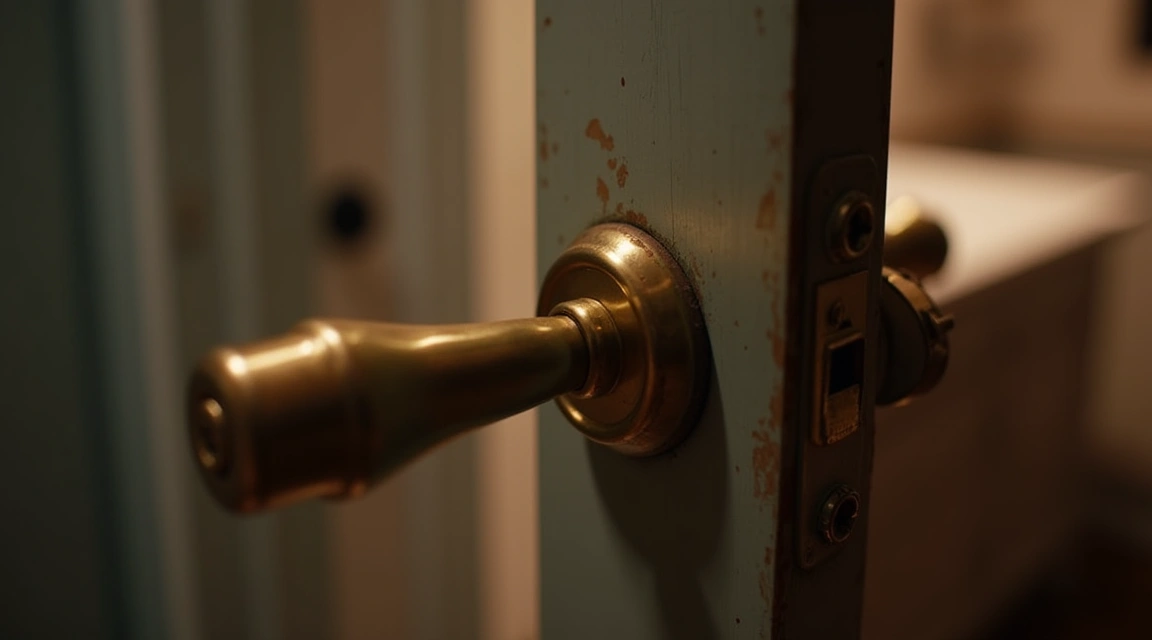
Regular gentle cleaning prevents dirt buildup and reduces the need for intensive polishing sessions. This simple routine takes just minutes and keeps your brass handles hygienic and attractive.
Step 2: Mix a few drops of mild dish soap with warm water in a small bowl. Dampen a soft microfiber cloth with this solution—never soak the cloth, as excess water can seep into the door mechanism. Wipe down the entire handle, paying attention to grooves and decorative details where oils from hands accumulate.
Caution: Avoid using abrasive sponges, steel wool, or scrub brushes, which will scratch the brass surface and create permanent damage that dulls the finish.
Step 3: Immediately dry the handle with a clean, dry microfiber cloth. This prevents water spots and stops moisture from accelerating tarnish formation. Buff gently in circular motions to restore shine.
Caution: Never allow water to air-dry on brass, as minerals in tap water will leave cloudy spots that become increasingly difficult to remove over time.
For high-traffic handles in entryways or frequently used bathrooms, this cleaning should be done twice weekly. Handles in guest rooms or less-used areas can be maintained with weekly or bi-weekly cleaning. The oils and acids from human hands are actually the primary cause of brass tarnishing on door handles, making regular cleaning essential.
Deep Cleaning and Polishing Methods
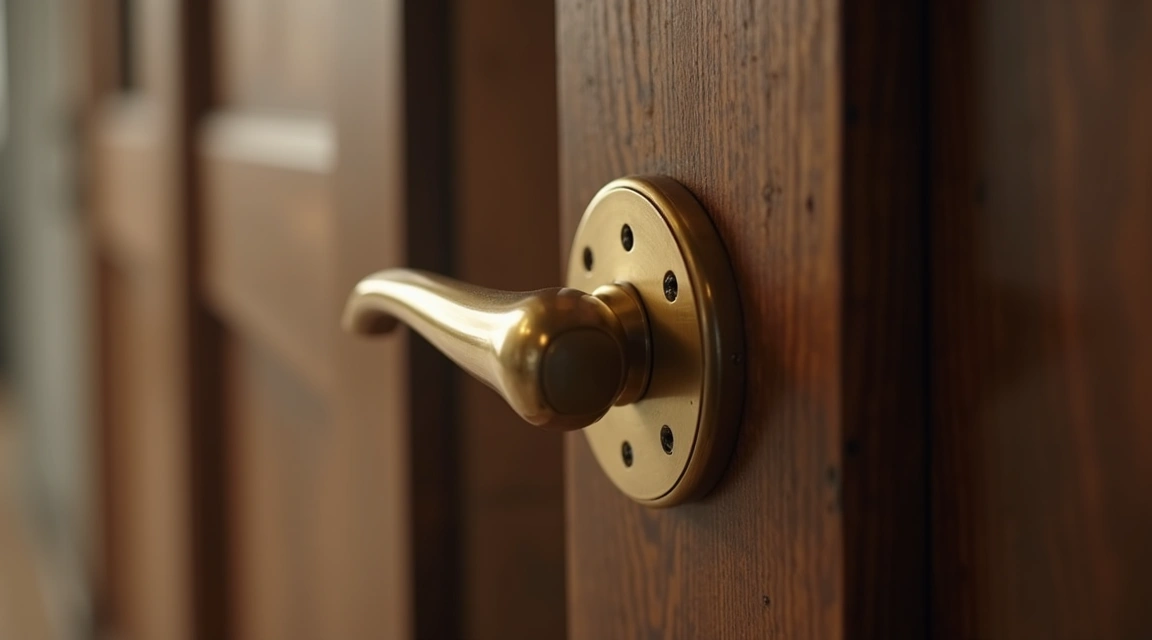
Even with regular maintenance, unlacquered brass will eventually require polishing to remove tarnish and restore its brilliant shine. Several effective methods exist, from commercial products to household ingredients.
Step 4: For unlacquered brass, create a natural cleaning paste using equal parts white vinegar, flour, and salt. Mix these ingredients in a small bowl until you have a thick paste consistency. Apply this paste to the tarnished brass using a soft cloth, rubbing gently in circular motions.
Caution: This acidic mixture works only on unlacquered brass—using it on lacquered finishes will strip the protective coating and cause irreversible damage requiring professional refinishing.
Allow the paste to sit for 15-30 minutes, but don’t let it dry completely. The acidic vinegar breaks down the copper oxide (tarnish) while the salt provides mild abrasion and the flour acts as a gentle binding agent. After the waiting period, rinse thoroughly with warm water and dry immediately with a clean cloth.
Alternative natural methods include using lemon juice with baking soda (creating a similar chemical reaction) or using ketchup, which contains both vinegar and salt. Simply apply a thin layer of ketchup to tarnished brass, wait 20 minutes, rinse, and dry. While this sounds unusual, many professional cleaners recommend this method for its effectiveness and safety.
Step 5: For commercial brass polishes, choose products specifically labeled for brass and follow manufacturer instructions carefully. Apply a small amount to a soft cloth and work in small sections. Use gentle pressure and circular motions, then buff away residue with a clean cloth.
Caution: Commercial polishes often contain harsh chemicals—work in a well-ventilated area, wear gloves if you have sensitive skin, and keep these products away from children and pets.
Quality commercial brass polishes like Brasso, Wright’s Brass Polish, or Bar Keeper’s Friend can be very effective, especially on heavily tarnished pieces. However, they should be used sparingly—no more than once every few months for most door handles—as frequent polishing gradually removes microscopic layers of brass.
Protecting Brass After Cleaning
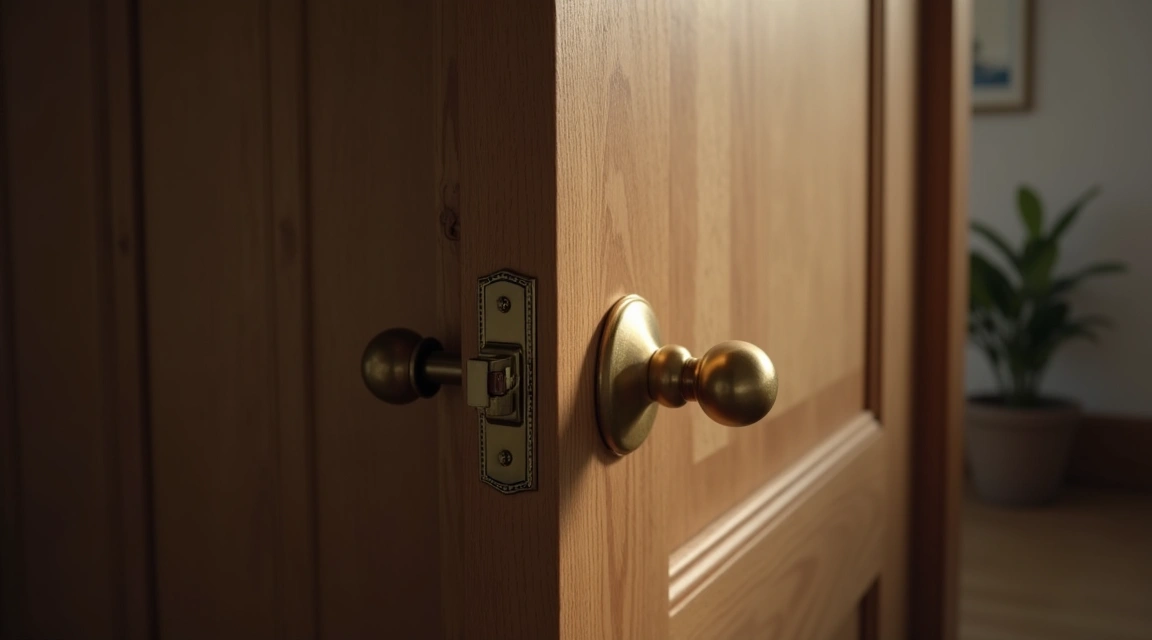
Once your brass door handles are clean and gleaming, taking protective steps will extend the time between deep cleaning sessions and preserve your hard work.
Step 6: After polishing unlacquered brass, apply a thin coat of renaissance wax, carnauba wax, or even a small amount of olive oil. Spread it evenly across the surface with a soft cloth, then buff away any excess. This creates a temporary barrier against moisture and oils.
Caution: Apply protective coatings very sparingly—excess wax or oil will attract dust and create a sticky residue that actually accelerates tarnishing rather than preventing it.
For lacquered brass, the factory coating provides protection, but you can apply a small amount of furniture polish to add shine and create an additional barrier. Never apply wax or oil to lacquered brass before checking manufacturer recommendations, as some coatings react poorly with certain products.
Consider your environment as well. In coastal areas with salt air or homes with high humidity, brass tarnishes more quickly. Running a dehumidifier can slow tarnish formation throughout your home. Similarly, homes with hard water may cause more water spots—installing a water softener helps with brass maintenance alongside other benefits.
Common Mistakes to Avoid
Even well-intentioned homeowners often make errors that damage brass door handles. Understanding these common pitfalls helps you avoid costly mistakes.
The single most frequent error is using the wrong cleaner for the brass type. As mentioned, acidic cleaners destroy lacquered finishes, while gentle cleaners won’t remove heavy tarnish from unlacquered brass. Always test your cleaning method on an inconspicuous area first—the underside of the handle or the portion covered by the door plate works well for testing.
Over-polishing represents another common problem. Enthusiastic homeowners sometimes polish brass weekly or even daily, gradually wearing away the brass layer. On solid brass, this creates uneven surfaces. On brass-plated handles, it exposes the base metal underneath. Polish unlacquered brass only when visible tarnish appears, typically every 3-6 months for most homes.
Many people also use excessive pressure when cleaning, thinking scrubbing harder removes tarnish faster. In reality, the chemical reaction between cleaners and tarnish does the work—pressure only creates scratches. Always use gentle, circular motions and let time do the heavy lifting.
Neglecting to protect surrounding surfaces is another mistake. Brass cleaners can damage wood finishes, paint, and wallpaper. Before cleaning door handles, tape off or protect the door surface around the hardware. Place a cloth under the handle to catch drips. This simple precaution prevents damage that costs far more to repair than the handle is worth.
Finally, mixing cleaning products can create dangerous chemical reactions or damage brass. Never combine different commercial cleaners, and never mix ammonia-based products with vinegar or other acids. Stick to one method per cleaning session, rinse thoroughly between different products if you must switch, and always ventilate your space properly.
When to Call a Professional
Some brass handle issues exceed the scope of DIY maintenance. Recognizing when to seek professional help saves money and prevents further damage.
If your lacquered brass has damaged coating with patches of tarnish showing through, professional relacquering is necessary. Attempting to polish these spots will only expand the damaged area. Professional metalworkers can strip and reapply lacquer evenly across the entire handle.
Deep pitting, severe corrosion, or green verdigris that doesn’t respond to cleaning may require professional restoration. While surface tarnish is normal and easily removed, structural corrosion indicates brass that has oxidized beyond simple cleaning. Professionals have access to stronger chemical treatments and mechanical polishing equipment that can restore heavily damaged pieces.
Antique or historically significant brass handles should always be evaluated by professionals before aggressive cleaning. These pieces may have valuable patina, original finishes, or delicate construction that modern cleaning methods would harm. Conservation specialists understand how to clean historic brass without destroying its value or character.
Maintaining Long-Term Beauty
Brass door handles can last for generations with proper care. The key is consistency—regular gentle cleaning prevents the buildup that requires aggressive polishing. By following these maintenance steps, you’ll preserve the warm glow of brass throughout your home while protecting your investment in quality hardware.
Remember that unlacquered brass will always require more maintenance than lacquered finishes, but many homeowners find the living finish worth the extra effort. The natural patina that develops tells the story of your home and adds authentic character that perfectly lacquered brass cannot match.
Whichever finish you choose, treating your brass door handles with care ensures they remain functional and beautiful focal points. These small details in your home’s design deserve attention—they’re among the first things guests touch and notice, making their condition a reflection of your home’s overall care and quality.