
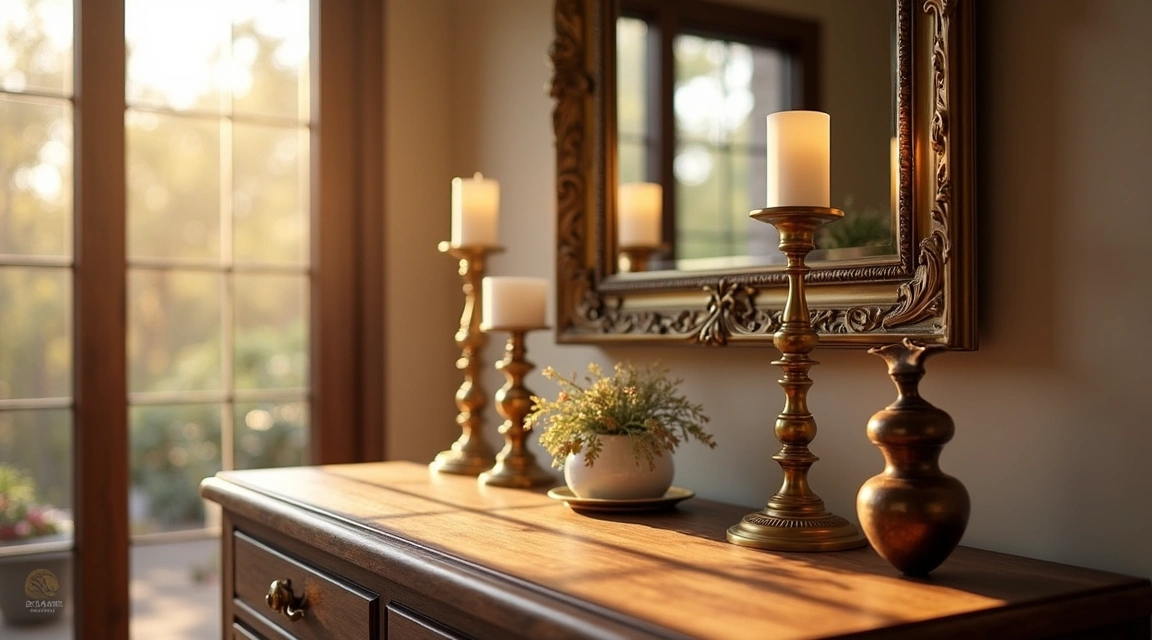
Choosing brass hardware for classic interiors requires balancing historical authenticity with modern durability standards. Architects and restoration specialists now recommend verifying alloy composition, finish methods, and mechanical ratings before purchase—a shift driven by the flood of inconsistent imports and the rising cost of replacement labor in heritage projects.
Brass hardware serves as both functional necessity and design signature in traditional homes, from Victorian townhouses to Georgian estates. Yet the market spans wildly different quality tiers: solid brass machined to historic patterns, brass-plated zinc die-casts that mimic vintage styles, and everything between. Understanding practical standards helps homeowners and designers select pieces that will perform reliably for decades while maintaining period-appropriate appearance.
Alloy Composition and Weight Standards
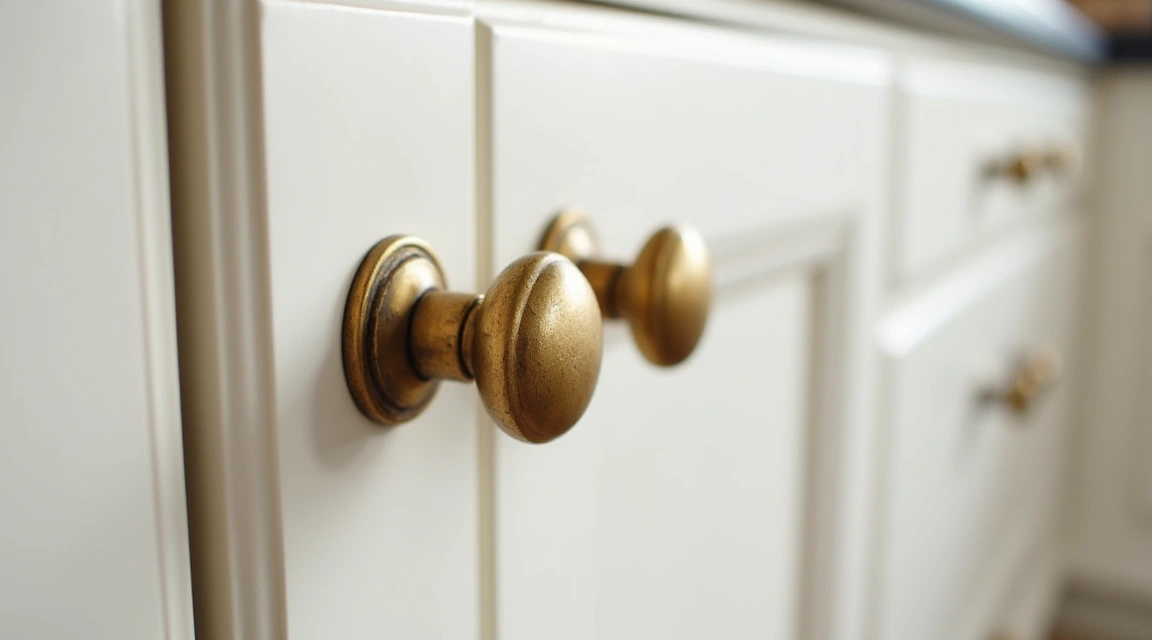
Authentic brass hardware typically uses alloys ranging from C260 (cartridge brass, 70% copper) to C360 (free-machining brass, 61.5% copper). These copper-zinc combinations offer the warm golden tone and machinability that made brass the traditional choice for door furniture, cabinet pulls, and window fittings. Solid brass pieces feel substantially heavier than plated alternatives—a simple hand-weight comparison often reveals construction quality before purchase.
Reputable manufacturers mark products with alloy grades or at minimum state “solid brass” versus “brass finish.” Pieces stamped only with decorative pattern names or vague material claims warrant closer inspection. For load-bearing applications like hinges and door handles, solid brass construction ensures the hardware won’t crack under repeated stress or strip threads during installation.
Brass-plated options use steel, zinc alloy, or aluminum cores with thin brass coatings applied through electroplating. These can suit budget-conscious projects or low-contact applications like decorative escutcheons, but the plating eventually wears through at friction points. High-traffic doors and frequently used cabinet pulls benefit from through-and-through brass construction that ages uniformly rather than exposing base metal.
Finish Types and Longevity Expectations
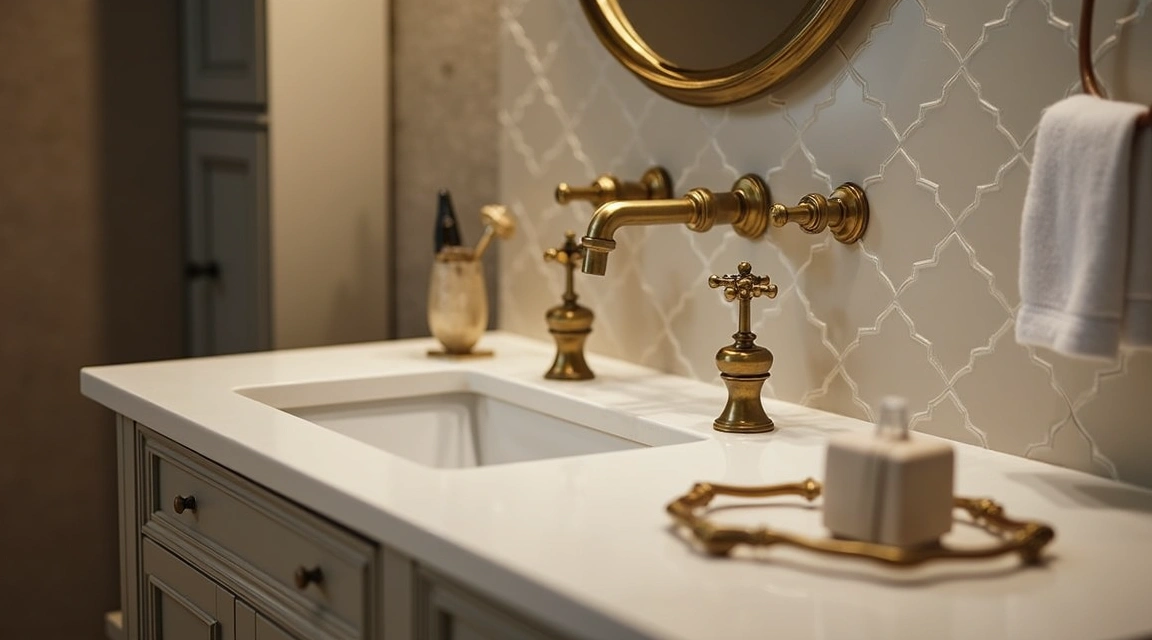
Brass hardware arrives in several finish categories, each affecting appearance, maintenance needs, and aging characteristics. Polished brass delivers the brightest golden shine but requires regular care to prevent tarnish unless protected by lacquer. Lacquered finishes seal the polished surface against oxidation, maintaining factory brightness for years until the coating fails—at which point the entire piece may need refinishing.
Unlacquered brass develops natural patina over time, darkening to rich amber and eventually brownish tones as copper oxides form on the surface. This living finish appeals to traditionalists seeking authentic period character and actually protects the underlying metal. Light polishing can restore highlights while preserving patina in recesses, creating the varied tones seen in antique hardware.
Satin or brushed brass finishes show less fingerprinting than high-polish versions and blend well with both traditional and transitional interiors. Antique brass finishes—chemically darkened and often hand-rubbed—mimic decades of natural aging immediately. These pre-aged finishes work well when matching new hardware to existing antique pieces or creating cohesive vintage aesthetics without waiting years for patina development.
Oil-rubbed bronze has gained popularity in classic interiors as an alternative to brass, offering deep chocolate-brown tones that hide wear patterns. While not technically brass, quality bronze hardware follows similar construction standards and complements brass lighting fixtures or plumbing trim in mixed-metal schemes.
Mechanical Standards for Functional Hardware
Beyond aesthetics, brass door hardware must meet mechanical performance benchmarks. Quality manufacturers test hinges for load capacity (typically 75-150 pounds per pair for residential doors), cycle count (30,000+ open/close operations), and sag resistance. Ball-bearing hinges outperform plain-bearing types in heavy doors or high-traffic applications, reducing friction and extending service life.
Mortise locks—the traditional choice for substantial doors in classic homes—should feature solid brass cases with steel or bronze internal mechanisms. The chassis thickness, bolt throw length (typically 3/4 to 1 inch), and backset dimension (2-3/4 inches standard) must align with door preparation. Privacy locks for bathrooms should include emergency release features accessible from outside.
Doorknobs and lever handles require secure spindle connections that won’t loosen with use. Set-screw designs allow adjustment but may work loose; through-bolt mounting provides more permanent stability. Rosette or backplate diameter should cover previous finish damage when replacing old hardware, and projection from the door face affects clearance in tight passages.
For cabinet hardware, screw-post length must match door thickness plus any overlay, typically ranging from 1 to 1-1/2 inches. Posts that are too short won’t engage enough threads for secure mounting; overly long posts may bottom out before tightening. Knobs and pulls designed for period furniture often use vintage screw patterns with specific center-to-center dimensions.
Matching Historical Patterns to Interior Styles
Classic interior styles each favor distinct hardware patterns. Victorian homes traditionally featured ornate designs—acanthus leaves, floral motifs, and elaborate rope borders—often in polished or gilt brass. Edwardian interiors adopted lighter, more refined patterns with Art Nouveau influences. Georgian and Federal styles called for simpler, more architectural hardware with clean lines, oval backplates, and restrained decoration.
Restoration projects benefit from researching original hardware catalogs from the building’s construction era. Reproductions from specialized manufacturers often replicate specific historic patterns with dimensional accuracy that mass-market options can’t match. When exact replicas aren’t available or budget-appropriate, selecting hardware with period-correct proportions and design language maintains authenticity better than choosing purely on finish color.
Arts and Crafts interiors pair well with hand-hammered or matte-finish brass showing maker’s marks and irregular textures. Mission-style hardware typically features square or rectangular forms with minimal ornament. For Colonial Revival homes, simple bail pulls, H-hinges, and thumb latches in antique brass finishes reinforce traditional character without over-elaboration.
Sourcing and Quality Verification
The brass hardware market includes established manufacturers with century-long track records alongside newer importers offering lower-priced alternatives. Examining return policies, warranty terms, and whether replacement parts are available indicates manufacturer confidence in product longevity. Architectural hardware specialists often maintain extensive inventories and can provide expert guidance on period-appropriate selections.
Before committing to large orders, purchasing sample pieces allows hands-on assessment of weight, finish quality, mechanical operation, and scale against existing elements. Photographing samples in place helps visualize the complete installation and reveals whether proportions suit the architecture. Consistency matters when ordering multiple sets—confirming all pieces will ship from the same production batch prevents subtle finish variations.
For those interested in exploring more specialized hardware options and detailed selection strategies, visit our Brass Hardware Buying Guides section for comprehensive reviews and comparative analyses.
Installation and Long-Term Care
Proper installation protects hardware investment and ensures smooth operation. Using pilot holes prevents brass screws from shearing during installation, and applying paste wax to screw threads eases driving while preventing corrosion-bonding with base metal. Hinges require precise mortising for flush mounting and even load distribution across all screw positions.
Mortise lock installation demands accuracy—the lock body must fit the mortise pocket without rattling, and faceplate mortising should allow the plate to sit perfectly flush. Strike plate alignment determines whether latches engage smoothly or require door adjustment. Many installation problems trace to rushed preparation rather than hardware defects.
Maintaining brass hardware preserves appearance and function. Unlacquered finishes accept occasional polishing with brass cleaner and soft cloths; avoid abrasive compounds that remove metal. Lacquered surfaces need only gentle wiping with damp cloths—polishes break down protective coatings. Moving parts benefit from periodic graphite powder lubrication rather than oils that attract dust.
Outdoor-exposed brass hardware accelerates tarnishing and may develop verdigris (green copper carbonate) in coastal or industrial atmospheres. Some owners embrace this weathered appearance as appropriate patina; others prefer marine-grade lacquers or more frequent maintenance. Completely sheltered locations under porticos or in enclosed vestibules extend finish life significantly compared to full weather exposure.
Budget Allocation and Value Assessment
Brass hardware pricing reflects material content, manufacturing method, finish complexity, and design licensing. Entry-level solid brass knobs may start around modest price points per pair, while elaborate antique reproductions or custom-finished pieces can reach premium tiers. Prioritizing visible, high-contact locations for quality hardware while using simpler pieces in less prominent applications balances budget with aesthetic impact.
The total hardware budget for a whole-house installation typically includes entry locksets, interior passage sets, privacy locks, cabinet pulls, window hardware, and decorative elements. Obtaining itemized quotes from multiple suppliers reveals price ranges and identifies where premium investment returns the most visible benefit. Volume discounts often apply when ordering complete sets rather than individual pieces.
Comparing life-cycle costs rather than initial purchase prices provides clearer value assessment. Solid brass hardware lasting decades without replacement or refinishing may cost less annually than cheaper alternatives requiring frequent replacement. Labor costs for changing failed hardware often exceed the original savings from budget selections, particularly in finished interiors where access requires careful protection of surrounding finishes.
Selecting brass hardware for classic interiors combines aesthetic judgment with practical engineering. Verifying alloy composition, understanding finish behavior, confirming mechanical ratings, and matching historical patterns to architectural context ensures installations that honor traditional design while delivering modern reliability. Thoughtful specification and proper installation transform functional necessities into defining details that enhance both the character and value of period-appropriate homes.