
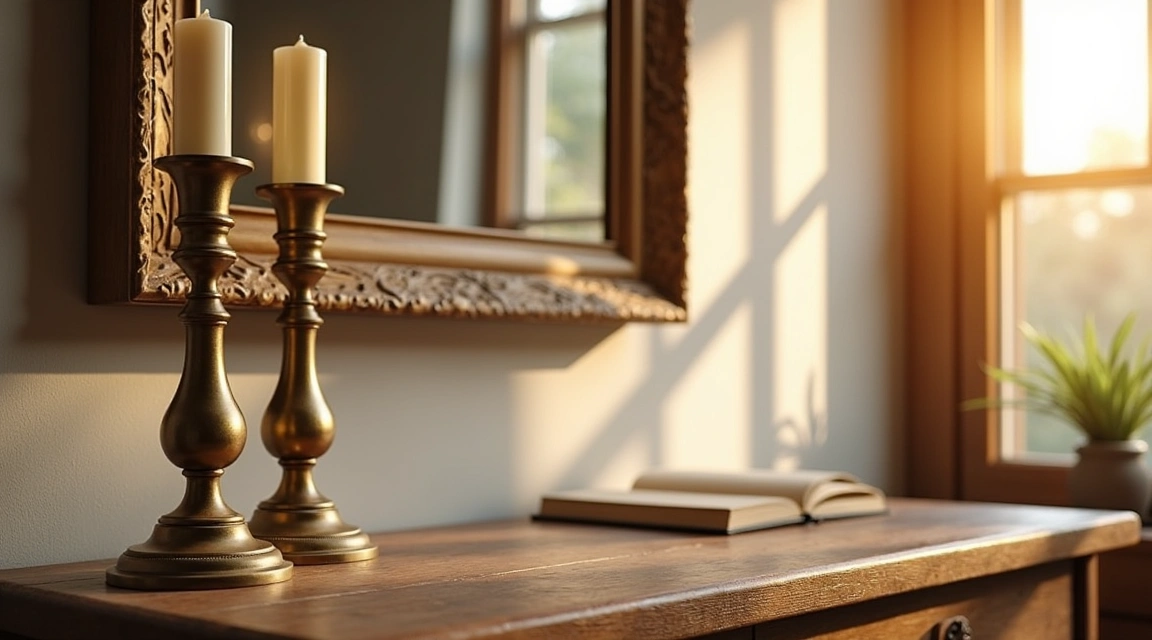
Brass hardware has emerged as one of the most enduring design choices for classic interiors, combining timeless elegance with remarkable versatility. Whether you’re renovating a period property or adding character to a contemporary space, selecting the right brass fixtures can dramatically elevate your interior aesthetic. This comprehensive buying guide examines current trends in brass hardware for classic interiors, helping you navigate finishes, styles, and quality considerations to make informed purchasing decisions that will serve your home beautifully for years to come.
The renewed popularity of brass hardware reflects a broader movement toward warm metallics and authentic materials in interior design. Unlike fleeting trends, brass has proven its staying power across centuries, making it an investment in both style and functionality. Understanding the nuances of brass hardware selection ensures your choices complement your classic interior vision while meeting practical durability requirements.
Essential Criteria for Selecting Brass Hardware
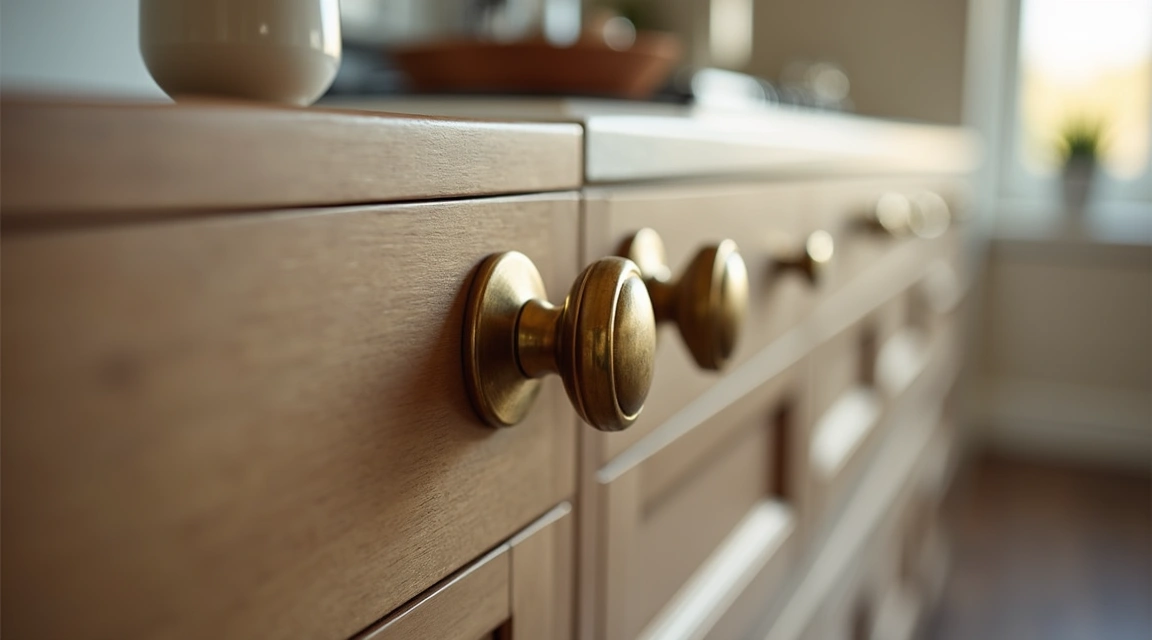
When evaluating brass hardware options for classic interiors, several critical factors determine both immediate visual impact and long-term satisfaction. Quality construction stands paramount—solid brass pieces offer superior weight, durability, and aging characteristics compared to brass-plated alternatives. Solid brass hardware typically features a uniform color throughout and develops a natural patina over time that many homeowners prize for its authentic character.
Finish selection significantly influences how brass hardware integrates with your classic interior palette. Unlacquered brass develops a living finish that darkens and acquires warmth with age and handling, creating an heirloom quality particularly suited to traditional spaces. Lacquered brass maintains its original golden shine indefinitely, offering consistency for those who prefer a polished appearance. Antiqued or aged brass finishes provide instant character, eliminating the wait for natural patina development while delivering the warmth of vintage pieces.
Scale and proportion require careful attention in classic interiors. Hardware should feel substantial without overwhelming architectural details. Cabinet pulls on kitchen cabinetry typically measure 3 to 5 inches for traditional styling, while door hardware benefits from generously sized knobs and lever sets that announce quality upon first touch. The visual weight of brass hardware should harmonize with crown molding, baseboards, and other trim elements to create cohesive design rhythm throughout your space.
Mounting and installation compatibility matter particularly when updating historic properties. Verify that new hardware aligns with existing hole patterns to avoid unnecessary alterations to period doors or cabinetry. Many manufacturers offer backplates and rosettes that can conceal previous mounting evidence while adding decorative detail consistent with classic styling.
Brass Finish Comparison for Classic Interiors
| Finish Type | Appearance | Maintenance | Best For |
|---|---|---|---|
| Unlacquered Brass | Bright gold initially, develops rich patina over time | Requires occasional polishing or embrace natural aging | Homeowners seeking authentic character and living finish in traditional settings |
| Lacquered Brass | Consistent polished gold appearance | Wipe clean with soft cloth; lacquer may eventually require professional renewal | Those preferring permanent shine and minimal upkeep in formal classic interiors |
| Antique Brass | Darkened, mottled appearance suggesting age | Simple cleaning; finish already aged | Instant vintage aesthetic in period restorations or classic-inspired new builds |
| Brushed Brass | Matte gold with subtle texture | Hides fingerprints well; easy care | Transitional spaces blending classic and contemporary elements |
This comparison reveals how finish selection directly impacts both daily experience and long-term aesthetic evolution. Unlacquered brass suits homeowners who appreciate the narrative quality of materials that visibly age, while lacquered options serve those prioritizing consistency. Antique finishes offer a middle path—character without the patience required for natural patina development.
Hardware Recommendations by Interior Style
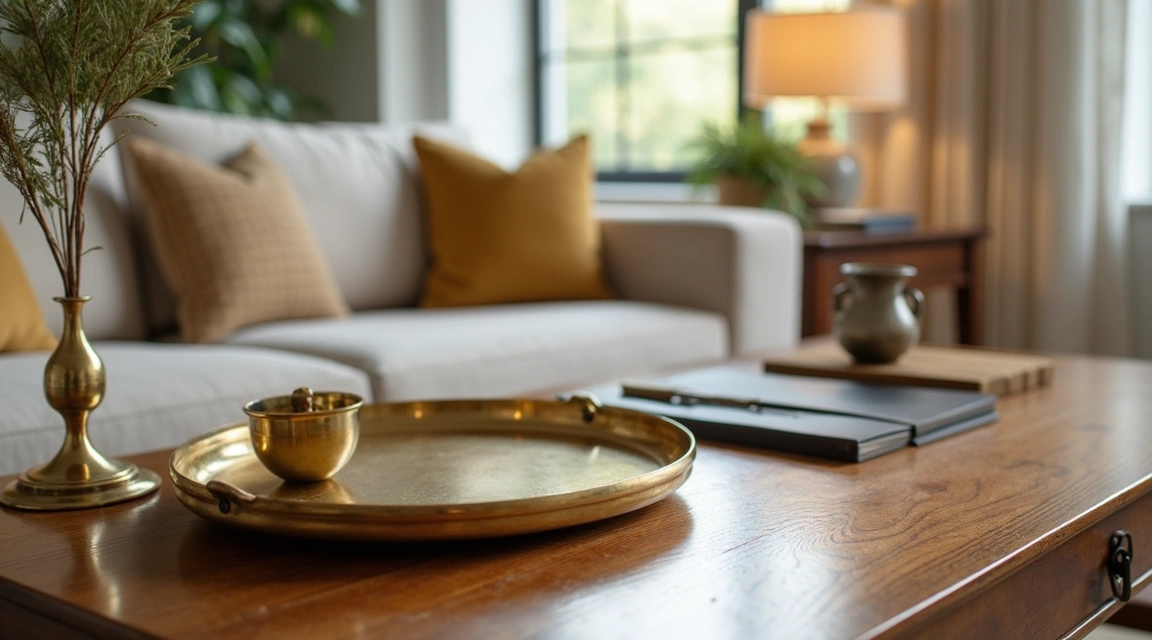
For Georgian and Federal style interiors, opt for symmetrical designs with refined proportions. Oval or round brass knobs with simple rosettes complement the restrained elegance of these periods. Door hardware benefits from substantial rim locks or mortise sets with matching keyhole escutcheons. Cabinet hardware should feature classic ring pulls or bail handles in proportions appropriate to drawer and door dimensions.
Victorian and Edwardian classic interiors welcome more ornate brass hardware featuring botanical motifs, beaded edges, and decorative backplates. These periods embraced embellishment, making detailed brass pieces entirely appropriate. Consider lever handles with intricate casting or cabinet pulls featuring acanthus leaf details. The visual richness of antique brass finishes particularly suits these styles, adding depth that complements the elaborate woodwork typical of the era.
Arts and Crafts or Craftsman interiors call for honest, handcrafted aesthetics in brass hardware selection. Choose pieces with visible hammer marks, hand-filed edges, and minimal ornamentation that celebrate material and making. Unlacquered brass aligns perfectly with the movement’s philosophy of authentic materials developing character through use. Cabinet hardware benefits from simple bail pulls or cup handles in warm brass tones that complement quartersawn oak and other signature Craftsman woods.
For English Country and cottage-style classic interiors, brass hardware should convey comfortable elegance rather than formal sophistication. Slightly irregular antique brass finishes work beautifully, as do pieces that suggest generations of family use. Consider latches, hooks, and hinges alongside standard pulls and knobs—these functional elements contribute to the collected-over-time aesthetic central to country classic styling.
Exploring additional options within our Brass Hardware Buying Guides section can provide further inspiration for specific applications throughout your home, from kitchen cabinetry to bathroom fixtures.
Current Trends Shaping Brass Hardware Selection
The contemporary brass hardware landscape reveals several notable trends influencing purchases for classic interiors. Mixed metal schemes have gained acceptance, with designers confidently combining brass hardware with stainless appliances, chrome plumbing fixtures, or iron lighting. This approach requires intentional distribution—grouping brass in one functional area while allowing other metals their own zones prevents visual confusion while adding sophisticated complexity.
Oversized hardware continues trending in classic kitchen and bathroom design. Cabinet pulls extending 6 to 8 inches create dramatic focal points while improving functionality. This scale particularly suits larger drawer fronts and pantry doors where substantial hardware feels proportionate rather than overwhelming. The trend reflects a broader movement toward statement-making details that anchor classic interior schemes.
Warm brass tones specifically are replacing cooler champagne and satin brass finishes that dominated recent years. Rich, golden brass with orange undertones now leads preference, aligning with the broader return to warmth in classic interior palettes. This shift complements the revival of wood tones, terracotta, and other natural materials in traditional design contexts.
Sustainability considerations increasingly influence brass hardware purchases. Solid brass components offer inherent longevity, often outlasting the cabinetry they adorn. Quality brass hardware can be refinished, replated, or simply cleaned and reused across multiple renovation cycles, making it an environmentally responsible choice for classic interiors. Some manufacturers now highlight recycled brass content and responsible sourcing, appealing to environmentally conscious homeowners seeking classic aesthetics without environmental compromise.
Quality Assessment and Investment Guidance
Distinguishing quality brass hardware from inferior alternatives protects your investment and ensures satisfactory performance. Weight provides an immediate quality indicator—solid brass pieces feel substantially heavier than brass-plated zinc or aluminum alternatives. Quality manufacturers clearly specify solid brass construction rather than using ambiguous terms like “brass finish” that often signal plated base metals.
Examine mounting hardware and internal mechanisms carefully. Quality brass cabinet hardware includes solid brass or stainless steel screws that won’t corrode or strip during installation. Door hardware should feature robust internal springs and latch mechanisms that operate smoothly through repeated cycles. Avoid pieces with visible gaps between components or rough edges that suggest rushed manufacturing.
Price positioning generally reflects quality in brass hardware markets. Expect to invest significantly more in solid brass pieces compared to plated alternatives, with premium architectural hardware commanding prices reflecting skilled craftsmanship and superior materials. For classic interiors where hardware functions as jewelry for the home, this investment delivers proportionate returns in durability, aesthetics, and home value enhancement.
Consider hardware collections rather than isolated pieces when possible. Manufacturers offering coordinated ranges ensure visual consistency across door hardware, cabinet pulls, hinges, and accessories. This cohesion particularly benefits classic interiors where attention to detail and material harmony distinguish successful implementations from disjointed approaches.
Final Verdict
Selecting brass hardware for classic interiors requires balancing aesthetic preferences, practical requirements, and quality considerations within your project budget. For homeowners committed to authentic period character and willing to embrace natural aging, unlacquered brass delivers unmatched warmth and evolving beauty. Those preferring consistent appearance with minimal maintenance will find lacquered brass serves admirably while retaining classic appeal. Antique finishes offer immediate vintage character without the patience natural patina development requires.
Prioritize solid brass construction over plated alternatives for any hardware receiving regular use or exposure to moisture. The durability differential justifies initial cost premiums through decades of reliable service and timeless aesthetic contribution. Match hardware scale to architectural proportions, erring toward substantial presence in classic interiors where quality details define overall success.
Current trends favor warm brass tones, mixed metal confidence, and oversized statements, yet the enduring nature of brass hardware means thoughtful selection guided by your specific interior style and personal preferences will serve beautifully regardless of momentary fashion shifts. Quality brass hardware represents one of the most worthwhile investments in classic interior design—a daily tactile experience and visual anchor that rewards attention with lasting satisfaction.