
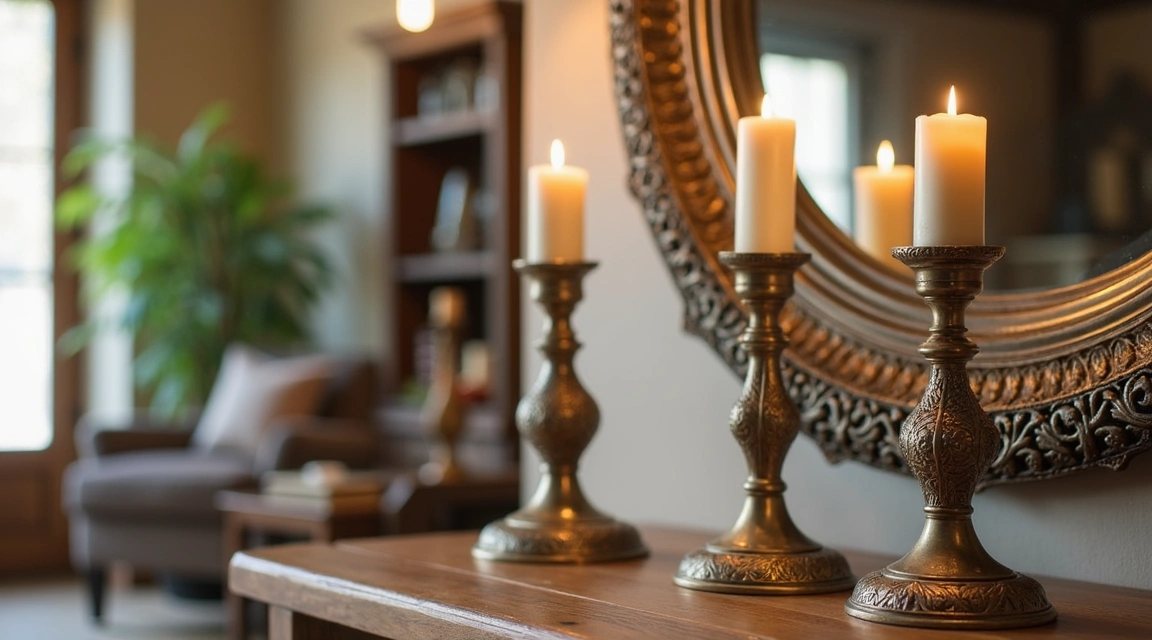
Choosing the right cabinet pull can transform a kitchen or bathroom from ordinary to remarkable. Traditional cabinet pull styles bring warmth, character, and timeless appeal to cabinetry, but selecting the appropriate style for your specific design context requires careful consideration. This checklist guides you through the most enduring traditional pull styles, their defining characteristics, and the settings where each shines brightest.
Traditional hardware encompasses designs that have proven their staying power over decades or even centuries. Unlike fleeting trends, these styles anchor a room in craftsmanship and classical proportion. Whether you’re renovating a historic home, building new construction with period-appropriate details, or simply prefer the refined aesthetic of established design languages, understanding which traditional pull fits your project ensures cohesion and authenticity.
Key Criteria for Selecting Traditional Cabinet Pulls
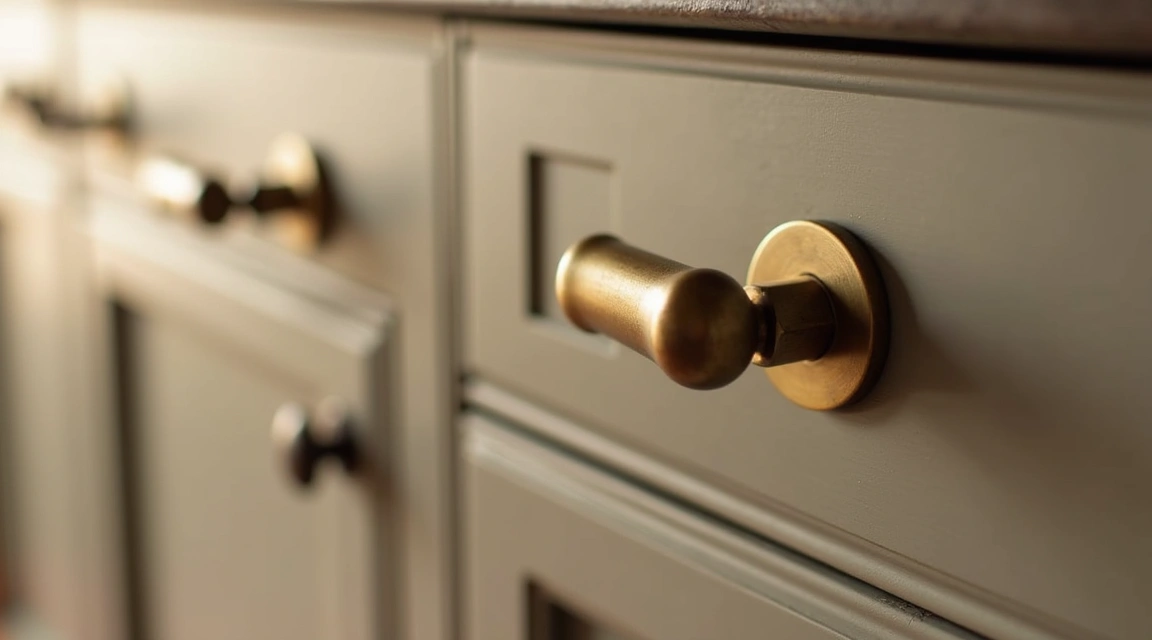
Before diving into specific styles, establish a framework for evaluation. The following criteria help narrow your choices and ensure your hardware complements rather than conflicts with your overall design:
- Architectural context: Does your home have historical provenance or architectural features that suggest a particular era? Victorian, Colonial, Georgian, and Craftsman homes each have hardware profiles that feel most at home within their walls.
- Cabinet door and drawer style: Flat-panel, raised-panel, beaded inset, and shaker doors pair differently with hardware. Ornate pulls may overwhelm simple door styles, while minimalist hardware can look lost on highly detailed cabinetry.
- Finish and material: Traditional pulls are commonly offered in brass, bronze, nickel, and pewter finishes. Consider how the metal tone interacts with your cabinet color, countertop, and adjacent fixtures.
- Scale and proportion: A pull that looks elegant on a display card can feel oversized or underwhelming once installed. Measure your drawer and door widths, and use painter’s tape to mock up pull sizes before purchasing.
- Functional grip: Traditional doesn’t mean impractical. Test how the pull feels in hand, especially for frequently used drawers and doors.
For additional guidance on coordinating hardware with cabinetry, explore our Cabinet Hardware section, which covers finishes, installation techniques, and design pairings in depth.
Comparison of Classic Traditional Pull Styles
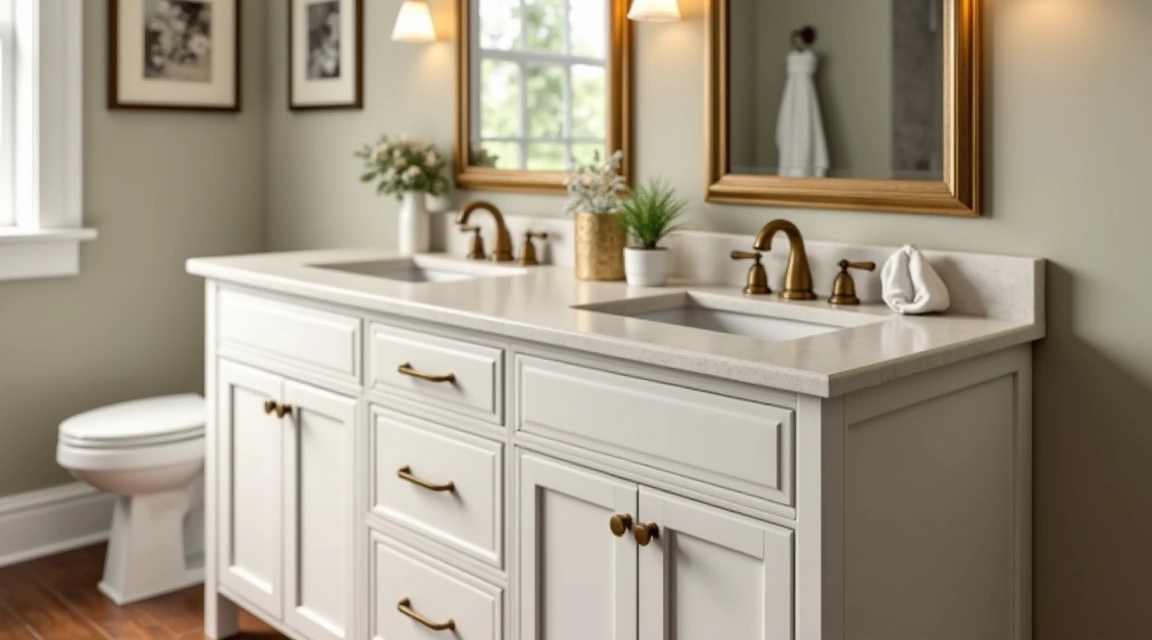
The following table presents three enduring traditional pull styles, their signature features, and ideal applications. Use this comparison to identify which style aligns with your project needs.
| Style | Key Characteristics | Best Suited For | Typical Finish Options |
|---|---|---|---|
| Cup Pull (Bin Pull) | Half-moon or rectangular recessed cup, mounted horizontally with two screws; originated in apothecary and library cabinetry | Drawers in kitchens with Shaker, farmhouse, or early American themes; desks and built-ins | Antique brass, oil-rubbed bronze, polished nickel, black iron |
| Bail Pull (Drop Pull) | Swing handle (bail) attached to a backplate via posts; classic Georgian and Federal style; ornate or simple backplate designs available | Traditional kitchens with raised-panel doors, Colonial and Georgian homes, formal dining room cabinetry | Polished brass, aged brass, brushed nickel, antique pewter |
| Wire Pull (Bow Pull) | Looped wire or rod forming an arched or geometric shape; clean lines with vintage appeal | Mid-century traditional kitchens, transitional spaces, bathroom vanities, cottage or bungalow styles | Brushed brass, chrome, satin nickel, matte black |
Each style carries distinct visual weight and historical associations. A cup pull feels utilitarian and honest, a bail pull signals formality and heritage, and a wire pull bridges simplicity with vintage charm. Your choice should harmonize with the room’s overall character and functional demands.
Detailed Recommendations by Room and Design Context
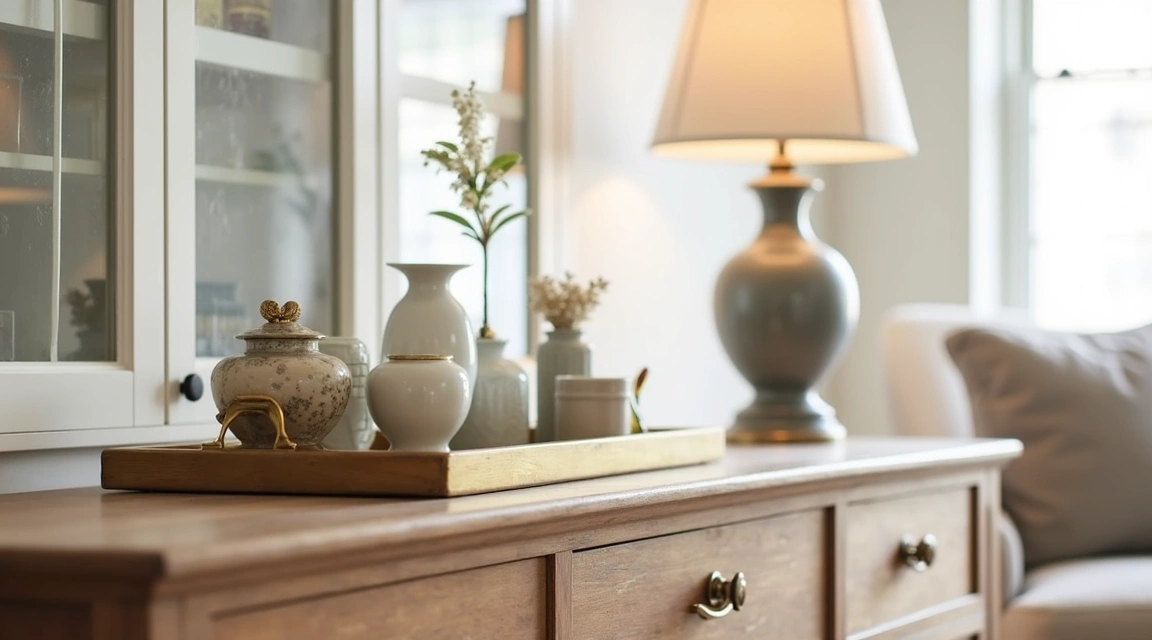
For Traditional Kitchens with Raised-Panel Cabinetry
Raised-panel doors feature carved or routed perimeter details that add depth and shadow lines. These cabinets call for hardware with commensurate visual interest. Bail pulls are the natural companion here. The backplate echoes the door’s raised center panel, and the swinging bail provides a tactile, satisfying grip. Choose backplates with decorative engraving or reeded edges for full formal effect, or opt for simpler oval or shield-shaped plates for restrained elegance.
Drawers in this context can take either bail pulls for uniformity or cup pulls for subtle differentiation. Cup pulls on drawers and bail pulls on doors create a layered, considered look without visual monotony. Finish consistency is paramount: if your faucet and lighting fixtures lean toward warm metals, select brass or bronze hardware; cooler metals in the room suggest nickel or pewter.
For Shaker and Farmhouse Styles
Shaker cabinetry celebrates simplicity, flat or recessed center panels, and honest joinery. Ornate hardware disrupts this ethos. Cup pulls are the ideal choice, particularly those with clean lines and minimal embellishment. The recessed form nests neatly into the drawer face, maintaining the plane of the cabinetry and honoring the Shaker principle of utility without ostentation.
Farmhouse kitchens, which blend rustic warmth with functional design, also benefit from cup pulls, especially in bin-pull formats that recall general store and vintage apothecary cabinetry. Finishes in oil-rubbed bronze or matte black iron reinforce the lived-in, heirloom quality central to farmhouse aesthetics. On upper cabinets with doors, simple knobs or small wire pulls maintain visual lightness and avoid overwhelming the clean lines.
For Transitional Spaces Blending Old and New
Transitional design occupies the middle ground between traditional richness and contemporary restraint. Wire pulls serve this context beautifully. Their looped or bowed profiles nod to vintage hardware without heavy ornamentation, and their slender gauge keeps the look airy and modern.
Wire pulls work especially well in kitchens where cabinetry is painted in soft neutrals or muted colors, as the hardware reads as a graphic line rather than a focal ornament. Pair wire pulls on drawers with simple round or oval knobs on doors to maintain cohesion without repetition. Finishes in brushed brass or satin nickel bridge warm and cool tones, offering flexibility as adjacent finishes evolve over time.
For Bathrooms and Powder Rooms
Bathroom vanities often benefit from hardware that feels elegant but not overly formal. Bail pulls in smaller scales bring a jewelry-like quality to vanity drawers, while wire pulls maintain a spa-like simplicity. If your bathroom features marble or stone countertops and classic fixtures, bail pulls in polished nickel or aged brass reinforce the room’s refined character.
For powder rooms or guest baths with cottage or vintage themes, cup pulls in porcelain or glass inserts add charm and reflect light beautifully. These inserts can introduce subtle color or texture, offering an opportunity to personalize the space without major renovation.
Practical Installation and Maintenance Considerations
Traditional pulls typically require two mounting screws, making alignment critical during installation. Use a template or jig to ensure consistent spacing across all drawers and doors. For cup pulls, verify that the depth of the recess suits your drawer front thickness; insufficient material can compromise structural integrity.
Finishes on traditional brass hardware may develop patina over time, which many homeowners cherish as part of the metal’s living character. If you prefer a consistent appearance, select lacquered or sealed finishes and clean regularly with a soft cloth and mild soap. Avoid abrasive cleaners that can strip protective coatings.
When sourcing hardware, order slightly more than needed to account for manufacturing variation and potential replacements. Hardware lines are sometimes discontinued, making future matching difficult. Store extras in a labeled container with installation date and manufacturer information.
Final Verdict: Matching Style to Context
Traditional cabinet pull styles are not interchangeable. Each carries distinct historical and aesthetic associations that resonate differently depending on your cabinetry, architecture, and personal taste. Cup pulls deliver unadorned functionality and vintage charm, ideal for Shaker, farmhouse, and utilitarian spaces. Bail pulls convey formality and craftsmanship, suiting raised-panel cabinetry and period homes. Wire pulls offer a light, transitional option that bridges eras with understated elegance.
The best choice is the one that feels inevitable in context—hardware that looks as though it has always belonged. Walk through your space, consider the architectural cues and cabinetry details, and select pulls that amplify rather than compete with the room’s character. When hardware and cabinetry speak the same design language, the result is a cohesive, timeless interior that endures beyond passing trends.