

Choosing cabinet hardware involves more than picking a style you like. The final quote you receive can vary significantly depending on several factors that aren’t always obvious when you first start shopping. Understanding what influences cabinet hardware pricing helps you compare quotes accurately, budget realistically, and avoid unexpected costs when your project reaches completion.
This guide examines the key variables that change cabinet hardware prices and provides a structured comparison framework so you can evaluate quotes with confidence. Whether you’re renovating a single kitchen or outfitting an entire home, knowing what to look for in pricing breakdowns ensures you’re comparing like with like.
Core Factors That Affect Cabinet Hardware Pricing

Cabinet hardware quotes differ based on several fundamental elements. The material composition, finish type, brand positioning, and order volume all play significant roles in determining the final price you’ll pay.
Material choice represents the most visible cost driver. Solid brass hardware typically commands premium pricing compared to zinc alloy or steel alternatives. Brass offers superior durability and develops a natural patina over time, which many homeowners value. Zinc alloy provides good weight and appearance at a lower price point, while steel options often represent the most budget-conscious choice for functional hardware.
Finish complexity adds another layer to pricing. A simple brushed nickel finish involves fewer processing steps than an oil-rubbed bronze or polished chrome finish. Specialty finishes such as aged brass, champagne bronze, or matte black require additional surface treatments and quality control measures. Living finishes that intentionally develop character over time typically cost more than sealed finishes designed to resist patina.
Brand positioning significantly influences quotes. Designer brands command premiums for their styling, reputation, and often superior quality control. Mid-tier manufacturers balance quality and affordability, while budget brands focus on basic functionality at minimal cost. The brand you select affects not just the initial purchase price but also factors like warranty coverage and replacement part availability years later.
Order volume creates economies of scale. Purchasing hardware for ten cabinets costs proportionally more per piece than ordering for fifty cabinets. Many suppliers offer tiered pricing, with per-unit costs dropping at specific quantity thresholds. Understanding these breakpoints helps you plan orders strategically, potentially combining multiple small projects to reach better pricing tiers.
For additional context on how different materials perform in various applications, you can explore more in the Cabinet Hardware Prices section of our site.
Hidden Variables in Hardware Quote Comparisons
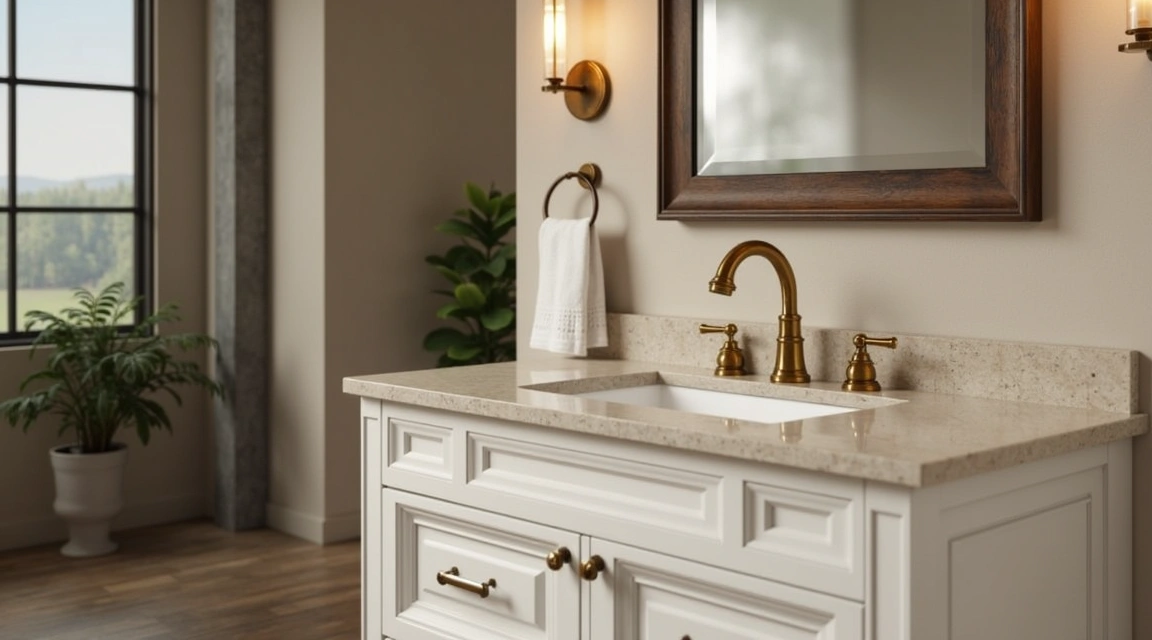
Beyond the obvious factors, several less visible elements affect final cabinet hardware quotes. These variables often explain why two seemingly similar quotes show different bottom-line numbers.
Installation hardware inclusion varies between suppliers. Some quotes include mounting screws, backplates, and adapter kits, while others price the visible hardware only. When comparing quotes, verify whether fasteners and necessary installation components are included or represent additional line items. A quote that appears lower may actually cost more once you add required mounting hardware.
Shipping and handling costs fluctuate based on order size, destination, and delivery timeline. Cabinet hardware is relatively heavy for its size, especially solid brass pieces. Expedited shipping dramatically increases costs compared to standard delivery. Some suppliers absorb shipping costs at certain order thresholds, making their effective pricing more competitive than headline numbers suggest.
Minimum order requirements affect small projects disproportionately. If a supplier requires a minimum order value or quantity, you might need to purchase more pieces than your project needs. This consideration particularly impacts bathroom vanity updates or small furniture projects where you only need a handful of pulls or knobs.
Customization options introduce variable pricing. Standard catalog items ship from existing inventory, but custom finishes, non-standard sizes, or specialized designs require additional production steps. Lead times extend for custom work, and pricing typically reflects the bespoke nature of the order.
Returns and exchange policies represent hidden value that affects effective cost. Generous return policies reduce risk when you’re unsure about finish appearance or sizing. Restrictive policies mean you bear greater risk of ordering pieces that don’t work for your application. This factor becomes especially relevant when matching hardware to existing cabinetry or coordinating with other home finishes.
Quote Comparison Framework

To compare cabinet hardware quotes effectively, evaluate them across standardized criteria rather than focusing solely on total price. The following table outlines key comparison points for three common supplier tiers:
| Comparison Point | Budget Supplier | Mid-Tier Supplier | Premium Supplier |
|---|---|---|---|
| Base Material | Zinc alloy, steel | Zinc alloy, some brass | Solid brass, stainless steel |
| Finish Durability | Basic coating, may show wear | Good quality finish, moderate durability | Multiple layers, long-lasting |
| Design Selection | Limited styles, functional focus | Broad selection, current trends | Extensive range, unique designs |
| Installation Hardware | Standard screws only | Screws plus basic adapters | Complete mounting kit included |
| Warranty Coverage | Limited or none | One to two years typical | Lifetime or extended warranty |
| Minimum Order | Often high quantity minimums | Moderate minimums or none | Usually no minimum |
| Lead Time | In-stock items ship quickly | Most items stock, some made-to-order | Longer lead times common |
| Return Flexibility | Restocking fees common | Reasonable return window | Liberal return policy |
This framework reveals that the lowest quoted price doesn’t automatically represent the best value. A budget quote might lack mounting hardware, carry restocking fees, and require purchasing excess inventory to meet minimums. A premium quote might include complete installation kits, generous return terms, and lifetime replacement coverage that reduces long-term cost.
Matching Supplier Tier to Your Project Type
Different projects benefit from different supplier tiers. Consider these recommendations based on common renovation scenarios:
Rental property upgrades: Budget suppliers often make sense for rental properties where durability expectations are moderate and style trends matter less. Zinc alloy hardware provides adequate function for several years at minimal cost. Focus on finishes that resist showing wear rather than premium materials. Verify that basic installation hardware is included to avoid additional trips to the hardware store.
Personal home kitchen remodels: Mid-tier suppliers typically offer the best balance for primary residences. You’ll use these cabinets daily for years, making durability important, but you may update styling within a decade. Good-quality finishes maintain appearance through regular use, and broader design selections let you find hardware that complements your aesthetic. Moderate warranties provide reasonable protection without paying for coverage you may never use.
High-end custom builds: Premium suppliers suit luxury homes, historic renovations, or projects where hardware serves as a design statement. Solid brass construction, living finishes, and unique designs justify higher costs when hardware becomes a deliberate aesthetic element. Extended warranties protect your investment, and liberal return policies reduce risk when coordinating multiple finish elements throughout a home.
Small furniture projects: For individual pieces like bathroom vanities or standalone cabinets, verify minimum order requirements carefully. Premium suppliers often accommodate small orders without minimums, making them cost-competitive with budget options that require bulk purchases. The ability to buy exactly what you need matters more than per-piece pricing on small projects.
Practical Steps for Quote Evaluation
When you receive cabinet hardware quotes, follow these steps to ensure accurate comparison:
List every component required for your project. Count the number of drawer pulls, cabinet knobs, hinges, and any specialty hardware needed. Specify sizes for each piece, as longer pulls cost more than shorter ones even in the same finish.
Request itemized quotes showing per-piece pricing and quantities for each component. Itemization reveals whether one supplier charges significantly more for certain pieces, letting you potentially mix sources if necessary.
Confirm what’s included beyond the visible hardware. Ask explicitly whether mounting screws, backplates, hinge plates, and any necessary adapters are part of the quoted price or represent additional costs.
Verify finish consistency across pieces. Some suppliers use different finish codes for knobs versus pulls in what appears to be the same finish. Request finish samples when coordinating multiple hardware types to ensure they’ll match when installed.
Calculate total delivered cost including shipping, handling fees, and any applicable taxes. The supplier with the lowest hardware price may not offer the lowest total cost once delivery factors are added.
Check lead times against your project timeline. Paying slightly more for stock items that ship immediately may cost less overall than accepting cheaper pricing with extended lead times that delay your entire renovation.
Review warranty terms and return policies. Understand what’s covered, for how long, and what documentation you need to preserve for potential claims. Know the return window, whether you’ll pay restocking fees, and who covers return shipping costs.
Making Your Final Selection
Cabinet hardware pricing reflects genuine differences in materials, manufacturing quality, and supplier services. The most accurate quote comparison accounts for both obvious cost elements and hidden variables that affect total project expense and long-term satisfaction.
Choose your supplier tier based on how long you’ll live with the hardware, how heavily you’ll use it, and whether the pieces function purely as utility items or contribute to your home’s design character. Budget options work well for short-term applications and rentals. Mid-tier suppliers serve most residential remodeling needs effectively. Premium sources make sense when hardware becomes a design focus or when maximum durability matters.
Remember that cabinet hardware represents one of the few elements in your home you’ll touch multiple times every single day. The small incremental cost of better-quality hardware often proves worthwhile through years of smooth operation and maintained appearance. The lowest quote rarely delivers the best long-term value, but neither does the highest price guarantee satisfaction. Evaluate each quote against your specific project requirements to find the right balance of quality, style, and cost for your situation.