
Cabinet hardware may seem like a minor detail in kitchen and furniture design, but the right cabinet pull can transform the entire aesthetic of a room. Traditional cabinet pull styles have endured for centuries because they combine functional design with timeless elegance. Whether you’re renovating a historic home, updating a classic kitchen, or simply prefer the warmth of traditional design, understanding which pull styles work best in different settings will help you make confident, cohesive choices.
This beginner’s guide walks through the most popular traditional cabinet pull styles, explains their design origins, and shows you exactly where each style fits best. By the end, you’ll know how to match hardware to your cabinetry, room style, and personal taste with the confidence of a seasoned designer.
Understanding Traditional Cabinet Pull Design
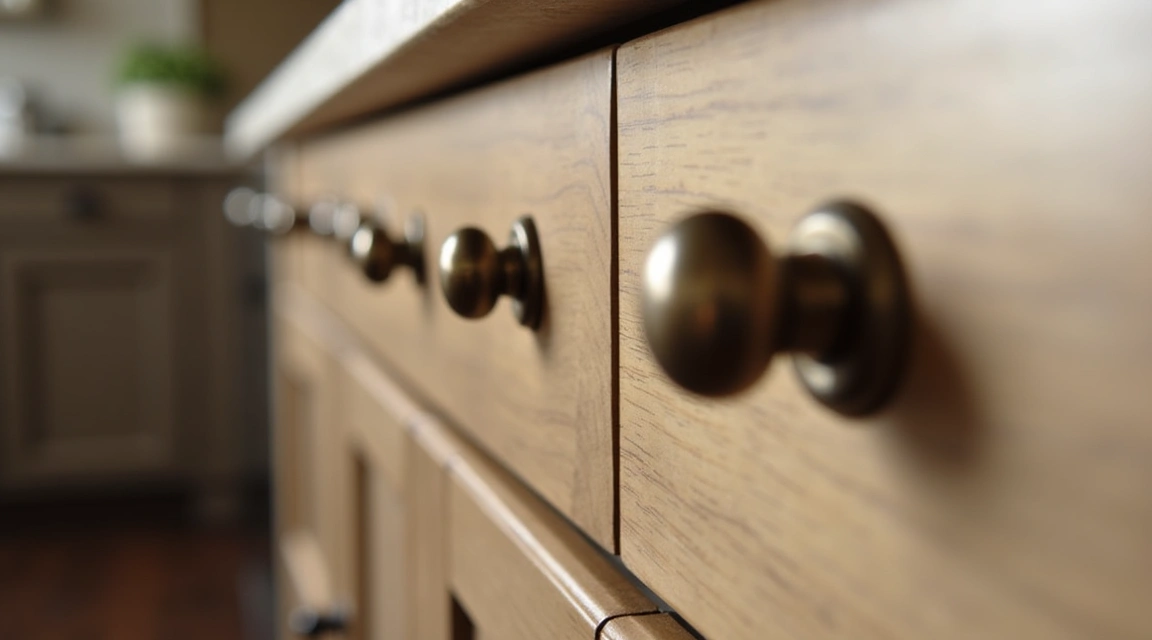
Traditional cabinet pulls draw inspiration from historical periods including Colonial America, Victorian England, French Provincial estates, and Arts and Crafts movements. Unlike modern minimalist hardware, traditional pulls typically feature ornate details, warm metal finishes, and recognizable period characteristics that create visual interest and tactile appeal.
The term “traditional” in hardware design generally refers to styles developed before the mid-20th century modernist movement. These designs prioritize craftsmanship, decorative detail, and materials like solid brass, bronze, and wrought iron. Traditional pulls often include decorative backplates, curved bail handles, knurled textures, and finishes that develop a patina over time.
When selecting traditional hardware, consider three key factors: the architectural style of your home, the period of your cabinetry, and the existing design elements in your space. A Victorian home with original millwork calls for different hardware than a 1920s Craftsman bungalow, even though both fall under the traditional umbrella. For more guidance on cabinet hardware selection, understanding these distinctions helps create authentic, cohesive interiors.
Traditional pulls come in standard sizing conventions. Cup pulls and bail pulls typically range from 3 inches to 4 inches in width for standard drawers, while longer bar pulls for cabinet doors may extend 5 to 12 inches. Unlike contemporary hardware that often prioritizes sleek profiles, traditional designs project further from the cabinet surface, creating dimensional shadows and easier grip.
Essential Traditional Cabinet Pull Styles
Several distinct styles dominate traditional cabinet hardware, each with characteristic shapes, finishes, and appropriate applications. Knowing these core styles helps you speak the language of design professionals and narrow your options quickly.
Cup Pulls and Bin Pulls
Cup pulls, also called bin pulls, feature a curved or scalloped design that resembles a small cup or bin handle. Originally designed for drawers in apothecary cabinets, library card catalogs, and workshop storage, these pulls allow fingers to grip from beneath, making them ideal for frequently accessed drawers.
Cup pulls work exceptionally well on kitchen drawer banks, bathroom vanities, built-in desks, and anywhere multiple drawers stack vertically. The consistent horizontal lines they create bring visual rhythm to a cabinet wall. They’re particularly appropriate in Colonial, Shaker, Farmhouse, and Craftsman-style kitchens. Common finishes include oil-rubbed bronze, antique brass, and brushed nickel, with mounting centers typically at 3 inches or 3.75 inches.
Design tip: Use cup pulls on drawers and pair them with knobs on cabinet doors for a traditional look that differentiates function while maintaining style cohesion.
Bail Pulls with Backplates
Bail pulls consist of a swing handle (the bail) suspended from two posts attached to a decorative backplate. This style has roots in 18th-century furniture and remains one of the most recognizable traditional hardware forms. The backplate often features ornate engraving, beading, or period-specific motifs.
These pulls excel on formal furniture, traditional kitchen cabinets, secretary desks, and dining room built-ins. The backplate protects the cabinet finish from hand oils and wear, while the swinging bail provides an easy grip. Bail pulls suit Georgian, Federal, Victorian, and French Provincial interiors particularly well.
The weight and substantial feel of quality bail pulls convey craftsmanship and permanence. When installing bail pulls, ensure the backplate sits flat against the drawer or door face—traditional styles don’t accommodate modern frameless cabinet construction as easily as contemporary hardware, so check compatibility before purchasing.
Drop Pulls and Ring Pulls
Drop pulls feature a teardrop, acorn, or decorative pendant hanging from a fixed rosette or backplate. Ring pulls use a circular or oval ring through a fixed mount. Both styles originated in medieval and Renaissance furniture and saw renewed popularity during Colonial Revival movements in the early 20th century.
These pulls work beautifully on traditional secretary desks, armoires converted to entertainment centers, china cabinets, and historic home restorations where period authenticity matters. They’re less common in kitchens but can add distinctive character to a butler’s pantry or period kitchen renovation.
Drop and ring pulls require clearance to swing freely, so they’re best suited to flat cabinet doors rather than drawers where adjacent pulls might interfere. Consider them when you want to make a strong period statement or match existing historic hardware.
Bar Pulls with Traditional Details
While bar pulls have modern applications, traditional versions incorporate period details like rope twisting, bamboo motifs, beaded edges, or fluted surfaces. These elongated pulls bridge traditional aesthetics with contemporary ergonomics, making them popular for transitional kitchens that blend old and new.
Traditional bar pulls work well on wider cabinet doors, appliance panels, and pantry doors where a longer grip span improves functionality. They’re appropriate in kitchens ranging from Craftsman to English Country styles, especially in finishes like aged brass, oil-rubbed bronze, or pewter.
When mixing bar pulls with other traditional hardware, maintain consistency in finish and design language. A kitchen might use decorative bar pulls on cabinet doors and matching cup pulls on drawers, creating variety without visual chaos.
Where Each Style Fits Best

Matching hardware to location requires considering both function and visual hierarchy. Not every traditional pull suits every application, even within a traditionally styled home.
Kitchen Base Cabinets: Cup pulls and bail pulls excel here because they provide easy grip when hands are full or wet. The horizontal lines of cup pulls create visual calm across long drawer banks, while bail pulls on base cabinet doors add formality. In working kitchens, prioritize pulls over knobs for lower cabinets—they’re significantly easier to grab when carrying plates or groceries.
Kitchen Upper Cabinets: Traditional knobs or smaller pulls work well at eye level where visual delicacy matters. Oversized bail pulls can overwhelm upper cabinets and interfere with countertop work. If using pulls on upper doors, consider smaller 3-inch cup pulls or discrete bar pulls rather than large statement pieces.
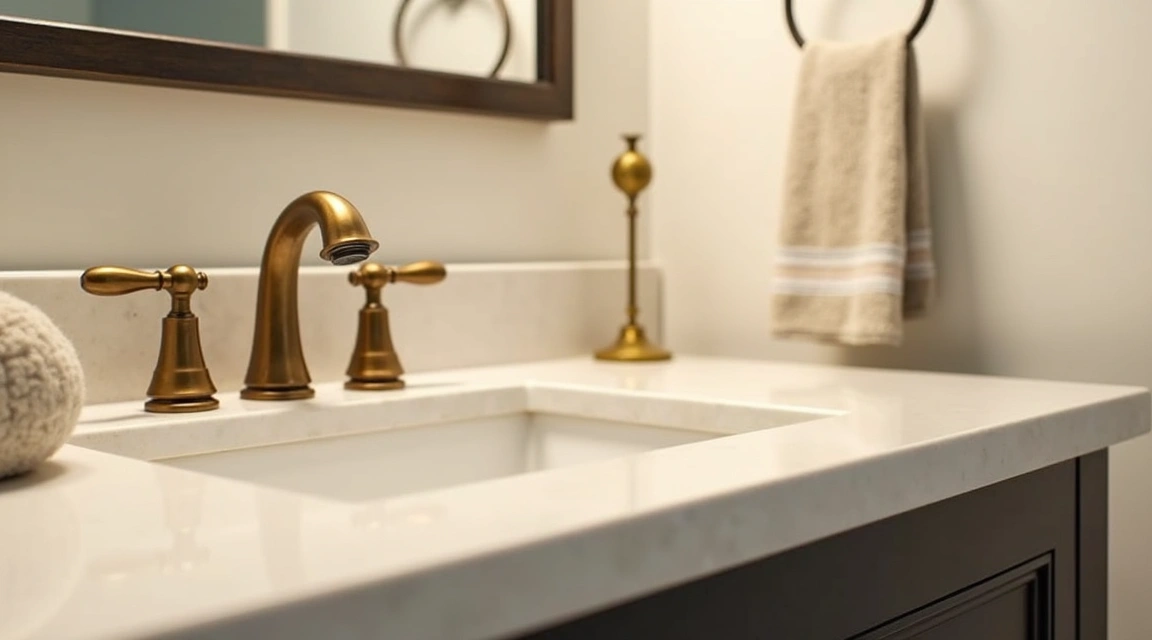
Bathroom Vanities: Cup pulls on vanity drawers create clean, consistent lines while providing practical function for daily use. Small bail pulls or knobs suit bathroom cabinet doors. In powder rooms and guest baths where hardware becomes a focal point, this is an opportunity for slightly more ornate designs than you might use in a utilitarian kitchen.
Built-in Furniture: Window seats with storage, bedroom built-ins, and mudroom cubbies benefit from hardware that matches the room’s overall style. Craftsman-style homes pair naturally with simple cup pulls and square bar pulls, while Victorian homes call for more ornate bail pulls with decorative backplates.
Period Restorations: When restoring historic homes, research the original hardware style for your home’s construction period. Drop pulls and ring pulls suit pre-1850 homes, while Victorian homes (1850-1900) typically featured ornate bail pulls with elaborate backplates. Craftsman homes (1900-1930) used simpler cup pulls, hammered finishes, and geometric designs. Matching the authentic period style preserves historic integrity and can be important for registered historic properties.
Transitional Spaces: For homes blending traditional architecture with updated interiors, traditional bar pulls with subtle period detailing bridge the gap effectively. A kitchen with Shaker-style cabinets but contemporary appliances might use simple bar pulls with minimal beading rather than ornate bail pulls, honoring tradition without appearing dated.
Choosing Finishes and Materials
Traditional cabinet hardware finishes tend toward warm metals that develop character over time. The most authentic traditional finishes include:
Oil-Rubbed Bronze: Dark, rich finish with lighter bronze showing through raised details. This living finish develops more character with use and suits Colonial, Craftsman, and rustic traditional styles. It pairs beautifully with medium to dark wood cabinetry.
Antique Brass: Warm golden tone with darker antiquing in recesses. Brass was the predominant hardware material for centuries and remains the most historically accurate choice for period restorations. It works across nearly all traditional styles and warms up painted cabinets beautifully.
Polished Nickel and Chrome: While associated with modern design, polished nickel actually has traditional roots in early 20th-century design. It suits Arts and Crafts, Colonial Revival, and transitional traditional styles. Chrome is generally too modern for authentic traditional spaces unless you’re deliberately mixing periods.
Pewter and Aged Iron: Darker, cooler finishes that work well in Colonial, Early American, and rustic traditional settings. These finishes complement painted cabinets, especially grays, creams, and muted blues.
Solid brass remains the gold standard for traditional hardware quality. Brass castings accept fine detail better than zinc alloy, resist corrosion, and develop attractive patina. While more expensive initially, quality brass hardware can last generations. Lower-budget alternatives use zinc alloy with brass plating—acceptable for moderate use but less durable in high-traffic kitchens.
Installation and Spacing Guidelines
Proper installation makes the difference between hardware that looks professional and hardware that appears haphazard. Traditional pulls follow established spacing conventions that create visual order.
For drawers, center pulls horizontally and position them vertically about one-third down from the top edge. This placement looks balanced and provides comfortable ergonomics. On drawer banks, align all pulls vertically to create consistent sight lines.
Cabinet door pulls typically install on the stile (vertical frame member) opposite the hinge, positioned about 2 to 4 inches from the top corner. Taller doors may accommodate pulls centered vertically, but upper corner placement remains traditional and more functional.
When mixing knobs and pulls, establish a clear pattern: drawers use pulls, doors use knobs, or vice versa. Inconsistent mixing creates visual confusion. If using pulls on both drawers and doors, maintain the same style family and finish throughout.
Use a hardware template or drilling jig for accurate, repeatable installation. Traditional pulls with two mounting points are unforgiving—holes off by even 1/16 inch become visually obvious and may prevent proper installation. Measure carefully, check twice, and drill once.
Comparing Traditional Pull Styles
| Pull Style | Best Applications | Design Period | Typical Size Range | Formality Level |
|---|---|---|---|---|
| Cup Pull | Kitchen drawers, vanities, desks | Colonial, Craftsman, Farmhouse | 3–4 inches | Casual to moderate |
| Bail Pull | Cabinet doors, formal furniture | Georgian, Victorian, French | 2.5–4 inches | Moderate to formal |
| Drop Pull | Secretary desks, armoires, historic restorations | Colonial, Medieval Revival | 1.5–3 inches drop | Formal, period-specific |
| Ring Pull | China cabinets, historic doors | Early American, Colonial | 2–3.5 inches diameter | Formal, historic |
| Traditional Bar Pull | Wide doors, transitional kitchens | Craftsman, Transitional | 5–12 inches | Casual to moderate |
Common Beginner Mistakes to Avoid
New renovators often make predictable hardware mistakes that compromise their design. Avoid these common pitfalls:
Mixing too many styles: Using cup pulls, bail pulls, and ring pulls in the same kitchen creates visual chaos. Choose one primary pull style and one complementary knob style maximum.
Ignoring scale: Oversized pulls overwhelm small drawers and delicate cabinets. Traditional design favors proportion—match hardware size to cabinet size. A 6-inch bar pull looks ridiculous on a 12-inch drawer front.
Choosing finish before style: Select the pull style that suits your architecture first, then choose an appropriate finish. A perfect finish can’t rescue the wrong pull style.
Skimping on quality: Cabinet hardware gets touched thousands of times per year. Cheap zinc alloy pulls with thin plating wear through quickly, and loose mounting posts fail under use. In hardware, moderate investment in solid brass or quality materials pays dividends in durability and appearance.
Forgetting about cleaning: Ornate traditional pulls with deep crevices collect grease and dust in kitchens. If you’re not committed to detailed cleaning, choose simpler profiles even within traditional styles. A plain cup pull may serve you better than an elaborate bail pull with intricate backplate details if you want low-maintenance hardware.
Mismatching period styles: Victorian bail pulls look out of place in Craftsman kitchens, and simple Shaker cup pulls underwhelm in French Provincial spaces. Match hardware to your home’s architectural period for authentic results.
Budget and Sourcing Considerations
Traditional cabinet hardware spans a wide price range depending on materials, manufacturing methods, and brand. Expect to pay approximately $3 to $8 per piece for quality zinc alloy pulls with durable finishes, $10 to $20 per piece for solid brass pulls from established manufacturers, and $25 or more per piece for handcrafted or custom reproduction hardware.
For a typical kitchen with 30 drawers and doors, hardware costs might range from $90 for budget zinc pulls to $600 or more for premium solid brass. This represents a small fraction of total kitchen renovation costs but significantly impacts the finished appearance and longevity.
Sourcing options include big-box home improvement stores for budget-friendly selections, specialty hardware retailers for wider traditional style choices, and online architectural salvage dealers for authentic antique hardware. When renovating historic homes, reproduction hardware companies offer period-accurate designs that match original specifications.
Consider ordering samples before committing to full quantities. Finishes and sizes appear different in person than in photographs, and feeling the weight and grip of a pull helps confirm your choice. Most specialty retailers offer sample programs where you can order one or two pieces, then return them if they don’t suit your project.
Final Recommendations
Traditional cabinet pulls succeed when they honor your home’s architectural character while meeting practical daily needs. Start by identifying your home’s dominant architectural style, then select one primary pull style appropriate to that period. Use that pull consistently on drawers throughout your home, and pair it with a complementary knob or smaller pull for doors.
Prioritize quality materials in high-use areas like kitchens and family bathrooms, where hardware endures constant contact. In guest spaces and formal rooms with lighter use, budget-friendly options perform adequately if well-made.
Remember that cabinet hardware functions as jewelry for your cabinetry—it should enhance without overwhelming. Traditional styles bring warmth, character, and timeless appeal that transcends passing trends. By matching style to setting and choosing quality construction, your cabinet pulls will serve beautifully for decades while maintaining the classic elegance that makes traditional design endure.
Whether you’re drawn to the simple functionality of Craftsman cup pulls, the formal elegance of Victorian bail pulls, or the historic authenticity of Colonial drop pulls, understanding where each style fits best empowers you to create cohesive, beautiful spaces that honor traditional design principles while serving modern life.