

When I started shopping for cabinet hardware last year, I naively thought all knobs and pulls were priced the same. I assumed a handle was a handle—grab it, pay a few dollars, and move on. Instead, I spent weeks comparing quotes that swung wildly from one supplier to the next, even for what looked like identical brass knobs. That confusion taught me that cabinet hardware pricing is far more nuanced than most homeowners realize. Understanding what drives those final quotes will save you money, prevent surprises, and help you budget accurately for your kitchen or bathroom renovation.
In this article, I’ll walk you through the key factors that change cabinet hardware prices, share practical insights from my own experience comparing dozens of suppliers, and explain who benefits most from paying attention to these details. Whether you’re a DIY enthusiast or working with a contractor, knowing these standards will empower you to make smarter purchasing decisions.
What Actually Drives Cabinet Hardware Prices

The final quote you receive for cabinet hardware depends on several interconnected factors. Material choice tops the list. Solid brass hardware typically costs more than zinc alloy or stainless steel because brass is heavier, more durable, and resists corrosion better over decades of use. When I compared identical knob designs, the solid brass version was often two to three times the price of a zinc die-cast alternative. You’re not just paying for metal weight; you’re paying for longevity and finish quality.
Finish complexity matters just as much. A simple brushed nickel knob might cost a fraction of an oil-rubbed bronze pull with hand-applied patina. Multi-step finishes—such as antiqued brass or hammered copper—require additional labor, protective coatings, and quality control, all of which inflate the unit price. I learned this the hard way when a beautiful antique brass pull I loved turned out to cost nearly double what the polished brass version would have run.
Manufacturing origin and brand reputation also influence pricing significantly. Hardware made in North America or Europe generally carries higher labor and overhead costs than imports from Asia. That doesn’t always mean better quality, but it often reflects stricter quality control, environmental standards, and fair labor practices. Premium brands with established reputations charge more because they invest in design, testing, and warranties. For example, well-known manufacturers in the Cabinet Hardware Prices space often include robust guarantees and customer service, which budget suppliers skip entirely.
Order volume affects your quote, too. Buying ten knobs at retail prices will cost you more per unit than ordering a hundred directly from a wholesaler or distributor. Many suppliers offer tiered pricing: the more you buy, the lower your per-piece cost. When I renovated my kitchen, I saved nearly thirty percent by ordering all my hardware in one bulk purchase instead of piecemeal trips to the home center.
Finally, customization and specialty features add cost. Backplates, mounting hardware, custom boring distances, or engraved pulls all require extra tooling, time, and materials. If your cabinet doors have non-standard hole spacing, you may need adapters or custom-drilled pulls, and that customization will appear in your final quote.
Advantages of Understanding These Pricing Factors
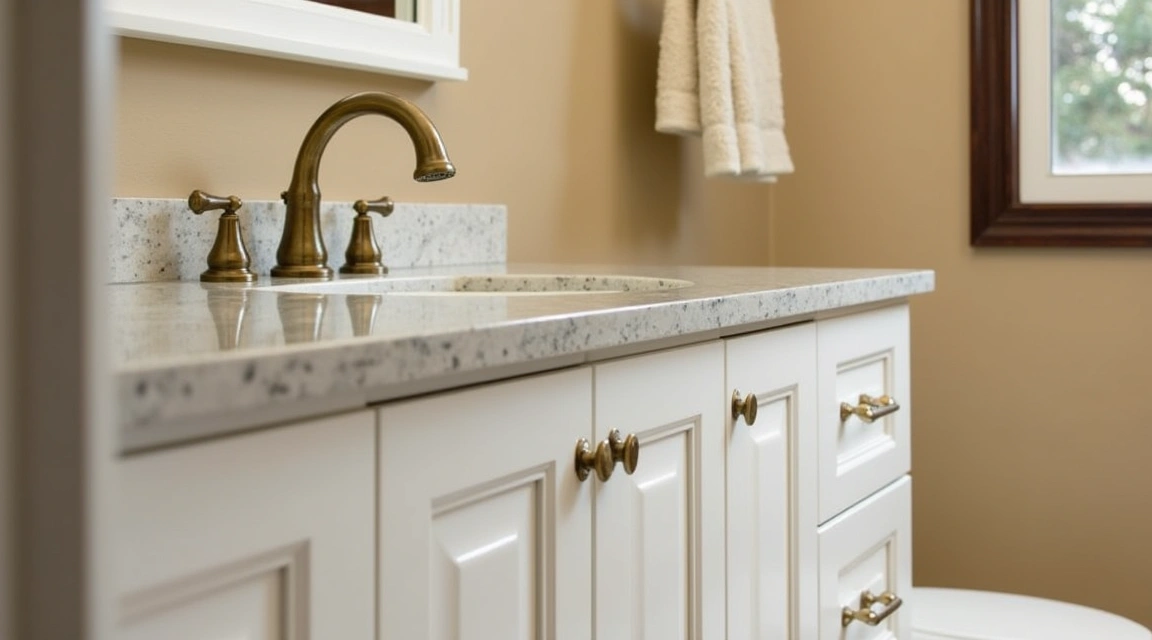
Knowing what drives hardware prices gives you real leverage. First, you can comparison-shop intelligently. Instead of just looking at the headline price, you’ll evaluate material, finish durability, and warranty coverage. This prevents you from buying cheap hardware that tarnishes within months or handles that feel flimsy the moment you grip them.
Second, you can negotiate better. When I approached a local cabinet hardware supplier with a detailed list and showed I understood the difference between solid brass and plated zinc, they offered me contractor pricing even though I was a homeowner. Suppliers respect informed buyers and often reward that knowledge with discounts or upgraded finishes at no extra charge.
Third, you avoid budget blowouts. Renovations are notorious for cost overruns, and cabinet hardware is a sneaky culprit. By setting realistic expectations—knowing that hand-forged pulls will cost significantly more than mass-produced stamped knobs—you can allocate your budget wisely and avoid scrambling for extra cash mid-project.
Fourth, you gain flexibility. Understanding pricing lets you mix and match strategically. You might choose solid brass pulls for high-traffic kitchen drawers where durability matters, and opt for attractive but less expensive zinc knobs for rarely-opened upper cabinets. This hybrid approach balances aesthetics, function, and cost.
Finally, you’ll have a stronger relationship with your contractor or designer. When you speak knowledgeably about hardware pricing, they’ll trust your input and collaborate more effectively. I found that my cabinet installer appreciated my research because it streamlined decision-making and reduced back-and-forth delays.
Drawbacks and Caveats to Keep in Mind

Despite these advantages, there are real pitfalls to watch for. The biggest is paralysis by analysis. With so many variables—material, finish, brand, supplier, volume discounts—it’s easy to spend weeks agonizing over every detail. I spent an embarrassing amount of time comparing eight nearly identical brushed nickel pulls, only to realize the differences were imperceptible once installed. Sometimes good enough is truly good enough.
Another caveat: lowest price doesn’t always mean best value. I once bought a set of discounted pulls from an online closeout seller. The finish wore off within six months, and the supplier had gone out of business, leaving me with no recourse. Cheap hardware can end up costing more in replacement time, labor, and frustration than paying slightly more upfront for proven quality.
Shipping and handling costs can also sabotage your budget. Heavy solid brass hardware incurs higher shipping fees, and international orders may carry import duties or extended delivery times. When I ordered custom pulls from a European manufacturer, the shipping nearly doubled my total cost, and delivery took eight weeks—delaying my entire project.
Inconsistent finish matching poses another risk. If you order hardware in multiple batches or from different suppliers, even supposedly identical finishes may vary slightly due to different production runs or suppliers. I learned to order a few extra pieces upfront to avoid mismatched finishes later if I needed replacements.
Lastly, trends change. Investing heavily in ultra-trendy hardware—like rose gold or matte black—might feel stylish today but could look dated in five years. Classic finishes like brushed nickel, oil-rubbed bronze, or polished brass tend to age more gracefully and maintain resale value better if you decide to sell your home.
Who Should Pay Close Attention to Hardware Pricing Standards
This information is most valuable for homeowners planning a full kitchen or bathroom remodel. If you’re replacing twenty or more cabinet doors and drawers, the cumulative cost of hardware becomes substantial. A difference of just a few dollars per piece adds up quickly when you’re buying fifty knobs and pulls.
DIY renovators benefit enormously because they control purchasing decisions directly. You don’t have a contractor marking up hardware costs or steering you toward preferred suppliers. You can shop around, negotiate, and choose exactly the quality and finish that fits your budget and vision.
Property investors and house flippers should also pay attention. Choosing durable, attractive hardware at a reasonable price point improves resale appeal without eating into profit margins. Understanding these pricing factors helps you balance cosmetic upgrades with cost control.
Contractors and designers who want to build trust with clients will find this knowledge invaluable. When you can clearly explain why one quote is higher than another—breaking down material, finish, and supplier differences—clients appreciate the transparency and feel confident in their investment.
Even renters making temporary upgrades or small homeowners refreshing a single bathroom vanity can benefit. Knowing what drives prices helps you spot genuine bargains versus false economies, ensuring you get the best return on even modest spending.
Frequently Asked Questions
How much should I budget per piece for quality cabinet hardware?
Budgeting depends heavily on your material and finish choices. For solid brass or high-quality stainless steel pulls and knobs, expect to spend anywhere from a modest amount for simple designs to considerably more for decorative or custom pieces. Zinc alloy or basic stamped steel hardware typically costs less. I recommend browsing several reputable suppliers to establish a realistic range for your preferred style, then adding a buffer for shipping and potential replacements. Always prioritize durability over the absolute lowest price, especially for high-use areas like kitchen drawers.
Can I mix different hardware finishes in the same room?
Yes, but do so intentionally. Mixing finishes works best when you maintain a cohesive design logic—for example, matching your cabinet pulls to your faucet finish while choosing complementary knobs in a slightly different tone. I’ve seen successful kitchens that pair brushed nickel pulls with matte black knobs, creating visual interest without chaos. The key is consistency within each hardware type and ensuring all finishes share a similar undertone or style. Avoid mixing more than two or three finishes in a single space, or the look becomes cluttered rather than curated.
Do I really need to buy extra hardware pieces upfront?
Absolutely. I can’t stress this enough after my own experience. Cabinet hardware finishes can vary between production batches, and discontinued styles disappear faster than you’d expect. Buying a few extra knobs and pulls during your initial order ensures you have exact matches if a piece breaks, gets lost during installation, or if you decide to add another cabinet later. The small upfront cost of two or three spares is trivial compared to the frustration of searching for a discontinued finish or accepting a mismatched replacement. Store the extras in a labeled bag with your home maintenance supplies.