
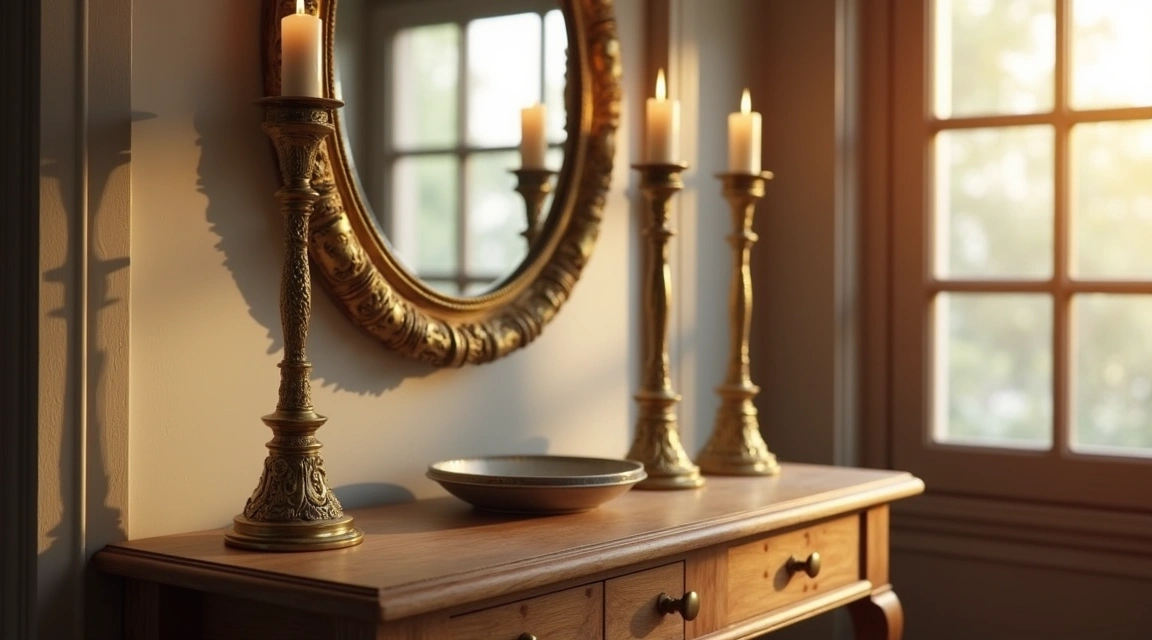
Shopping for brass hardware can feel overwhelming when you’re trying to honor the character of a classic interior. I’ve spent years sourcing pulls, hinges, and handles for period homes, and I’ve learned that the devil really is in the details. The finish you choose, the weight of the piece in your hand, and even the way a knob catches the light can either enhance your home’s architectural heritage or quietly undermine it. This guide walks through the comparison points that matter most when you’re investing in brass hardware for traditional spaces.
Whether you’re restoring a Victorian townhouse or simply want your kitchen renovation to respect the bones of an older home, understanding what separates excellent brass hardware from mediocre options will save you both money and regret. Let me share what I’ve learned from both successful choices and a few expensive mistakes.
What Makes Brass Hardware Right for Classic Interiors
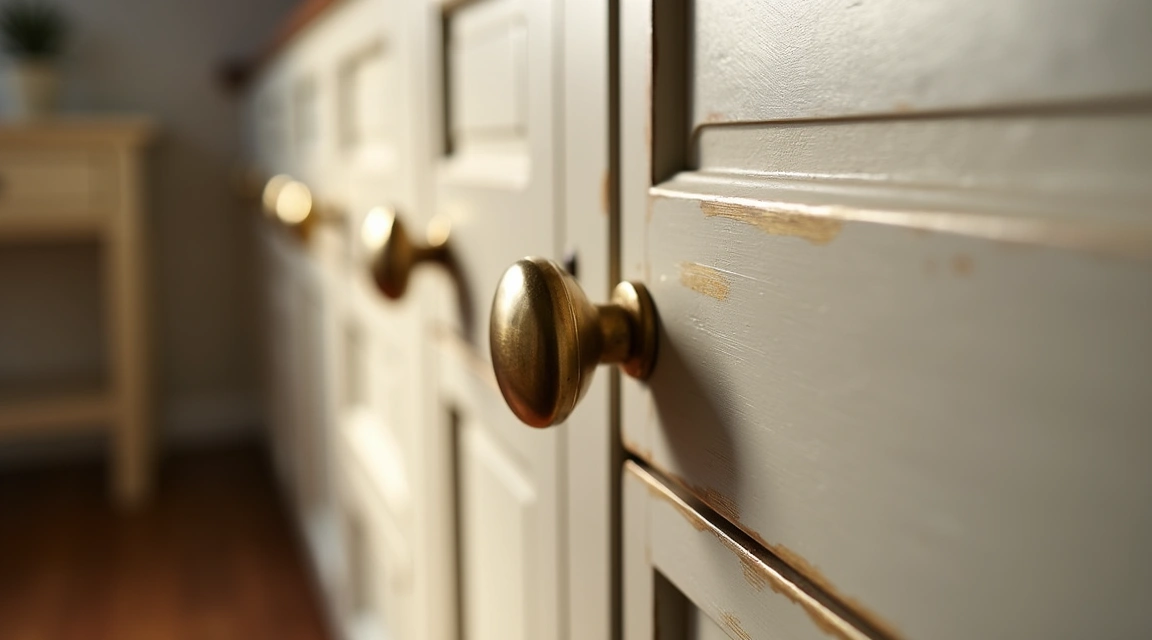
Brass brings warmth and authenticity that few other materials can match in historic or traditionally styled homes. The natural patina that develops over time adds character rather than diminishing value, which is exactly what you want in a classic setting. I’ve watched unlacquered brass door handles in my own home develop a beautiful depth over several years that new pieces simply can’t replicate.
The substantial weight of solid brass hardware communicates quality the moment you touch it. When guests use a properly weighted brass door handle or cabinet pull, there’s a tactile satisfaction that lighter alternatives never deliver. This heft also translates to durability—solid brass pieces can last generations with minimal maintenance, making them genuinely sustainable choices despite higher upfront costs.
Brass hardware offers remarkable finish versatility. Polished brass delivers formal elegance perfect for entry doors and formal dining spaces. Antique brass brings warmth to kitchens and libraries. Unlacquered brass evolves beautifully in high-touch areas like bathroom fixtures. I particularly appreciate how different finishes can tie together various periods within the same home without feeling disjointed.
The architectural compatibility is another major advantage. Brass hardware works seamlessly with traditional materials like marble, wood paneling, and plaster moldings. I’ve used brass pulls to bridge the gap between original Victorian woodwork and updated cabinetry, creating visual continuity that makes renovations feel intentional rather than patchwork.
For those interested in exploring more options within this category, our Brass Hardware Buying Guides section offers additional resources for matching hardware to specific architectural styles.
Challenges and Considerations You Should Know
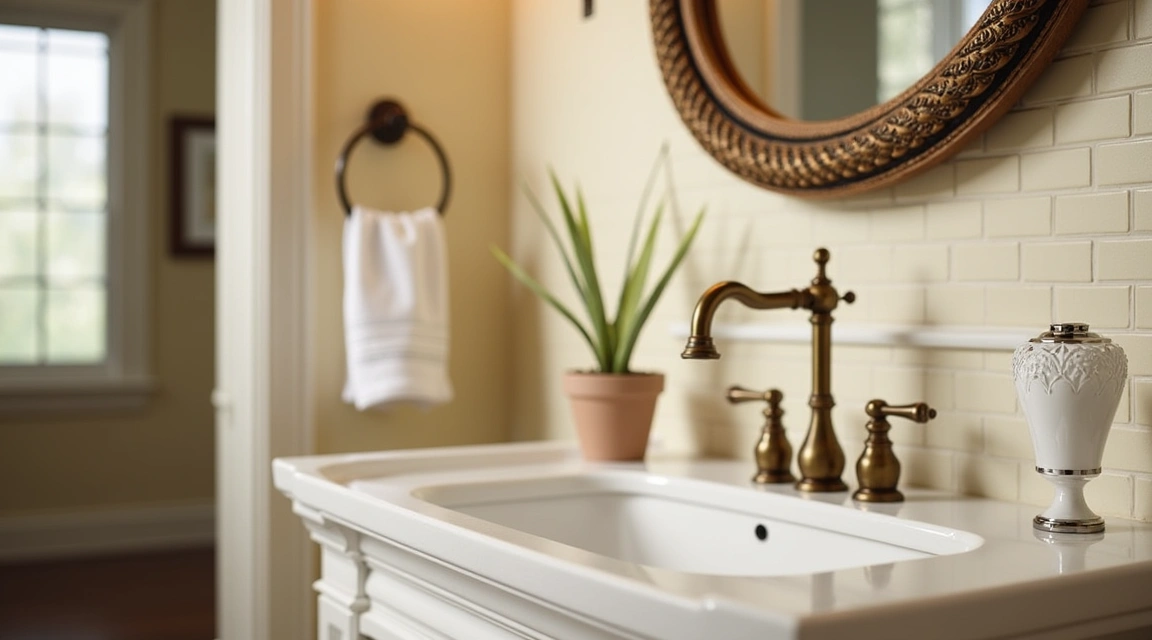
The price point can be genuinely shocking if you’re used to contemporary hardware pricing. Quality solid brass knobs and pulls often cost several times more than their zinc alloy counterparts. When I priced out hardware for a modest kitchen renovation, the brass cabinet pulls alone represented a significant portion of the budget. You need to decide early whether brass is where you want to invest, because compromising on quality to save money often leads to disappointment.
Maintenance requirements vary dramatically by finish, and this catches many people off guard. Unlacquered brass requires regular handling or occasional polishing to prevent uneven tarnishing. Lacquered finishes protect the brass but can crack or wear through over time, creating patchy appearances that are difficult to repair. I learned this the hard way with lacquered bathroom fixtures that looked worse after five years than unlacquered pieces would have.
Matching existing hardware presents real challenges in older homes. Brass formulations, patina colors, and even screw placements have changed over the decades. If you’re replacing just a few pieces, finding exact matches can be nearly impossible. I’ve had clients choose to replace entire sets rather than live with subtle mismatches that bothered them daily.
The weight that makes brass feel substantial also creates installation considerations. Original wood doors and cabinets may not support heavy brass hardware without reinforcement. I’ve seen beautiful antique cabinet doors sag slightly under the weight of oversized brass pulls that were technically period-appropriate but too heavy for the structure.
Replicas versus salvaged antiques require careful evaluation. Salvaged pieces bring authentic patina and often superior craftsmanship, but they may have wear, damage, or non-standard dimensions. High-quality reproductions offer consistency and warranty protection but lack the soul of genuine antiques. The decision depends on your priorities and how perfect versus authentic you want the result to be.
Who Should Choose Brass Hardware for Their Classic Interior
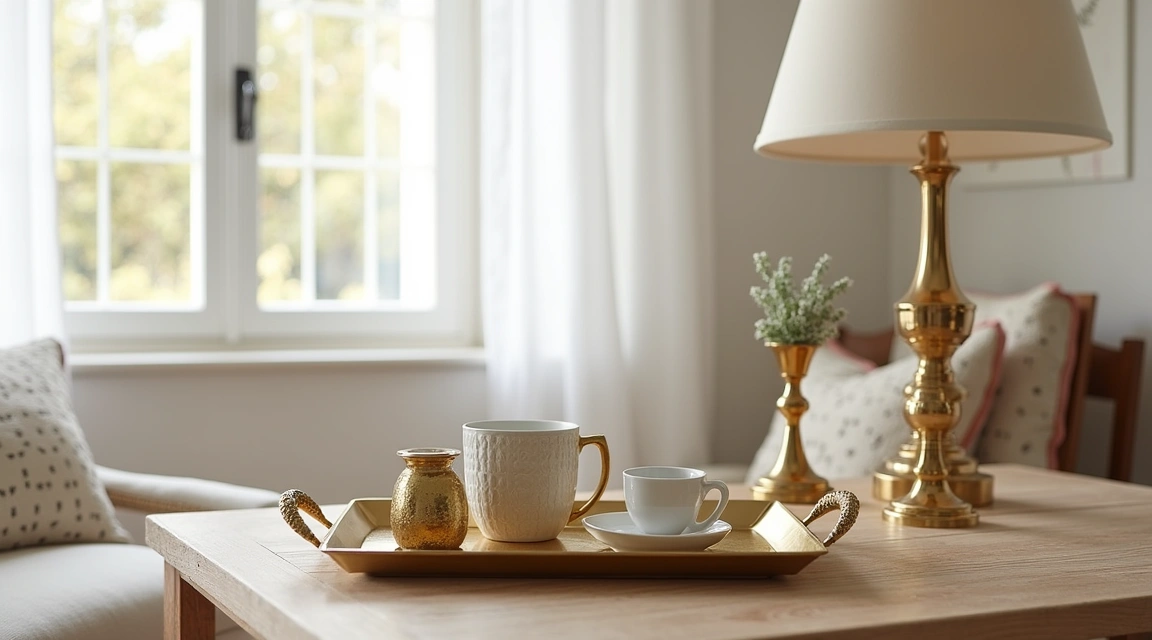
Homeowners committed to long-term quality over short-term savings will appreciate brass hardware most. If you’re planning to stay in your home for many years or you’re investing in a property you want to pass down, brass hardware’s durability and timeless appeal justify the investment. I recommend brass particularly when you’re working with good bones—homes with original architectural details worth honoring.
Period restoration enthusiasts who care about historical accuracy should absolutely consider brass. If you’re restoring a home to a specific era, authentic brass hardware in appropriate styles is often non-negotiable for achieving the look you want. The research required to identify correct patterns and finishes is significant, but the results are worth it for those who value authenticity.
Design-forward homeowners mixing classic and contemporary elements can use brass hardware as a sophisticated bridge. I’ve seen brass pulls and handles work beautifully in transitional kitchens where they ground modern cabinetry with traditional warmth. The key is selecting cleaner-lined brass pieces rather than highly ornate options.
This choice is less ideal for budget-conscious renovators working with tight timelines. If your budget is limited and you’re facing multiple competing priorities, brass hardware might not be where to allocate resources. Good-quality alternatives in other finishes can serve you well while you save for eventual upgrades. Similarly, if you’re renovating a rental property or a home you plan to sell quickly, the investment may not make financial sense.
Households with very young children might want to delay brass hardware installation, particularly unlacquered finishes that show every fingerprint and require gentle handling. I generally suggest waiting until children are past the toddler stage before investing in hardware that requires careful maintenance.
Frequently Asked Questions
How do I know if I’m buying solid brass versus brass-plated hardware?
Check the weight first—solid brass feels substantially heavier than plated alternatives. Reputable manufacturers will clearly state “solid brass” in product descriptions, while vague terms like “brass finish” or “brass-toned” typically indicate plating. You can also use a magnet; brass is non-magnetic, so if a magnet sticks, you’re dealing with plated steel or another base metal. When shopping in person, examine the hardware closely for any signs of base metal showing through, particularly around screw holes or edges.
Should I choose lacquered or unlacquered brass for kitchen cabinet hardware?
This depends on your maintenance preferences and desired aesthetic. Lacquered brass maintains its original polish with minimal effort, making it appealing if you want a consistent, bright appearance. However, the lacquer can wear through in high-use areas, creating uneven patches. Unlacquered brass (often called “living finish”) develops a natural patina over time and actually looks better with age and handling. For kitchens where you’ll touch the hardware daily, I generally prefer unlacquered brass because the patina develops evenly and you never have to worry about lacquer deterioration. Just be prepared to embrace the changing appearance.
Can I mix brass hardware with other metal finishes in the same room?
Yes, but it requires a thoughtful approach. Mixing metals works best when you establish a dominant finish and use accent metals intentionally. For example, brass cabinet pulls can coexist beautifully with stainless steel appliances if the brass is the primary decorative metal and appears consistently throughout the space. I recommend keeping plumbing fixtures in one finish family within a single room—don’t mix brass and chrome faucets in the same bathroom. The key is creating intentional patterns rather than random combinations. In classic interiors, brass typically serves as the warm accent that complements rather than competes with other finishes.