
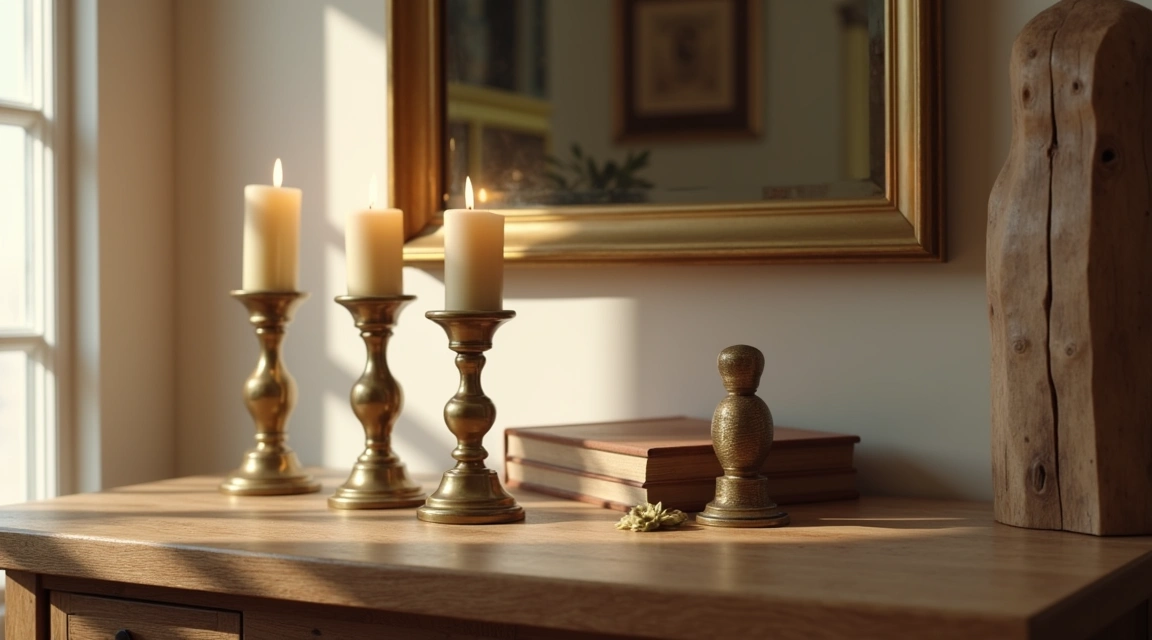
Traditional cabinet pulls bring character and warmth to kitchens, bathrooms, and furniture pieces throughout the home. Understanding which pull styles work best in different settings helps create cohesive, functional spaces that honor classic design principles while meeting modern needs. This guide walks beginners through the most common traditional pull styles and shows where each style belongs.
Traditional pulls differ from contemporary hardware in their ornate details, heritage-inspired shapes, and connection to historical design movements. While modern pulls favor clean lines and minimal decoration, traditional styles embrace decorative elements that reference centuries of craftsmanship. Choosing the right style means matching the pull’s visual weight, finish, and proportions to the cabinet door or drawer and the room’s overall aesthetic.
Understanding Cup Pulls and Their Ideal Locations
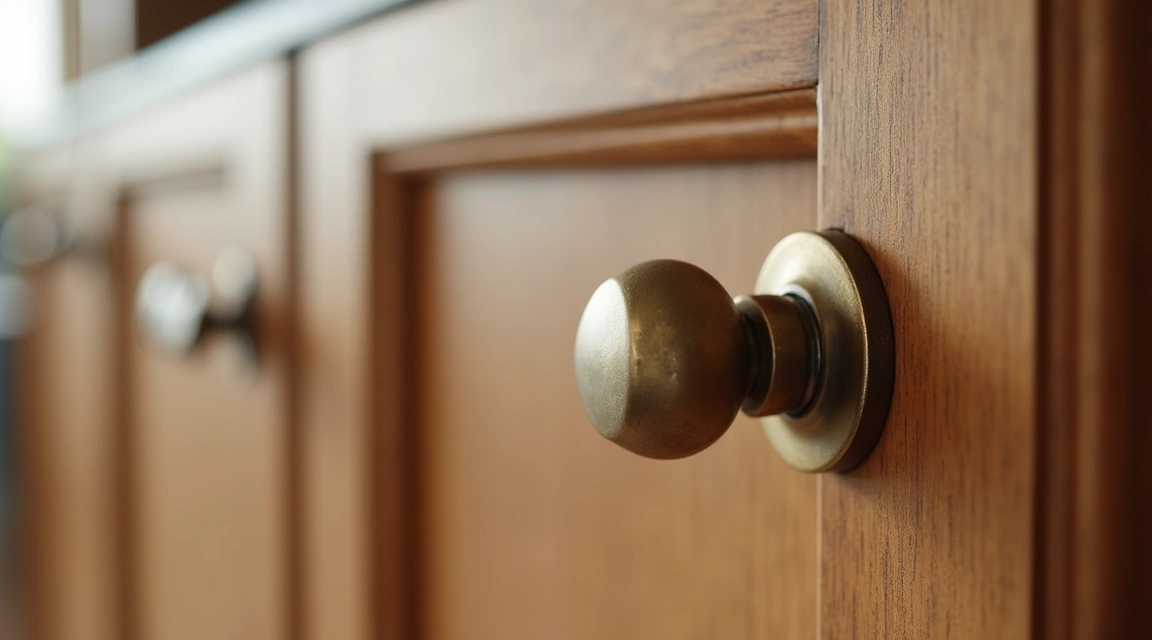
Cup pulls feature a half-circle or curved profile that creates a recessed finger grip. The user places fingers inside the cup rather than grasping a projecting handle. This style originated in the 18th century and remains popular for drawer fronts in traditional kitchens and vintage-inspired furniture.
Cup pulls work especially well on lower kitchen drawers where the downward pull motion feels natural. The recessed design prevents snags when walking past open drawers. In bathrooms, cup pulls suit vanity drawers and medicine cabinet drawers where a clean, unobtrusive profile matters.
Installation consideration: Cup pulls require two mounting holes drilled into the drawer front. Measure the center-to-center distance carefully before drilling. Most cup pulls use a standard spacing, but always verify the specific measurement for your chosen hardware before making permanent holes in new or refinished cabinets.
Choose cup pulls for furniture pieces like dressers, desks, and apothecary-style cabinets. The recessed profile protects clothing and prevents belt loops or jacket sleeves from catching. Antique brass and oil-rubbed bronze finishes enhance the traditional character, while polished nickel offers a brighter look that still honors classic design.
Bail Pulls and Where They Belong
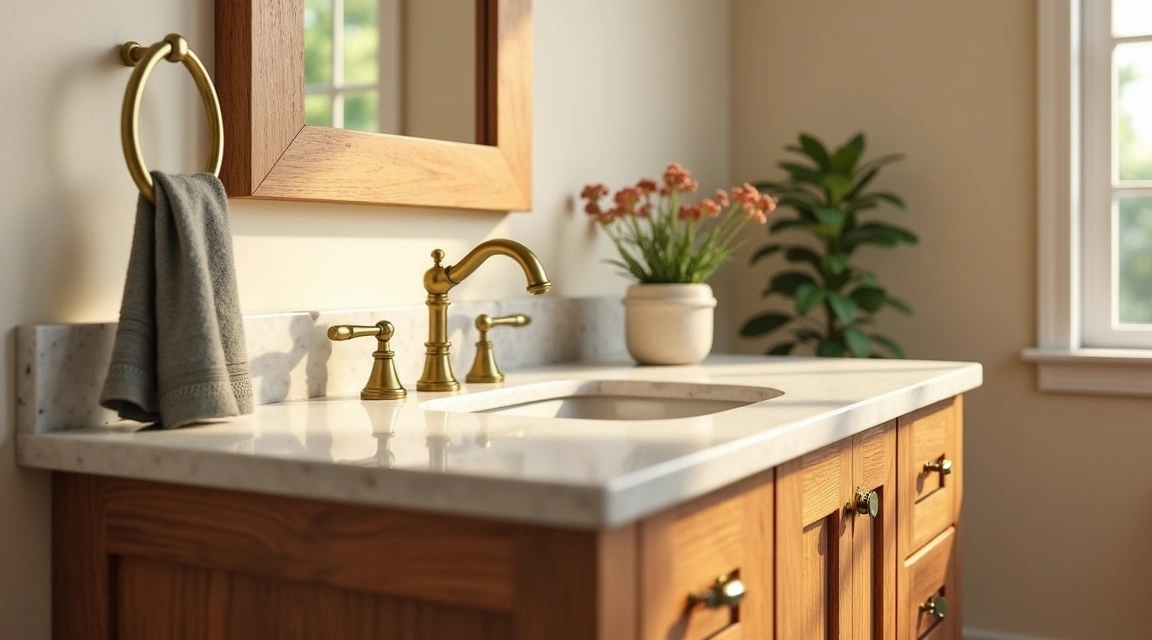
Bail pulls consist of a hanging loop (the bail) suspended between two mounting posts. The bail swings freely, creating a distinctive look associated with Georgian, Federal, and Colonial Revival styles. This pull type appears on high-end cabinetry and fine furniture where authenticity matters.
Kitchen cabinet doors benefit from bail pulls when the design references historical periods. Upper cabinet doors accept bail pulls more gracefully than lower doors because the hanging element sits at a comfortable height for opening. Avoid placing bail pulls on base cabinet doors where the low position forces awkward bending and pulling.
Installation consideration: The free-swinging bail can tap against cabinet doors and create noise. Check that adequate clearance exists between the bail and the door surface. On raised-panel doors, ensure the bail does not interfere with the panel’s profile when swinging.
Bail pulls excel on butler’s pantry cabinets, china hutches, and dining room built-ins where traditional formality matches the room’s purpose. The style also suits library cabinetry and home office built-ins with traditional millwork. For a cohesive look throughout the home, consider exploring other cabinet hardware options that complement bail pulls in adjacent rooms.
Select bail pull size according to door width. Narrow doors accept small, delicate bails measuring three to four inches in overall width. Wide pantry doors and large cabinet fronts require more substantial bails to maintain visual balance.
Bin Pulls for Drawers and File Cabinets
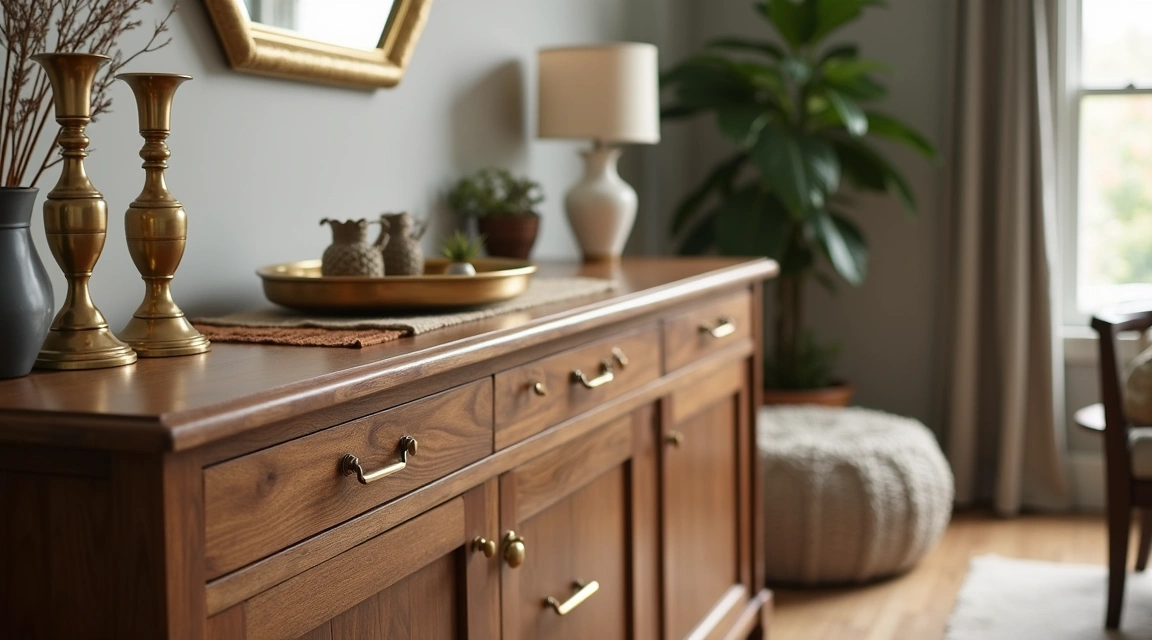
Bin pulls feature a rectangular or curved finger grip mounted horizontally across the drawer front. Originally designed for label frames on store bins and library card catalogs, this utilitarian style now appears throughout traditional and transitional homes.
Kitchen drawers accept bin pulls naturally because the horizontal grip aligns with the drawer’s opening motion. Wide drawers especially benefit from the extended grip surface, distributing pull force across a broader area. This reduces stress on mounting screws and cabinet construction.
Installation consideration: Bin pulls require precise horizontal alignment. A tilted pull looks unprofessional and creates an uncomfortable grip angle. Use a level during installation and mark both mounting holes carefully. Double-check measurements before drilling to ensure the pull sits perfectly horizontal.
Pantry drawers, office file cabinets, workshop storage, and mudroom built-ins all benefit from bin pulls. The style works particularly well in spaces where function matters more than formal appearance. Laundry rooms, craft rooms, and garage cabinets gain efficiency from this straightforward pull design.
Bin pulls suit transitional spaces that blend traditional and modern elements. The simple rectangular shape reads as less ornate than cup or bail pulls while maintaining connection to historical precedent. Brushed nickel, pewter, and aged iron finishes enhance the utilitarian character.
Ring Pulls and Their Traditional Applications
Ring pulls feature a circular ring suspended from a mounting post or backplate. This ancient hardware style appears in furniture and cabinetry dating back centuries. The ring hangs freely, similar to a bail pull, but creates a circular profile rather than a curved one.
Ring pulls belong on cabinets and furniture pieces inspired by medieval, Tudor, Gothic, and early Renaissance design. The style suits rustic settings, lodge-style homes, and spaces with heavy timber construction. In kitchens, ring pulls work best as accent hardware on a featured cabinet piece rather than throughout the entire space.
Installation consideration: Like bail pulls, ring pulls create noise when they swing against cabinet surfaces. The circular shape can also catch on clothing or pot handles more easily than other pull types. Evaluate traffic patterns around cabinets before committing to ring pulls in high-activity areas.
Wine cellars, bar cabinets, and butler’s pantries accept ring pulls gracefully. The style also enhances armoires converted to entertainment centers or wardrobe storage. Consider ring pulls for exterior cabinet installations on covered porches or outdoor kitchens where a rustic, sturdy aesthetic matters.
Backplate variations add visual interest to ring pulls. Plain posts create a minimalist look, while ornate backplates in rosette or shield shapes increase decorative impact. Match backplate complexity to the surrounding architectural detail level.
Escutcheon Plates and Decorative Backplates
Escutcheon plates mount behind pulls and handles to protect cabinet surfaces and add decorative detail. While not pulls themselves, these plates significantly affect the traditional character of cabinet hardware installations. Understanding when and where to use them enhances overall design cohesion.
Backplates work best with smaller pulls that might otherwise disappear against large cabinet doors. A decorative plate increases visual weight and creates better proportion. This technique particularly benefits tall cabinet doors and wide drawer fronts where unadorned pulls look undersized.
Installation consideration: Backplates require additional mounting holes or adhesive installation. Plan for plates before drilling any holes. Attempting to add plates after installing pulls often means re-drilling or accepting misaligned hardware. Measure carefully and install the plate first, then attach the pull through the plate.
Use backplates to unify mismatched cabinet sizes. When a kitchen contains varied door widths and drawer heights, plates create consistent visual elements that tie the hardware together. This technique proves especially valuable in kitchens combining original cabinetry with new additions.
Bathroom vanities benefit from backplates because the plates protect painted or stained surfaces from hand oils and moisture. In high-humidity environments, the extra protection layer extends finish life. Select backplates with sealed finishes to prevent water damage.
Drop Pulls and Historic Cabinet Styles
Drop pulls feature a teardrop or pendant shape hanging from a fixed mounting point. This distinctive style peaked in popularity during the Queen Anne period and continues to appear on reproduction furniture and cabinets honoring 18th-century design.
Drop pulls suit drawer fronts on formal furniture more than kitchen cabinetry. The delicate profile and limited grip surface make them less practical for frequently used kitchen drawers. Instead, reserve drop pulls for bedroom dressers, living room console tables, and decorative accent pieces where appearance matters more than heavy daily use.
Installation consideration: Drop pulls provide a small grip surface compared to other pull types. Users with limited hand strength or arthritis may find them difficult to operate. Consider the needs of all household members before selecting drop pulls for essential storage locations.
When drop pulls do appear in kitchens, place them on upper cabinet drawers used for linens or special-occasion items rather than everyday utensils. The style also works on shallow spice drawers or small drawers integrated into cabinet doors where minimal pull force suffices.
Match drop pull size to drawer scale carefully. Oversized drops look cartoonish on small drawers, while tiny drops disappear on wide drawer fronts. The pull should occupy approximately one-third to one-half the drawer’s width for pleasing proportion.
Common Mistakes When Selecting Traditional Pulls
Mixing too many pull styles in a single space creates visual confusion. While varied hardware can work in large, compartmentalized homes, most kitchens and bathrooms benefit from limiting pull types to two complementary styles. For example, pair cup pulls on drawers with simple bar pulls on cabinet doors rather than introducing bail pulls, ring pulls, and drop pulls simultaneously.
Ignoring door and drawer proportions leads to hardware that looks wrong regardless of style quality. Large, ornate pulls overwhelm small cabinet doors, while tiny pulls look lost on wide expanses. Hold pull samples against cabinet surfaces before purchasing to verify scale works in real life, not just in catalog images.
Choosing pulls based on current trends rather than the home’s architectural style creates a disjointed appearance. A Victorian home with traditional millwork fights against ultra-minimal hardware, just as a mid-century modern space rejects overly ornate pulls. Match hardware style to the home’s bones for cohesive results.
Neglecting finish consistency across rooms confuses the eye as you move through the home. While exact finish matching is not required, maintaining a general tone family—all warm metals or all cool metals—creates better flow. Mixing polished brass, oil-rubbed bronze, and brushed nickel in adjacent spaces rarely succeeds.
Failing to consider maintenance requirements leads to frustration later. Ornate pulls with deep crevices collect dust and grime in busy kitchens. Unlacquered brass develops patina that some homeowners love and others find messy. Understand care needs before committing to intricate hardware in high-use areas.
Creating a Cohesive Traditional Hardware Plan
Start with the most visible cabinet area and select pulls that feel right for that location. In kitchens, begin with the island or the cabinet run opposite the entrance. Choose a primary pull style for this focal area, then select complementary hardware for less prominent locations.
Create a simple hardware map showing which pull types go where before purchasing. This planning step reveals potential proportion problems and helps calculate accurate quantities. The map also serves as an installation guide, ensuring consistent placement throughout the space.
Order samples before buying full quantities. Photos mislead regarding finish appearance, scale, and weight. Holding actual hardware samples against your cabinets prevents expensive mistakes. Most suppliers offer sample programs or accept returns, making physical evaluation possible before final commitment.
Consider pull projection for areas near walkways and appliances. Pulls extending far from cabinet surfaces create collision risks in narrow galleys and tight bathrooms. Balance aesthetic preferences with practical clearance needs, especially around refrigerators, dishwashers, and bathroom vanities.
Plan for future availability when possible. Hardware lines come and go, making exact replacements difficult years later. When renovating or building new, buy extra pulls for potential damage or future remodeling that adds cabinet space. Store spares in a labeled container with purchase information.
Traditional cabinet pulls connect contemporary homes to centuries of design history while providing the functional grip surfaces that cabinets require. Understanding each style’s character and appropriate placement helps create spaces that feel both timeless and purposeful. Whether installing cup pulls on kitchen drawers, bail pulls on formal cabinetry, or bin pulls in working spaces, matching hardware to location ensures pulls serve well for years to come. Take time to assess your cabinet proportions, consider daily use patterns, and select traditional pulls that enhance both beauty and function throughout your home.