
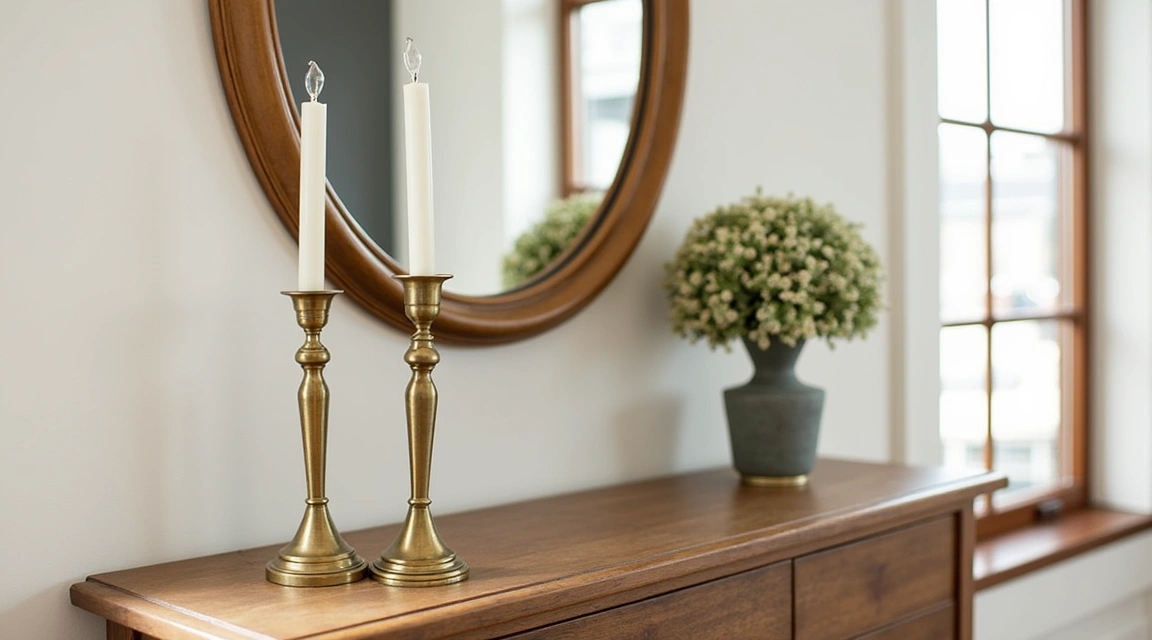
Brass hardware has long been a hallmark of classic interior design, offering warmth, elegance, and timeless appeal. Whether you’re restoring a period home or adding traditional charm to a newer space, selecting and operating brass hardware correctly ensures both beauty and functionality. This guide walks you through the essential steps for choosing, installing, and maintaining brass hardware in classic interiors, using simple language and practical advice suitable for complete beginners.
Understanding how brass hardware works in different environments and learning proper care techniques will help you avoid common pitfalls and preserve your investment for years to come. Let’s explore the fundamentals of brass hardware selection and operation.
Understanding Brass Hardware Types and Finishes
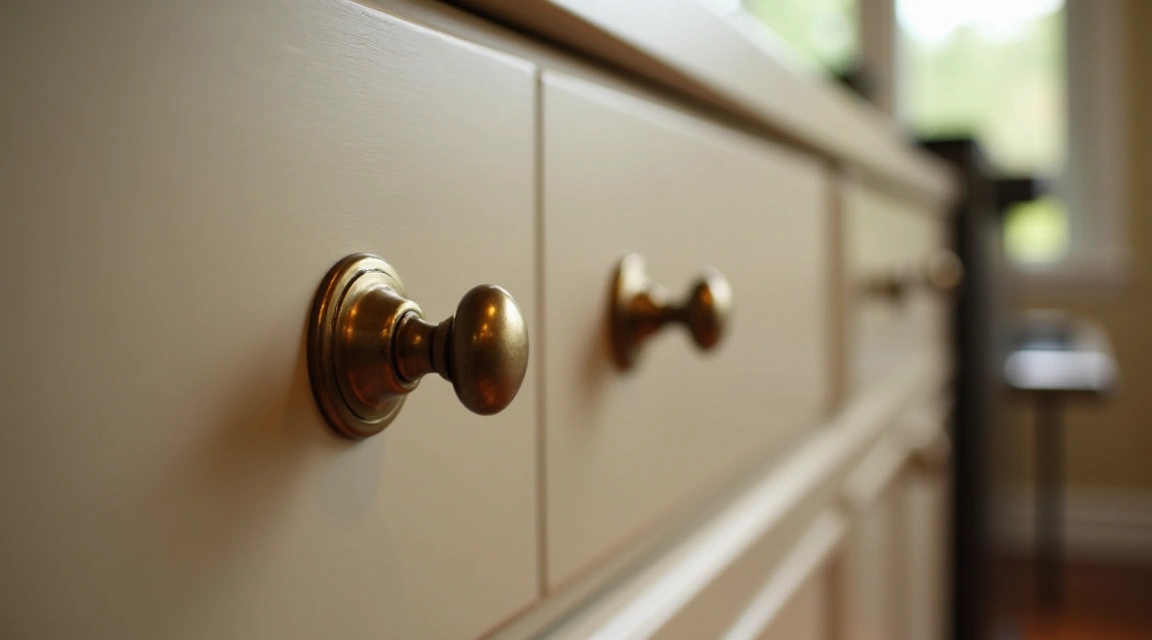
Before purchasing any brass hardware, you need to understand the basic types and finishes available. Brass hardware comes in several categories including door handles, cabinet pulls, hinges, drawer knobs, keyhole escutcheons, and window latches. Each serves a specific function while contributing to your interior’s overall aesthetic.
Step 1: Identify which hardware pieces you need for your project. Walk through each room and make a list of doors, cabinets, drawers, and windows that require hardware. Count carefully to avoid ordering too few or too many pieces.
Caution: Don’t assume all doors or cabinets use the same size hardware. Measure existing mounting holes or door thickness before ordering replacements.
Brass finishes vary widely and dramatically affect the final appearance. Polished brass offers a bright, reflective gold tone that stands out boldly. Satin brass provides a softer, brushed appearance with less shine. Antique brass features darker tones with intentional patina for an aged look. Lacquered brass has a protective coating that prevents tarnishing, while unlacquered brass develops natural patina over time.
Step 2: Choose a finish that matches your interior style and maintenance preferences. For authentic period looks, unlacquered brass allows natural aging. For low-maintenance options, lacquered finishes reduce cleaning requirements.
Caution: Mixing different brass finishes in the same room often looks unintentional rather than eclectic. Commit to one finish throughout connected spaces for visual coherence.
Evaluating Quality and Construction
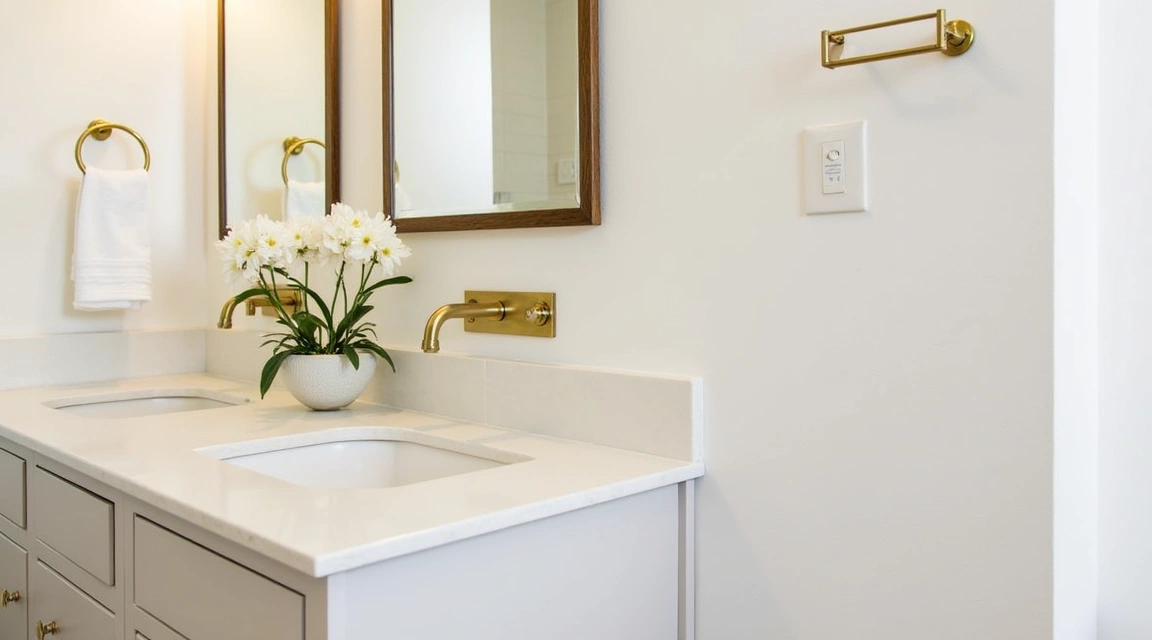
Not all brass hardware is created equal. Quality differences affect both appearance and longevity. Solid brass hardware is machined or cast from pure brass alloy, offering superior weight, durability, and aging characteristics. Brass-plated hardware features a thin brass layer over a base metal core, which can chip or wear through with use.
Step 3: Examine the hardware’s weight and construction. Solid brass feels noticeably heavier than plated alternatives. Check product descriptions for terms like “solid brass,” “forged brass,” or “cast brass” rather than “brass finish” or “brass tone.”
Caution: Very lightweight pieces claiming to be brass are likely plated or made from brass-colored alloys with minimal actual brass content.
Inspect mechanical components carefully. Door handles should operate smoothly with a firm, quality feel. Springs should provide appropriate resistance without feeling loose or overly stiff. Mounting screws and backplates should be included and made from compatible materials to prevent galvanic corrosion.
Step 4: Test the mechanism before purchasing when possible. Turn handles fully through their range of motion. Press latches to ensure they spring back properly. Check that all moving parts operate without binding or excessive play.
Caution: Mechanisms that feel sticky or rough when new will typically worsen with use. Choose hardware with smooth, confident operation from the start.
For those new to selecting quality brass components, our Brass Hardware Buying Guides section offers additional resources on identifying authentic materials and construction techniques.
Proper Installation Techniques
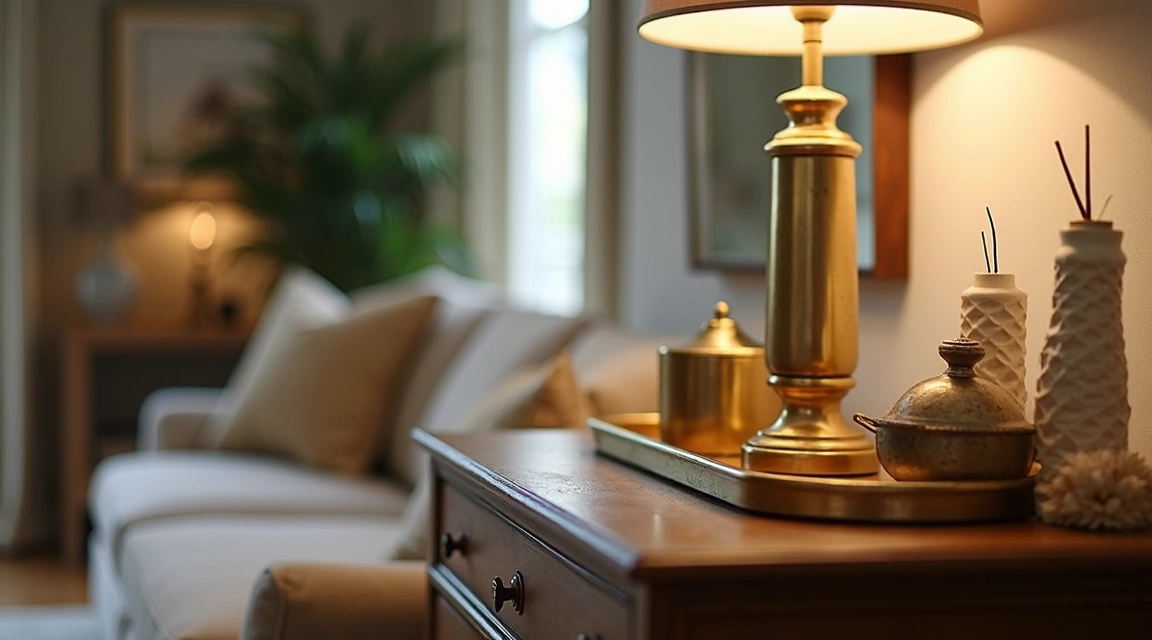
Correct installation ensures your brass hardware operates properly and looks professional. Even the finest hardware will disappoint if installed carelessly or with wrong techniques.
Step 5: Gather appropriate tools before beginning installation. You’ll typically need a drill with bits matching your screw sizes, a screwdriver (often Phillips head), a pencil for marking, a level or square for alignment, and potentially a hole saw for new door handle installations.
Caution: Using oversized drill bits creates loose mounting holes that allow hardware to wobble or pull free under use.
When installing door hardware, precise alignment is critical. Door handles must align perfectly with strike plates for smooth latching. Cabinet pulls should sit level and at consistent heights across multiple doors or drawers. Mark all positions carefully with a pencil before drilling.
For new installations requiring holes, measure twice and drill once. Standard door handle heights and cabinet pull positions follow established conventions that look correct to the eye. Door handles typically mount at a comfortable working height, while cabinet pulls position according to door or drawer size and style.
Step 6: Install hardware with appropriate force. Tighten mounting screws firmly but not excessively. Brass is softer than steel and can strip if overtightened. Stop when the hardware sits flush and firm against the mounting surface.
Caution: Power drivers can easily overtighten brass screws. Use hand tools or set your driver’s torque limiter to prevent stripping threads or cracking mounting plates.
Operating and Maintaining Brass Hardware
Daily use and regular maintenance keep brass hardware functioning smoothly and looking beautiful. Understanding proper operating techniques prevents unnecessary wear.
Always operate door handles and latches with appropriate force. Brass hardware requires gentle, deliberate handling rather than aggressive yanking or slamming. Turn handles fully through their range before pulling doors open. This ensures latches retract completely and prevents binding.
For hinged doors with brass hardware, avoid using door handles as push points. Push on the door panel itself when closing. This prevents unnecessary lateral stress on the handle mechanism.
Window latches and sash locks require particular care. Operate them slowly and completely. Forcing partially-engaged latches damages both the brass components and the wooden window frames they secure.
Cleaning brass hardware properly preserves both appearance and function. For lacquered brass, use only soft cloths with mild soap and water. Harsh chemicals or abrasive cleaners damage the protective coating. Dry thoroughly after cleaning to prevent water spots.
Unlacquered brass requires different care. This finish develops natural patina over time, which many people find desirable for period interiors. If you prefer maintaining bright brass, use specialized brass polish applied with soft cloths. Rub gently in circular motions, then buff clean with a dry cloth.
Avoid ammonia-based cleaners on any brass finish. These can discolor or damage the metal. Similarly, never use steel wool or abrasive scrubbing pads, which scratch brass surfaces permanently.
Mechanical maintenance keeps hardware operating smoothly. Apply a tiny amount of light machine oil or graphite lubricant to hinges, latch mechanisms, and moving parts once or twice yearly. Wipe away excess to prevent dust accumulation.
Common Mistakes to Avoid
Several frequent errors can compromise your brass hardware investment. Learning to recognize and avoid these mistakes saves time, money, and frustration.
Mixing metals unintentionally: Combining brass with chrome, nickel, or stainless steel hardware in the same visual field creates an unfocused appearance. Choose one primary metal finish for all visible hardware in connected spaces. If you must mix metals, do so deliberately with clear separation between different areas.
Ignoring door thickness and backset requirements: Door hardware comes sized for specific door thicknesses and latch backset measurements. Installing hardware designed for standard doors on thicker or thinner doors causes operational problems. Always verify compatibility before purchasing.
Failing to protect during painting or renovation: Paint, plaster, and construction debris damage brass finishes. Remove hardware entirely during major work, or protect it carefully with painter’s tape and plastic. Paint splatter on brass is difficult to remove without damaging the underlying finish.
Using mismatched screws: Replacing original brass screws with steel or zinc alternatives creates galvanic corrosion when moisture is present. This causes unsightly staining and eventual failure. Use brass screws with brass hardware, or choose stainless steel screws if brass isn’t available.
Neglecting regular tightening: Brass hardware loosens gradually through normal use. Check and gently retighten mounting screws every few months to prevent wobbling that accelerates wear and can enlarge mounting holes.
Applying furniture wax to mechanical parts: While wax protects decorative brass items, it gums up moving mechanisms in functional hardware. Keep wax away from latches, springs, and pivot points.
Expecting instant patina on unlacquered brass: Natural patina develops slowly through exposure to air and handling. Don’t attempt to accelerate the process with chemicals, which create uneven, artificial-looking results. Allow unlacquered brass to age naturally over months and years.
Bringing It All Together
Selecting and operating brass hardware for classic interiors combines practical knowledge with aesthetic judgment. By understanding the differences between solid and plated brass, choosing appropriate finishes for your design goals, installing hardware with care and precision, and maintaining it properly through regular use, you’ll achieve both beauty and functionality.
Remember that quality brass hardware represents an investment in your home’s character and value. Take time to research options, measure accurately, and install thoughtfully. Handle your brass hardware gently during daily use, clean it with appropriate products for its specific finish, and perform simple maintenance to keep mechanisms operating smoothly.
The warmth and elegance of brass hardware enhances classic interiors in ways that modern alternatives cannot match. Whether you’re working with period-appropriate reproductions or authentic antique pieces, proper selection and care ensure your brass hardware will serve beautifully for generations. Start with these fundamental steps, avoid common mistakes, and enjoy the timeless appeal that only genuine brass can provide.