
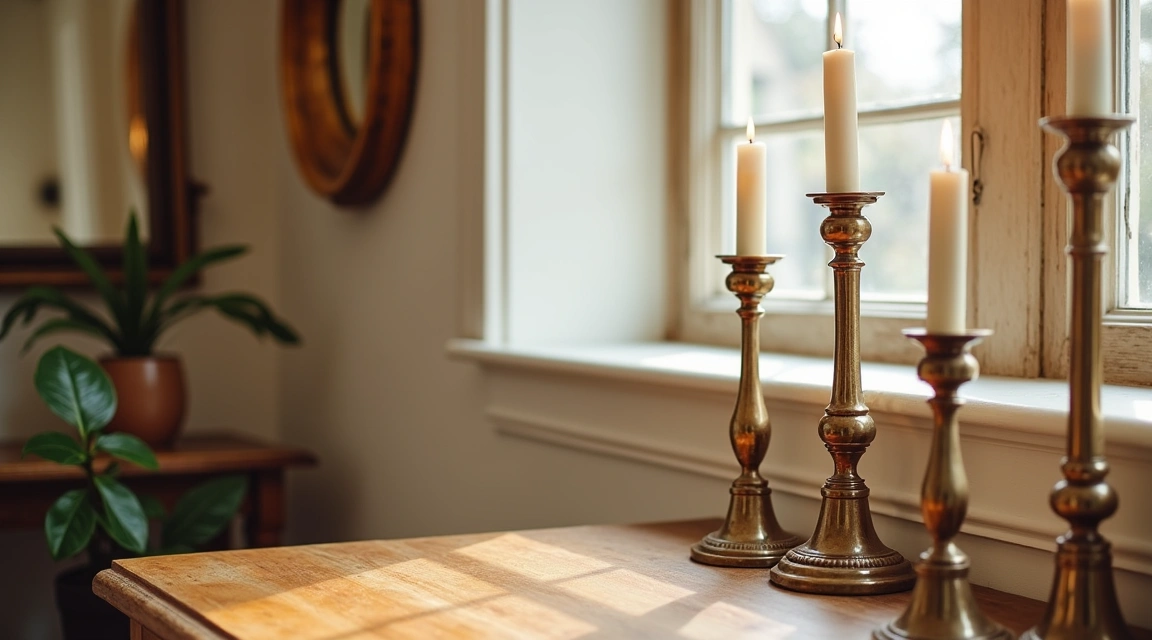
Restoration projects breathe new life into historic brass instruments, architectural fixtures, and decorative hardware, but success hinges on making informed decisions at every stage. Whether you’re restoring a vintage trumpet, refurbishing antique door hardware, or maintaining period-correct brass fixtures, a systematic approach ensures both aesthetic excellence and structural integrity. The key is balancing preservation of original character with functional improvements, while understanding when professional intervention becomes necessary.
A well-structured restoration decision checklist helps owners, collectors, and craftspeople navigate the complex terrain between conservation and renovation. Many restoration failures stem not from poor execution but from inadequate planning and assessment. By establishing clear priorities before work begins, you protect both the investment and the item’s historical authenticity.
Initial Assessment and Documentation
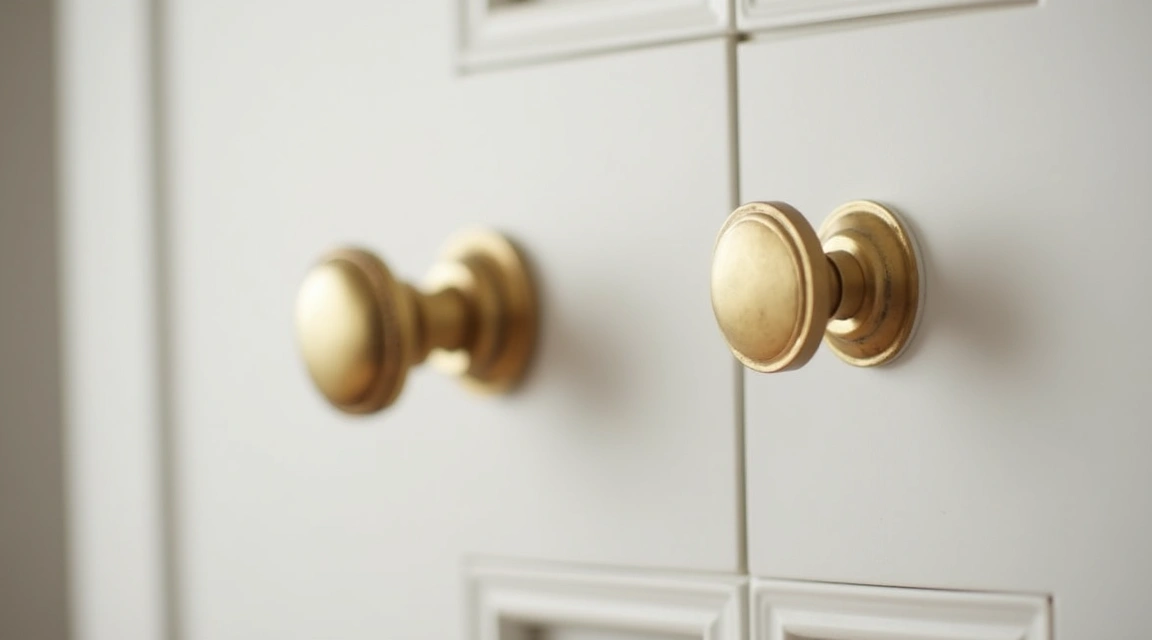
Before any restoration work begins, comprehensive documentation establishes a baseline for all future decisions. Photograph the item from multiple angles under good lighting, capturing both overall condition and specific problem areas. Note all markings, stamps, serial numbers, and maker’s marks that identify the piece’s origin and age. This documentation proves invaluable when researching appropriate restoration techniques and materials.
Examine the item’s structural condition carefully. Look for cracks, stress points, previous repairs, and areas of significant wear or corrosion. Distinguish between surface patina—which often adds character and value—and active corrosion that threatens the item’s integrity. Understanding this difference prevents unnecessary removal of desirable aging while addressing genuine deterioration.
Research the item’s history and original specifications when possible. For musical instruments, manufacturer catalogs and historical records can reveal original finishes, valve configurations, and period-correct details. For architectural hardware and fixtures, consulting historical building surveys or period design references helps establish authentic restoration targets. This research phase often uncovers details invisible to the untrained eye but critical to authentic restoration.
Maintenance Versus Restoration Decision Points
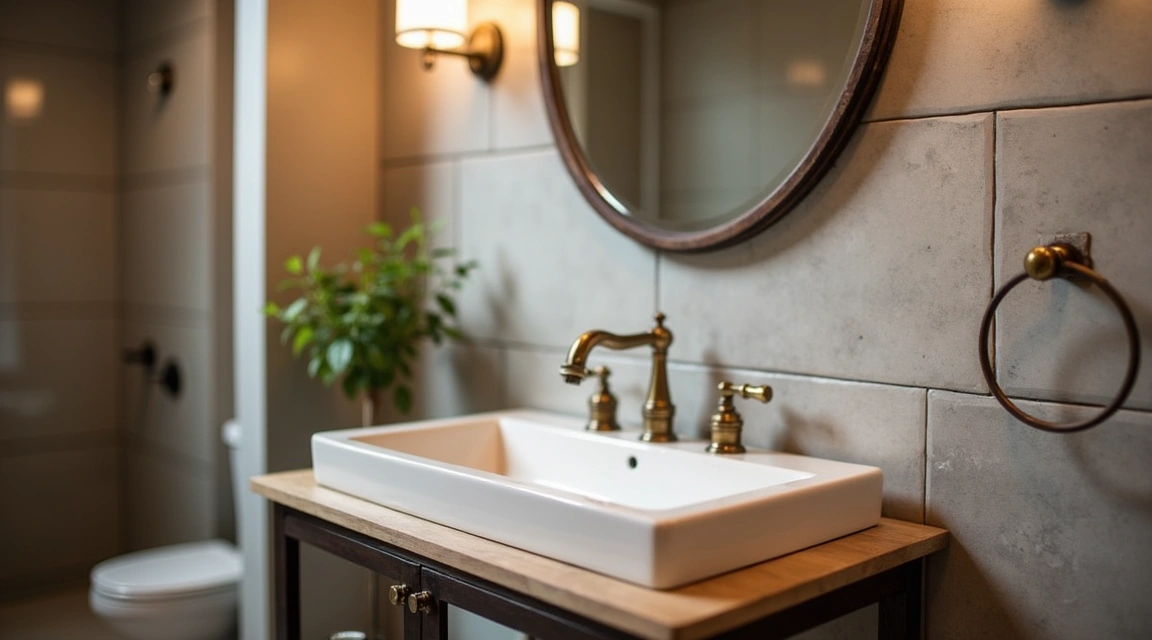
The distinction between routine maintenance and full restoration significantly affects both cost and approach. Regular maintenance preserves existing condition through cleaning, lubrication, minor adjustments, and protective treatments. Restoration involves more invasive procedures: disassembly, material replacement, chemical treatment, replating, or reconstruction of damaged components.
Consider maintenance when the item remains functionally sound and structurally intact. Light tarnish, minor surface wear, and cosmetic aging often respond well to gentle cleaning and protective waxing. For brass instruments still in playing condition, regular valve maintenance, slide lubrication, and careful cleaning may suffice for years. Similarly, antique door hardware that operates smoothly might need only periodic cleaning and occasional tightening rather than complete refinishing.
Restoration becomes necessary when functional problems emerge or structural issues threaten the item’s longevity. Active corrosion that pits the metal, frozen valves or mechanisms, cracked joints, missing components, or previous poor-quality repairs typically require professional restoration. The decision often hinges on intended use: a brass instrument returning to performance demands higher functional standards than a display piece, while architectural hardware in daily use requires different durability than a museum artifact.
For guidance on various restoration approaches and techniques, visit our Restoration Ideas section, which explores methods appropriate for different brass items and preservation goals.
Professional Evaluation Criteria

Knowing when to consult a professional restorer protects both the item and your investment. Certain conditions always warrant expert assessment: structural cracks in stress-bearing areas, extensive corrosion requiring chemical treatment, missing components that need fabrication, and items with significant historical or monetary value. Professional restorers possess specialized tools, materials, and techniques unavailable to most hobbyists.
When selecting a restoration specialist, request examples of previous work on similar items. A trumpet restorer’s expertise differs substantially from an architectural brass specialist’s skill set. Ask about their approach to preservation versus renovation—reputable restorers prioritize retaining original material and character whenever possible. Discuss their use of period-appropriate techniques and materials versus modern alternatives.
Obtain detailed written estimates that break down labor, materials, and specific procedures. Quality restoration takes time, and rushed work often shows. Understand what the restorer will and won’t do: some decline to remove desirable patina or replace components that remain functional despite age. This conversation clarifies expectations and helps you choose a professional whose philosophy aligns with your restoration goals.
“The best restoration preserves what time and use have added to an object’s character while addressing only those issues that threaten its survival or function. Over-restoration erases history as surely as neglect does.”
Material and Technique Selection
Material choices profoundly affect restoration outcomes and long-term preservation. Traditional brass alloys, historically accurate finishes, and period-correct fasteners maintain authenticity but may require specialized sourcing. Modern alternatives sometimes offer improved durability or easier maintenance, but they can compromise historical accuracy and future collectability.
For cleaning and polishing, select products formulated specifically for brass that won’t damage patina unnecessarily or leave harmful residues. Avoid abrasive compounds on plated surfaces, engraved details, or delicate mechanisms. Test any new product on an inconspicuous area first. Natural aging adds character to many brass items, and overly aggressive cleaning can strip away valuable patina that took decades to develop.
When replacement parts become necessary, prioritize authenticity when possible. Reproduction hardware and components that match original specifications preserve historical integrity better than readily available modern substitutes. However, for items in regular functional use, modern materials may provide better long-term performance. Balance authenticity with practical requirements based on the item’s role and significance.
Cost-Benefit Analysis Framework
Restoration decisions ultimately require practical assessment of costs versus benefits. Calculate not only immediate expenses but also long-term value preservation. Professional restoration can be substantial, sometimes exceeding an item’s current market value. However, for items with sentimental significance, historical importance, or irreplaceable character, financial calculations tell only part of the story.
Consider the item’s intended future use. An heirloom brass instrument destined for a grandchild’s music education justifies different investment than a decorative piece. Architectural hardware remaining in an historic home contributes to the property’s overall character and potentially its market value. Display pieces require less functional restoration than items in daily service.
Factor in the cost of doing nothing. Active corrosion, mechanical wear, and environmental damage progress over time. Delayed intervention often means more extensive and expensive restoration later, or permanent loss of original material. Small investments in preventive maintenance and timely repairs typically prove more economical than deferred major restoration.
Long-Term Maintenance Planning
Successful restoration extends beyond the immediate project to ongoing care that preserves the work invested. Establish a maintenance schedule appropriate to the item and its environment. Brass in humid conditions requires more frequent inspection and care than pieces in controlled indoor settings. Items in regular use need more attention than display pieces.
Create a care protocol that includes regular gentle cleaning, appropriate lubrication for moving parts, and periodic inspection for new problems. Store or display brass items away from moisture, harsh chemicals, and extreme temperature fluctuations. For musical instruments, proper cases and regular playing actually help maintain condition by keeping mechanisms active and revealing problems early.
Document all restoration work, maintenance performed, and products used. This record proves valuable for future care decisions and adds to the item’s provenance. Note any changes from original condition, materials substituted, and reasons for specific choices. Future owners or restorers will benefit from understanding the item’s complete history.
The restoration journey requires patience, research, and thoughtful decision-making at each stage. By systematically assessing condition, choosing appropriate interventions, knowing when to seek professional help, and committing to ongoing maintenance, you ensure that brass items—whether musical instruments, architectural elements, or decorative objects—continue enriching lives for generations to come. Each restored piece represents both preserved history and renewed functionality, connecting past craftsmanship with present appreciation and future legacy.