
Decorating a home for the first time can feel overwhelming, especially when browsing endless options for accents that promise to transform your space. The key to success lies in understanding which pieces actually serve a purpose and which simply add clutter. This practical checklist helps first-time home decorators make informed decisions about accents that enhance both function and aesthetics, based on what experienced readers and interior design professionals recommend for building a cohesive, livable home.
Home accents encompass everything from throw pillows and wall art to vases and decorative trays. Unlike furniture, these pieces are typically smaller, more affordable, and easier to swap out as your style evolves. For beginners, the challenge isn’t finding accents—it’s choosing the right ones that work together without overwhelming a room or breaking the budget.
Essential Accent Categories Every First-Time Decorator Needs
Start with functional accents that solve practical problems while adding visual interest. Textiles form the foundation of most successful accent schemes. Curtains or blinds control light and privacy, while area rugs define spaces and add warmth underfoot, particularly important in rental properties with generic flooring. Throw pillows and blankets introduce color and texture to seating areas, but resist the urge to overdo it—two to three pillows per seat typically suffice.
Lighting accents dramatically affect how a room feels. Table lamps provide task lighting for reading or working, while floor lamps can illuminate dark corners. Decorative lampshades themselves serve as accents, offering an easy way to coordinate with your color scheme. Wall sconces or pendant lights add architectural interest, though these require more permanent installation considerations.
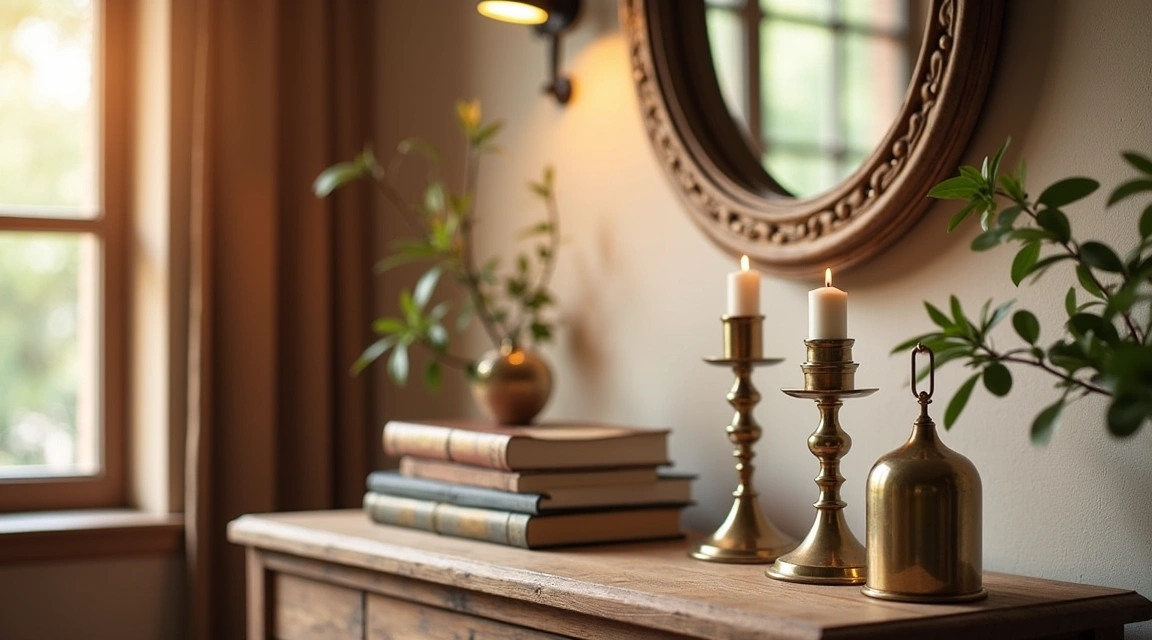
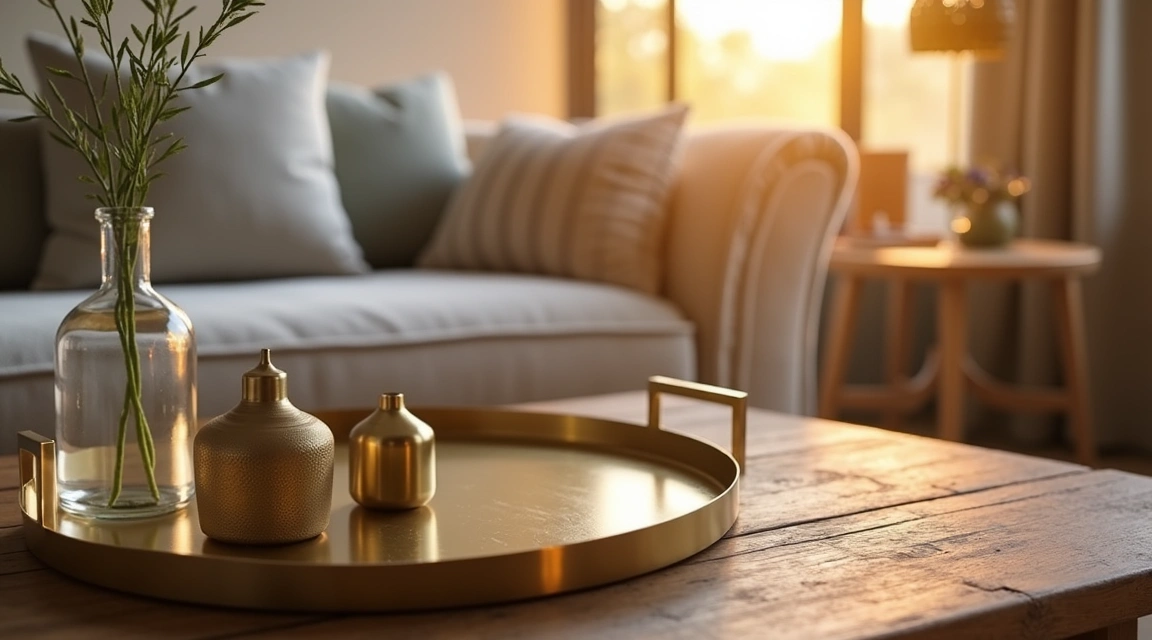
Storage-based accents combine utility with style. Decorative baskets corral magazines, throws, or toys while adding natural texture. Trays on coffee tables or ottomans create defined zones for remotes and coasters, preventing surface clutter. Bookends keep shelves organized while reflecting personal style, whether you prefer classic brass designs from traditional home accents or modern minimalist pieces.
What to Avoid When Shopping for Your First Home
New decorators frequently purchase accents that seemed appealing in stores but don’t translate well at home. Ultra-trendy pieces tied to specific color-of-the-year campaigns often feel dated within months. Instead, choose classic shapes and neutral bases that you can refresh with smaller, less expensive accessories like candles or seasonal greenery.
Avoid buying everything from a single matching collection. While coordinated sets seem foolproof, they often create spaces that feel more like showrooms than homes. Mix materials, finishes, and time periods for rooms with genuine character. A vintage brass candlestick can sit beautifully beside a modern ceramic vase when they share similar scale and color tones.
Scale errors rank among the most common mistakes. Tiny artwork on large walls disappears visually, while oversized vases crowd small tables. Before purchasing, measure both the accent and the space where it will live. For wall art, aim for pieces or groupings that span roughly two-thirds to three-quarters of the furniture width below them.
Resist impulse purchases of fragile or high-maintenance accents if you have young children or pets. Glass coffee table accessories often become stress rather than joy when you’re constantly worried about breakage. Choose durable materials like wood, metal, or ceramic that can withstand real life.
Building Your Accent Collection Strategically
Professional decorators rarely complete a room in one shopping trip. Start with larger accent pieces like mirrors or artwork that establish your style direction, then gradually add smaller items that complement these anchors. This approach prevents the mismatched chaos that comes from buying whatever’s on sale without a cohesive vision.
Create a simple color palette before shopping—three main colors is a manageable starting point. Not every accent needs to match exactly, but they should coordinate. If your palette includes navy, cream, and warm wood tones, accents in these families will naturally work together even if purchased months apart from different stores.
Quality over quantity applies especially to accents. Three well-made pieces you genuinely love create more impact than a dozen cheap items that look disposable. Brass and bronze accents, for instance, develop appealing patinas over time rather than showing wear like inexpensive finishes. Consider investment pieces for items you’ll see daily—drawer pulls, picture frames on the mantel, or a entry table tray.
Shop your own home before buying new. Many first-time decorators own perfectly good accents buried in closets or displayed ineffectively. Move pieces between rooms, try artwork in different configurations, or group smaller items on trays for more visual weight. Sometimes the best accent is one you already have, just used differently.
Room-by-Room Accent Priorities
Each room has specific accent needs based on function. In living rooms, focus on pieces that encourage gathering and conversation: comfortable throw pillows, adequate task lighting, and a coffee table centerpiece that doesn’t prevent people from setting down drinks. Avoid cluttering every surface—empty space helps eyes rest and makes existing accents more noticeable.
Bedrooms benefit from soft, calming accents. Layer bedding with different textures, add blackout curtains if street lights disrupt sleep, and include a reading lamp with appropriate brightness. A decorative tray on a nightstand corrals daily essentials like glasses and phones, preventing clutter from accumulating directly on the surface.
Kitchen accents walk a line between decorative and functional. Open shelving displays attractive dishware, canisters store dry goods while adding counter interest, and a quality dish soap dispenser upgrades the sink area. In small kitchens, every accent should earn its place through utility rather than pure decoration.
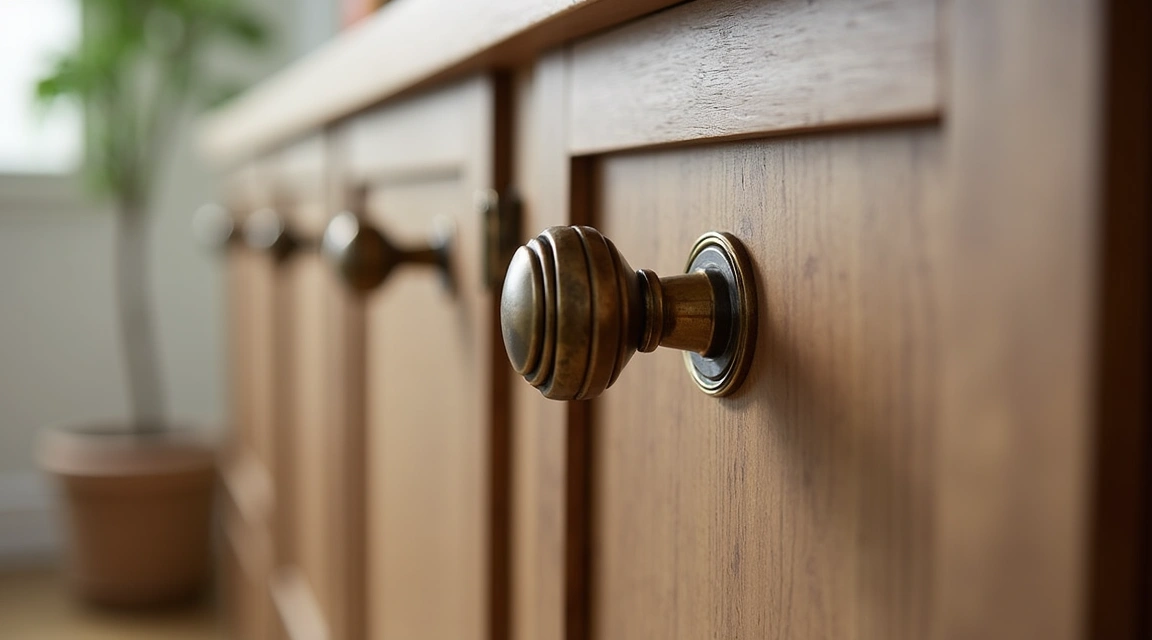
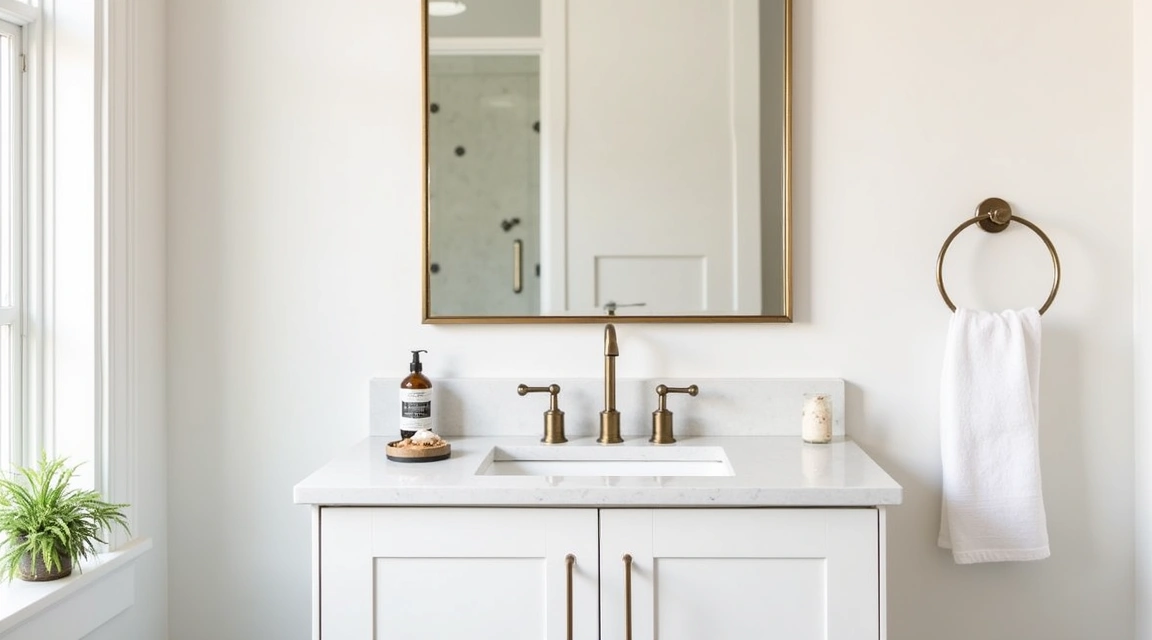
Bathroom accents often get overlooked but significantly impact daily experience. Upgrade basic items like towel bars, toilet paper holders, and drawer knobs to finishes that coordinate with fixtures. A small plant, decorative soap dish, or attractive storage baskets make utilitarian spaces feel more intentional.
Practical Shopping and Budget Tips
Establish a realistic budget before browsing. Accents can quickly drain finances through small, incremental purchases that add up. Decide on a monthly decorating budget and stick to it, prioritizing rooms where you spend the most time. Remember that well-decorated homes evolve over months and years, not overnight.
Thrift stores, estate sales, and online marketplaces offer excellent accent opportunities for patient shoppers. Brass pieces, wooden trays, ceramic vases, and framed mirrors cost a fraction of retail when purchased secondhand. These items often feature better materials and construction than equivalent new budget options. Clean and polish finds to restore their original appeal.
Watch for seasonal sales on textiles and lighting. End-of-season clearances offer significant discounts on throw pillows, curtains, and decorative blankets. Holiday sales often include lighting fixtures. Building your collection gradually through strategic sale shopping stretches budgets considerably further than paying full retail prices.
Before finalizing any purchase, photograph the item with your phone and view it alongside photos of your space. This simple step helps assess whether the accent’s color, scale, and style actually fit your room, preventing expensive mistakes. If a store offers generous return policies, take advantage by testing accents in your actual environment under your own lighting conditions.
Moving Forward With Confidence
First-time home decorating requires patience and willingness to learn from experience. Not every accent will work perfectly, and that’s acceptable. As your eye develops, you’ll naturally refine your choices, moving past early mistakes toward a collection that genuinely reflects your style and supports how you actually live.
Start small, focus on quality and function, and build gradually. Your home will feel more authentically yours when decorated with intentional choices rather than hasty purchases made to fill empty spaces quickly. Use this checklist as a framework, but trust your own instincts about what makes you comfortable and happy in your space. That confidence, more than any specific accent, creates homes that feel complete.