
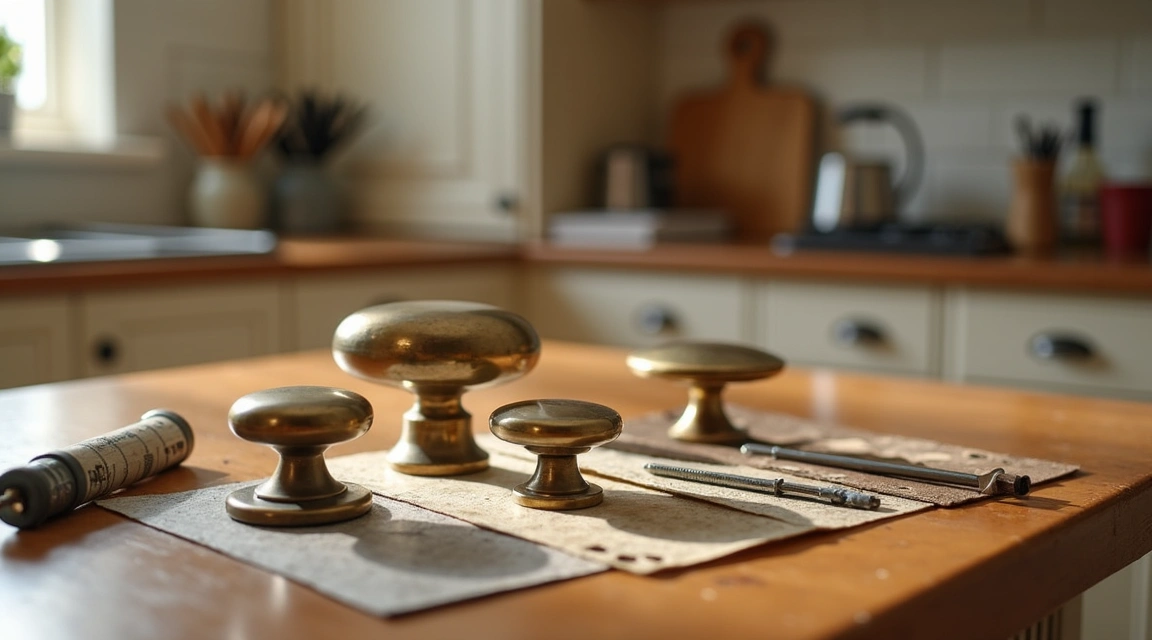
A vintage brass door knob with an uneven patina sits in your hand, cool and heavier than modern reproductions. Before you install it—or buy another dozen pulls for your kitchen—understanding what separates a sound antique hardware purchase from an expensive mistake will save both money and frustration. Antique hardware offers character no catalog can replicate, but condition, compatibility, and long-term maintenance vary widely across eras, finishes, and original manufacturing standards.
Demand for authentic period hardware has climbed as homeowners seek alternatives to mass-produced cabinet pulls and door knobs, according to restoration specialists across North America. Salvage yards, estate sales, and online marketplaces now list thousands of brass, bronze, and iron pieces dating from the Victorian era through mid-century modern periods. Prices range from a few dollars per pull to several hundred for complete sets, depending on rarity, maker marks, finish integrity, and functional condition.
Assessing Condition Before You Commit
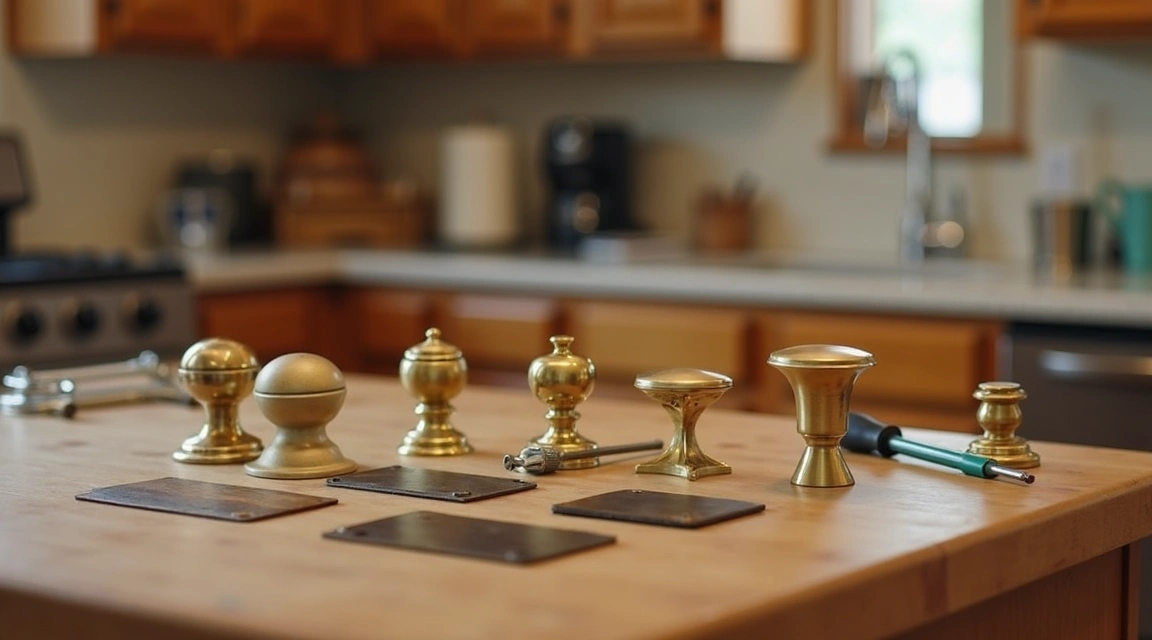
Surface appearance tells only part of the story. Turn a knob or pull over and examine the threaded stem, mounting holes, and internal springs. Stripped threads, cracked shanks, and missing set screws often remain hidden until installation begins. Brass that has been over-polished may show soft edges where detail once stood sharp; original casting marks and maker stamps fade or disappear entirely under aggressive buffing.
Check for structural integrity rather than cosmetic perfection. Minor tarnish, verdigris, and uneven patina clean up or stabilize with appropriate products, but a hairline crack in a backplate or a wobbly spindle indicates metal fatigue that no amount of polish will repair. Cast brass from the late nineteenth and early twentieth centuries tends to be thicker and more durable than stamped pieces from later production runs, though exceptions exist in both directions.
If you are purchasing a full set—cabinet pulls for a kitchen, for example—confirm that all pieces share the same bolt-hole spacing and shaft diameter. Mismatched measurements mean additional drilling, wood filler, and alignment trouble during installation. Measure center-to-center distances with calipers when possible, and bring a sample piece to compare dimensions in person.
Compatibility With Modern Doors and Cabinetry

Door thickness and cabinet-face construction changed over the decades. A mortise lock set designed for a solid two-inch oak door will not fit a modern hollow-core or thin-panel door without extensive adaptation. Similarly, antique cabinet knobs often feature shorter shanks than contemporary standards, requiring wood shims or custom machine screws to bridge the gap on thicker overlay doors.
Backset—the distance from the door edge to the center of the knob—also varies. Many pre-1950 locksets used a 2¼-inch backset, while current residential hardware defaults to 2⅜ inches or 2¾ inches. A quarter-inch discrepancy may seem trivial, but it shifts latch alignment and can prevent a door from closing securely. Verify measurements against your existing doors or consult a locksmith familiar with antique hardware installation before purchasing expensive sets.
Drawer and cabinet pulls present fewer fitment challenges than door hardware, but finish-head screws and mounting posts still require attention. Antique pulls sometimes arrive with original screws rusted beyond use; replacements must match head style—slotted, round, or flat—to preserve period authenticity. Oversized screw heads that protrude through thin drawer fronts look amateurish and weaken the wood over time.
Finish Choices and Patina Decisions
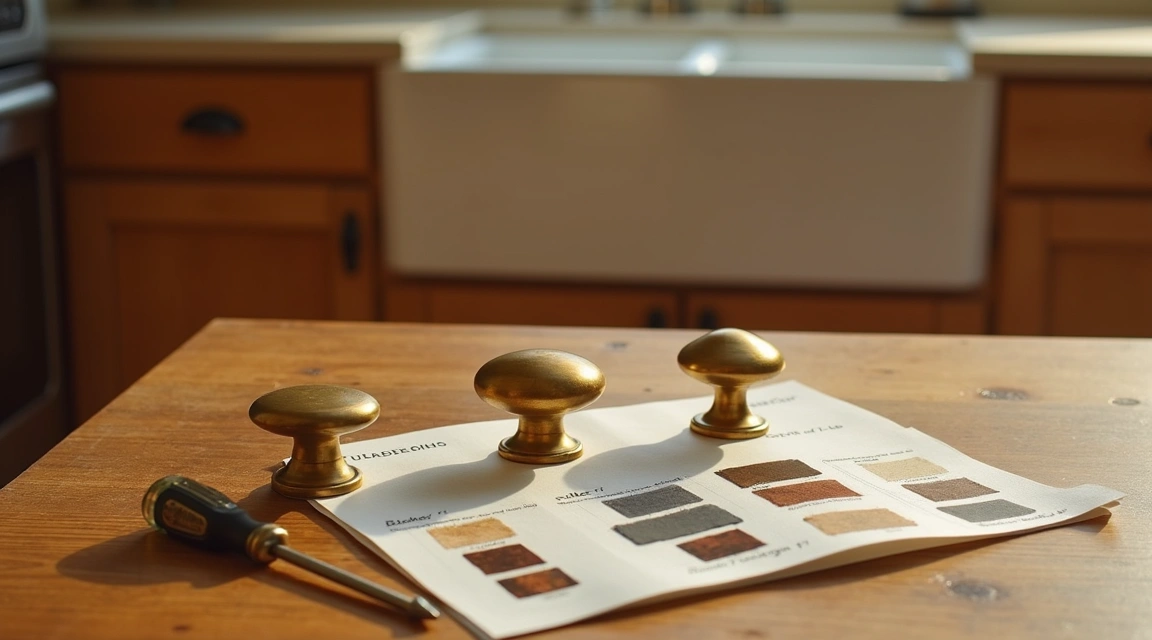
Unlacquered brass develops natural patina as oils, air, and moisture interact with the surface. Some buyers prize this living finish; others prefer the bright, unchanging look of lacquered or plated hardware. Neither choice is objectively better, but the decision affects maintenance and long-term appearance. Unlacquered pieces require periodic cleaning and optional waxing to slow tarnish, while lacquer eventually cracks and peels, necessitating professional re-coating or complete strip-and-refinish work.
Antique hardware sold “as found” often carries layers of old paint, grime, and oxidation. Removing these coatings without damaging original detail demands patience and the right solvents. Paint strippers formulated for metal work well on heavy buildup, but aggressive scrubbing with steel wool or wire brushes erases fine casting lines and stamps. Gentle chemical cleaning followed by soft brass brushes and polish preserves character while restoring function.
When patina has progressed to deep pitting or active corrosion, assess whether the damage is charm or liability. Surface verdigris on exterior hardware can be stabilized with wax; pitting that compromises threads or weakens mounting points calls for professional evaluation or replacement. Mixing heavily aged pieces with pristine examples in the same room often highlights condition disparities rather than creating a cohesive look.
Where to Source Reliable Antique Hardware
Architectural salvage yards stock pieces removed during demolition and renovation projects, offering the advantage of in-person inspection and immediate availability. Prices reflect local demand and the yard’s curation effort; well-organized shops with authenticated inventory charge more than unsorted bins, but the time saved and reduced risk of defective purchases often justify the premium.
Online marketplaces and auction sites expand selection but remove the ability to handle hardware before buying. Request detailed photographs of mounting areas, threads, and any damage. Ask sellers to confirm measurements and provide close-ups of maker marks or unusual features. Return policies vary widely; clarify terms before bidding on high-value lots.
Estate sales and antique shops occasionally yield unexpected finds at below-market prices, especially in regions where period hardware is less sought after. Arriving early and bringing basic measuring tools—calipers, a small ruler, and a flashlight—helps you evaluate pieces quickly while competition remains low.
Reproduction suppliers offer newly cast hardware based on historical patterns, blending the look of antique design with modern manufacturing tolerances and finishes. These pieces fit standard door preparations and cabinet drilling without modification, though purists argue they lack the weight, detail, and material quality of originals. For projects requiring large quantities or matching sets, reproductions provide consistency that salvaged lots rarely deliver.
Installation and Long-Term Care
Dry-fit all hardware before final installation. Thread knobs onto stems, test backplates against door edges, and confirm that latches engage strikers smoothly. Antique set screws sometimes use non-standard threads; if a screw binds or crosses threads, stop and source the correct fastener rather than forcing a mismatch that will strip metal or crack a knob.
Use wood screws appropriate for the substrate. Hardwoods accept fine-thread screws; softer woods and plywood require coarser threads to resist pull-out. Pre-drill pilot holes slightly smaller than the screw shank to prevent splitting, and avoid over-tightening, which can deform brass or crack porcelain inserts found in some Victorian-era hardware.
For more guidance on period-appropriate hardware choices and room-by-room installation strategies, visit our Antique Hardware section, where you’ll find detailed comparisons of finishes, styles, and sources.
Maintain unlacquered brass with occasional wipes using a soft cloth and mild soap, followed by a thin coat of paste wax to slow tarnish. Lacquered finishes need only dusting and gentle cleaning with water; avoid abrasive cleaners that scratch protective coatings. Mechanical components—springs, latches, and pivots—benefit from a drop of light machine oil once or twice a year, applied sparingly to prevent attracting dust.
Antique hardware will outlast most modern equivalents when properly selected and installed, but the margin for error is narrower. A well-chosen set transforms ordinary cabinetry and doors into tactile connections with earlier craftsmanship, while a hasty purchase based on appearance alone often leads to returns, rework, and wasted effort. Measure carefully, inspect thoroughly, and plan for the maintenance commitment that living finishes require. The result—warm, weighted brass that improves with handling—justifies the extra diligence every time you open a door or pull a drawer.