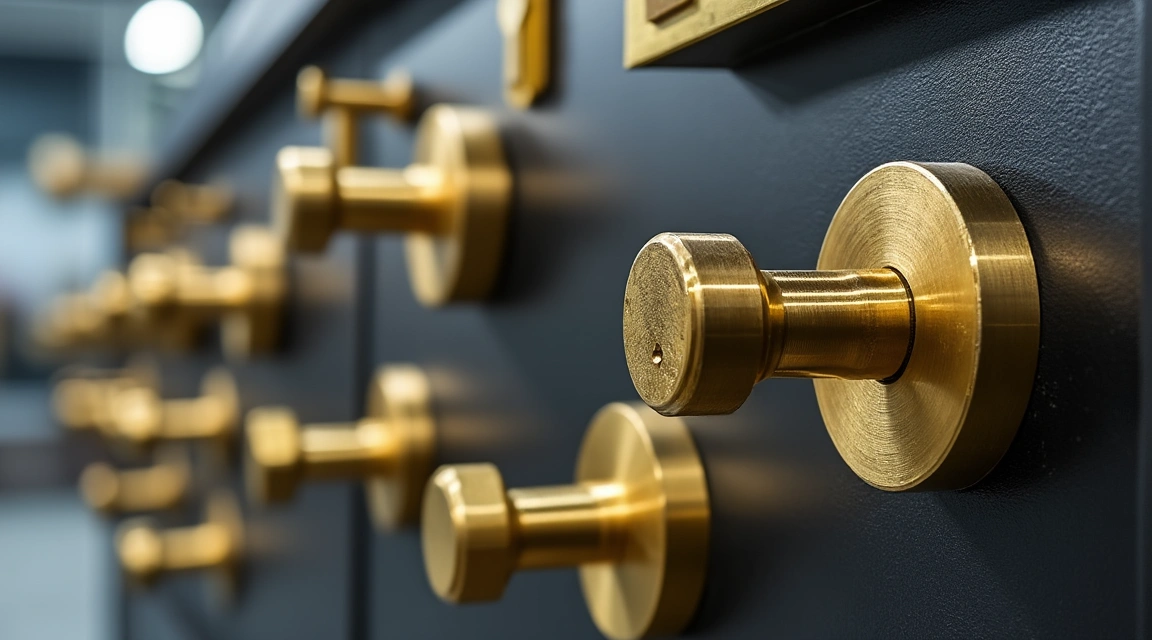
When choosing hardware for your home—whether for door handles, cabinet pulls, faucets, or decorative fixtures—you’ll quickly encounter two dominant options: solid brass and plated hardware. While both can deliver a classic brass appearance, they differ dramatically in composition, longevity, maintenance needs, and price. Understanding these differences helps you make an informed decision that balances aesthetic goals with practical considerations and budget constraints.
This guide breaks down the key distinctions between solid brass and plated hardware, examines performance across real-world conditions, and clarifies which option suits different homeowner priorities.
What Defines Solid Brass and Plated Hardware
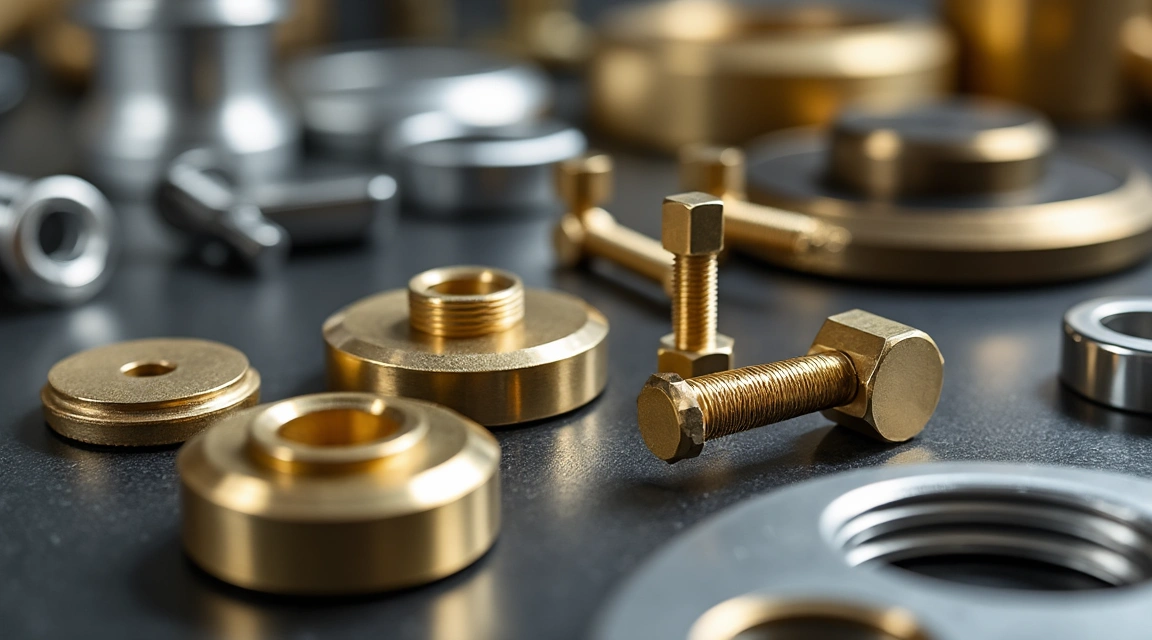
Solid brass hardware is machined or cast from a brass alloy throughout its entire structure. Brass itself is a mixture of copper and zinc, typically in a 60-70% copper ratio, which gives it natural antimicrobial properties, excellent corrosion resistance, and a warm golden hue. Because the material runs all the way through, scratches and wear won’t expose a different underlayer—the brass character persists even as the piece ages.
Plated hardware, by contrast, consists of a base metal core—often steel, zinc alloy, or aluminum—coated with a thin brass layer through electroplating or physical vapor deposition. The brass finish provides the visual appeal, while the core material supplies structural support at a lower material cost. The plating thickness can range from microns to a fraction of a millimeter, and this thinness becomes critical when the hardware experiences friction, moisture, or repeated handling.
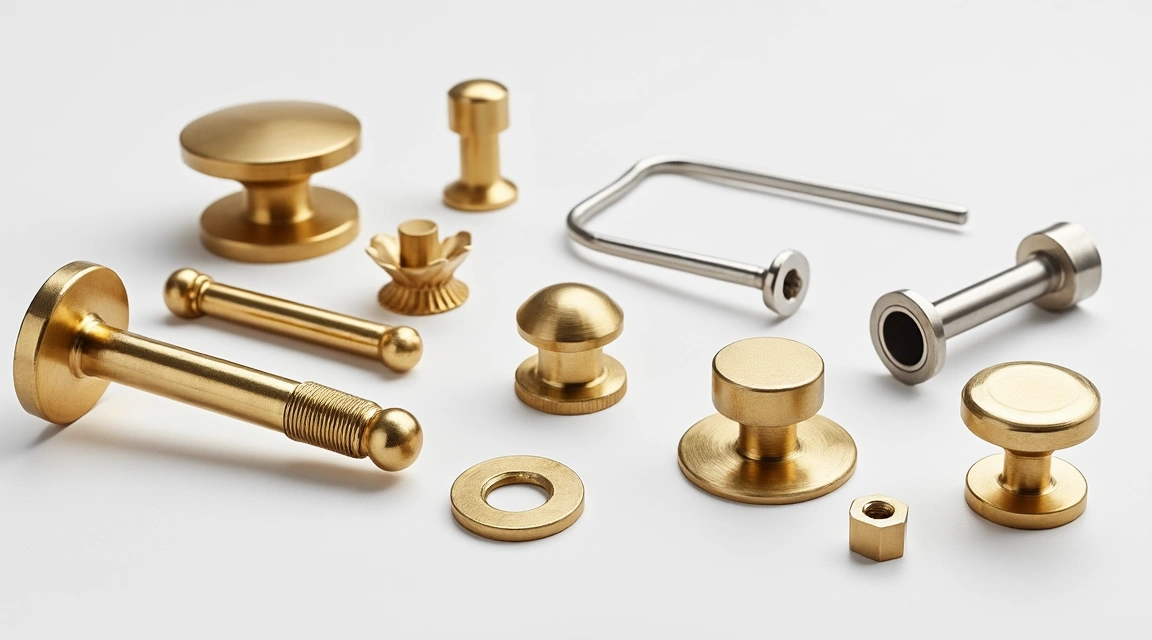
Some manufacturers use the term “brass-finished” or “brass-tone” to describe plated products. These labels signal that brass is present only on the surface, not throughout the piece.
Performance Comparison Across Key Criteria
| Criterion | Solid Brass | Plated Hardware |
|---|---|---|
| Durability | Lasts decades; resists corrosion and tarnish naturally | Plating can wear through in high-traffic areas within 3-7 years |
| Maintenance | Can be polished repeatedly; patina develops gracefully | Polishing risks removing plating; limited restoration options |
| Appearance Over Time | Develops rich patina; consistent color depth | May show base metal if plating wears; uneven aging |
| Weight | Noticeably heavier; feels substantial | Lighter; base metal determines heft |
| Cost | Premium pricing; $25-$150+ per piece depending on size | Budget-friendly; $5-$40 per piece for similar styles |
| Antimicrobial Properties | Natural copper content kills bacteria on contact | Minimal or no antimicrobial benefit if plating is thin |
| Environmental Impact | Fully recyclable; single-material composition | Recycling complicated by mixed materials; plating may contain chrome or nickel |
When Solid Brass Makes Sense

Solid brass hardware delivers the best value in contexts where longevity, tactile quality, and low long-term maintenance matter most. Consider solid brass if you’re renovating a period home and want authentic materials that match original fixtures. Heritage properties, Victorian restorations, and colonial-style homes benefit from the genuine weight and aging characteristics of solid brass.
High-traffic areas also favor solid brass. Exterior door handles, frequently used cabinet pulls in kitchens, and bathroom faucets endure constant contact, moisture exposure, and temperature fluctuations. Solid brass withstands these stresses without flaking or exposing an unattractive underlayer. In coastal climates where salt air accelerates corrosion, solid brass significantly outlasts plated alternatives.
For homeowners who appreciate patina—the natural darkening and character that develops on brass over time—solid brass is the only authentic option. You can maintain a polished shine with periodic cleaning using lemon juice and baking soda, or allow the hardware to age naturally into deeper bronze tones. Either approach works because the brass extends through the entire piece.
Solid brass also appeals to environmentally conscious buyers. At the end of its useful life, brass can be melted down and recast without quality loss, supporting circular economy principles. The material’s durability means fewer replacements over a building’s lifespan, reducing waste.
When Plated Hardware Is the Smarter Choice
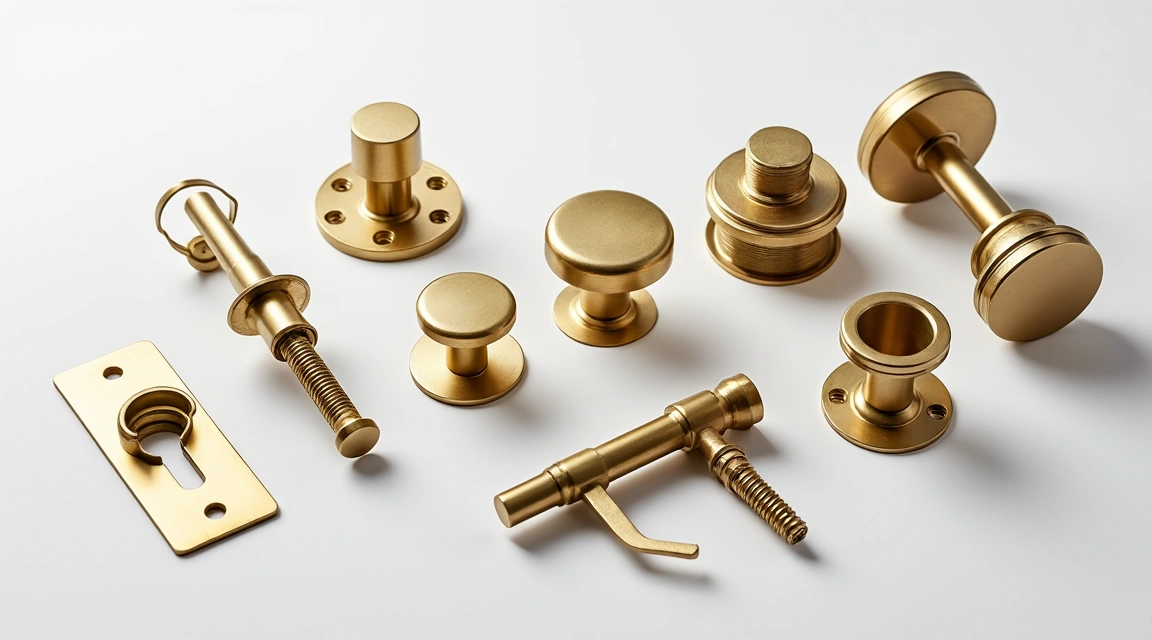
Plated hardware excels in low-contact applications where budget constraints are significant and aesthetic consistency is the priority. Decorative drawer pulls in guest bedrooms, seldom-used closet knobs, and ornamental backplates rarely experience the wear that degrades plating. In these settings, plated hardware delivers the brass look at a fraction of the cost, with minimal risk of premature wear.
Rental properties and spec homes often use plated hardware to control construction costs while maintaining visual appeal for showings and tenant turnover. Property managers prioritize initial appearance and replacement affordability over multi-decade durability, making plated options a practical fit.
Plated hardware also suits homeowners who anticipate style changes within a few years. If you plan to update your home’s aesthetic or sell within five years, investing in solid brass may not yield returns proportional to the premium paid. Plated hardware allows you to achieve the desired look now, with the flexibility to replace it affordably when tastes evolve.
Some modern finishes—such as brushed brass, antique brass, or unlacquered brass effects—are easier to achieve consistently through plating processes. Manufacturers can control the exact tone, texture, and protective coating, ensuring uniform appearance across batches. Solid brass, while authentic, shows more natural variation in color and grain.
Maintenance Realities and Long-Term Care
Solid brass hardware benefits from straightforward maintenance. Tarnish—a natural oxidation process—can be removed with common household items like vinegar, salt, or commercial brass cleaners. Because the brass runs through the piece, you can polish aggressively without fear of damaging the finish. Many owners embrace the patina, eliminating maintenance altogether beyond occasional dusting.
Plated hardware requires gentler handling. Abrasive cleaners, rough cloths, and vigorous scrubbing can strip the thin brass layer, exposing the base metal beneath. Once plating wears through, the only remedy is replacement or professional replating—a process that often costs more than buying new hardware. Lacquered plated brass (where a clear coat protects the finish) should never be polished, as this removes the protective layer and accelerates tarnishing.
In bathrooms and kitchens, moisture management becomes critical for plated hardware. Water spots, soap residue, and cleaning product overspray can penetrate microscopic defects in the plating, causing localized corrosion. Solid brass tolerates these exposures far better, making it the superior choice for wet environments.
Price vs. Value Over the Product Lifecycle
A typical solid brass cabinet pull might cost $40, while a visually similar plated version costs $12. Over ten years, if the plated pull wears out and requires one replacement, you’ve spent $24—still well below the solid brass cost. However, if you factor in the time spent shopping, removing old hardware, and installing replacements, plus the possibility of needing to replace the item again in another decade, the value equation shifts.
Solid brass hardware installed today will likely outlast the homeowner’s occupancy. If you plan to stay in your home for 15-30 years, the upfront premium amortizes to pennies per year while delivering superior aesthetics and performance throughout. For short-term ownership or budget-limited projects, plated hardware’s lower entry cost makes immediate sense.
How to Identify Solid Brass vs. Plated
When shopping, weight is the most obvious indicator. Solid brass feels substantially heavier than plated alternatives of the same size. If the product description omits “solid brass” and instead uses “brass finish,” “brass-plated,” or “brass-tone,” assume it’s plated.
Examine any unfinished areas, such as the back of a knob or the interior threading. Solid brass shows the same golden color throughout. Plated hardware often reveals a silver, gray, or darker base metal in these hidden spots. A magnet test also helps: brass is non-magnetic, so if a magnet sticks, the piece is plated over a ferrous metal core.
Reputable manufacturers clearly label solid brass products and may provide brass alloy specifications (such as C360 or C260). Vague labeling or omission of material details usually indicates plating.
Final Verdict: Match Hardware to Context
Neither solid brass nor plated hardware is universally superior—the best choice depends on your specific situation. For heirloom-quality installations, high-traffic areas, coastal or humid environments, and period-appropriate restorations, solid brass justifies its premium through durability, authentic aging, and minimal maintenance. It’s an investment in longevity and tactile quality.
For decorative applications, rental properties, budget-conscious projects, or spaces where you anticipate style changes, plated hardware delivers brass aesthetics at accessible prices. It performs adequately in low-wear contexts and allows greater flexibility in future updates.
By understanding the material composition, performance characteristics, and maintenance realities of each option, you can confidently select hardware that aligns with your budget, timeline, and quality expectations—ensuring your home’s details support both immediate appeal and long-term satisfaction.