
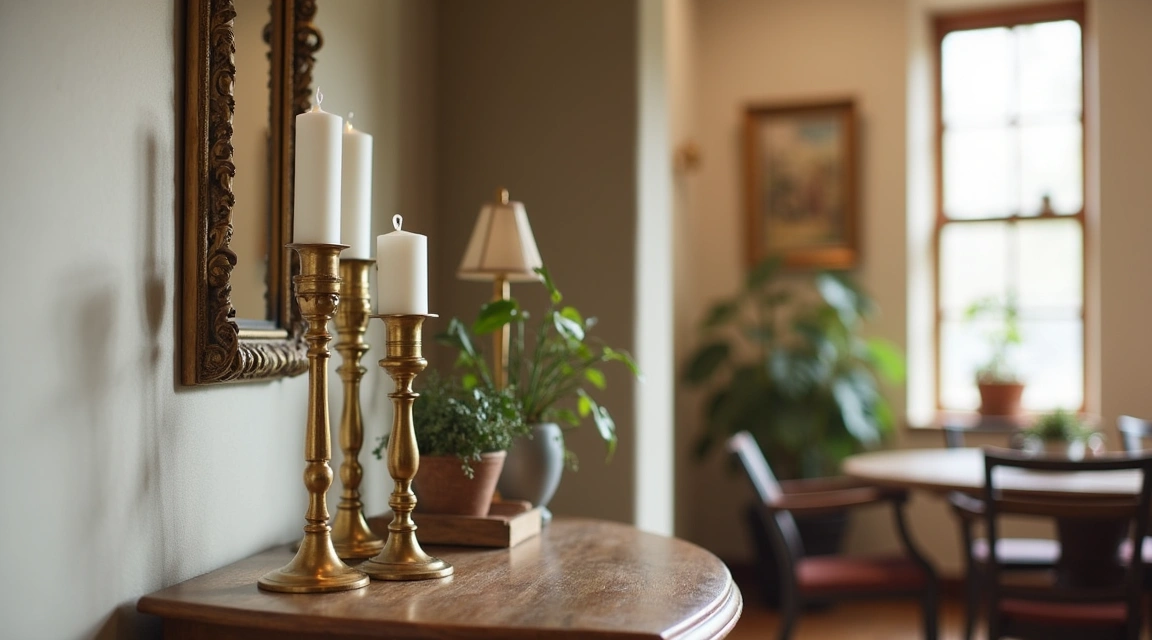
Brass hardware adds timeless elegance to doors, cabinets, and furniture, but the market is flooded with options ranging from budget pieces to premium products that can cost ten times more. Understanding what separates quality brass from overpriced imitations helps you invest wisely without overpaying for marketing hype or unnecessary features. This guide walks you through the essential criteria, compares common options, and clarifies which brass hardware suits your specific needs and budget.
Whether you’re renovating a historic home, upgrading kitchen cabinets, or simply replacing worn door handles, knowing how to evaluate brass hardware prevents costly mistakes and ensures you get authentic value for your money.
Understanding Brass Composition and Quality Grades
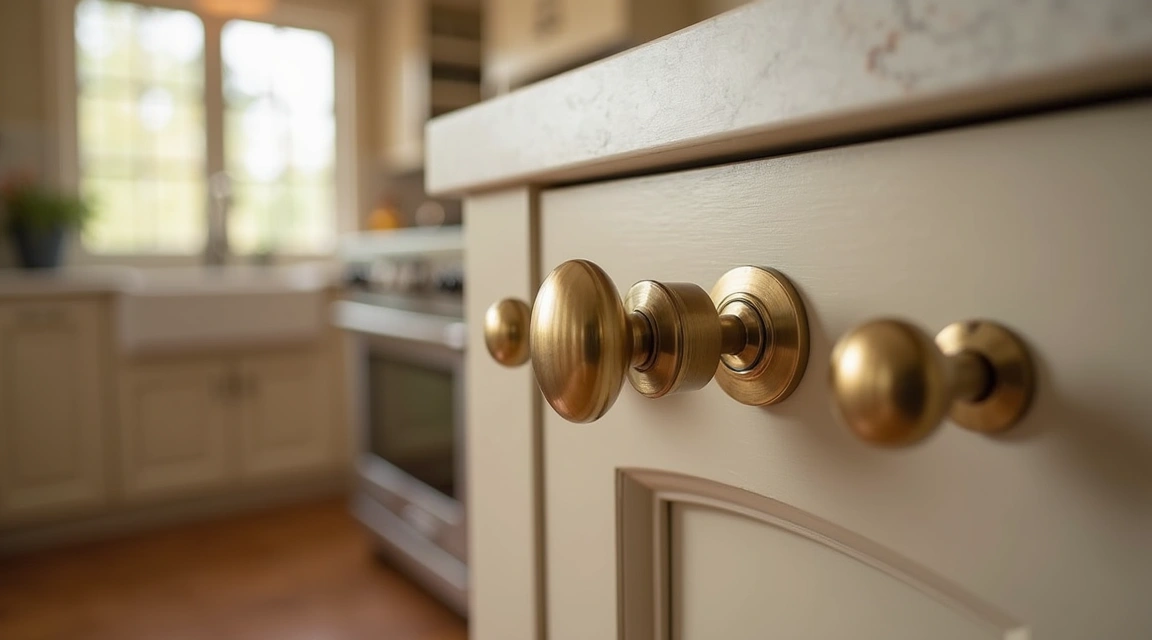
Not all brass hardware is created equal. The term “brass” covers a wide range of copper-zinc alloys, and manufacturers use different compositions that dramatically affect durability, appearance, and price. Solid brass contains at least 60% copper and delivers superior longevity, while brass-plated hardware features a thin brass coating over a cheaper base metal like steel or zinc alloy.
Solid brass hardware typically costs 40-70% more than plated alternatives, but it resists corrosion better, maintains its finish longer, and can be refinished multiple times over decades of use. The extra upfront cost often proves economical over a 15-20 year lifespan, especially in high-humidity environments like bathrooms or coastal homes.
Brass plating thickness matters significantly. Quality plated hardware uses at least 20 microns of brass over the base metal, while budget options may apply only 5-10 microns. Thinner plating wears through quickly at contact points like door handles and drawer pulls, exposing the underlying metal and creating an inconsistent appearance within months.
Check product specifications for phrases like “solid brass,” “brass construction,” or “lifetime brass finish.” Vague terms like “brass finish” or “brass-tone” usually indicate thin plating or coating that won’t last. Reputable manufacturers clearly state whether hardware is solid brass, forged brass, or plated, and list the base metal composition.
Evaluating Finish Options and Long-Term Maintenance
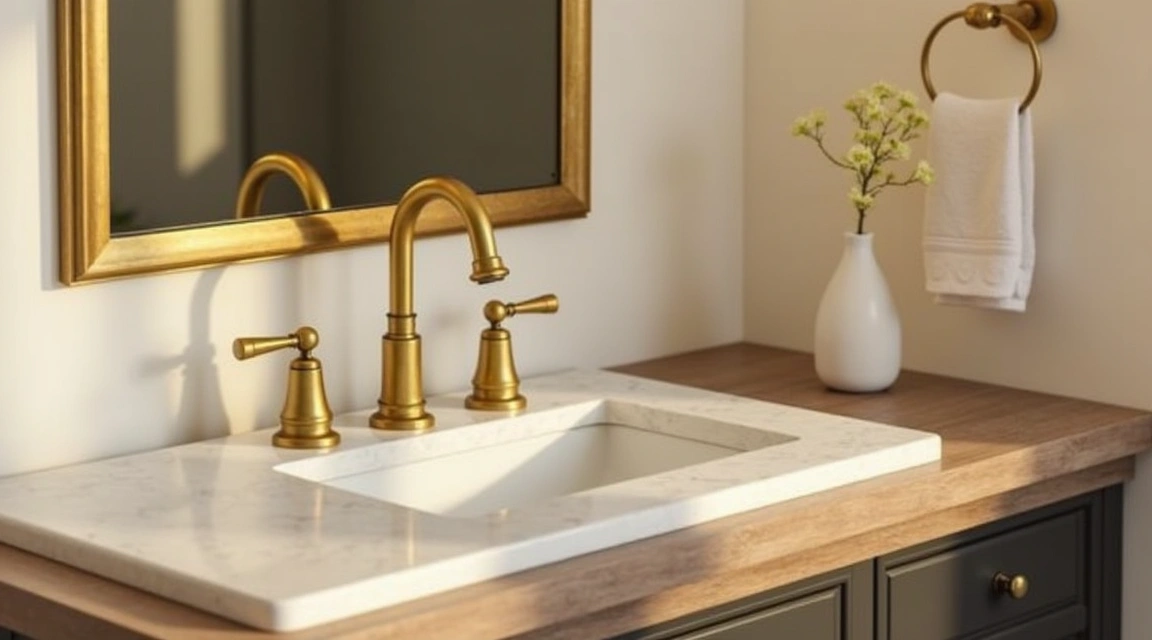
The finish applied to brass hardware affects both appearance and maintenance requirements. Common finishes include polished brass, antique brass, satin brass, oil-rubbed bronze, and lacquered brass. Each finish involves different treatment processes that impact price and durability.
Unlacquered polished brass develops a natural patina over time, requiring periodic polishing to maintain its bright appearance. Many homeowners appreciate this living finish that ages gracefully, but it demands more maintenance. Lacquered brass is sealed with a protective coating that resists tarnishing but cannot be easily refinished when the lacquer eventually degrades after 5-10 years.
Antique brass and oil-rubbed finishes are artificially aged through chemical or heat treatments that create depth and character. These finishes typically cost 15-25% more than polished brass because they require additional manufacturing steps. They hide fingerprints and minor wear better than polished finishes, making them practical for high-traffic areas.
Living finishes—those designed to change with use—have become popular in recent years. These finishes wear naturally at contact points, creating authentic patina over months and years. They command premium prices (often 30-50% more) but eliminate maintenance and deliver a genuinely aged appearance that cannot be replicated with artificial treatments.
Consider your maintenance tolerance realistically. If you prefer hardware that looks pristine with minimal upkeep, invest in quality lacquered or PVD (Physical Vapor Deposition) finishes that resist tarnishing. If you enjoy the character of aged brass and don’t mind occasional polishing, unlacquered options offer better long-term value since they can be refinished indefinitely.
Comparing Hardware Options by Quality Tier
| Quality Tier | Construction | Typical Price Range | Best For | Lifespan |
|---|---|---|---|---|
| Budget | Brass-plated zinc alloy, 5-10 micron coating | $3-$12 per piece | Temporary use, rental properties, low-contact items | 1-3 years before visible wear |
| Mid-Range | Brass-plated steel, 15-20 micron coating, or cast brass | $15-$35 per piece | Moderate-use residential, guest bathrooms, closets | 5-8 years with typical use |
| Premium | Solid forged brass, quality finish treatment | $40-$90 per piece | Main living areas, kitchens, high-use doors | 15-25+ years, refinishable |
| Luxury | High-copper solid brass, hand-finished, architectural grade | $100-$300+ per piece | Historic restoration, design showcases, commercial | 30-50+ years, museum-quality |
Avoiding Common Overpayment Traps
Brand markup represents one of the largest unnecessary costs in brass hardware. Designer brands sometimes charge 200-400% premiums over functionally identical hardware from quality manufacturers. Unless the brand offers genuinely superior engineering, unique design, or verifiable better materials, you’re primarily paying for marketing and packaging.
Compare specifications carefully rather than relying on brand recognition. A $75 solid brass handle from a specialty hardware manufacturer often matches or exceeds the quality of a $250 designer version from a luxury home brand. Request material certifications, finish warranties, and installation hardware quality to make objective comparisons.
Decorative complexity doesn’t always justify dramatic price increases. Intricate designs require more machining and finishing time, but a moderately detailed pull should not cost three times more than a simple design in the same material and finish. Elaborate baroque or rococo styles command legitimate premiums of 40-60% over plain designs due to manufacturing complexity, but markups beyond that often reflect style trends rather than material value.
Matching sets and bulk-buy packages sometimes offer savings, but evaluate whether you need everything included. Manufacturers bundle popular items with slow-moving inventory, so a 12-piece set might include six pieces you don’t need. Calculate the per-piece cost of only the items you’ll actually install.
Installation hardware quality matters more than many buyers realize. Premium brass pulls with cheap mounting screws create service calls when screws strip or corrode. Quality hardware includes solid brass or stainless steel screws, proper-length bolts for various door thicknesses, and durable strike plates. If installation hardware seems flimsy, budget an additional $2-5 per piece for quality mounting components.
Recommendations by Reader Type
For budget-conscious renovators working on flip properties or rental units, brass-plated mid-range hardware offers the best value. These pieces look presentable for showings and normal residential use without the premium cost of solid brass. Focus on drawer pulls and cabinet knobs where contact wear is minimal, and consider upgrading only high-touch items like entry door handles to solid brass.
Homeowners planning to stay in their residence for 10+ years should invest in solid brass for all frequently used hardware. The higher initial cost distributes across years of use, and solid brass eliminates replacement cycles. Prioritize entry doors, kitchen cabinets, primary bathroom fixtures, and main living area hardware for solid brass, while secondary spaces can use quality plated options.
Restoration enthusiasts working on historic homes benefit most from architectural-grade solid brass that matches original hardware specifications. Period-correct reproductions cost more but preserve home value and historical integrity. Many historic hardware specialists offer consultation services that help identify appropriate styles and finishes for specific eras, preventing expensive mistakes in style selection.
Commercial property managers should calculate hardware costs over 15-year cycles rather than initial purchase price. Solid brass with living finishes or durable PVD coatings eliminates replacement labor costs and reduces maintenance calls. The higher upfront investment typically breaks even within 3-5 years when accounting for service calls, replacement parts, and labor.
Design-focused buyers who value unique aesthetics can justify premium and luxury-tier hardware for statement pieces like entry doors, powder room fixtures, or kitchen focal points. Pair these investment pieces with quality mid-range hardware in secondary locations to balance the budget without compromising overall design cohesion.
Making the Final Purchase Decision
Before purchasing brass hardware, verify return policies and finish warranties. Reputable manufacturers offer at least 5-year finish warranties on solid brass products and stand behind their quality claims. Short warranty periods (1-2 years) often indicate manufacturers expect premature finish degradation.
Order samples before committing to large quantities. Most specialty hardware suppliers provide single-piece samples at retail price, allowing you to evaluate finish quality, weight, and installation fit. A $25 sample prevents $500+ mistakes in bulk orders that don’t match your expectations or existing decor.
Calculate total project cost including installation labor, mounting hardware, and any modifications needed for proper fit. Ornate brass pulls sometimes require enlarged mounting holes or reinforced doors, adding $15-30 per installation in labor. Factor these costs into your budget comparison between simple and elaborate designs.
Consider finish consistency across different product lines. Some manufacturers use slightly different brass alloys or finishing processes for different hardware types, creating subtle color variations between hinges, pulls, and knobs. Order all hardware from the same product line or verify finish matching before purchasing.
For more guidance on selecting quality brass products that match your design vision, visit our Brass Hardware Buying Guides section for detailed product comparisons and installation tips.
Final Verdict
Choosing brass hardware without overpaying requires understanding the material differences between solid brass and plated alternatives, evaluating finish options based on your maintenance preferences, and recognizing when premium prices reflect genuine quality versus brand markup. Solid brass hardware costs more upfront but delivers superior longevity and refinishing potential that justifies the investment for permanent installations and high-use applications.
Avoid paying for decorative complexity you don’t need, verify material specifications rather than trusting vague marketing terms, and sample finishes before bulk purchases. Match your hardware grade to the usage context—budget plating works for low-contact applications, while solid brass is essential for entry doors and kitchen cabinets that see daily use.
By focusing on verified material quality, appropriate finish durability, and realistic assessment of your maintenance commitment, you’ll select brass hardware that serves reliably for years without paying inflated prices for unnecessary features or brand prestige. Quality brass hardware is an investment, not an expense, when chosen with informed judgment about what actually matters for your specific application.