

Walking into a hardware store for the first time can feel overwhelming. Aisles stocked with tools, fasteners, adhesives, and equipment you’ve never heard of can make even simple projects seem daunting. Whether you’re assembling furniture, hanging shelves, or tackling minor repairs, understanding what to buy—and why—transforms confusion into confidence. This guide walks you through the practical steps every first-time hardware shopper should follow, helping you make informed decisions without overspending or bringing home the wrong items.
Understanding Your Project Requirements Before You Shop
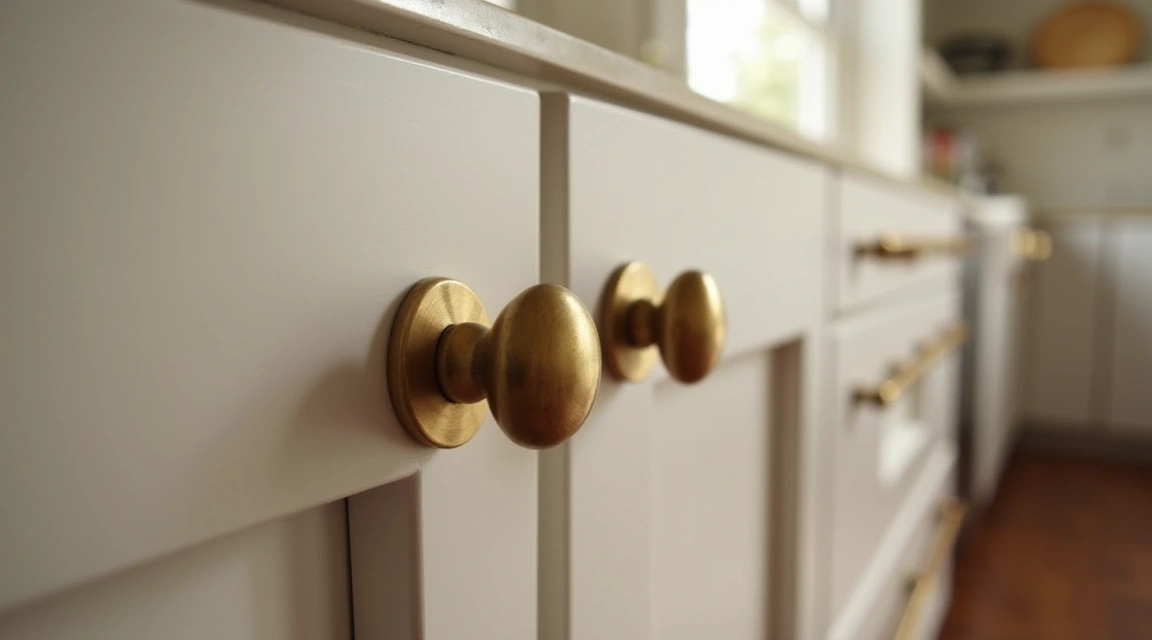
The single most important step happens before you leave home: defining exactly what you need to accomplish. Vague goals lead to vague purchases. Instead of “I need to hang something,” specify “I need to mount a 15-pound mirror on drywall.” This clarity shapes every decision that follows.
Start by measuring the space, object, or area you’re working with. Write down dimensions, material types, and any weight considerations. If you’re unsure what material your wall is made from, a simple knock test helps: hollow sounds typically indicate drywall, while solid thuds suggest wood studs or masonry. Take photos of the area with your phone for reference while shopping.
Research basic requirements for your specific task. Online tutorials, manufacturer instructions, or community forums often list exactly what hardware you’ll need. For example, mounting a towel bar requires different anchors than installing cabinet handles. Understanding these differences prevents costly mistakes and repeat trips.
Create a simple checklist that includes the item or task, required tools, necessary hardware (screws, anchors, brackets), and any safety equipment. This list keeps you focused in the store and ensures you don’t forget essential components. For readers exploring broader home improvement topics, our Home Hardware Buying Guide section offers additional project-specific advice.
Key Criteria for Choosing the Right Hardware
Once you know what you’re building or fixing, evaluate hardware options using these fundamental criteria:
Material compatibility ranks first. Screws designed for wood won’t perform well in metal or concrete. Drywall anchors come in multiple styles, each suited to different weight loads and wall types. Toggle bolts excel for heavy items on hollow walls, while plastic expansion anchors work for lighter loads. Using incompatible hardware compromises safety and durability.
Load capacity determines whether your installation will hold. Every anchor, screw, and bracket has a maximum weight rating. Always choose hardware rated significantly above your actual need—a 20-pound shelf should use anchors rated for at least 30-40 pounds to account for uneven weight distribution and usage over time. Store staff or packaging labels provide this information.
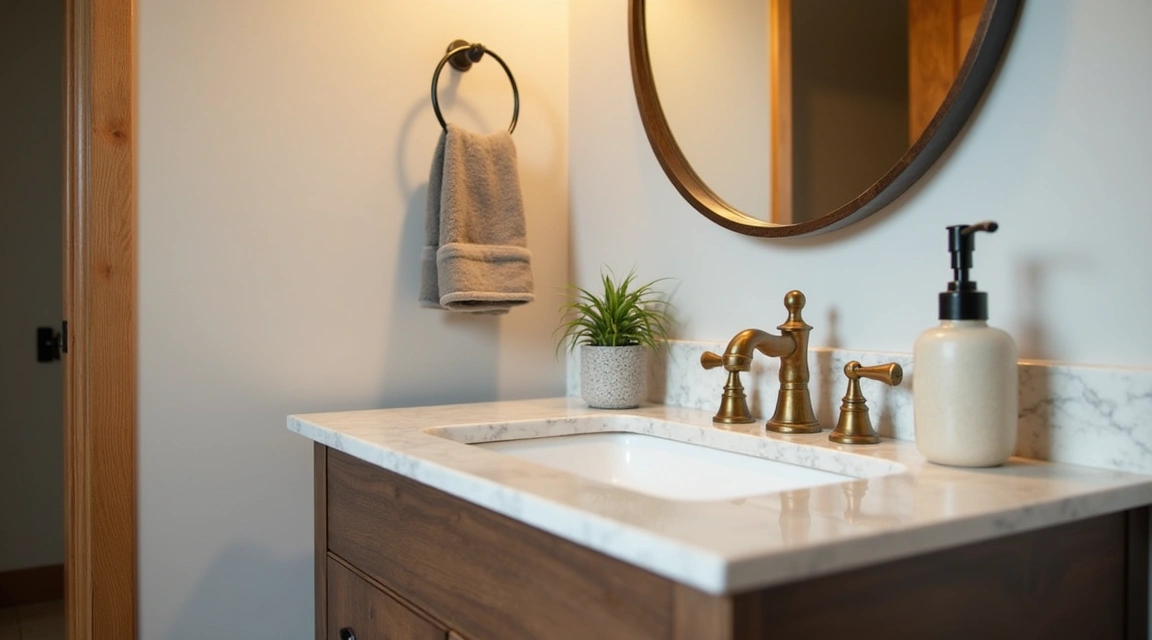
Finish and corrosion resistance matter for longevity, especially in bathrooms, kitchens, or outdoor applications. Stainless steel and coated hardware resist rust, while plain steel corrodes quickly when exposed to moisture. Brass and bronze options offer both durability and aesthetic appeal for visible hardware.
Tool requirements influence your choice if you’re working with a limited toolkit. Phillips-head screws require only a basic screwdriver, while hex bolts need wrenches or sockets. Confirm you have—or can borrow—the necessary tools before committing to specific hardware.
Cost versus value deserves careful thought. The cheapest option rarely proves economical if it fails or requires replacement. Mid-range products from recognized manufacturers typically offer the best balance of quality and affordability. Premium options make sense for high-use areas or permanent installations where replacement would be difficult.
Comparing Common Hardware Options for Typical First Projects

First-time buyers frequently face similar scenarios. Here’s how different hardware options stack up for common tasks:
| Task Type | Option A | Option B | Best For |
|---|---|---|---|
| Hanging pictures (under 10 lbs) on drywall | Plastic expansion anchors with screws | Adhesive picture-hanging strips | Option A: Permanent placement, textured walls; Option B: Renters, smooth walls, flexibility |
| Installing shelving (15-30 lbs) on drywall | Toggle bolts | Molly bolts (sleeve anchors) | Option A: Maximum strength, hollow walls; Option B: Easier removal, moderate loads |
| Assembling furniture | Manufacturer-included hardware | Upgraded replacement screws/bolts | Option A: Most buyers, standard use; Option B: Heavy-duty use, long-term durability |
| Outdoor fastening (wood to wood) | Galvanized deck screws | Stainless steel screws | Option A: Budget-conscious, dry climates; Option B: Coastal areas, maximum corrosion resistance |
This comparison illustrates that context drives choice. A renter hanging lightweight art benefits from removable solutions, while a homeowner installing permanent shelving prioritizes strength and stability. Neither option is universally superior—the right answer depends on your specific situation, budget, and timeline.
Practical Recommendations Based on Reader Type
For apartment renters: Prioritize removable or low-damage solutions. Adhesive hooks, tension rods, and small plastic anchors leave minimal marks. Keep original hardware from furniture disassembly in labeled bags for move-out reassembly. Invest in a basic toolkit with a hammer, screwdriver set, and level—these pay for themselves quickly and transfer between homes.
For new homeowners: Build your hardware inventory gradually around actual projects rather than buying speculatively. Start with a small tackle box or compartmentalized case to organize screws, anchors, and small parts by type. Label compartments clearly. As you complete projects, retain leftover quality hardware for future use. Buy anchors and screws in multi-packs when you find a type that works well for your home’s construction.
For hands-off DIYers: If you’re assembling purchased furniture or doing minimal repairs, stick with manufacturer-specified hardware and pre-packaged kits designed for specific tasks. “Picture hanging kits” or “shelf mounting kits” include compatible components and instructions. These cost slightly more than buying individual pieces but eliminate guesswork and compatibility issues.
For developing DIY enthusiasts: Invest in quality over quantity. A set of good drill bits, a magnetic bit holder, and a small collection of assorted screws and anchors covers most residential projects. Learn to identify wall studs using a stud finder—anchoring into solid wood whenever possible provides superior strength and simplifies installation. Practice on scrap materials before working on visible surfaces.
Making the Purchase: Store Strategies and Expert Resources
Hardware stores employ knowledgeable staff who can translate your project description into specific product recommendations. Don’t hesitate to ask questions—describing what you’re building and showing your measurements or photos helps them guide you to appropriate solutions. Many stores offer free project consultations or workshops for common tasks.
Read packaging labels carefully. Weight limits, material compatibility, installation requirements, and included quantities vary significantly between similar-looking products. Compare unit prices when buying multiples—larger packs often cost less per piece. Check return policies before leaving; reputable retailers allow returns of unopened hardware, which provides insurance against buying the wrong item.
Consider buying one or two extra pieces of critical hardware. An extra anchor or screw costs pennies but saves a return trip if one strips, breaks, or gets lost during installation. For unique or hard-to-match items like specialty screws or vintage-style handles, purchasing spares proves especially valuable.
Safety and Quality Checks
Inspect hardware before purchase, especially from bulk bins. Bent screws, damaged threads, or corroded finishes indicate poor quality or improper storage. For weight-bearing applications, verify that packaging clearly states load ratings and intended use. Avoid unmarked or generic hardware for critical installations—the small savings aren’t worth the safety risk.
If you’re working with electrical, plumbing, or structural components, confirm that products meet relevant building codes and safety standards. While decorative hardware offers flexibility, functional hardware for doors, railings, or load-bearing applications must meet minimum performance specifications. When in doubt, ask store staff or consult local building requirements.
Final Verdict
Successful hardware shopping begins with clear project definition and ends with informed selection based on compatibility, capacity, and quality. First-time buyers who measure carefully, research their specific task, ask questions, and choose appropriate materials for their situation avoid the frustration and expense of trial and error.
Start small, build skills progressively, and don’t let the vast array of options intimidate you. Every experienced DIYer began exactly where you are—with basic projects, simple tools, and a willingness to learn. The hardware store transforms from a maze into a resource once you understand what you’re looking for and why it matters. With this practical framework, you’re equipped to make confident, cost-effective decisions that turn your home improvement goals into completed projects.