
Cabinet hardware may seem like a minor detail, but the right pull can transform a kitchen or bathroom from ordinary to elegant. Traditional cabinet pull styles have endured for generations because they balance timeless aesthetics with reliable function. Whether you’re renovating a historic home, updating a builder-grade kitchen, or simply seeking hardware that won’t look dated in five years, understanding classic pull designs and their proper applications will guide you toward choices that elevate your space and serve you well for decades.
Traditional pulls draw from centuries of furniture-making heritage, incorporating motifs and proportions refined through European, American Colonial, and Victorian craftsmanship. Unlike trend-driven contemporary designs, these styles remain relevant across changing decorating fashions. This guide explores the most enduring traditional cabinet pull styles, explains where each fits best, and provides practical operating tips to maximize both beauty and functionality.
Defining Traditional Cabinet Pull Styles
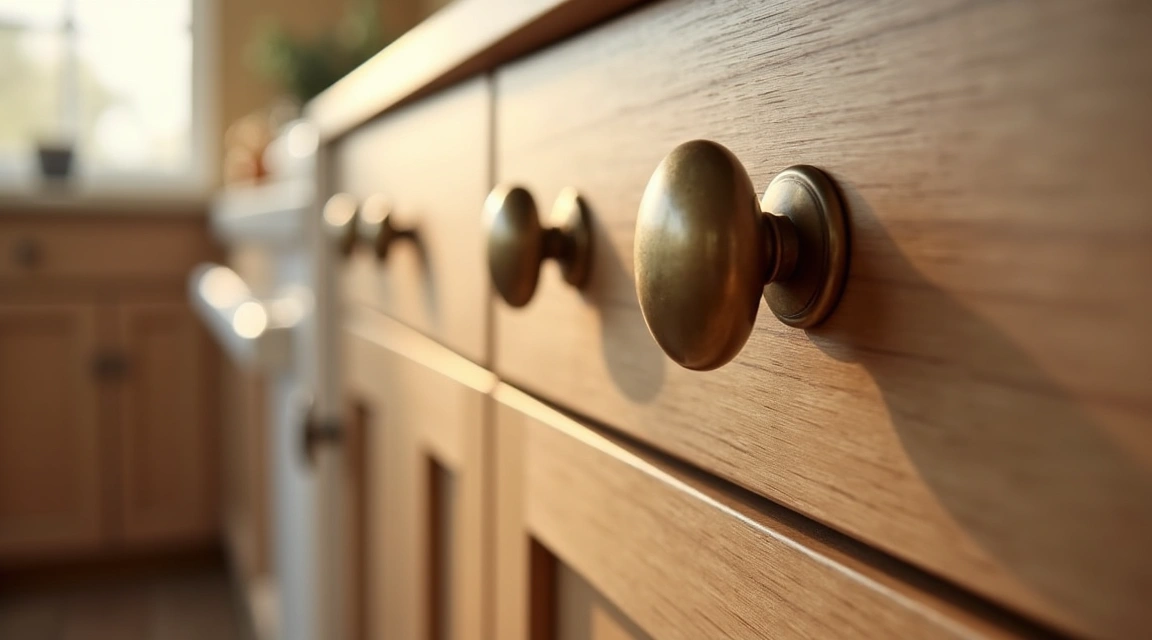
Traditional cabinet pulls typically feature designs rooted in historical periods and craftsmanship techniques. The most recognizable styles include bin pulls, bail pulls, cup pulls, ring pulls, and bow pulls. Each originated to solve specific functional needs in furniture and cabinetry, and their longevity speaks to both their practicality and visual appeal.
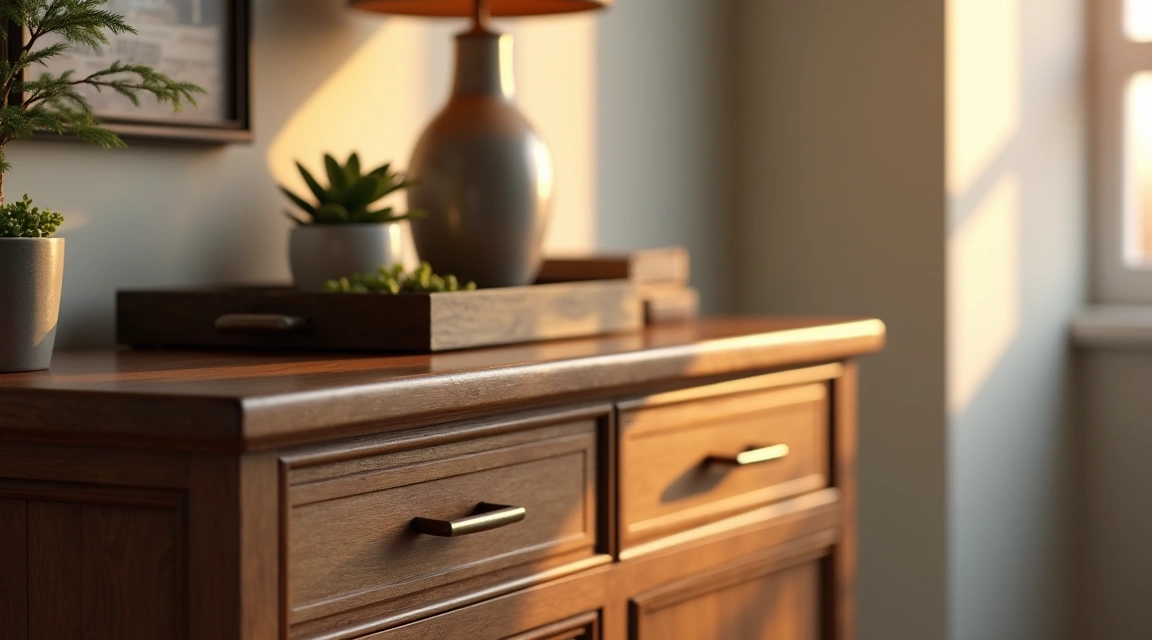
Bin pulls, characterized by their rectangular backplate and horizontal handle, emerged during the 18th century when drawers and bins required sturdy, easy-to-grip hardware. These pulls work particularly well on drawers where users need to pull with significant force, such as heavy pot drawers or deep file cabinets. The backplate distributes stress across a larger mounting area, reducing wear on the cabinet face.
Bail pulls feature a suspended handle or “bail” attached to decorative posts or rosettes. This style became prominent during the Chippendale and Federal periods in American furniture. The swinging handle allows for a comfortable grip from multiple angles and adds dimensional interest to flat cabinet surfaces. Bail pulls suit formal dining rooms, china cabinets, and traditional kitchen cabinetry where a refined, furniture-quality appearance is desired.
Cup pulls—sometimes called shell pulls when they feature scalloped edges—create a recessed grip that sits partially within a routed cavity or simply mounts flush against the drawer front. Popular in Shaker and farmhouse designs, cup pulls offer an unobtrusive profile that won’t snag clothing or interfere with closely spaced drawers. They’re ideal for narrow drawers, kitchen islands with seating areas, and any application where protruding hardware might pose a bump hazard.
Ring pulls consist of a circular handle attached through a single post or decorative backplate. These pulls originated in ancient furniture but saw renewed popularity in Georgian and Colonial Revival interiors. Ring pulls work beautifully on smaller drawers, cabinet doors, and built-in furniture where a delicate, refined touch is appropriate. The ring can drop flat when not in use, creating a streamlined appearance.
Matching Pull Styles to Cabinet Applications
Selecting the right pull style for each cabinet type improves both usability and visual harmony. Kitchen base cabinets with large drawers benefit from bin pulls measuring 3 to 4 inches in width, providing enough grip surface for pulling heavy loads. The horizontal orientation feels intuitive when opening drawers, and the substantial backplate anchors the design visually.
Upper kitchen cabinets typically use knobs rather than pulls, but when pulls are desired, shorter bail pulls or cup pulls measuring 2 to 3 inches work well. These proportions suit the lighter weight of upper cabinet doors and maintain visual balance with the cabinet frame dimensions. Placing pulls on upper cabinets near the bottom corner of doors (for side-opening doors) or centered (for lift-up doors) provides comfortable reach without awkward arm angles.
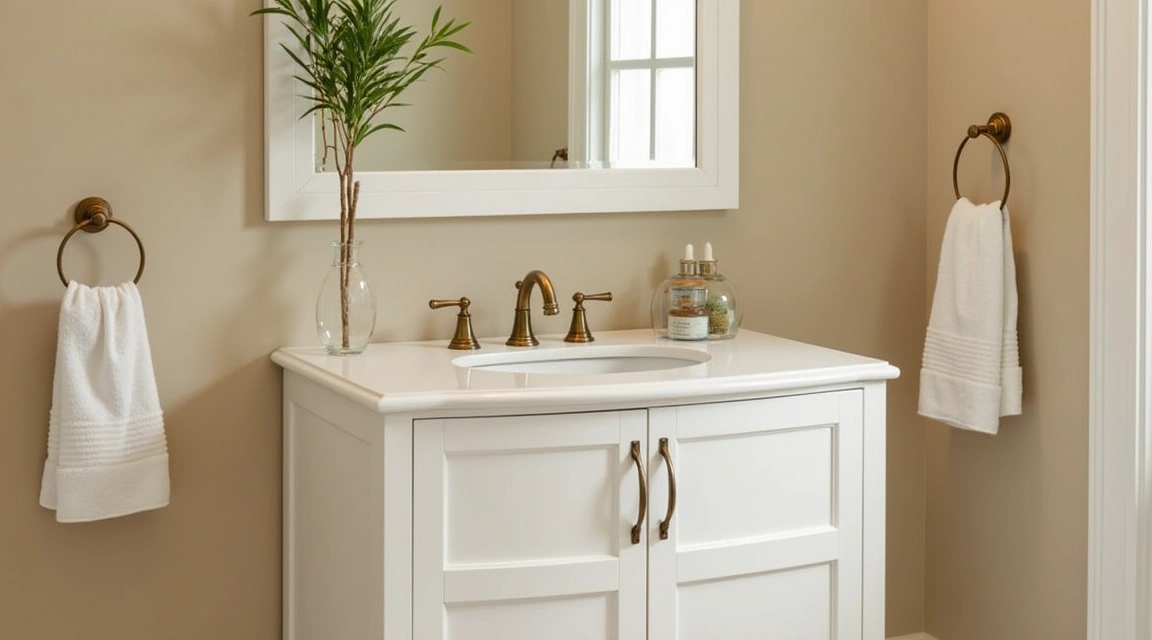
Bathroom vanities showcase traditional pulls effectively when the style complements the overall design theme. Victorian-inspired bathrooms pair beautifully with ornate bail pulls featuring decorative rosettes or backplates with botanical motifs. Farmhouse bathrooms benefit from simple cup pulls or matte-black bin pulls that echo utilitarian antique design. The proximity to water sources makes finish selection critical—opt for solid brass, bronze, or stainless steel rather than plated zinc alloys that may corrode over time.
Built-in furniture such as window seats, bedroom closets, and home office cabinetry deserves thoughtful pull selection. Ring pulls suit smaller drawers in secretary desks or jewelry cabinets where delicate operation matches the furniture scale. Larger built-ins handling books, files, or storage bins perform better with sturdy bin pulls that accommodate frequent use and heavier loads.
For more inspiration on coordinating cabinet hardware throughout your home, consider how finish and style consistency ties rooms together while allowing for appropriate functional differences.
Operating Tips for Longevity and Performance
Proper installation forms the foundation of pull performance. Traditional pulls require solid mounting to prevent loosening over time. For drawers and doors made from solid wood or plywood at least 3/4-inch thick, standard machine screws provide adequate hold. Thinner drawer fronts, particleboard, or MDF benefit from sex bolts or screw-and-post fasteners that distribute pressure and resist pull-through.
When installing bin pulls, position them horizontally centered on drawer fronts. For drawers wider than 24 inches, consider using two pulls to distribute force and prevent racking. Mark screw hole locations carefully—errors on finished cabinetry are difficult to hide. A simple cardboard template with holes punched at the correct spacing ensures consistent placement across multiple drawers.
Bail pulls require adequate clearance to swing freely. Measure the distance between the bail’s resting position and the drawer front; ensure at least 1/4 inch clearance to prevent rattling or finish wear. On face-frame cabinets, verify that the bail won’t contact the frame when pulled. Tightening bail pull posts too aggressively can distort decorative backplates—snug the screws until firm, then stop.
Cup pulls need precise routing if installed into recessed cavities. The recess depth should equal roughly one-third to one-half the pull’s total depth, allowing fingers to grip comfortably while preventing the pull from sitting too deep. Pre-drill mounting holes carefully—driving screws directly into hardwood without pilot holes can split the material or crack decorative backplates.
Maintenance extends pull lifespan significantly. Wipe brass, bronze, and copper pulls regularly with a soft, dry cloth to remove oils and prevent tarnish buildup. For deeper cleaning, use mild soap and water followed immediately by thorough drying. Avoid harsh chemicals, abrasive cleaners, or metal polishes on living finishes designed to develop patina. If your pulls feature unlacquered brass or oil-rubbed bronze finishes, natural darkening in recessed areas adds character—resist the urge to over-polish.
Periodically check mounting screws, especially on frequently used drawers. Screws naturally loosen with repeated pulling forces. Tightening screws once or twice yearly prevents pulls from rotating or falling off. For pulls that consistently loosen despite retightening, add a small drop of removable thread-locking compound (not permanent Loctite) to stabilize the connection while allowing future removal if needed.
Finish Selection and Coordinating Hardware
Traditional pull finishes range from polished brass and chrome to oil-rubbed bronze, brushed nickel, and matte black. The finish you choose should harmonize with other fixed elements in the room: faucets, lighting fixtures, door hardware, and appliances. Perfect matching isn’t necessary—in fact, a studied mix often feels more authentic to traditional interiors than matchy-matchy uniformity—but finishes should share a tonal family or purposeful contrast.
Warm finishes like brass, bronze, and copper complement wood cabinetry beautifully, especially cherry, walnut, and oak. These metals develop rich patinas over time, adding depth and character. Polished brass suits formal traditional spaces, while antique or aged brass finishes feel more relaxed and approachable. Oil-rubbed bronze delivers a dark, sophisticated look that works across traditional and transitional styles.
Cool finishes such as polished chrome, brushed nickel, and stainless steel pair well with painted cabinetry, particularly white, gray, and blue tones. These finishes read as crisp and clean, offering contrast against warm wall colors and wood floors. Brushed or satin finishes hide fingerprints and water spots better than polished surfaces—an important consideration for kitchen and bath applications.
Matte black has surged in popularity for its versatility and graphic impact. Black pulls work in traditional settings when the design itself is classic—a black bin pull or cup pull maintains historical authenticity while feeling fresh and current. Black finishes show dust and fingerprints readily, so plan for more frequent cleaning in high-use areas.
When coordinating across rooms, maintaining finish consistency on one floor or within open-plan spaces creates visual flow. Transitional spaces such as mudrooms, hallways, and powder rooms can introduce accent finishes without disrupting the overall scheme. If you’re working with existing hardware you can’t replace immediately, choose new pulls in a complementary rather than matching finish, creating an intentional layered look.
Cost Considerations and Quality Markers
Traditional cabinet pull pricing varies dramatically based on material, manufacturing method, and brand. Entry-level pulls in zinc alloy with plated finishes may cost just a few dollars per piece, while solid brass or bronze pulls from specialty hardware manufacturers can exceed thirty dollars each. For a typical kitchen with 30 to 40 pulls and knobs, hardware budgets can range from under two hundred dollars to well over a thousand.
Quality markers help identify pulls that will perform well over time. Solid brass, bronze, or stainless steel construction provides superior durability and corrosion resistance compared to zinc alloy or pot metal bases. Solid metal pulls feel substantial in hand—lightweight pulls often indicate thin plating over inexpensive base materials. Check that screws are included and properly sized; quality manufacturers provide appropriate fasteners rather than leaving mounting hardware to guesswork.
Examine finish quality carefully. Even coatings without runs, bubbles, or thin spots indicate careful manufacturing. Living finishes designed to patina should show consistent base color and texture. Plated finishes should exhibit uniform coverage, especially on detailed areas and inside curves where plating thickness often varies.
Brand reputation matters in cabinet hardware. Established manufacturers with decades of history typically maintain tighter quality control and offer better customer support if problems arise. Reading reviews from installers and homeowners who’ve lived with specific pulls for several years reveals real-world durability that product descriptions won’t disclose.
Buying direct from specialty hardware retailers often provides better value than big-box stores, particularly for mid-range and upper-tier products. These retailers curate selections, provide knowledgeable service, and stand behind their products. Online marketplaces offer convenience but require careful verification of seller reputation and return policies.
Installation Mistakes to Avoid
Incorrect pull placement ranks among the most common installation errors. Pulls on drawer fronts should typically mount one to two inches from the top edge, creating a natural grip point that doesn’t require reaching. Mounting too low forces awkward wrist angles, while mounting too high (above the midpoint) creates an unbalanced appearance and inefficient leverage.
On cabinet doors, pull placement depends on door orientation. For side-hinged doors, position pulls on the opposite side from hinges, approximately two to three inches from the edge and two to three inches from the top or bottom (user preference varies). Top-hinged lift-up doors benefit from centered pulls that allow balanced lifting with one or both hands.
Failing to account for mounting screw length causes either insufficient grip or screws poking through drawer fronts into the drawer box interior. Measure drawer front thickness precisely, add the pull’s mounting post depth, and select screws that penetrate at least half the drawer front thickness without breaking through. Most pulls accommodate screw adjustments by supplying longer screws or allowing cut-to-length machine screws.
Mixing pull styles randomly within a single space creates visual chaos. While variety across different rooms works beautifully, maintaining consistency within each room provides cohesion. A common approach uses one pull style for drawers and coordinating knobs for doors, or uses the same pull style throughout while varying size by application.
Ignoring ergonomics leads to frustration. Very small pulls on large, heavy drawers provide insufficient grip. Ornate pulls with sharp edges or protruding details can snag clothing or injure hands during rushed use. Test pulls in hand before purchasing—the physical experience of gripping and pulling reveals comfort issues that photographs cannot.
Traditional Pulls in Contemporary Interiors
Traditional pull styles adapt surprisingly well to contemporary and transitional interior designs when applied thoughtfully. The key lies in simplifying details, choosing streamlined examples of classic forms, and using finish to bridge traditional shape with modern sensibility.
A simple brass bin pull on matte white Shaker-style cabinets delivers traditional form in a fresh, minimalist context. The clean lines of Shaker doors complement the rectangular geometry of bin pulls, while white cabinets prevent the space from feeling dated. This combination appears frequently in transitional kitchens that blend historical reference with current aesthetics.
Cup pulls in matte black offer another versatile crossover option. The recessed profile feels understated and modern, while the heritage form maintains connection to farmhouse and utilitarian design traditions. Black cup pulls work across Scandinavian-modern, industrial, and contemporary farmhouse styles, demonstrating how finish selection expands a traditional pull’s range.
Pairing traditional pulls with contemporary countertops, backsplashes, and lighting creates dynamic tension that prevents interiors from feeling like period reproductions. Mixing eras signals intentional design rather than default traditional styling. This approach allows homeowners to honor architectural heritage or personal aesthetic preferences without committing to full period-accurate interiors.
Comparative Overview of Traditional Pull Styles
| Pull Style | Best Applications | Typical Size Range | Advantages | Considerations |
|---|---|---|---|---|
| Bin Pull | Kitchen base drawers, heavy storage, wide drawers | 3–6 inches wide | Strong grip, distributes force, historically versatile | Requires horizontal orientation, protrudes from surface |
| Bail Pull | Formal cabinetry, china cabinets, traditional kitchens | 2.5–4 inches wide | Elegant appearance, comfortable grip angle, dimensional interest | Needs swing clearance, more cleaning detail, can rattle |
| Cup Pull | Narrow drawers, farmhouse kitchens, close-clearance areas | 2.5–4 inches wide | Low profile, period-authentic, comfortable for small hands | May require routing, less grip for heavy drawers |
| Ring Pull | Small drawers, cabinet doors, furniture-style built-ins | 1.5–3 inches diameter | Compact when dropped, delicate aesthetic, versatile mounting | Less grip strength, can feel flimsy on large applications |
| Bow Pull | Medium drawers, transitional cabinetry, mixed-style kitchens | 3–5 inches wide | Graceful curve, comfortable grip, bridges styles | Moderate protrusion, mid-range scale limits versatility |
Conclusion
Traditional cabinet pull styles endure because they combine functional effectiveness with aesthetic appeal refined over generations. Bin pulls, bail pulls, cup pulls, ring pulls, and bow pulls each serve specific applications where their proportions, grip characteristics, and visual qualities shine. Matching pull style to cabinet function, installing hardware correctly, and maintaining pieces appropriately ensures your investment delivers beauty and performance for decades.
Whether you’re restoring a period home, updating builder-grade cabinets, or designing new cabinetry with timeless appeal, understanding these classic pull styles empowers confident hardware selection. The right pull in the right place transforms cabinetry from mere storage into furniture-quality craftsmanship. By following the operating tips and application guidelines outlined here, you’ll achieve installations that look beautiful, feel comfortable in daily use, and resist the visual fatigue that trend-driven designs often suffer. Traditional cabinet pulls represent not nostalgia, but enduring design intelligence—solutions that worked magnificently in the past and continue to serve superbly today.