
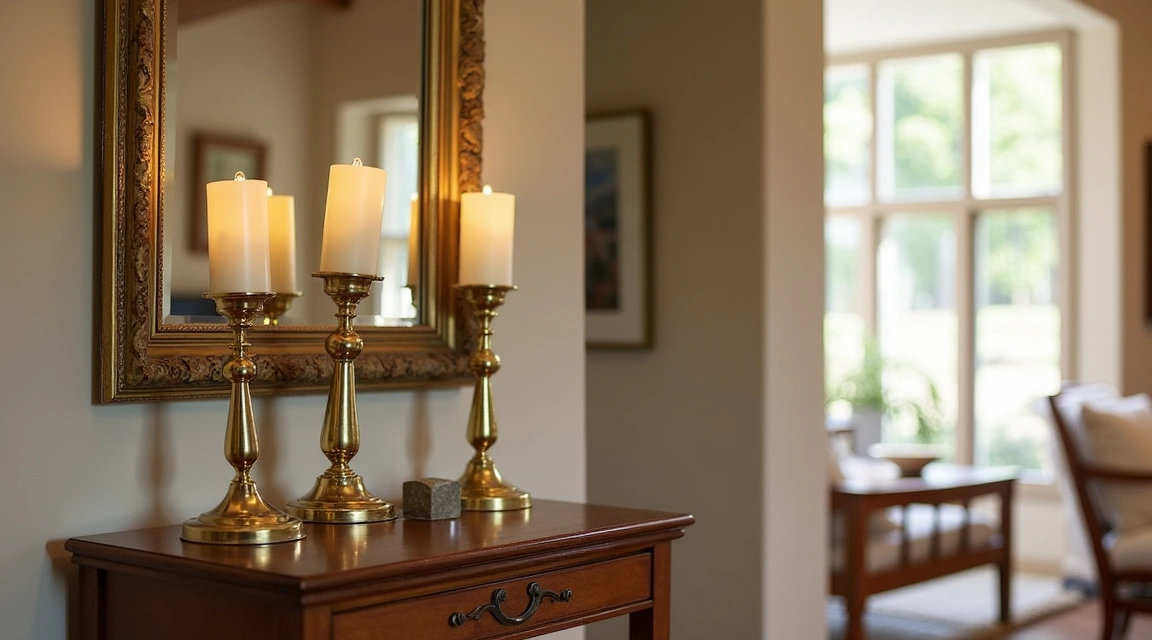
When I first started restoring my Victorian-era home, I quickly realized that the devil truly is in the details—especially when it comes to hardware. The door knobs, cabinet pulls, hinges, and escutcheons I chose would either honor the home’s architectural heritage or quietly undermine it. After countless hours researching, touching samples, and yes, making a few expensive mistakes, I’ve learned what separates exceptional brass hardware from the merely shiny. This guide distills those lessons into practical advice for anyone furnishing classic interiors with authentic brass hardware.
Brass hardware isn’t just functional; it’s the jewelry of your home. In traditional and classic interiors—whether Georgian, Victorian, Arts and Crafts, or Colonial Revival—the right hardware anchors the entire aesthetic. But the marketplace is crowded with options ranging from solid forged brass to thin plated zinc, and the price tags vary just as wildly. Understanding what you’re actually buying makes all the difference between an investment that ages beautifully and one that tarnishes or fails within months.
What Makes Quality Brass Hardware Worth the Investment
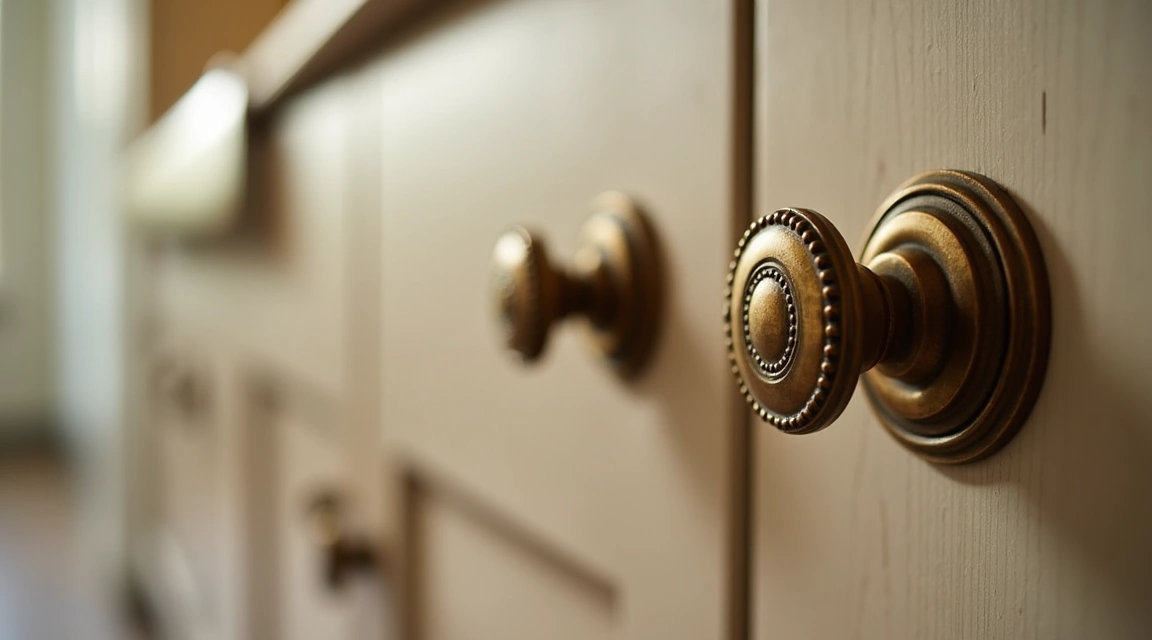
Genuine brass hardware offers several advantages that justify its higher upfront cost. First, solid brass is remarkably durable. Unlike plated alternatives, it won’t chip or flake to reveal a different metal beneath. When a solid brass piece gets scratched, you’re simply revealing more brass—the patina that develops over decades becomes part of its character rather than a flaw.
The weight and feel of quality brass hardware is immediately apparent. When you hold a solid brass knob or pull, it has a substantial heft that conveys permanence. This tactile quality matters more than many people realize; every time you open a door or drawer, you’re reminded of the craftsmanship in your home. Thin, hollow, or plated hardware feels insubstantial by comparison and can actually cheapen the perception of an otherwise well-appointed room.
From a practical standpoint, brass is naturally antimicrobial. While you shouldn’t rely on this property alone for hygiene, it’s a meaningful bonus for high-touch surfaces like door handles and cabinet pulls. Brass also machines beautifully, which is why historic hardware often features intricate detailing—beading, reeding, rope patterns, and botanical motifs—that would be difficult or impossible to replicate in lesser materials.
For anyone committed to period-appropriate restoration, authentic reproduction hardware maintains your home’s historical integrity. Many preservation societies and local historic districts have guidelines that specifically call for traditional materials and designs. Even if you’re not bound by such regulations, choosing hardware that respects your home’s original era simply looks right in a way that modern substitutes don’t.
Beyond aesthetics, quality brass hardware often comes with better mechanical components. The internal mechanisms in a well-made mortise lock or the spring tension in a proper thumb latch are engineered to last decades, not just a few years. When you’re investing in brass hardware for your classic interior, you’re often buying superior function along with superior form.
Common Pitfalls and What to Watch Out For
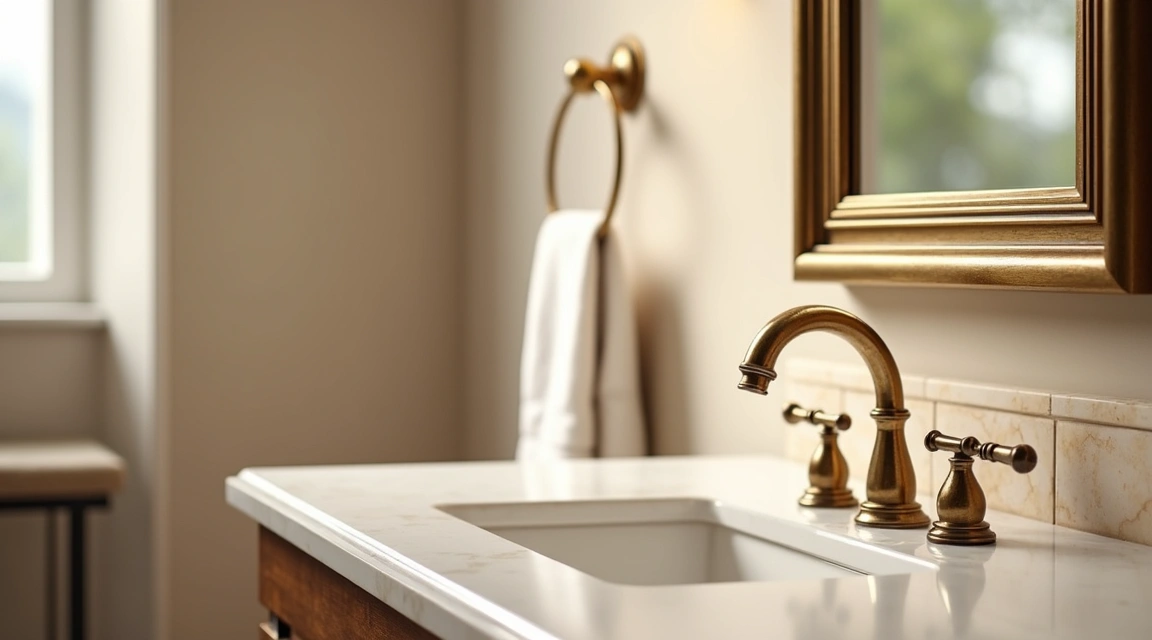
The brass hardware market has its share of traps for the unwary buyer. One of the most common is confusing “brass finish” with actual brass construction. Many products described as having a brass finish are simply steel, zinc alloy, or aluminum with a thin brass-colored coating. This plating will eventually wear through at stress points—around screw heads, on frequently touched surfaces, and at edges—revealing the base metal and creating an irreversibly shabby appearance.
Another pitfall is assuming all solid brass is created equal. The composition of brass alloys varies, and some formulations are softer or more prone to corrosion than others. Lower-quality brass may contain impurities or have inconsistent casting, leading to weak points that can crack under normal use. Unfortunately, it’s difficult to assess alloy quality without laboratory testing, so reputation and manufacturer transparency become your best guides.
Mixing hardware finishes and styles is a subtle but important consideration. Even within brass, you’ll encounter polished brass, antique brass, satin brass, oil-rubbed bronze (which is technically brass with a dark patina), living finish brass, and more. Using multiple finishes in adjacent rooms or even on the same piece of furniture can create visual discord. I learned this the hard way when I installed beautiful antique brass cabinet pulls in my kitchen, only to realize they clashed with the polished brass chandelier I’d hung two weeks earlier. Now they’re both living finish brass, and the room finally feels cohesive.
Size and proportion mistakes are surprisingly easy to make when shopping online. A cabinet pull that looks elegant in a product photo can overwhelm a small drawer front or disappear on a large door. Traditional design rules suggest that hardware should be roughly one-third the width of the drawer or door it adorns, but this varies with style and personal taste. Whenever possible, request samples or buy a single piece to test before committing to a full set.
Price can be deceptive in both directions. Yes, extremely cheap brass hardware is almost certainly plated base metal with poor mechanics. But extremely expensive doesn’t automatically mean authentic or appropriate—some manufacturers charge premium prices for mediocre reproductions simply because they market to the high-end design trade. The sweet spot often lies with specialized architectural hardware companies that focus on historical accuracy and work with preservation projects.
Who Should Invest in Quality Brass Hardware
Quality brass hardware makes the most sense for several distinct groups. If you own a historic home and care about maintaining its character, proper hardware is non-negotiable. Modern substitutes, no matter how superficially similar, lack the proportions, patina, and details that make antique hardware authentic. Historic homes deserve historic hardware—or at least faithful reproductions.
Serious DIY renovators and home restorers will find that brass hardware is one of those finish details that elevates an entire project. You can have perfect paint, beautiful flooring, and immaculate trim work, but cheap hardware will undermine all of it. Conversely, investing in quality knobs, pulls, hinges, and plates creates a finished look that signals care and craftsmanship throughout.
Anyone furnishing a classic or traditional interior—even in a newer home—benefits from authentic brass. If your aesthetic leans toward Georgian, Federal, Victorian, Craftsman, or any historically-inspired style, the hardware should match that commitment. Modern hardware in a traditional space creates the same jarring disconnect as modern furniture in a period room.
Landlords and property managers restoring or upgrading rental properties in historic buildings should also consider quality hardware as a long-term investment. Solid brass hardware withstands heavy use and requires minimal maintenance compared to plated alternatives that need replacement every few years. The initial cost premium pays for itself in durability and reduced replacement cycles.
On the other hand, if you’re working with a temporary rental, plan to sell soon, or are furnishing a space with a contemporary or transitional aesthetic, the investment may not make sense. Budget-friendly alternatives or modern hardware styles might serve you better in those contexts.
Frequently Asked Questions
How can I tell if hardware is solid brass versus plated?
The simplest test is a magnet—solid brass is not magnetic, while steel or iron bases under plating will attract a magnet. Weight is another clue; solid brass is noticeably heavier than plated zinc or aluminum. If possible, examine the hardware closely for any color variation or wear-through at edges and screw holes, which indicates plating. Reputable sellers will clearly state “solid brass” rather than “brass finish” or “brass-plated” in their product descriptions.
Should I choose living finish or lacquered brass for my classic interior?
This depends on your maintenance preference and aesthetic goals. Living finish brass develops a natural patina over time, darkening and showing use patterns that many people find beautiful and authentic to historic interiors. Lacquered brass maintains its original shine but will eventually need re-lacquering as the protective coating breaks down. For faithful historic restoration, living finish is generally more appropriate, as original hardware would have aged naturally. For those who prefer consistent brightness, lacquered finishes require less immediate upkeep.
Is it worth restoring antique brass hardware, or should I buy new reproductions?
Original antique hardware has incomparable authenticity—the casting quality, design details, and patina are often impossible to fully replicate. If your home has surviving original hardware, restoration is almost always worthwhile, involving cleaning, gentle polishing, and mechanical refurbishment. However, antique hardware can be incomplete, mismatched, or unavailable in the quantities needed for a whole house. In those cases, high-quality reproductions from manufacturers specializing in period hardware offer an excellent compromise, especially when mixed thoughtfully with restored originals.