

Renovating your kitchen or bathroom often means selecting new cabinet hardware, but understanding what drives the final price can be challenging for first-time buyers. Cabinet hardware costs vary dramatically—from a few dollars per piece to several hundred—depending on materials, finish quality, manufacturer, installation complexity, and purchase volume. This beginner guide breaks down the key factors that influence cabinet hardware pricing, helping you budget accurately and avoid surprises when you receive your quote.
Whether you’re working with a contractor, ordering directly from a supplier, or purchasing retail, knowing these pricing variables empowers you to make informed decisions that balance aesthetics, durability, and budget constraints.
Material Composition and Manufacturing Process
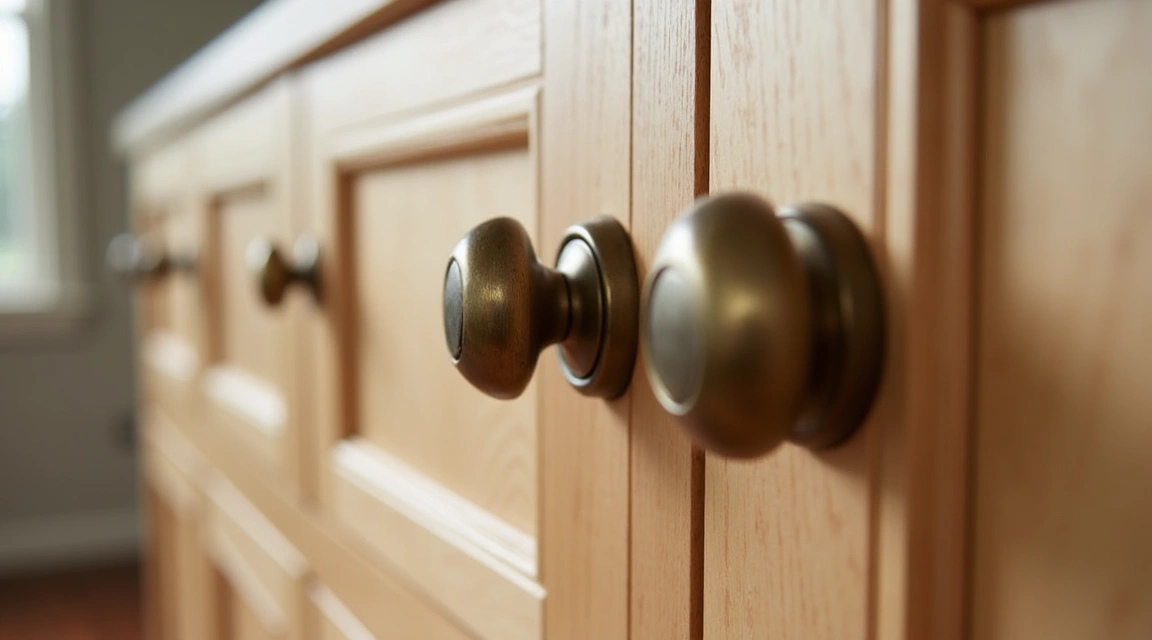
The base material of your cabinet hardware is the single largest driver of cost. Solid brass hardware, long valued for its durability and corrosion resistance, typically commands premium pricing due to raw material costs and the machining precision required. A solid brass knob may range from moderate to high price points, while the same design in zinc alloy—a common substitute—often costs significantly less.
Stainless steel hardware sits in the mid-to-upper price tier, offering excellent resistance to moisture and fingerprints, making it popular in modern kitchens. Bronze and wrought iron pieces, especially those with hand-forged elements, carry additional labor costs that increase the final quote. Cast hardware, where molten metal is poured into molds, generally costs less than machined pieces that are cut from solid stock, though machined hardware often exhibits sharper details and tighter tolerances.
The manufacturing country also influences pricing. Hardware produced in facilities with stringent quality control, advanced automation, and higher labor standards typically costs more than mass-produced imports. However, the price difference often reflects tangible quality gaps in finish consistency, dimensional accuracy, and long-term performance. For those exploring various cabinet hardware prices, understanding these material distinctions helps explain why seemingly identical designs carry different price tags.
Finish Type and Application Complexity
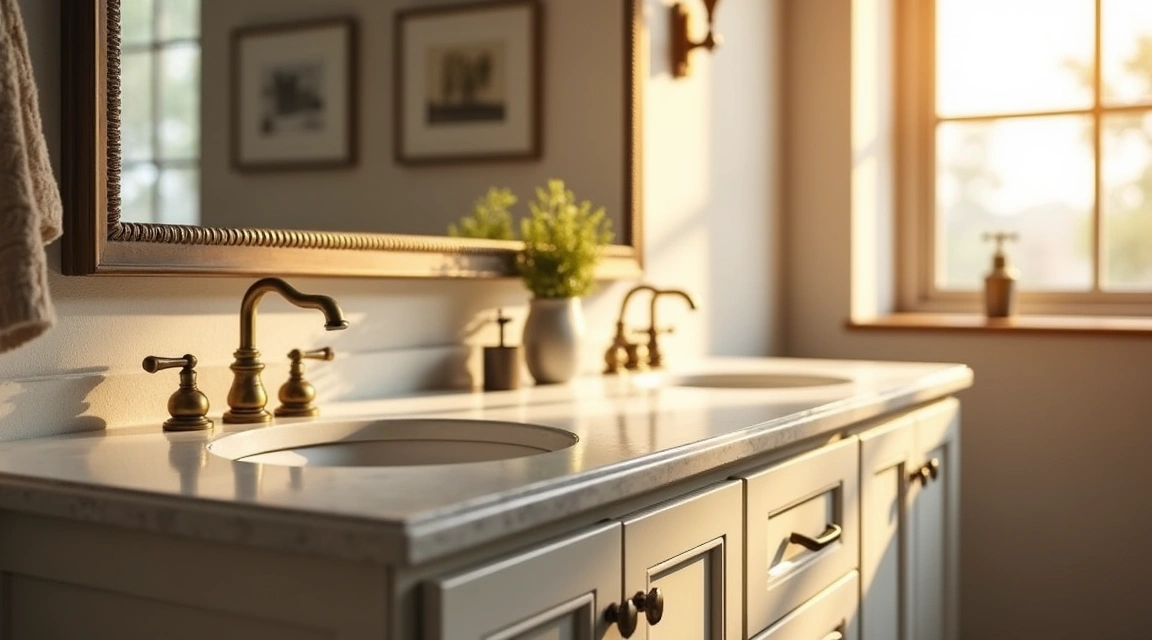
The finish applied to cabinet hardware dramatically affects both appearance and cost. Basic finishes like polished chrome or brushed nickel are widely available and relatively affordable because they involve standardized electroplating processes. These finishes provide good durability and are easy to match across different hardware lines.
Specialty finishes, however, add substantial cost. Living finishes—such as unlacquered brass or oil-rubbed bronze—develop natural patina over time and require careful surface preparation and selective coating. Antique finishes involve multi-step processes including base plating, antiquing treatments, and hand-buffing highlights, increasing labor time and material waste. Powder-coated finishes offer exceptional durability in matte colors but require curing ovens and careful masking, adding to the production expense.
Custom color matching further escalates pricing. If you need hardware in a specific Pantone color or a finish that matches existing fixtures, expect additional fees for batch setup, sample approvals, and minimum order quantities. Physical Vapor Deposition (PVD) finishes, which bond metal coatings at the molecular level, represent the premium end of the spectrum—offering superior scratch and tarnish resistance but at considerably higher cost than standard electroplating.
Living finishes require ongoing maintenance and may not suit every household. Polished finishes show fingerprints more readily than brushed alternatives. Understanding these practical trade-offs helps you select finishes that match both your aesthetic preferences and your willingness to maintain them, preventing regret after installation.
Design Complexity and Installation Requirements

Hardware design directly impacts manufacturing difficulty and, consequently, price. Simple cylindrical knobs with minimal detailing cost less to produce than ornate backplates with embossed patterns, crystal inserts, or multi-component assemblies. Pulls with intricate curves require more complex tooling and finishing steps than straightforward bar pulls.
Size matters significantly. Larger pulls use more material and may require reinforced mounting, increasing both hardware and installation costs. Oversized knobs need longer mounting screws and potentially reinforced cabinet doors to prevent sagging over time. Cabinet thickness variations in older homes may require custom-length screws or mounting adapters, adding small per-piece costs that accumulate across dozens of cabinets.
Installation complexity varies by hardware type. Surface-mounted knobs and pulls are straightforward, but recessed or flush-mounted hardware requires precision routing into cabinet faces, adding labor time and potential material waste if mistakes occur. Integrated pulls—where the pull is routed directly into the cabinet door edge—eliminate hardware costs but increase fabrication expenses substantially.
Template accuracy becomes critical when replacing existing hardware with pieces that have different hole spacing. If your new pulls require holes in different positions, you’ll face additional costs for filling old holes, touch-up finishing, or potentially replacing cabinet faces entirely. When ordering, verify center-to-center measurements carefully to avoid these added expenses.
Quantity Discounts and Supplier Selection
Volume purchases significantly reduce per-piece costs. Wholesale distributors and trade showrooms offer tiered pricing, with breaks typically occurring at dozen-unit intervals. A kitchen with thirty cabinets might qualify for better pricing than a bathroom vanity project requiring only eight pieces. However, minimum order quantities for custom finishes or specialty designs can force you to purchase more than needed, potentially offsetting volume discounts.
Your supplier channel affects pricing structure. Big-box retail stores carry limited selections at retail prices with occasional sales, offering convenience but rarely the best value for complete kitchen projects. Online specialty retailers often provide competitive pricing and broader selection but add shipping costs and make it harder to assess quality before purchase. Direct manufacturer relationships—typically available only through contractors or designers—offer the best pricing but may require trade credentials or minimum purchase commitments.
Closeout and discontinued finishes present opportunities for substantial savings, sometimes reaching substantial percentage discounts. The risk lies in future replacements—if you damage a piece or expand your kitchen later, matching discontinued hardware becomes difficult or impossible. Some buyers purchase a few spare pieces initially to mitigate this concern.
Lead times influence pricing flexibility. Rush orders command premium charges, while standard production timelines allow more negotiating room. Custom hardware typically requires longer lead times—sometimes several weeks—compared to stock items that ship immediately. When planning renovation timelines, build in sufficient lead time to avoid rush fees that can increase your quote substantially.
Additional Cost Factors Often Overlooked
Several smaller factors accumulate to affect your final quote. Shipping and handling charges vary dramatically based on hardware weight, packaging requirements, and distance. Brass hardware is notably heavy, potentially increasing freight costs for large orders. Fragile finishes or crystal-embellished pieces require protective packaging that adds both material and dimensional weight charges.
Some suppliers charge restocking fees—sometimes a notable percentage of order value—for returns, making it essential to order samples before committing to full quantities. Sample programs themselves often carry nominal fees, though many suppliers credit these toward final orders. Factor sample costs into your budget planning, especially when comparing multiple finish options.
Sales tax and customs duties apply depending on your location and the supplier’s location. International orders may face import duties, customs brokerage fees, and currency exchange rate fluctuations that weren’t apparent in the initial quote. Domestic purchases within certain regions may carry state or local sales taxes that add notable percentages to the final invoice.
Installation labor, while technically separate from hardware costs, deserves consideration in your total budget. Professional installers typically charge per piece or hourly, with rates varying by regional labor markets. DIY installation eliminates labor costs but requires tools—drill, templates, measuring devices—and carries the risk of errors that could damage cabinets.
Comparative Price Overview
| Hardware Type | Material Example | Finish Example | Typical Price Range (Per Piece) | Best For |
|---|---|---|---|---|
| Basic Knob | Zinc Alloy | Polished Chrome | Low budget tier | Rental properties, tight budgets |
| Standard Pull | Zinc Alloy | Brushed Nickel | Low-mid tier | Most residential kitchens |
| Premium Knob | Solid Brass | Oil-Rubbed Bronze | Mid-tier | Traditional aesthetics, durability |
| Designer Pull | Solid Brass | Unlacquered Brass | Upper-mid tier | Kitchens with living finish aesthetic |
| Luxury Pull | Stainless Steel | PVD Gold | High tier | High-end kitchens, commercial settings |
| Artisan Piece | Hand-Forged Iron | Waxed Natural | Premium tier | Custom homes, statement pieces |
Making Informed Purchasing Decisions
Armed with understanding of these pricing factors, you can approach cabinet hardware purchases strategically. Start by identifying your non-negotiables—perhaps finish durability matters more than design intricacy, or maybe authentic brass is essential for your period restoration. This clarity helps you allocate budget where it matters most while economizing elsewhere.
Request itemized quotes that separate hardware costs from shipping, installation, and fees. This transparency allows accurate comparison between suppliers and identifies opportunities to reduce costs—perhaps by arranging your own shipping or handling installation yourself. Don’t hesitate to negotiate, especially on larger orders; many suppliers offer flexibility on pricing or can suggest alternative products that meet your needs at lower cost.
Consider lifecycle costs beyond initial purchase price. Premium hardware with superior finishes may cost more upfront but maintain appearance longer, potentially reducing replacement frequency. Conversely, trend-driven designs might warrant lower-cost hardware you can easily replace when styles evolve. Your timeline for staying in the home should influence whether you prioritize initial savings or long-term durability.
Order samples of your finalists before committing to full quantities. Photographs rarely capture true color, texture, or weight accurately. Handling physical samples reveals quality differences—the heft of solid brass versus hollow zinc, the smoothness of machined edges versus cast flash marks, the visual depth of hand-applied versus sprayed finishes. These tactile qualities significantly impact satisfaction but don’t appear in online specifications.
Building in contingency budget—typically ten to fifteen percent above your calculated need—provides cushion for unexpected requirements. You might discover additional cabinets that need hardware, encounter damage requiring replacements, or decide to upgrade finishes after seeing samples. This buffer prevents budget overruns from derailing your project.
Understanding what changes your cabinet hardware quote transforms a potentially overwhelming purchase into a manageable decision-making process. Material selection establishes your baseline cost, finish choices add character and durability at varying premiums, design complexity reflects manufacturing difficulty, and purchasing strategy determines whether you maximize value or pay retail. By evaluating these factors against your specific needs, aesthetic goals, and budget constraints, you can confidently navigate supplier quotes and select hardware that delivers both the look you want and the value you deserve.