
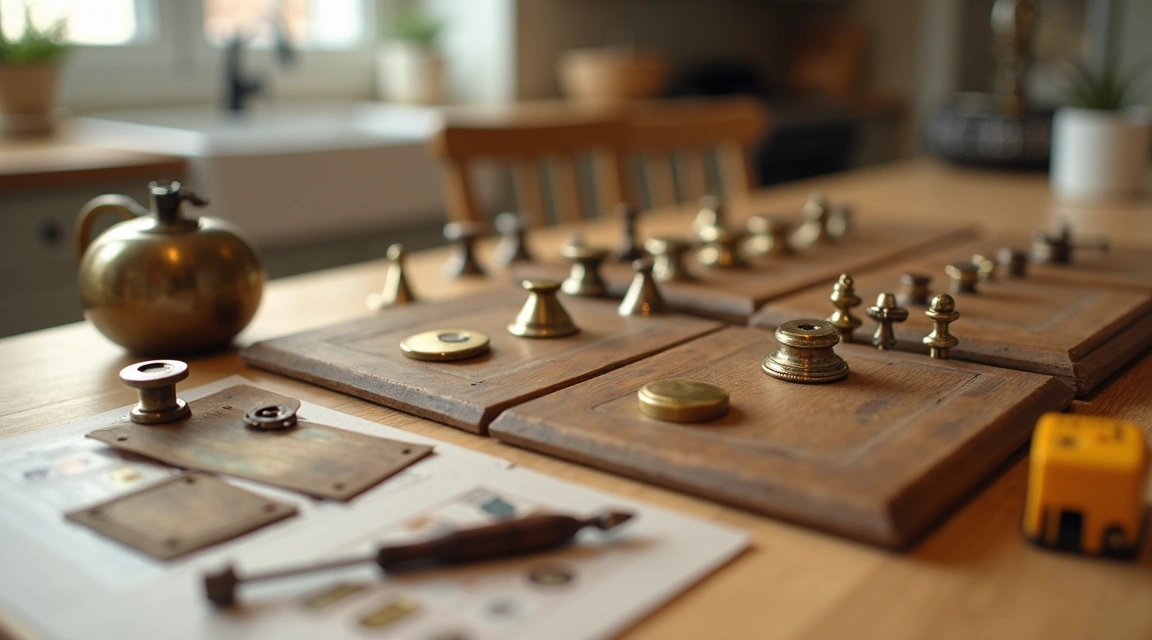
A single brass cabinet pull in an unlacquered finish can change the way a drawer feels when you reach for it each morning, and choosing the right one without fuss starts with understanding three simple material facts: how the metal ages, what size works with your hand, and whether a backplate adds the support your cabinet door actually needs. Beginners often assume all brass hardware looks identical out of the box, but unlacquered brass will darken naturally over weeks, lacquered brass holds its factory shine, and oil-rubbed finishes arrive pre-aged—each path suits a different kitchen style and maintenance preference.
This article walks through beginner-friendly home accent decisions that stay rooted in the physical properties of brass and other common materials, so you spend less time second-guessing online shopping carts and more time enjoying rooms that feel intentional. The advice here applies to cabinet knobs, drawer pulls, bathroom accessories, curtain rods, and smaller decor pieces where material choice, proportion, and finish combine to create a cohesive look. Rather than chasing trends that shift every season, these tips focus on durable details you can install once and live with comfortably for years.
Start with One Metal Finish and Let It Guide Your Accent Choices
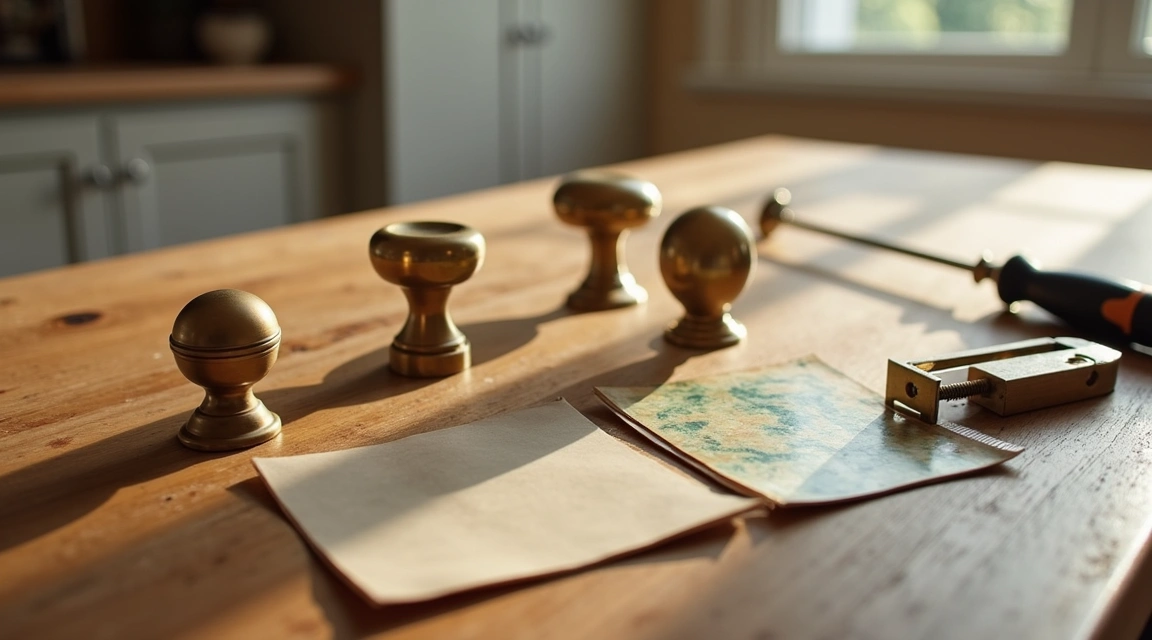
Mixing too many metal finishes in a single room often creates visual noise that reads as indecision rather than intentional design. A practical starting point is to pick one dominant finish—polished brass, antique brass, brushed nickel, or matte black—and use it for the majority of your hardware, lighting, and functional accents in that space. This does not mean every piece must match exactly; instead, it means the eye sees a clear throughline rather than jumping between competing finishes.
For example, if you choose unlacquered brass cabinet pulls in the kitchen, consider carrying that warm tone into a brass faucet, a brass pendant light fixture, or even brass curtain rod finials in an adjoining breakfast nook. The unlacquered finish will develop a living patina over time, so all pieces will age together rather than one pull looking decades older than a new faucet installed later. If the idea of patina feels uncertain, a lacquered brass finish locks in the factory color and requires only occasional dusting, which suits renters or anyone planning to move within a few years.
Once your primary finish is in place, you can introduce a second accent metal sparingly—a single mirror frame, one picture rail, or a set of stair balusters—but keeping that secondary choice minimal prevents the room from feeling like a hardware showroom. This approach works across budgets because it relies on consistency rather than expensive materials; even builder-grade lever handles look intentional when they share a finish with the cabinet hinges and towel bar in the same hallway.
Match Pull and Knob Size to Drawer Weight and Hand Clearance
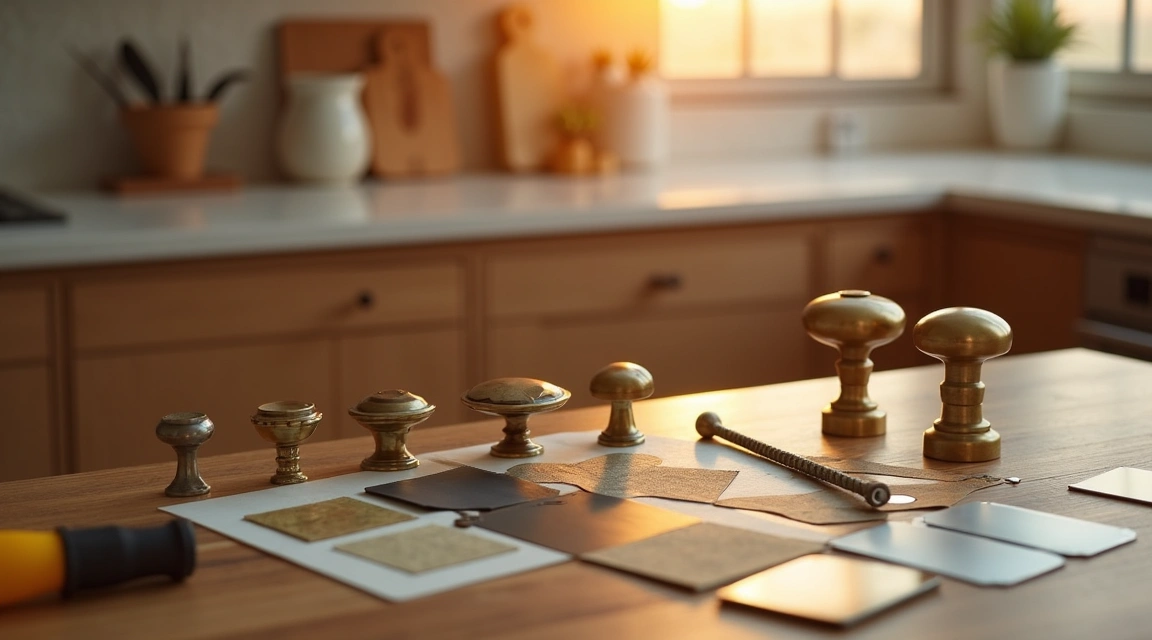
A drawer pull that looks elegant in an online product photo can feel awkward in daily use if the size does not match the drawer’s weight or the knuckle clearance your cabinet construction allows. Most kitchen base cabinets with standard overlay doors leave roughly three to four inches between the drawer face and the cabinet frame below, so a pull with a large bail or thick backplate may contact the frame when you open the drawer fully, causing a scraping sound or chipped finish over time.
Measure the distance from the center of your existing screw holes to the edge of the drawer front, then compare that dimension to the projection—how far the pull extends outward—of any new hardware you consider. If your old pull projected one inch and the new one projects two inches, you may need to adjust your grip or risk knuckles brushing the lower cabinet frame. For drawers that hold heavy pots or small appliances, a longer pull distributes the pulling force across more fingers and feels more comfortable than a small knob, which concentrates effort on fingertips and can dig into skin when the drawer sticks.
Knobs work well on lightweight cabinet doors where you only need a light tug, and they take up less visual space than a long bar pull, which helps maintain a clean look on smaller door panels. When installing new knobs or pulls, test one piece on a single drawer before ordering a full set; live with it for a few days, open the drawer while carrying a grocery bag in the other hand, and check whether the size feels natural or whether your hand keeps missing the grip. This trial prevents a drawer full of returns and ensures the hardware serves the room rather than simply decorating it.
Coordinate Accent Colors with Existing Room Undertones
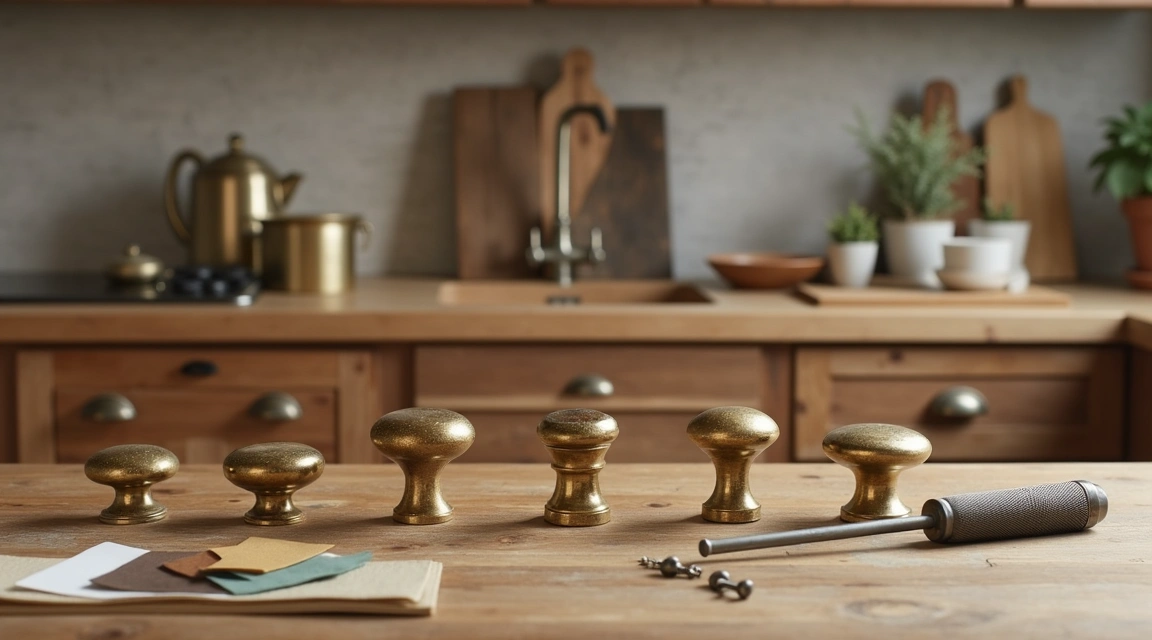
Brass, copper, and bronze all read as warm metals, while chrome, nickel, and stainless steel read as cool, and the wall paint or cabinetry in your room already carries a subtle warm or cool bias that becomes obvious once you hold a metal sample against it. A beige wall with yellow undertones will make polished nickel feel sterile, whereas that same nickel finish can look crisp and modern against a cool gray wall. Unlacquered brass and oil-rubbed bronze both carry warm tones, but unlacquered brass starts bright and darkens to amber and brown, while oil-rubbed bronze arrives dark and develops lighter highlights where hands touch frequently.
Before committing to a full set of hardware or a new mirror frame, order a single sample piece or visit a showroom where you can hold the finish next to a paint swatch or cabinet door sample from your home. Natural daylight reveals undertones more accurately than store lighting, so take samples to a window and observe how the metal looks in morning versus afternoon light. If your cabinets are painted white with a cool blue undertone, a warm antique brass pull may create a pleasing contrast, but if the white leans creamy or ivory, the brass will blend more harmoniously and feel cohesive rather than jarring.
For rooms where you plan to introduce brass accents gradually—adding a new towel bar this month and a cabinet pull set next season—choose a finish that is widely available from multiple manufacturers, so future additions match without requiring you to track down a discontinued product line. Polished brass, antique brass, and oil-rubbed bronze remain common across most hardware brands, while more specialized finishes such as champagne bronze or satin gold may be harder to source consistently over several years.
When styling smaller accent pieces such as picture frames, candle holders, or decorative trays, look for materials that echo the metal finish you have chosen for functional hardware. A brass tray on a coffee table reinforces the brass drawer pulls in a nearby console, creating a subtle repetition that feels deliberate. This does not mean every accent must be metal; wood, ceramic, and fabric pieces add texture and warmth, but keeping metal finishes aligned prevents the space from feeling fragmented.
Practical Accent Checklist for Beginners
| Decision Point | What to Check | Why It Matters |
|---|---|---|
| Metal finish | Unlacquered vs. lacquered vs. oil-rubbed | Determines patina speed and cleaning routine |
| Pull projection | Measure from screw center to drawer edge and compare to new pull depth | Prevents knuckle contact with cabinet frame |
| Knob diameter | Hold sample knob and test grip comfort | Ensures fingers can grasp without slipping |
| Room undertone | Compare metal sample to wall and cabinet in natural light | Reveals warm or cool bias before installation |
| Sample availability | Confirm finish is stocked by multiple vendors | Allows gradual purchases and future replacements |
| Backplate need | Check if old screw holes are visible or if wood is damaged | A backplate covers mistakes and adds visual weight |
Test Hardware Before Installing Across the Whole Room
Even experienced renovators install one pull or knob first, live with it for a few days, and only then order the remaining quantity. This trial period reveals whether the finish photographs accurately, whether the weight feels substantial or flimsy, and whether the mounting screws fit your cabinet thickness without requiring adapters. Some unlacquered brass pieces arrive with a protective coating that must be removed before patina begins, and testing one piece lets you complete that step without rushing through a dozen handles at once.
If you are replacing hardware on rental property or in a home you plan to sell, consider keeping the original pieces in a labeled bag so future owners or landlords can restore the space if needed. This small step avoids disputes over security deposits and gives you flexibility to take your new brass pulls to the next home. When installing new hardware that requires drilling fresh holes, use a template or painter’s tape to mark screw positions, then drill slowly with a bit sized for wood screws rather than metal, which prevents the cabinet face from splintering.
For bathroom accessories such as towel bars, toilet paper holders, or robe hooks, check that the mounting hardware includes wall anchors suited to your wall type—drywall anchors for hollow walls, toggle bolts for thicker drywall, or screws driven directly into studs for the most secure hold. A towel bar that pulls out of the wall after a few weeks creates damage that is harder to repair than taking extra time to locate studs with a finder tool before drilling. Brass accessories are often heavier than plastic or lightweight aluminum equivalents, so proper anchoring prevents sagging or detachment over time.
Explore additional home accent ideas and material comparisons in our Home Accents section, where you will find articles on finishes, installation techniques, and room-by-room styling strategies that build on these foundational principles.
Conclusion: Build Confidence Through Small, Reversible Choices
Beginner-friendly home accents succeed when they respect the physical behavior of materials, fit the human hand comfortably, and align with the existing color and finish palette in the room. Starting with a single metal finish, measuring hardware dimensions against actual cabinet and drawer geometry, and testing undertones in natural light all reduce the risk of costly mistakes and create a cohesive look that feels intentional rather than accidental. Brass hardware, whether unlacquered, lacquered, or oil-rubbed, offers durability and warmth that suits traditional and transitional interiors, and choosing the right size and projection ensures daily use remains comfortable rather than frustrating.
By ordering samples, installing one piece as a trial, and confirming that your chosen finish is widely available for future additions, you build a home accent strategy that can grow gradually without requiring a single large investment or a complete room overhaul. These practical steps keep your budget predictable, your installation process manageable, and your final result rooted in the real constraints of your space rather than idealized magazine spreads. When each accent choice is guided by material facts and tested in context, the room gains character that lasts well beyond the first impression.