
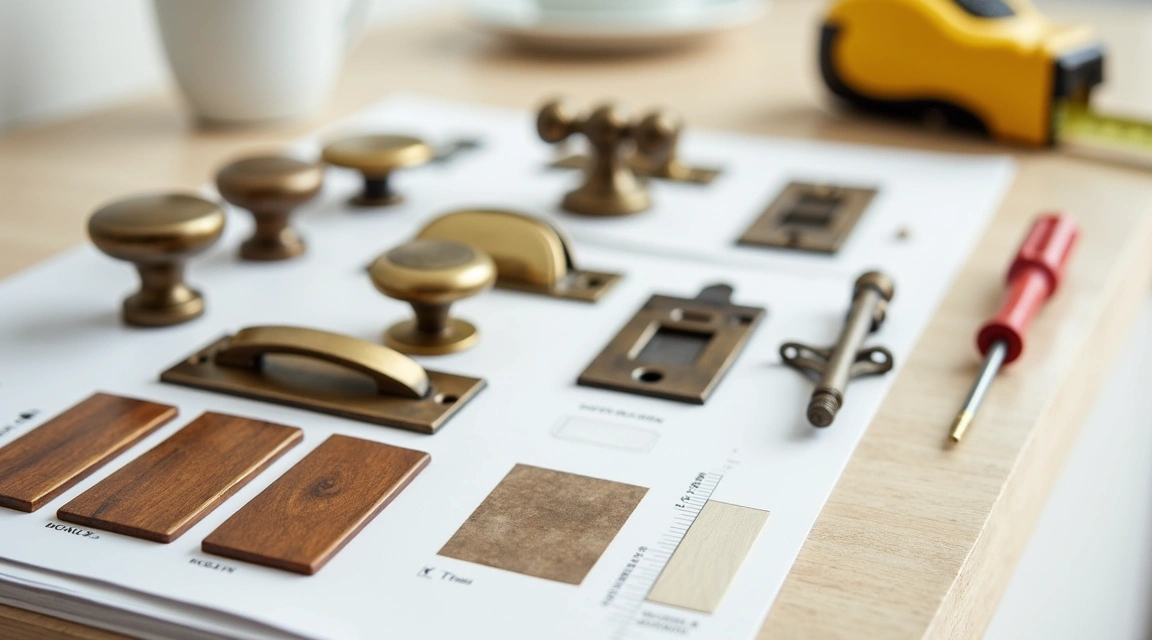
A single unlacquered brass cabinet pull sitting next to its lacquered counterpart shows two different price tags—and two different maintenance futures. The size of the pull, the complexity of the backplate, the finish treatment, and whether you choose a knob or a handle all shift the final invoice. Understanding these variables before you place an order helps you build a realistic hardware budget and avoid surprise costs when boxes arrive at your door.
This article walks through the material, size, finish, and installation factors that determine cabinet hardware pricing, compares common options in a side-by-side table, and offers recommendations by project type so you can match cost to your kitchen or bathroom update goals.
Material and Finish Variables That Change the Price
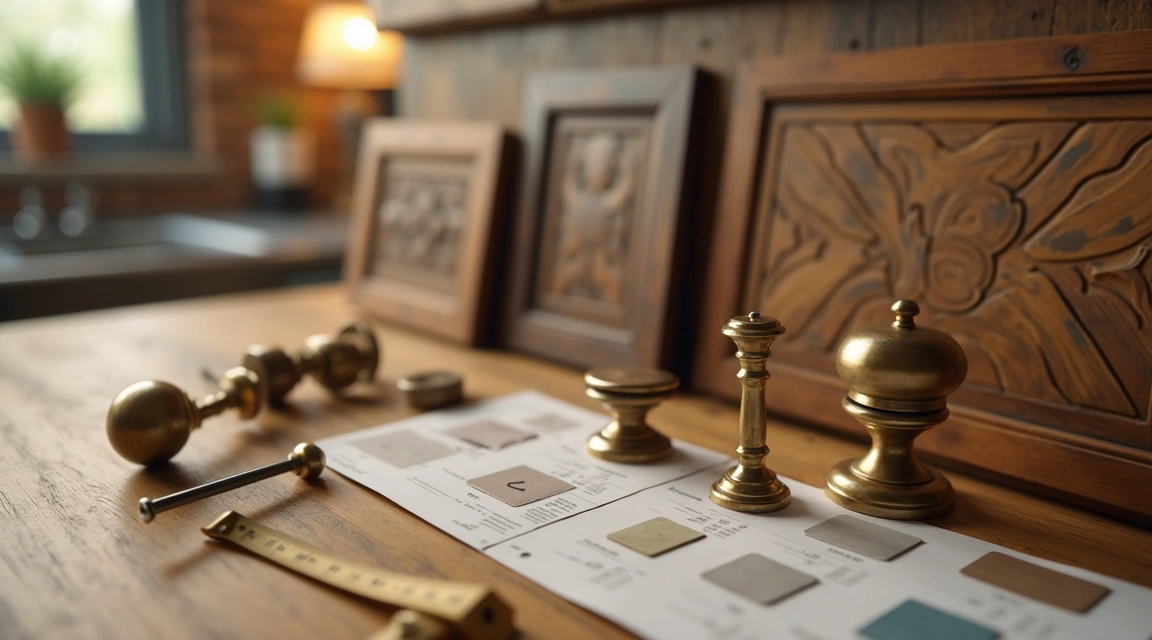
Brass hardware pricing begins with the base metal and how it is treated. Solid brass pulls weigh more, require more raw material, and carry a higher cost than hollow or plated alternatives. Within solid brass, the finish layer adds another pricing tier. Unlacquered brass arrives without a protective coating, develops natural patina over time, and generally costs less than lacquered versions because fewer production steps are needed. Lacquered brass receives a clear topcoat in the factory, resists tarnish longer, and adds labor and material to the manufacturing process.
Antique brass finishes—where the metal is chemically aged or hand-rubbed to simulate years of patina—demand additional hand work and quality control, raising the per-piece price. Polished brass, by contrast, is buffed to a mirror shine and may or may not be lacquered afterward. Each finish choice carries its own cost structure, and mixing finishes across a kitchen can complicate ordering and increase per-unit expense when you fall below minimum-order quantities for a given style.
Plated options—solid zinc, steel, or aluminum cores with a thin brass layer—offer a lower entry price but may show wear at edges where the base metal peeks through after months of use. For projects where budget is the primary driver and patina is not desired, plated hardware serves well in guest baths or laundry rooms. For high-use kitchen drawers and frequently opened cabinet doors, solid brass longevity often justifies the upfront premium.
Size, Style, and Installation Complexity
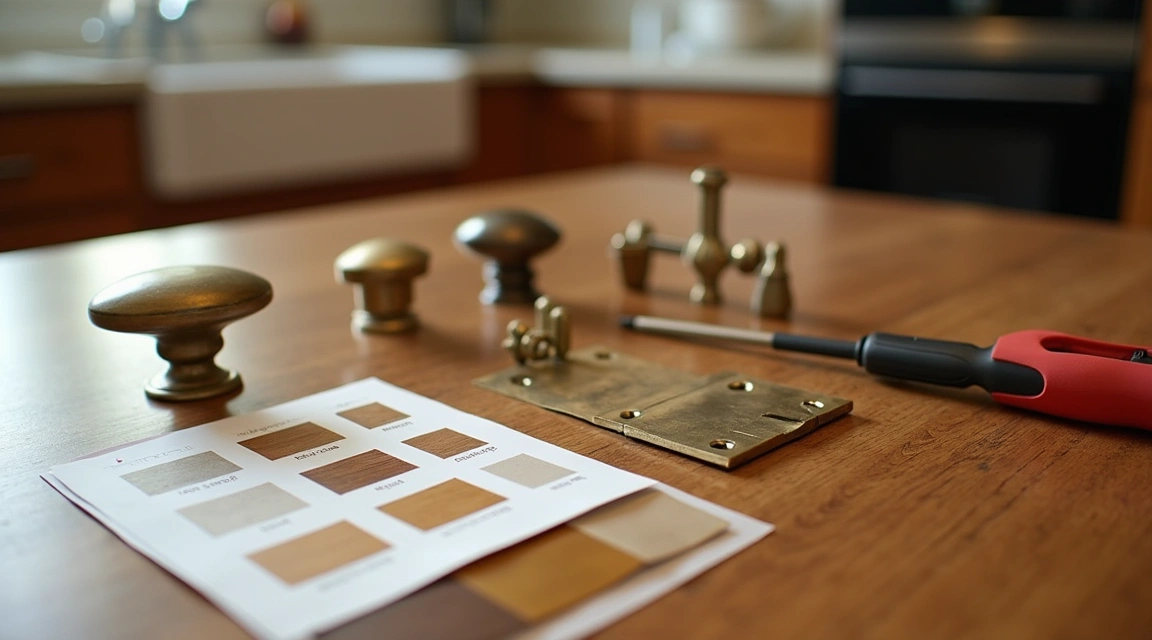
Cabinet pull length directly affects price. A three-inch center-to-center bar pull uses less brass and simpler tooling than a twelve-inch appliance pull with a decorative backplate. Knobs, because they require less metal and fewer fastening points, typically cost less per piece than handles of equivalent finish and quality. However, a kitchen with thirty doors may need sixty knobs—two per door—while the same space might use only thirty handles, so total project cost depends on door count and layout.
Backplate complexity adds another layer. A plain cylindrical knob with a single screw mount costs less to manufacture and install than a pull with an ornate rosette backplate and two machine screws. When you multiply those differences across fifteen cabinet faces, the cost gap widens. Installation labor remains similar for simple and complex hardware when a professional is involved, but DIY projects benefit from straightforward mounting systems that do not require precise alignment of decorative elements.
Drilling requirements also matter. If your existing cabinets have single-hole knob mounts and you wish to switch to pulls with two-hole spacing, new holes must be drilled and old holes filled or covered by backplates. This adds labor time and material cost for wood filler, touch-up paint, or decorative plates. Choosing hardware that matches your current hole pattern avoids these expenses and speeds the refresh process.
Comparison of Common Cabinet Hardware Options
| Option | Typical Price Range Per Piece | Durability | Patina Behavior | Best For |
|---|---|---|---|---|
| Solid unlacquered brass knob, 1.25″ diameter | Mid-range | Excellent; develops patina naturally | Tarnishes over weeks; polishes easily | Readers who enjoy living finish and plan to polish occasionally |
| Solid lacquered brass pull, 3″ center-to-center | Mid to upper-mid | Very good; coating extends tarnish-free period | Stays bright longer; lacquer may wear at contact points | Busy kitchens where low-maintenance shine is preferred |
| Plated brass-finish handle, 5″ length | Lower | Good in low-traffic areas; base metal may show over time | Surface only; core does not patina | Budget-conscious projects, guest baths, or secondary spaces |
| Antique brass pull with backplate, 4″ | Upper-mid to high | Excellent; hand-applied finish resists further aging | Pre-aged; minimal change after installation | Period-style kitchens or readers seeking instant vintage character |
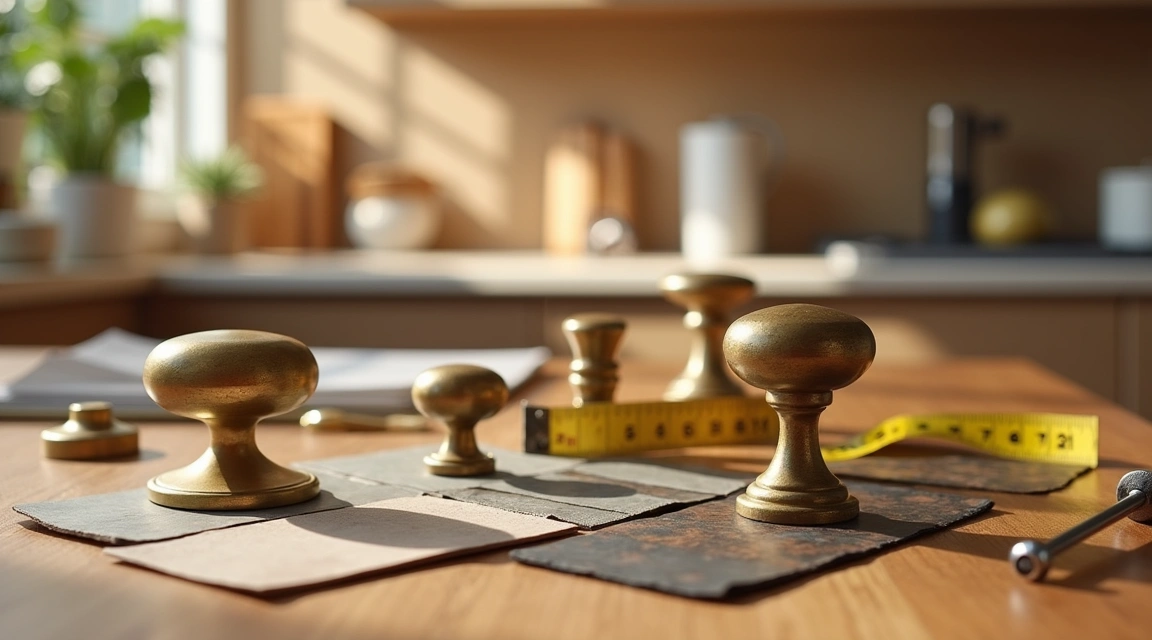
This table offers a snapshot of cost, longevity, and aesthetic behavior. Prices vary by manufacturer, order volume, and regional shipping, so treat these ranges as general guidance rather than fixed quotes. Always request samples before committing to large quantities, especially when finish consistency matters across multiple cabinet faces.
Budget-Building Factors Beyond the Hardware Itself
Shipping costs can surprise first-time buyers. Brass is heavy, and a full kitchen order—forty pulls and twenty knobs—may weigh fifteen to twenty pounds or more. Carriers charge by weight and distance, and rush shipping for out-of-stock finishes adds further expense. Ordering well ahead of your installation date allows you to choose standard ground service and avoid premium freight fees.
Quantity discounts appear at different thresholds depending on the maker. Some small-batch brass workshops offer price breaks starting at twenty pieces; larger manufacturers may require fifty or more. If your project falls just below a discount tier, consider whether adding a few extra pieces for future replacements or a second room justifies the bulk rate. Having spares on hand also protects against discontinued styles when you need to replace a damaged pull years later.
Returns and restocking fees matter when finish or size does not match expectations. Many custom or made-to-order brass items carry restocking charges ranging from fifteen to twenty-five percent, and some artisan producers do not accept returns on finished goods. Ordering samples or visiting a showroom before placing a full order reduces the risk of costly mismatches.
For readers exploring broader Cabinet Hardware Prices across different materials and styles, comparing brass against bronze, stainless steel, or ceramic options can clarify which finish offers the best balance of cost, durability, and visual warmth for your specific project.
Recommendations by Project Type
If you are updating a rental property or guest bathroom where budget is the primary constraint and patina is not part of the design vision, plated brass-finish knobs offer an affordable refresh. Choose simple round or oval shapes with single-screw mounts to minimize installation time, and plan to replace them if the coating wears after several years of moderate use.
For a primary kitchen renovation where you cook daily and want hardware that ages gracefully, solid unlacquered brass pulls provide long-term value. Accept that the finish will darken and develop character, and plan to polish high-touch pieces once or twice a year if you prefer consistent brightness. The upfront cost is higher than plated options, but you avoid future replacement cycles and gain the satisfaction of a living material.
When you are restoring a vintage home or aiming for period authenticity, antique brass pulls with decorative backplates justify their premium by delivering instant aged character. Pair them with matching hinges and latch hardware to unify the design, and budget for professional installation if alignment of ornate backplates exceeds your comfort level with drilling and shimming.
In a modern farmhouse or transitional kitchen where you want the warmth of brass without ongoing patina management, lacquered brass handles strike a practical middle ground. The clear coat extends the time between polishing sessions, and the clean lines of contemporary pull designs keep the look fresh rather than overtly traditional.
Cost-Saving Strategies Without Compromising Quality
Mixing hardware types strategically can trim your budget while preserving visual impact. Use more expensive decorative pulls on drawer fronts and cabinet doors at eye level, and choose simpler knobs for upper cabinets and less-visible base units. This approach concentrates spending where guests and household members interact most, and the finish consistency across all pieces maintains a cohesive look.
Shopping during off-peak seasons or end-of-year clearance events can yield discounts on overstock finishes or discontinued styles that still meet your design goals. Manufacturers refresh product lines periodically, and last season’s antique brass pull may be identical in quality to this year’s release but available at a reduced price.
Ordering directly from small-batch makers or regional foundries sometimes costs less than purchasing through big-box retailers who add markup layers. Many artisan brass shops list inventory online and ship nationwide, and their customer service can guide finish selection and quantity planning without sales pressure.
Final Considerations Before You Order
Review your cabinet door and drawer count carefully, noting which pieces need pulls versus knobs and whether any large pantry doors or appliance panels require oversized handles. Double-check center-to-center measurements on existing holes to confirm compatibility, and photograph current hardware in natural light so you can compare finish samples accurately.
Ask suppliers about lead times for each finish option. Unlacquered and lacquered brass often ship faster than custom antique patinas, and knowing the production schedule prevents installation delays. If you are working with a contractor on a fixed timeline, share hardware delivery dates early so cabinetry work can proceed in the right sequence.
Request care instructions specific to your chosen finish. Unlacquered brass benefits from occasional lemon juice or specialized brass polish, while lacquered pieces should be cleaned only with mild soap and water to avoid damaging the topcoat. Understanding maintenance requirements before installation helps you set realistic expectations and avoid finish issues caused by harsh cleaners.
Cabinet hardware sits at the intersection of function and style, touched dozens of times each day and visible in every room view. By mapping size, finish, and installation variables to your project’s budget and aesthetic priorities, you build a cost plan that delivers both practical durability and the warm, timeless character that solid brass brings to kitchen and bath spaces.
—
**SEO Title:** Cabinet Pull Size and Finish Decisions That Affect Your Final Hardware Cost
Understand how brass cabinet pull size, finish treatment, and installation factors shape hardware pricing. Compare unlacquered, lacquered, and antique options with a practical cost checklist.
Cabinet Hardware Prices
brass cabinet hardware, unlacquered brass pulls, lacquered brass, antique brass finish, cabinet knob cost, hardware budget planning, solid brass durability
**Material Visual Brief:** Close view of two brass cabinet pulls side by side—one unlacquered showing early patina, one lacquered with a bright mirror finish—resting on a white countertop beside a tape measure and installation template, natural window light, kitchen renovation setting.