
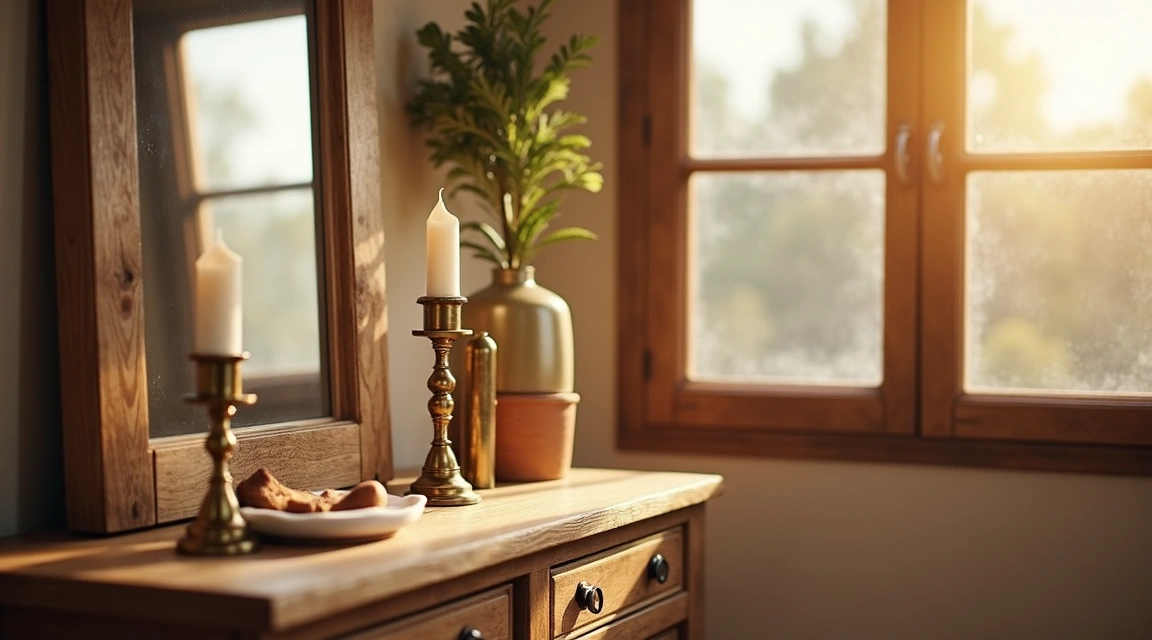
When I renovated my first home five years ago, I made the rookie mistake of choosing hardware purely on looks. The gleaming brass-toned cabinet pulls and door handles looked stunning in the showroom, but within six months, the finish started peeling to reveal cheap zinc underneath. That expensive lesson taught me the difference between solid brass and brass-plated hardware—a distinction that matters far more than most homeowners realize.
Solid brass hardware represents one of the smartest investments you can make in your home. Unlike plated alternatives, genuine brass consists of copper and zinc alloy throughout the entire piece, not just on the surface. This means it won’t chip, flake, or reveal a different metal underneath. While the upfront cost runs higher, the longevity and timeless appeal make it worthwhile for anyone planning to stay in their home or hoping to add lasting value.
Why Solid Brass Hardware Stands Out
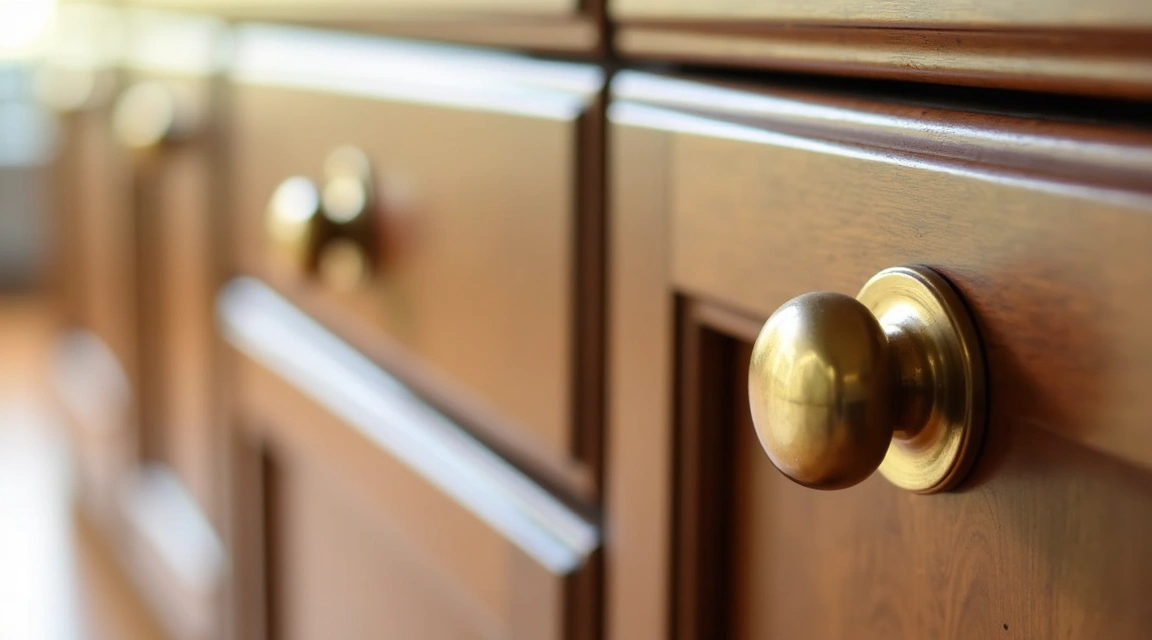
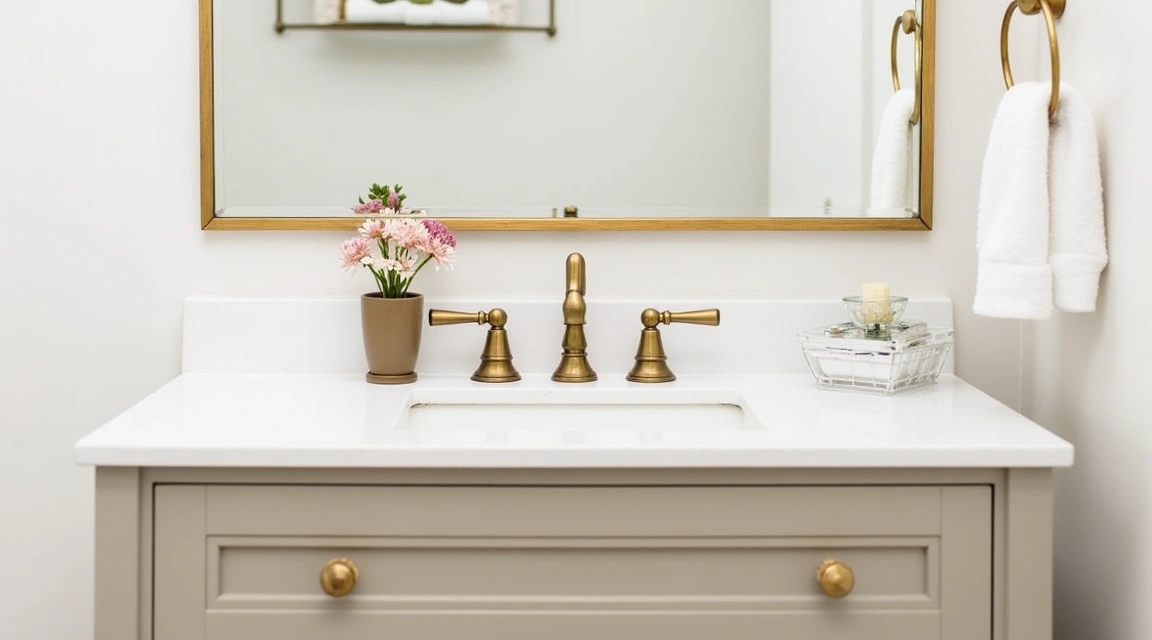
The advantages of genuine brass hardware go well beyond aesthetics. First, durability tops the list. Solid brass resists corrosion naturally, making it ideal for humid environments like bathrooms and coastal homes where moisture wreaks havoc on lesser materials. I installed solid brass bathroom fixtures in my guest bath, and even after years of steam and water exposure, they look as good as the day I hung them.
Weight tells you a lot. Pick up a solid brass door knob and you’ll immediately feel the difference. It has substantial heft that communicates quality. That weight isn’t just for show—it indicates the hardware will withstand daily use without loosening, wobbling, or breaking. My solid brass entry set has endured thousands of door closings, and the mechanism still operates smoothly with zero play in the handle.
Brass develops a natural patina over time, which many people find beautiful. If you prefer the original polished look, a quick buff brings back the shine. This versatility means your hardware can evolve with your style preferences. I’ve left some of my brass cabinet pulls to develop that warm, lived-in patina while keeping my front door hardware polished bright—both approaches work beautifully.
The environmental angle matters too. Brass is completely recyclable and contains no toxic coatings or finishes that off-gas into your home. When you eventually remodel decades down the road, that solid brass hardware has resale value and won’t end up as landfill waste.
The Honest Drawbacks You Should Know
Let me be straight about the downsides. Cost hits first. Solid brass hardware typically runs three to five times more than brass-plated alternatives. A single solid brass door lever set can easily cost between eighty and two hundred dollars, while a plated version might run twenty to forty dollars. For a whole-house renovation, that difference adds up quickly. When I outfitted my kitchen, twelve cabinet pulls cost more than I paid for the faucet.
Maintenance requirements exist, though they’re often overstated. Polished brass does require occasional cleaning to maintain its shine. I spend maybe fifteen minutes every few months wiping down my brass hardware with a soft cloth and mild brass cleaner. It’s not burdensome, but it’s definitely more than the zero maintenance required by stainless steel or oil-rubbed bronze finishes.
The patina development that some love represents a dealbreaker for others. If you want hardware that looks identical to installation day forever, you’ll need to commit to regular polishing or choose a lacquered solid brass option. The lacquer protects against tarnish but can eventually wear through in high-contact areas.
Weight, while generally a positive, can pose installation challenges. Solid brass hardware requires sturdy mounting. I learned this when installing heavy brass cabinet pulls on a vintage cabinet with thin doors—I needed to reinforce the mounting points to prevent the wood from splitting. Modern cabinets handle the weight fine, but older furniture may need extra attention.
Style trends create another consideration. While brass has roared back into popularity after years of brushed nickel dominance, design trends do shift. That said, solid brass has proven its staying power across centuries, outlasting countless trendy finishes that come and go.
Who Should Invest in Solid Brass Hardware
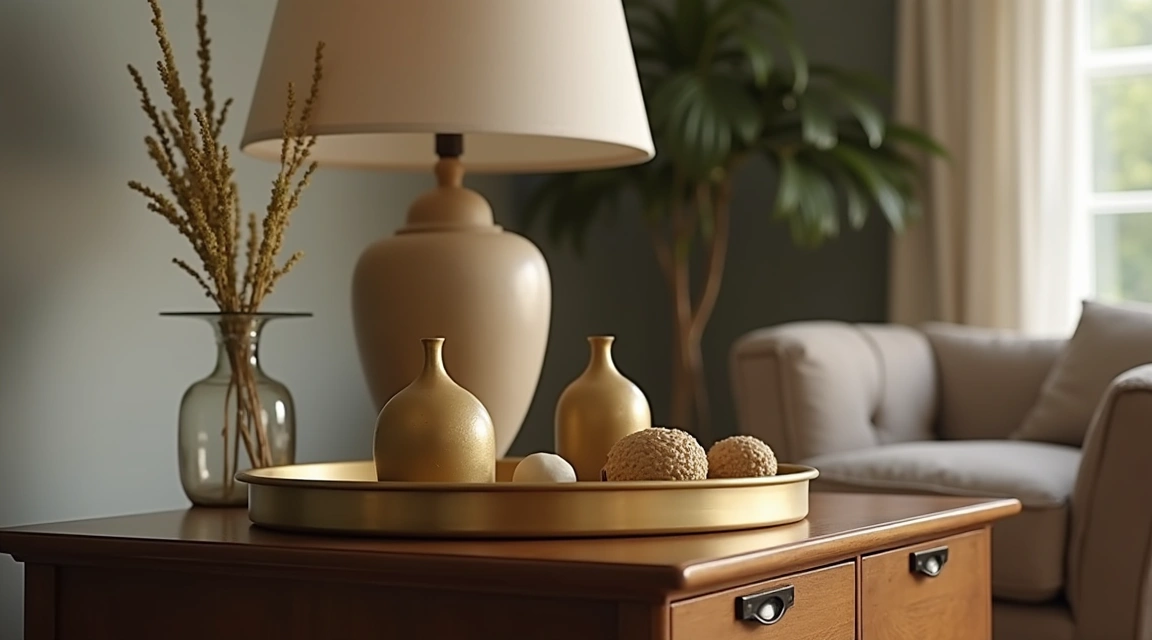
Solid brass hardware makes the most sense for homeowners committed to quality and longevity. If you’re planning to stay in your home for at least five to ten years, the investment pays off through durability alone. I recommend it particularly for:
- Historic home renovations where authenticity matters—solid brass matches the quality of original hardware
- High-traffic areas like front doors, pantries, and frequently used cabinets where durability prevents replacement costs
- Coastal or humid environments where corrosion resistance provides real functional value
- Luxury renovations where the weight and feel of solid brass elevate the entire project
- Sustainable building projects that prioritize recyclable, long-lasting materials
Conversely, solid brass may not suit renters, flip projects with tight budgets, or anyone who changes decor styles frequently. If you’re outfitting a rental property, the return on investment probably won’t justify the expense when tenants won’t necessarily appreciate or maintain the hardware properly.
For my own home, I take a strategic approach. I invested in solid brass for the front door, master bathroom, and kitchen cabinets—the spaces I interact with daily and where guests notice quality. Guest bedrooms and utility areas got good-quality plated hardware that still looks great but didn’t blow the budget.
What to Look for When Shopping
Verifying authenticity matters because many retailers don’t clearly distinguish between solid brass and plated alternatives. Look for explicit labeling that says “solid brass” or “unlacquered brass.” Terms like “brass finish” or “brass-toned” usually indicate plating over another base metal.
Check the weight and examine any exposed areas like screw holes or the back of the hardware. Solid brass shows the same golden color throughout. If you see silver, gray, or another color at the edges, you’re looking at plated hardware.
Reputable manufacturers typically mark their solid brass products clearly because it’s a selling point. When shopping online, I always read the full product description and specifications rather than relying on the photo alone.
Consider the finish carefully. Unlacquered brass develops patina and requires more maintenance but offers the most authentic look. Lacquered solid brass resists tarnish longer but may show wear in high-contact spots. Living finish brass falls between these options, with a light protective coating that allows gradual patina development.
Frequently Asked Questions
How can I tell if my existing hardware is solid brass or plated?
The magnet test works well—brass is non-magnetic, so if a magnet sticks, you have plated steel or iron underneath. Weight provides another clue; solid brass feels substantially heavier than plated alternatives of the same size. Finally, check any wear spots or edges. If you see a different colored metal showing through, it’s plated. Solid brass remains golden throughout.
Will solid brass turn my hands green?
This can happen, especially with unlacquered brass in humid conditions or if you have acidic skin chemistry. The green comes from copper in the brass reacting with moisture and oils. It’s harmless and washes off easily. Lacquered brass eliminates this issue entirely, and it becomes less common as the brass develops patina. I occasionally notice it in summer but never considered it a serious problem.
Is solid brass worth it for cabinet hardware throughout an entire kitchen?
This depends on your budget and priorities. The durability advantage is real—you’ll likely never need to replace solid brass cabinet hardware. However, cabinets experience less stress than doors, so quality plated hardware also holds up well in this application. I’d prioritize solid brass for drawers and cabinets you use multiple times daily, and consider plated options for upper cabinets or decorative pieces you rarely touch. This hybrid approach saves money while putting solid brass where it matters most.