
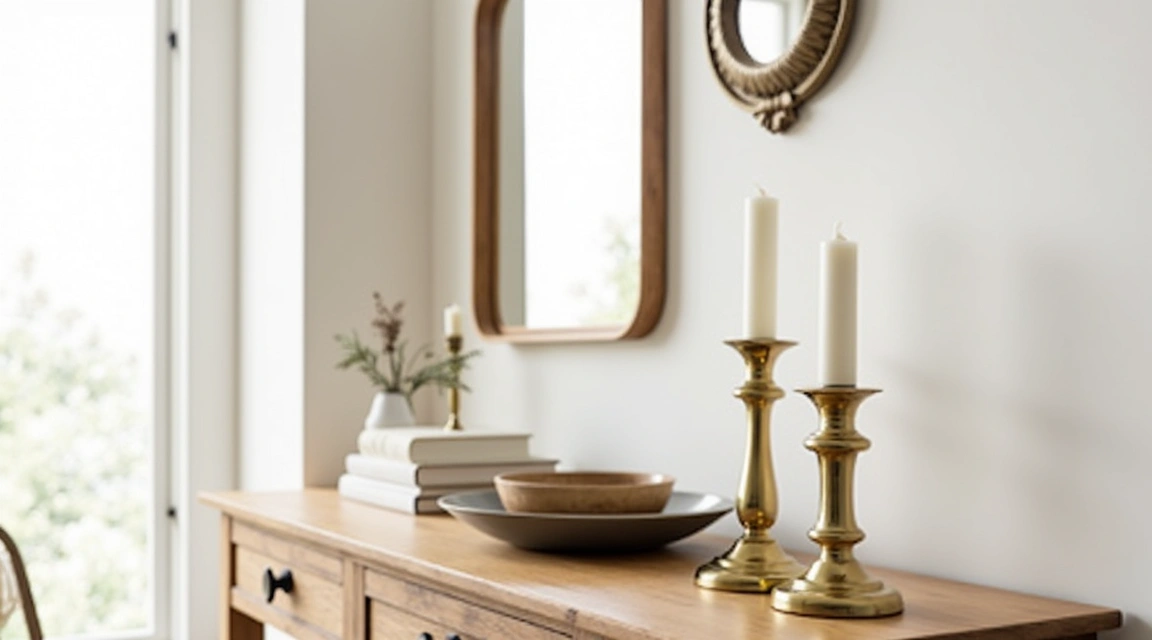
Choosing the right cabinet pull can transform a kitchen or bathroom from ordinary to outstanding. Traditional cabinet pull styles bring timeless elegance and proven functionality to any space, but matching the right design to your home’s character requires understanding which styles fit where and why. This guide walks you through the most popular traditional pull designs, compares their strengths and ideal placements, and helps you make confident decisions for your renovation or new build project.
Traditional pulls differ from modern minimalist hardware in their decorative detail, historical roots, and the warmth they add to cabinetry. Whether you’re restoring a Victorian-era home or simply prefer classic aesthetics in a new construction, understanding the comparison points between traditional styles ensures your hardware choices enhance rather than clash with your overall design vision.
Understanding Traditional Cabinet Pull Categories
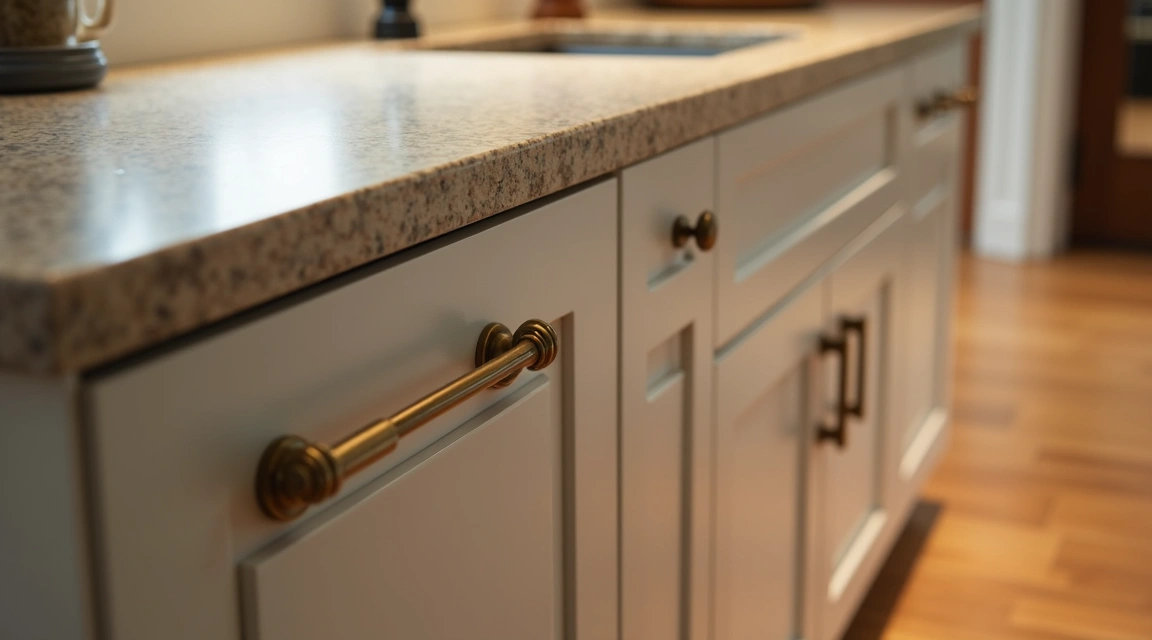
Traditional cabinet pulls fall into several distinct style families, each with specific visual signatures and historical origins. The main categories include cup pulls, bail pulls, ring pulls, and bar pulls with decorative backplates. Cup pulls, also called bin pulls, feature a half-circle or rectangular cup shape that your fingers grip from below. These originated in workshop and apothecary furniture where drawers needed frequent, easy access.
Bail pulls consist of a curved handle suspended between two posts or a decorative backplate. This design traces back to European furniture from the 1700s and remains popular in traditional kitchens today. Ring pulls use a circular ring hanging from a decorative rosette or lion’s head mount, evoking classical and Georgian design periods. Bar pulls with ornate backplates combine the straight-line functionality of modern pulls with the decorative elements of traditional hardware.
Each category serves different functional and aesthetic purposes. Cup pulls work best on drawers where you pull straight out, while bail and ring pulls suit both drawers and cabinet doors. Bar pulls with backplates offer the widest grip surface and make a strong visual statement on larger cabinet faces.
Caution: Not all “traditional” hardware is created equal in quality. Lower-cost reproductions may use thin stamped metal that bends or finishes that wear quickly, while quality pieces use solid brass or zinc alloy with durable plating that lasts decades.
Step 1: Match Pull Style to Cabinet Door and Drawer Types
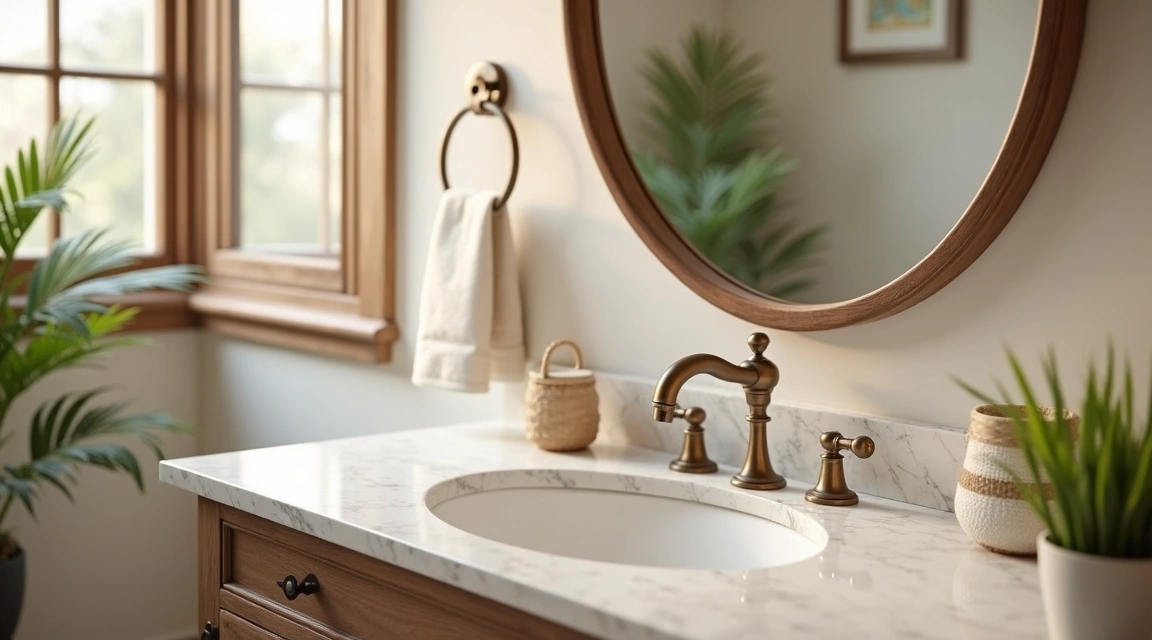
Begin by examining your cabinet construction and door styles. Raised-panel doors with pronounced frames suit ornate bail pulls or ring pulls that echo the door’s dimensional detail. Flat-panel or recessed-panel doors in traditional kitchens work better with simpler cup pulls or streamlined bail designs that don’t compete visually with the door surface.
Drawer fronts generally accommodate cup pulls beautifully because the pulling motion aligns with the cup shape. Deep drawers benefit from longer cup pulls or bail pulls with wider spans, giving you better leverage when opening heavy pot drawers or utensil storage. Shallow drawers for cutlery or spices can use smaller cup pulls or even knobs paired with pulls elsewhere for variety.
Cabinet doors above countertops typically receive bail or ring pulls mounted vertically near the opening edge. This placement feels natural when you reach up to open upper cabinets. Lower cabinet doors can use the same style for consistency, mounted on the upper corner of the door for ergonomic access.
Caution: Oversized pulls on small drawer or door fronts create visual imbalance and may interfere with adjacent cabinet operation. Measure your cabinet face dimensions before selecting pull sizes to ensure proportional fit.
Step 2: Compare Finish Options and Longevity
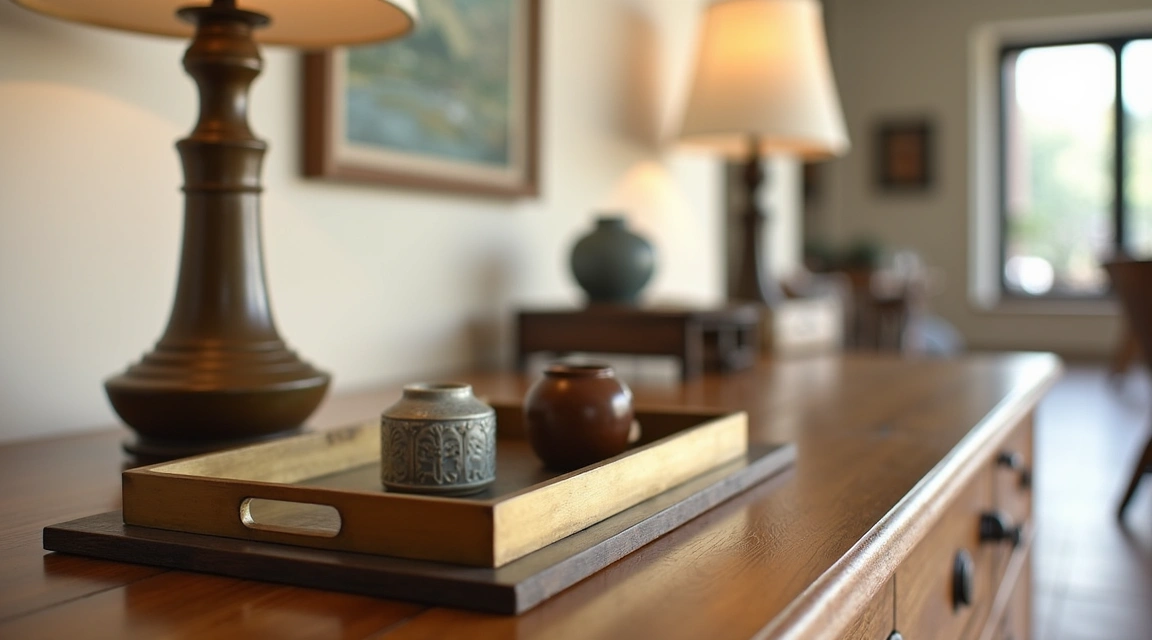
Traditional cabinet pulls come in numerous finish options, each with different maintenance needs and aging characteristics. Oil-rubbed bronze shows a dark, nearly black base with bronze highlights that deepen over time as the finish develops a natural patina. This finish hides fingerprints well and suits medium to dark wood cabinetry beautifully.
Antique brass and polished brass offer warm gold tones that range from subdued aged looks to bright shine. Polished brass requires regular cleaning to maintain its gleam, while antique brass finishes are pre-aged and more forgiving of daily use. Both pair exceptionally well with cream, white, or natural wood cabinets in traditional settings.
Satin nickel and polished nickel provide cooler-toned options that work in traditional spaces with gray or white color schemes. These finishes resist tarnishing better than brass but show water spots more readily in high-use areas. Brushed finishes in any metal hide minor scratches and fingerprints better than polished surfaces.
Consider your home’s humidity and use patterns when comparing finishes. Coastal areas or homes with high humidity may see faster tarnishing on brass finishes, while nickel finishes hold up better in these conditions. Kitchens with frequent cooking and hand-washing benefit from finishes that resist showing every touch.
Caution: Mixing metal finishes in a single kitchen requires careful planning. Generally, limit yourself to two metal tones maximum, using one for cabinet hardware and another for plumbing fixtures or lighting to maintain cohesive design.
Step 3: Determine Proper Pull Size and Mounting Centers
Cabinet pull sizing uses “center-to-center” measurements, indicating the distance between mounting screw holes. Common traditional pull sizes include 3-inch, 3.75-inch, 4-inch, and 5-inch centers, with larger sizes available for oversized drawers or applications. Your cabinet drawer or door width determines appropriate pull size using a simple proportion rule.
For drawers, the pull should span approximately one-third to one-half the drawer width for balanced appearance. A 12-inch wide drawer looks proportional with a 3 to 4-inch pull, while an 18-inch drawer accommodates a 5 to 6-inch pull comfortably. Very wide drawers of 24 inches or more sometimes use two smaller pulls rather than one oversized piece.
Vertical placement on drawers typically centers the pull horizontally and positions it in the upper third of the drawer face for comfortable access without bending. On cabinet doors, pulls mount on the rail (horizontal frame piece) rather than the stile (vertical frame) when possible, approximately 2 to 3 inches from the edge nearest the door opening.
Before drilling, create a simple template from cardboard marking your chosen pull’s mounting centers. Test the template placement on each cabinet to ensure consistent alignment and comfortable operation. This preview step prevents costly drilling mistakes on finished cabinetry.
Caution: Mounting pulls on thin drawer fronts or cabinet doors requires appropriate screw length. Screws that penetrate too far inside drawers can catch on stored items, while screws too short won’t secure the pull properly and will work loose over time.
Step 4: Assess Where Each Traditional Style Fits Best
Cup pulls fit naturally in farmhouse kitchens, butler’s pantries, apothecary-style bathrooms, and any space evoking early American or European country design. Their horizontal orientation and simple grip make them ideal for kitchens where you open drawers frequently while cooking. Pairing cup pulls on drawers with simple knobs on cabinet doors creates classic traditional balance.
Bail pulls with ornate backplates suit formal dining room built-ins, library cabinetry, and traditional bathrooms with furniture-style vanities. Their suspended handle design adds dimension and shadow detail that enhances rich wood finishes. Bail pulls work especially well in spaces with crown molding, chair rails, and other architectural millwork because they share the same dimensional design language.
Ring pulls bring Mediterranean, English country, or classical revival character to kitchens and bathrooms. They pair beautifully with natural stone countertops, exposed beam ceilings, and spaces that reference historical European design periods. The circular ring shape softens the linear patterns of cabinet boxes and creates visual interest without overwhelming traditional decorative elements already present in the room.
Bar pulls with decorative backplates offer the most versatile traditional option, working in transitional spaces that blend traditional warmth with cleaner lines. These pulls suit kitchens in colonial, craftsman, or traditional homes built in the last 30 years where homeowners want classic character without heavy ornamentation.
Caution: Avoid mixing too many pull styles within a single continuous kitchen space. Select one primary pull style for most cabinets and drawers, using a complementary knob style sparingly on specific doors or drawers for intentional accent rather than confused variety.
Step 5: Consider Functional Differences Between Traditional Styles
Beyond aesthetics, traditional pull styles differ meaningfully in how they feel and function during daily use. Cup pulls offer the most secure grip, especially helpful when hands are wet or greasy during cooking. The cup shape naturally guides fingers into position without requiring you to look at the pull while opening drawers—a subtle but valuable benefit in busy kitchens.
Bail pulls provide excellent leverage for heavy drawers because the curved handle distributes pulling force across your entire hand rather than concentrating pressure on fingertips. However, the suspended bail can swing or rattle slightly, and young children sometimes treat them as toys. Quality bail pulls use tight-fitting posts that minimize movement while still allowing the handle to hang naturally.
Ring pulls give the least surface area for gripping but create less visual weight on cabinet faces, making them ideal when you want hardware to recede rather than dominate. The ring can rotate freely, which some users find less stable than fixed pulls, while others appreciate the ability to position the ring at any angle for varied gripping positions.
Bar pulls with backplates offer the widest gripping surface and the most contemporary feel among traditional styles. The backplate protects cabinet finishes from hand oils and wear around the mounting area, a practical advantage in heavily used kitchens. However, these pulls project farther from the cabinet face than cup or flush-mounted ring pulls, requiring clearance consideration in tight spaces.
Caution: Test physical samples before committing to a full kitchen’s worth of pulls. Hardware that photographs beautifully may feel awkward in hand or may not provide the grip comfort you need for daily use over many years.
Step 6: Plan Coordinating Elements Throughout Your Space
Cabinet pulls don’t exist in isolation. Successful traditional hardware selection considers coordination with your home’s other metallic elements, including plumbing fixtures, lighting, door hardware, and appliances. Matching metal finishes creates cohesion, though exact shade matching across different manufacturers isn’t always necessary or desirable.
If your kitchen features a traditional bridge faucet in polished nickel, choosing pulls in satin or brushed nickel creates family resemblance while the different textures prevent matchy monotony. Oil-rubbed bronze pulls pair naturally with similar-finish lighting pendants over an island or sink. When selecting cabinet hardware, consider which pieces will show simultaneously in sight lines so coordinating finishes appear together visually.
Traditional spaces benefit from layering several metal tones intentionally rather than forcing everything to match. A common approach uses warm-toned brass or bronze for cabinet hardware and lighting while incorporating cooler stainless steel appliances as neutral elements that don’t compete. Door hinges and other utilitarian hardware can match cabinet pulls or remain in subtle oil-rubbed bronze that blends into woodwork.
Beyond metal finishes, consider how pull styles coordinate with your cabinetry’s decorative elements. Pulls with beaded details echo beaded inset cabinet construction, while smooth bail pulls suit traditional face-frame cabinets with cleaner profiles. Matching the design density between hardware and cabinetry creates balanced, intentional appearance.
Caution: Hardware trends change faster than cabinetry, so choose traditional pull styles and finishes you genuinely love rather than following temporary fashion. Quality traditional hardware remains appropriate and beautiful for decades when selected thoughtfully from the start.
Common Mistakes When Comparing Traditional Pull Styles
Many homeowners select pulls based solely on individual beauty without considering how 20 or 30 identical pieces will look repeated across an entire kitchen. A single ornate bail pull may be stunning, but a kitchen full of highly decorative hardware can overwhelm the space and compete with countertops, backsplash, and other design elements. Step back and visualize repetition before finalizing your choice.
Another frequent error involves mismatching pull scale to cabinet scale. Delicate cup pulls on massive pot drawers look undersized and feel inadequate when pulling heavy loads, while oversized ornate pulls on small bathroom vanity drawers create top-heavy visual imbalance. Always proportion hardware size to the cabinet face dimensions and expected use intensity.
Ignoring installation practicalities causes problems discovered too late. Some traditional pulls with complex backplates require recessed mounting or specific screw head types that complicate DIY installation. Ring pulls need clearance for the ring to hang properly, which may not work on cabinets with narrow rails or specific frame configurations. Verify mounting requirements match your cabinet construction before purchasing.
Budget mistakes happen when homeowners purchase the least expensive traditional-style pulls available, then face tarnishing, bent handles, or loose mounts within months. Quality traditional cabinet hardware represents a modest portion of total kitchen costs but delivers daily satisfaction and longevity that cheap reproductions cannot match. Spending appropriately on hardware that will be touched thousands of times protects your larger cabinetry investment.
Finally, many people neglect to order samples before committing. Finish and style names vary between manufacturers, and computer screens don’t accurately convey metal tones, surface textures, or the physical feel of different pull designs. Ordering two or three sample pulls in your top choices costs modestly but prevents expensive regret after installing hardware throughout your home.
Making Your Final Traditional Pull Selection
Traditional cabinet pull styles offer proven beauty and functionality that enhance kitchens, bathrooms, and built-in cabinetry throughout your home. By understanding where cup pulls, bail pulls, ring pulls, and decorative bar pulls each fit best, you can make informed comparisons that lead to confident hardware choices. Match pull styles to your cabinet construction, select appropriate sizes and finishes, consider functional differences, and coordinate with your space’s other design elements for cohesive results.
Start by identifying your home’s primary traditional design influence—whether farmhouse, colonial, European country, or classical revival—then narrow your pull style options to those that authentically support that design language. Test physical samples to confirm both visual appeal and comfortable grip, and verify mounting compatibility with your specific cabinetry before ordering full quantities.
Quality traditional cabinet pulls deliver decades of reliable service and timeless beauty when selected thoughtfully. Take time to compare styles using the framework outlined here, and you’ll enjoy hardware that feels right in your hand and looks perfect on your cabinets every day for years to come.