
Traditional cabinet pulls remain a cornerstone of kitchen and furniture design, offering both functional grip and decorative character. Unlike modern minimalist handles or integrated edge pulls, traditional styles draw from historical metalworking techniques and architectural precedents that span centuries. These classic designs continue to suit a wide range of interiors, from restored Victorian homes to new-build kitchens seeking warmth and familiarity.
Understanding which traditional pull style fits your cabinetry involves more than aesthetic preference. Drawer depth, door weight, hand clearance, and the visual scale of your room all play roles in selecting hardware that works well in daily use. This guide examines established traditional pull categories, compares their practical characteristics, and offers recommendations based on common cabinet scenarios.
Criteria for Evaluating Traditional Cabinet Pulls
Before comparing specific styles, consider the functional and design criteria that determine whether a pull will serve your space effectively.
Ergonomic Grip: Traditional pulls vary in how they sit in the hand. Bail pulls and cup pulls offer a loop or recessed grip that accommodates multiple fingers, making them suitable for heavy drawers. Bar pulls and bin pulls provide a straightforward horizontal grasp. The diameter of the metal, the distance the pull projects from the cabinet face, and the curvature of the grip all affect comfort during repeated daily use.
Visual Proportion: A pull that looks balanced on a narrow drawer may overwhelm a small door or vanish on a wide pantry front. Traditional design principles suggest that pull width should relate to the cabinet width, often falling between one-third and one-half the width of a drawer front. Doors typically use knobs or smaller pulls placed near the opening edge. Oversized pulls can dominate cabinetry, while undersized hardware may appear lost or difficult to locate quickly.
Clearance and Installation Depth: Some traditional pulls project several inches from the cabinet surface, which can interfere with adjacent walls, appliances, or walkways in tight kitchen layouts. Backplate-mounted pulls add thickness, and ornate castings may require specific screw lengths or cabinet-door thickness to mount securely. Always verify the pull’s projection measurement and compare it to your available clearance before purchasing.
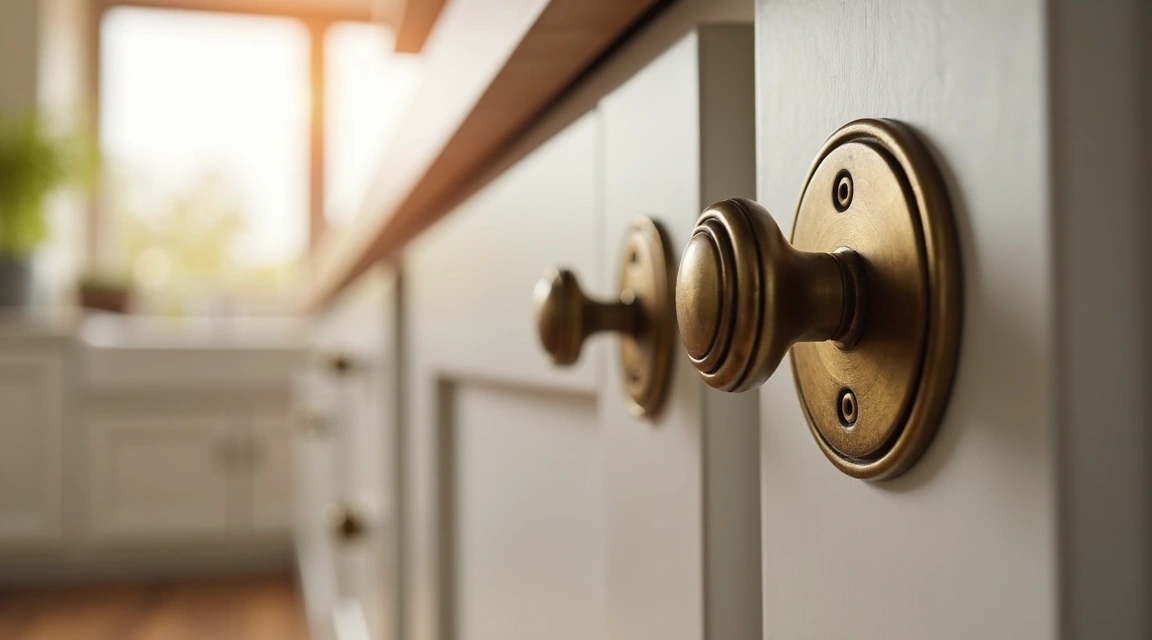
Finish Durability: Traditional brass, bronze, and iron finishes develop patina over time, which many homeowners value as part of the aesthetic. Others prefer lacquered or sealed finishes that resist tarnish. Polished nickel and chrome finishes are less common in strictly traditional contexts but appear in transitional designs. Consider whether you are willing to maintain a living finish or prefer a stable, protective coating.
Mounting Configuration: Most traditional pulls use two screws spaced on standard centers—common distances include 3 inches, 3.75 inches, and 96 millimeters (approximately 3.78 inches). Bail pulls often mount on posts that pass through the drawer front and secure with nuts on the interior. Cup pulls recess into a drilled or routed cavity. Confirm your existing hole spacing if replacing hardware, or plan new holes with a drilling jig for consistent alignment.
Comparison of Traditional Cabinet Pull Styles
The table below compares four widely used traditional pull styles across key practical dimensions. Each style has historical roots and suits particular cabinet types and room aesthetics.
| Pull Style | Grip Ergonomics | Best Use Case | Projection from Cabinet | Typical Aesthetic Context |
|---|---|---|---|---|
| Bail Pull (Drop Pull) | Comfortable multi-finger loop; easy to grasp from below | Heavy drawers, tool chests, dresser fronts | Moderate to high; handle swings freely | Georgian, Federal, Colonial Revival, traditional libraries |
| Cup Pull (Bin Pull) | Recessed finger grip; less projection means less interference | Kitchen drawers, utility cabinets, pantries | Low; pull sits partially within routed cavity | Shaker, farmhouse, vintage apothecary, utilitarian workshops |
| Ornate Backplate Pull | Decorative backplate adds visual weight; grip comfort varies by bar design | Furniture-grade cabinetry, bathroom vanities, formal dining built-ins | Moderate; backplate adds thickness | Victorian, French Provincial, Baroque Revival, formal living spaces |
| Simple Bar Pull (Wire Pull) | Straightforward horizontal grasp; minimal ornamentation | Everyday kitchen cabinets, utility rooms, transitional designs | Low to moderate; clean profile | Arts & Crafts, Shaker, transitional traditional, cottage kitchens |
This comparison highlights that no single traditional style dominates all scenarios. Bail pulls excel where drawer weight and frequent use demand a robust grip. Cup pulls solve clearance problems in narrow galleys or where cabinet doors open near walls. Ornate backplate pulls serve rooms where decorative detail reinforces period authenticity. Simple bar pulls bridge traditional and contemporary tastes, fitting spaces that value restraint over embellishment.
Recommendations by Cabinet Type and Room Context
For Heavy Kitchen Drawers (Pots, Utensils, Dishware): Bail pulls and substantial bar pulls offer the best ergonomic advantage. The swinging loop of a bail pull distributes pull force evenly and accommodates gloves or wet hands. Choose a finish that tolerates frequent contact—oil-rubbed bronze and unlacquered brass age gracefully without showing every fingerprint. Avoid delicate ornate pulls with thin castings, which may bend under repeated force.
For Upper Cabinet Doors: Smaller pulls or knobs work well because door weight is lower and the opening motion is less forceful than drawer operation. A simple bar pull in a shorter length maintains visual consistency with lower cabinetry without overwhelming the smaller door panel. Cup pulls are less common on doors but can work on tall pantry doors where a recessed grip prevents interference with adjacent walls.
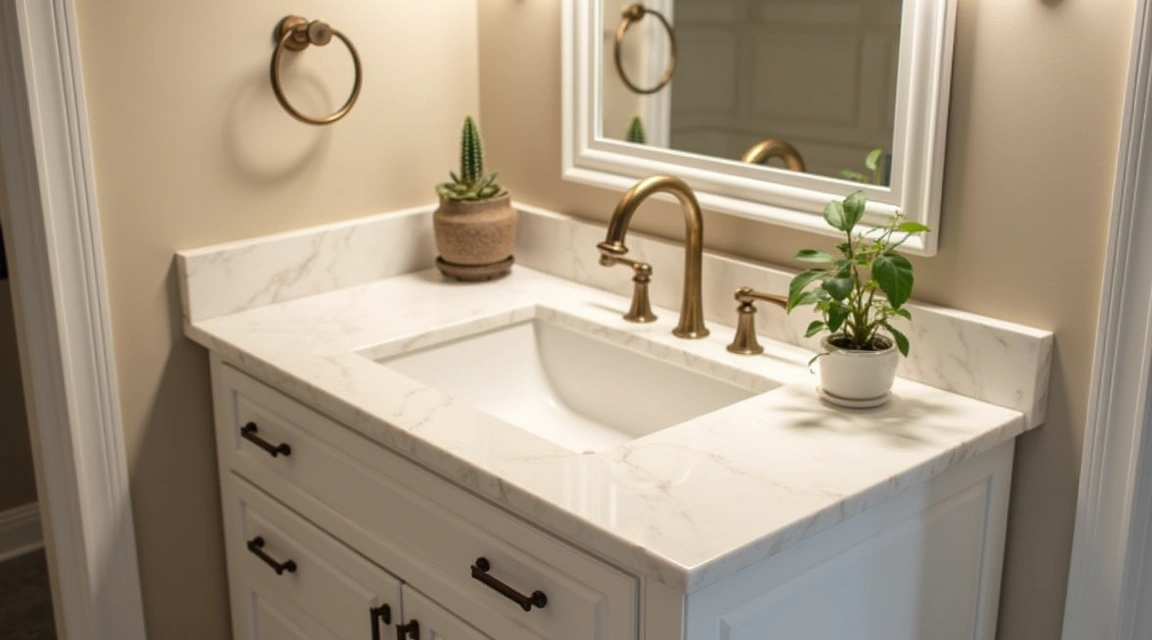
For Bathroom Vanities and Powder Rooms: Ornate backplate pulls or decorative bar pulls reinforce the traditional character often desired in these spaces. Bathroom cabinets typically hold lighter items—towels, toiletries, grooming tools—so grip strength is less critical than aesthetic harmony. Polished nickel and chrome finishes resist moisture better than raw brass, though many traditional enthusiasts prefer the patina that develops on unsealed metals.
For Furniture-Style Built-Ins and Libraries: Bail pulls and ornate backplate pulls enhance the furniture-like quality of custom millwork. These pulls often feature cast details, rosettes, or embossed patterns that echo woodwork moldings and trim. In a formal library or study, matching pulls to hinges, escutcheons, and other visible hardware creates a cohesive, intentional design.
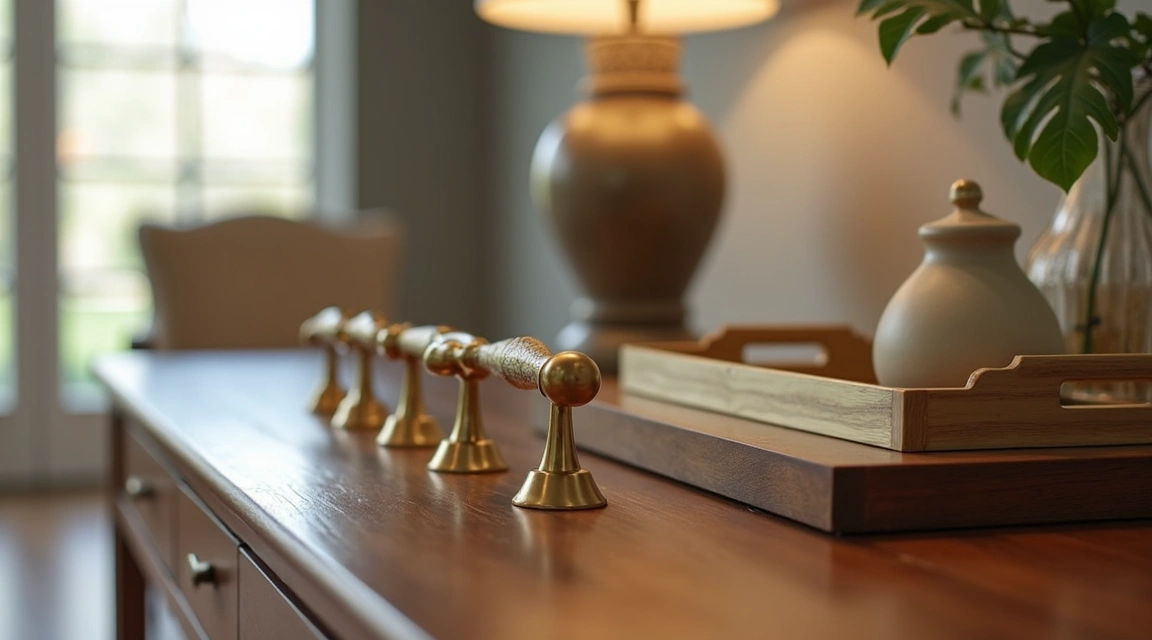
For Transitional Kitchens Blending Old and New: Simple bar pulls in unlacquered brass or aged bronze offer traditional warmth without heavy ornamentation. This approach suits homeowners who want the character of traditional materials but prefer the cleaner lines associated with modern design. Pairing bar pulls with Shaker-style cabinetry and neutral paint colors allows the metal finish to serve as the primary historical reference.
If you are exploring a broader range of hardware options, our Cabinet Hardware section includes comparisons of knobs, latches, and hinges that complement traditional pulls.
Practical Installation and Maintenance Considerations
Accurate drilling is essential for traditional pulls, especially bail pulls and cup pulls. Bail pulls require two holes for mounting posts, and any misalignment will tilt the pull visibly. Use a drilling jig or template to ensure consistent spacing across all drawers. Cup pulls need a routed or drilled cavity, typically requiring a Forstner bit or router with a template guide. Measure the pull’s base dimensions carefully and test the fit on scrap material before working on finished cabinetry.
Backplate pulls add an extra layer: the backplate must sit flush against the cabinet surface, and any warp in the wood or unevenness in the finish can prevent proper seating. Sand high spots or use thin shims if necessary, but avoid over-tightening screws, which can crack decorative castings or strip threads in softer metals.
For finishes that develop patina, periodic cleaning with a soft cloth and mild soap maintains appearance without removing the aged character. Avoid abrasive cleaners or polishing compounds unless you intend to restore a bright finish. Lacquered or sealed pulls require only routine wiping; harsh chemicals can damage protective coatings and accelerate tarnish.
When replacing older pulls, check whether existing holes align with modern standard spacing. Some antique furniture used non-standard centers, requiring new holes or custom-drilled pulls. Fill old holes with wood filler, sand smooth, and touch up the finish before drilling new mounting points.
Verdict: Matching Traditional Pulls to Real-World Use
Traditional cabinet pulls succeed when their design aligns with both the physical demands of the cabinet and the visual context of the room. Bail pulls remain the strongest choice for heavy drawers and period-authentic furniture, offering reliable grip and historical continuity. Cup pulls solve practical clearance challenges in compact kitchens while maintaining traditional material warmth. Ornate backplate pulls elevate formal spaces where decorative detail is a priority. Simple bar pulls serve transitional designs that value traditional materials without elaborate ornament.
No single style fits every cabinet or every household. Evaluate your drawer weights, available clearance, aesthetic preferences, and willingness to maintain living finishes. Mixing styles—such as cup pulls on kitchen drawers and bail pulls on a separate hutch—can work if materials and finishes remain consistent. The goal is hardware that feels natural in your hand, complements your cabinetry, and supports the way you actually use your kitchen or furniture every day.
Traditional pulls are not static museum pieces. They continue to evolve as manufacturers refine casting techniques, offer new finish options, and adapt historical profiles to contemporary mounting standards. By understanding the functional differences among bail, cup, backplate, and bar pulls, you can select hardware that honors traditional craft while meeting the practical standards of modern living.